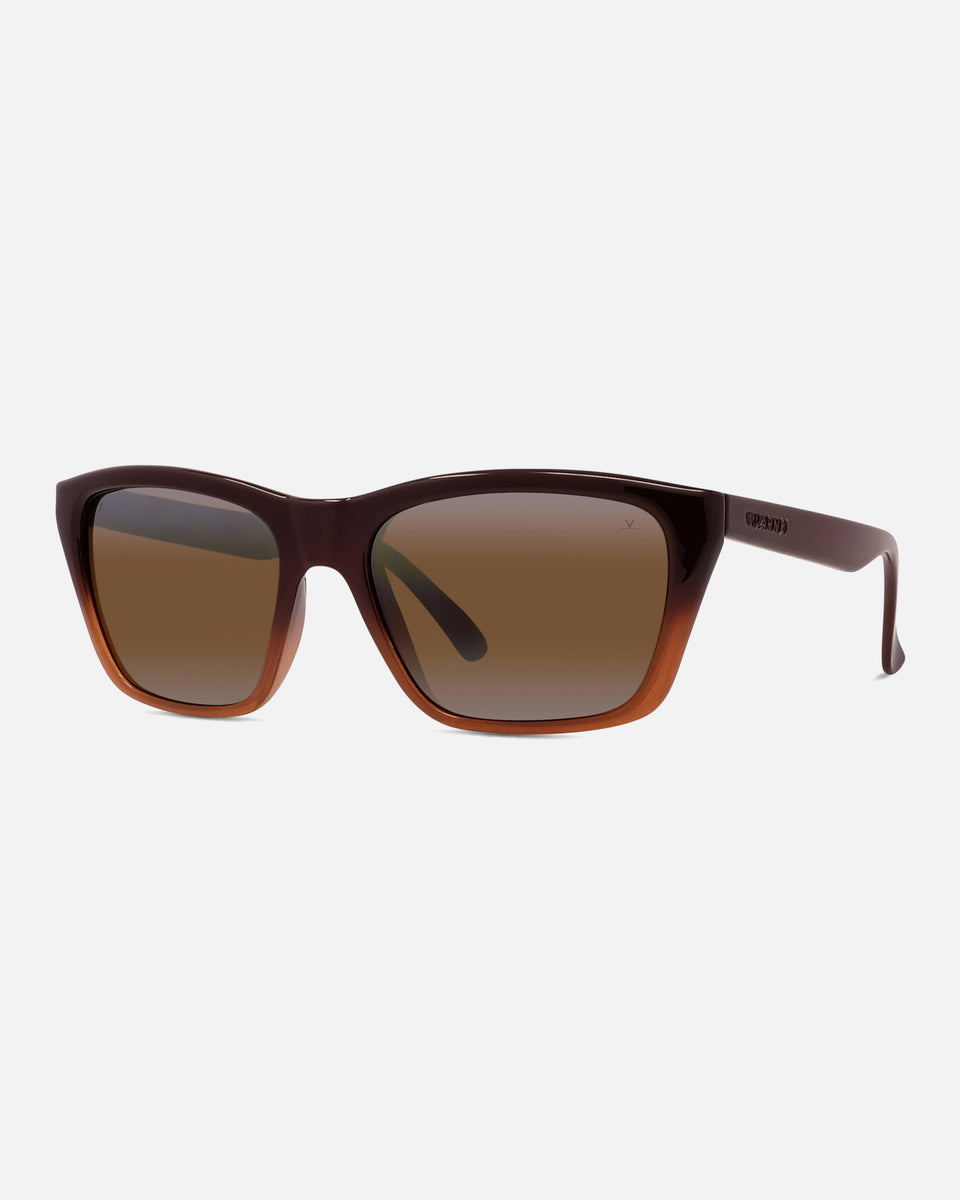
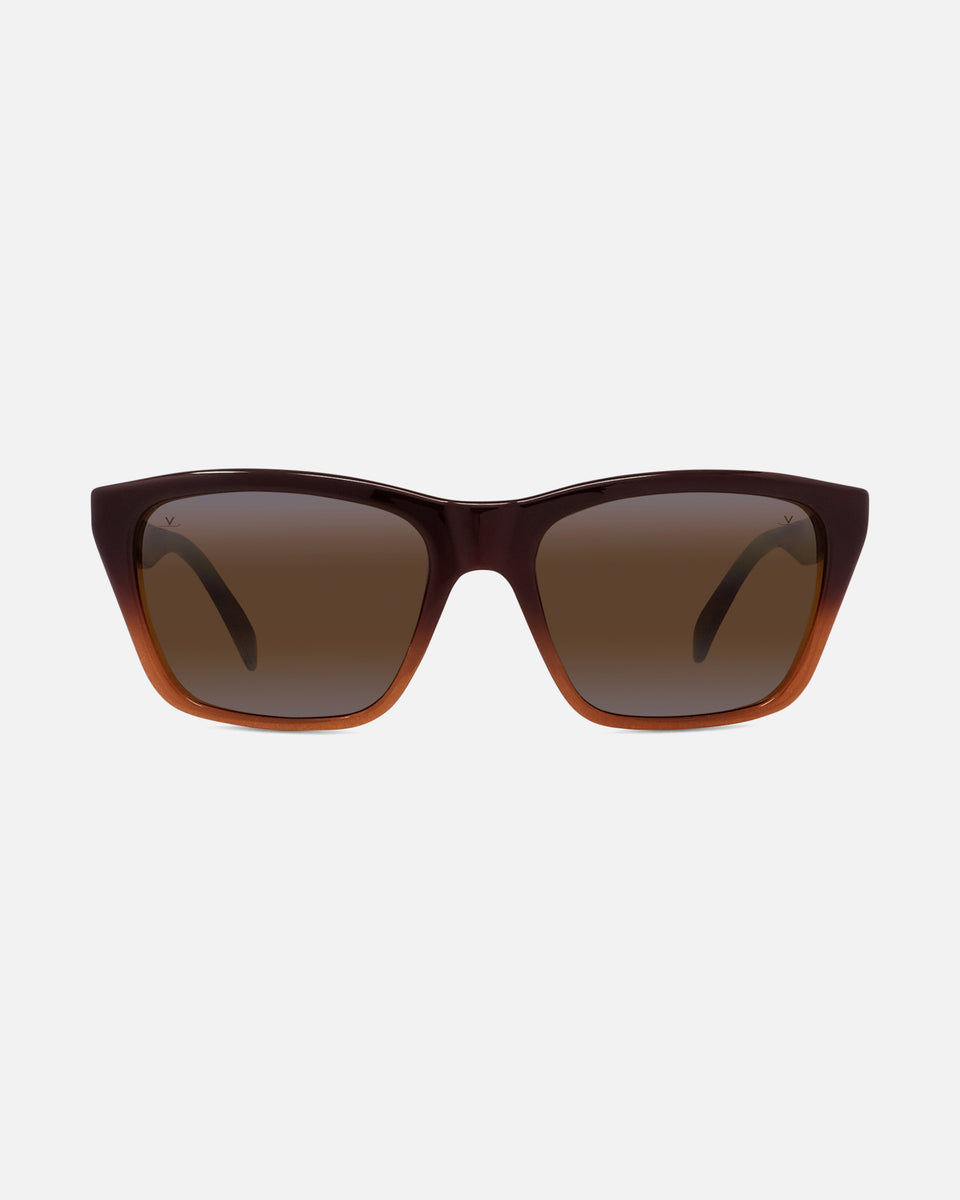
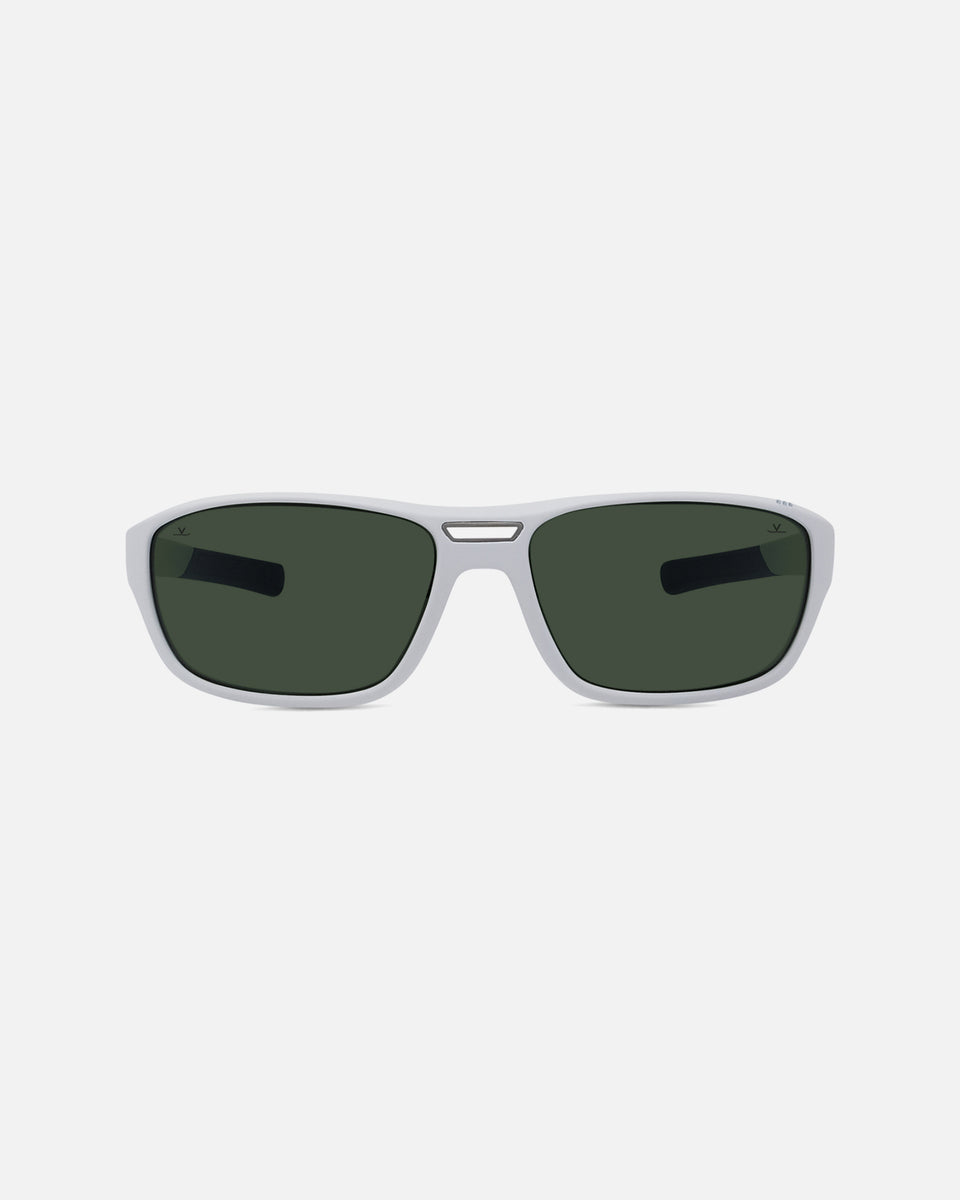
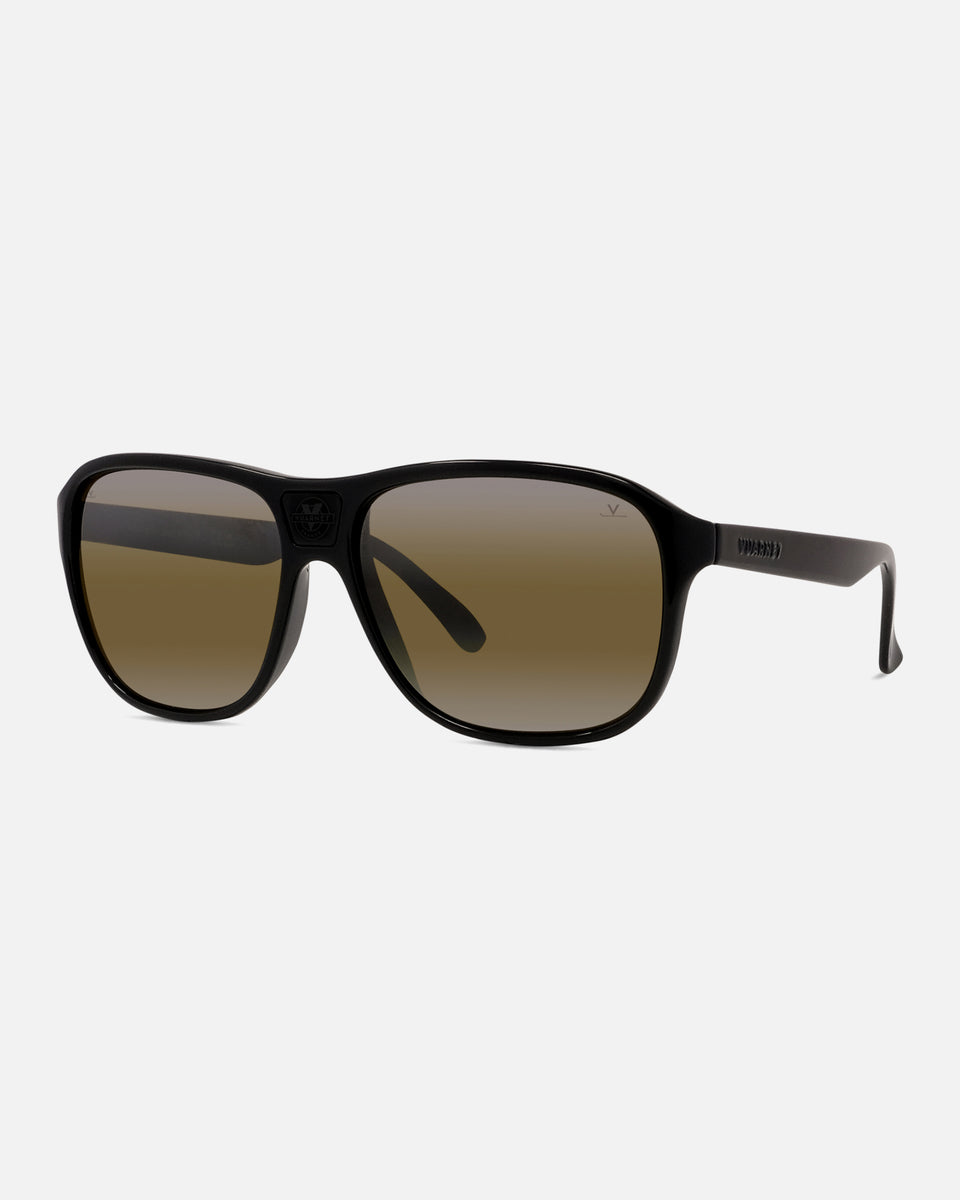
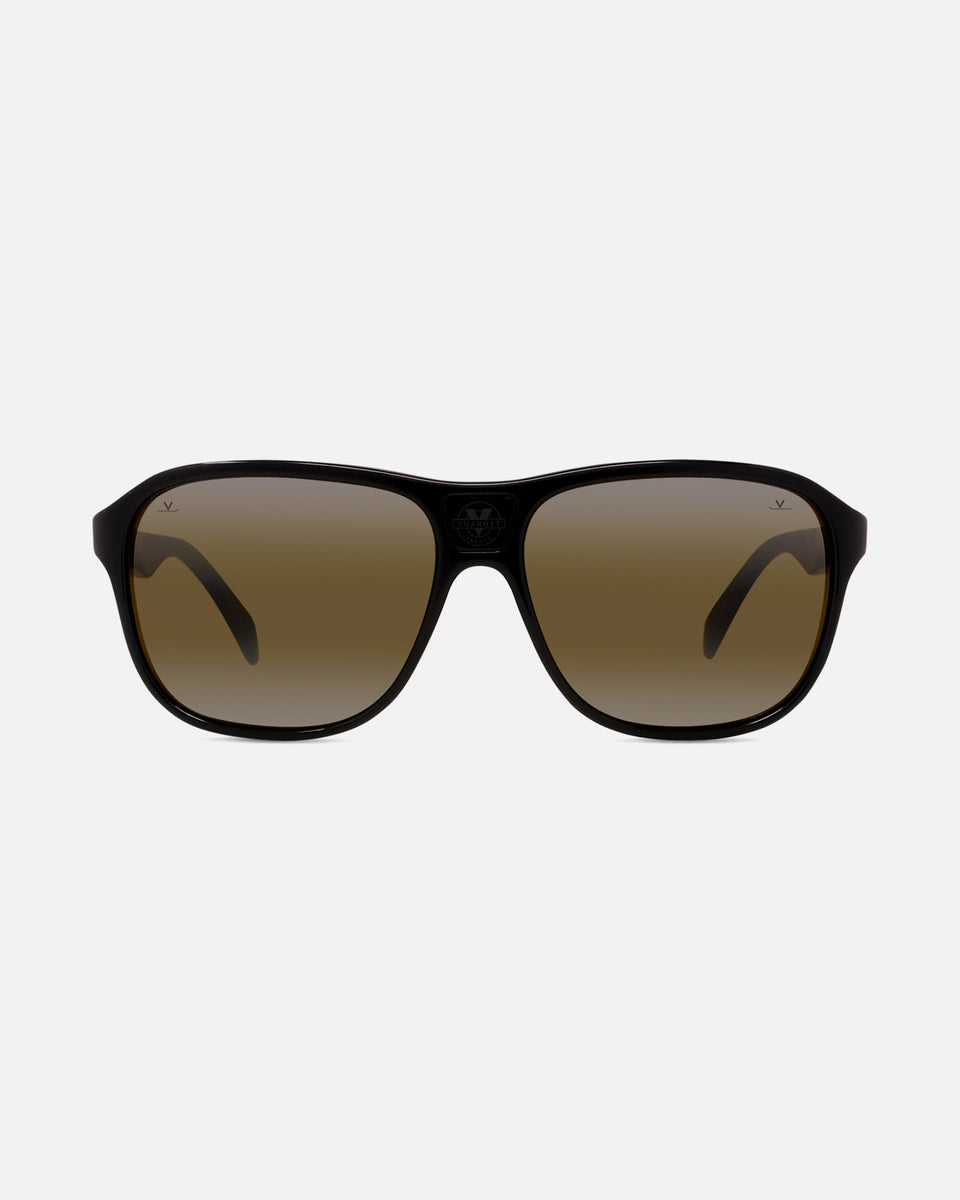
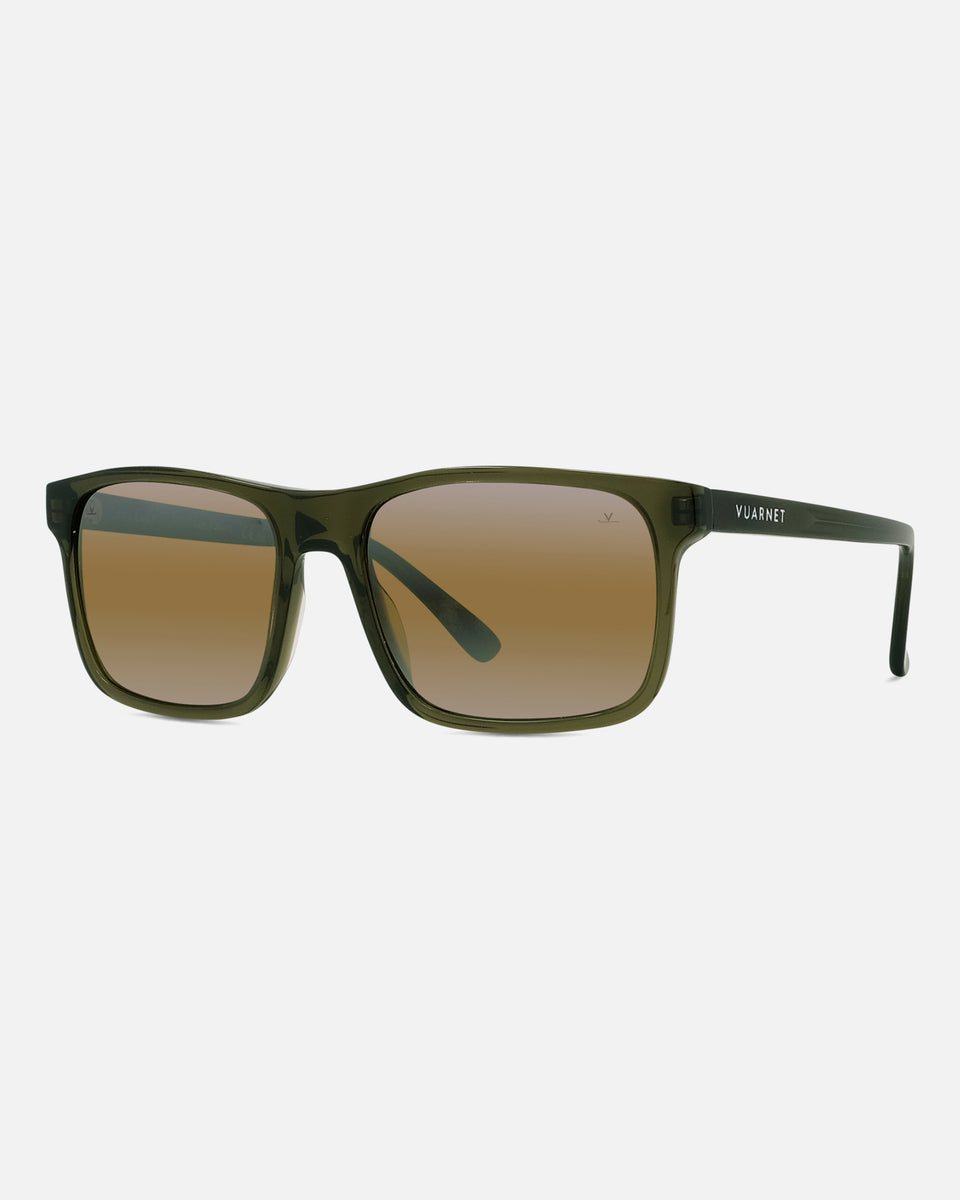
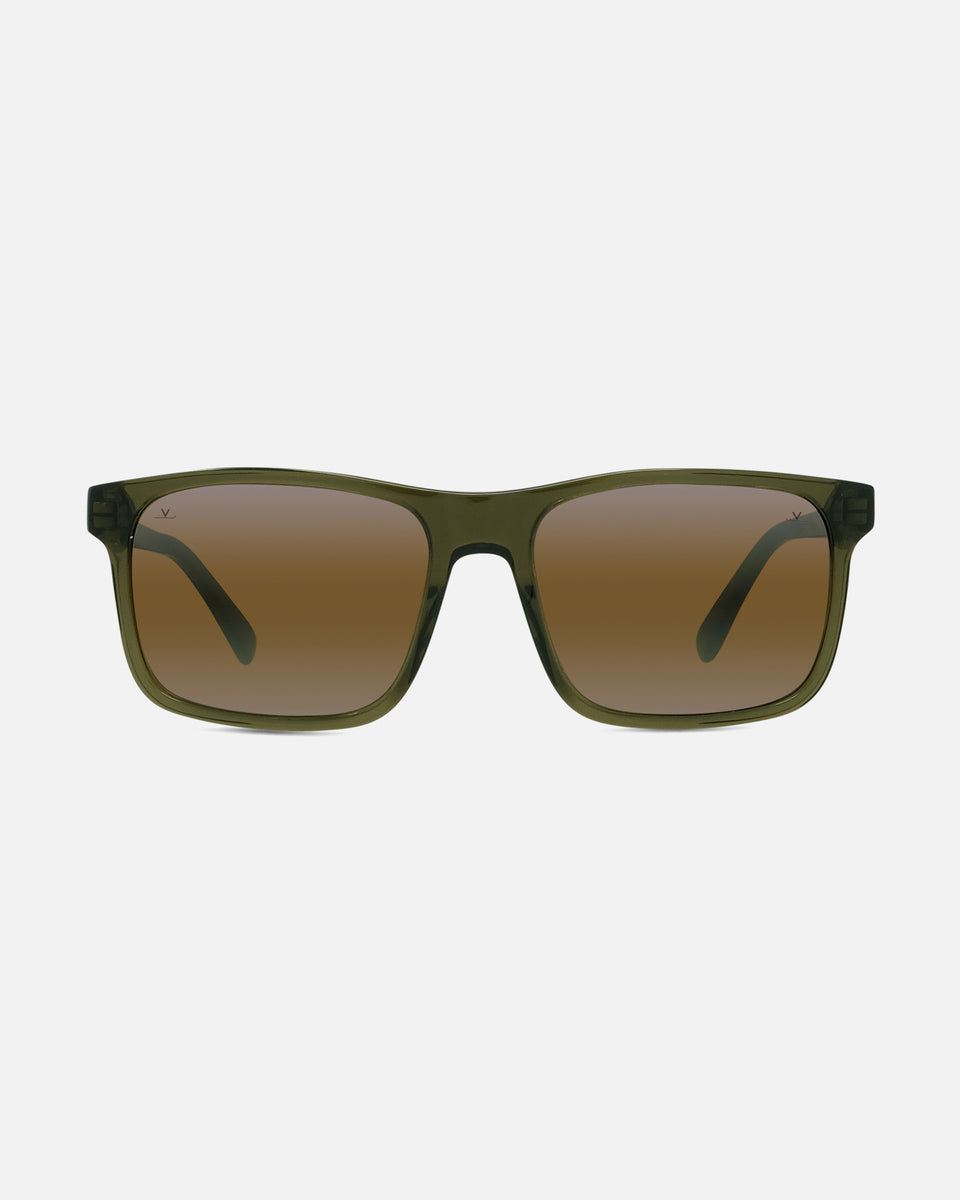
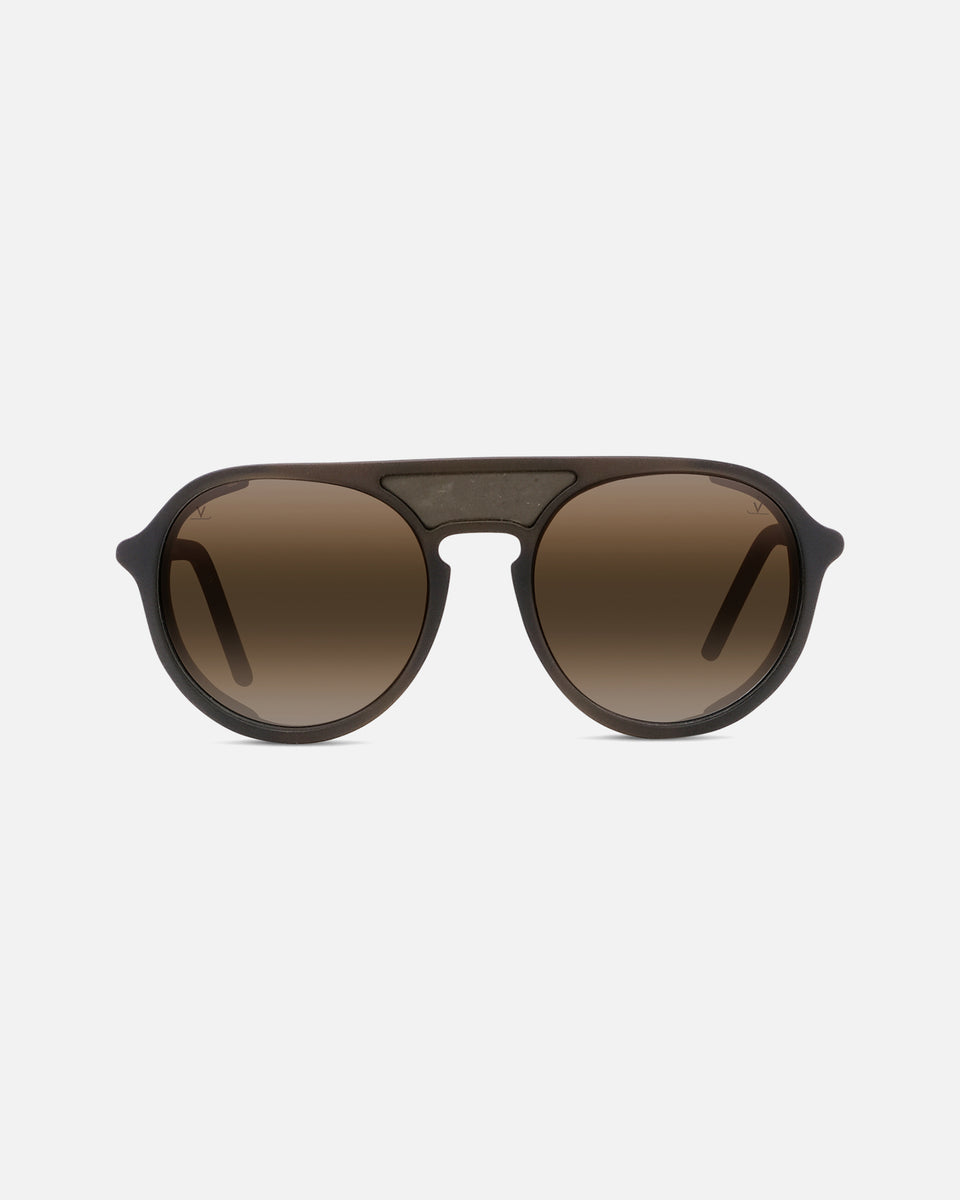
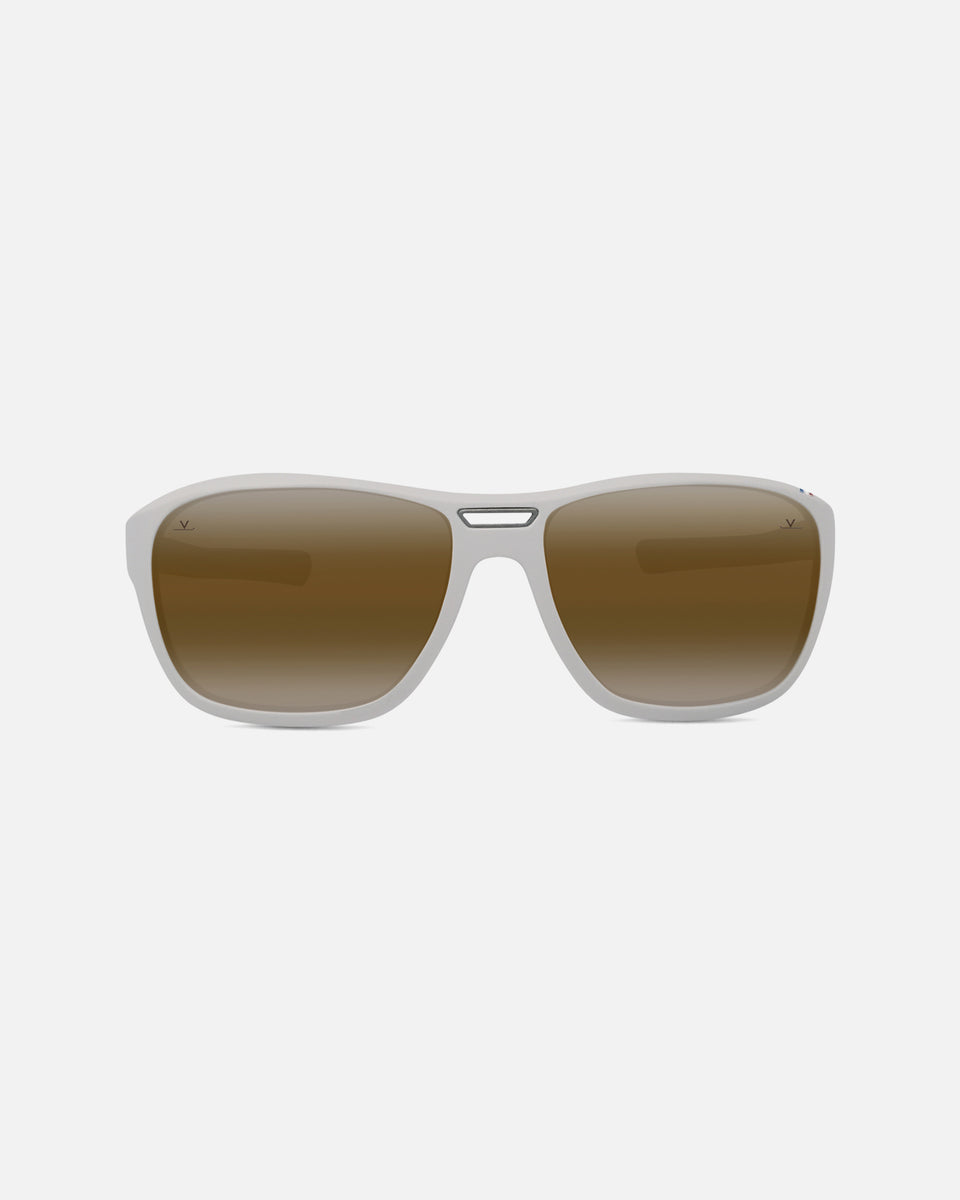
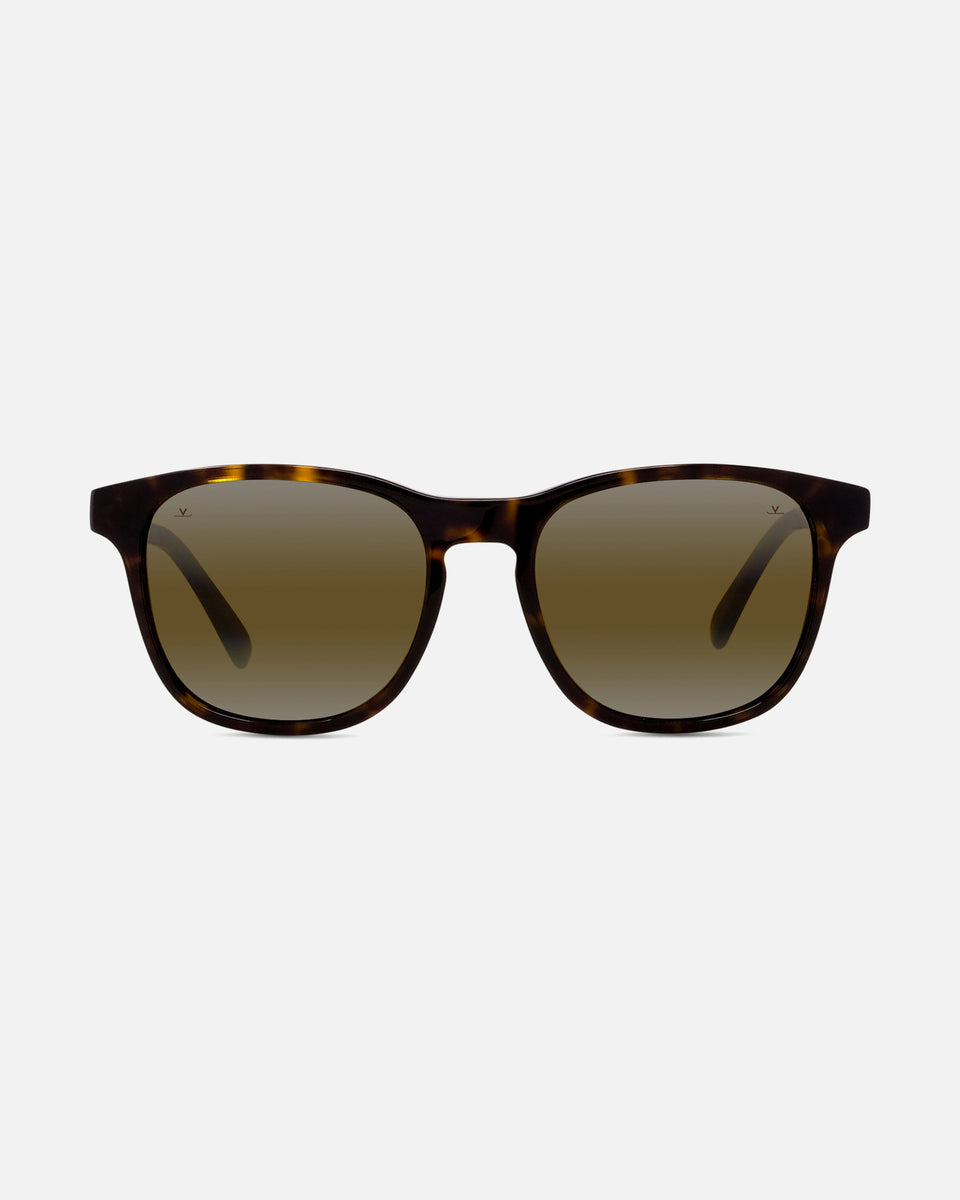
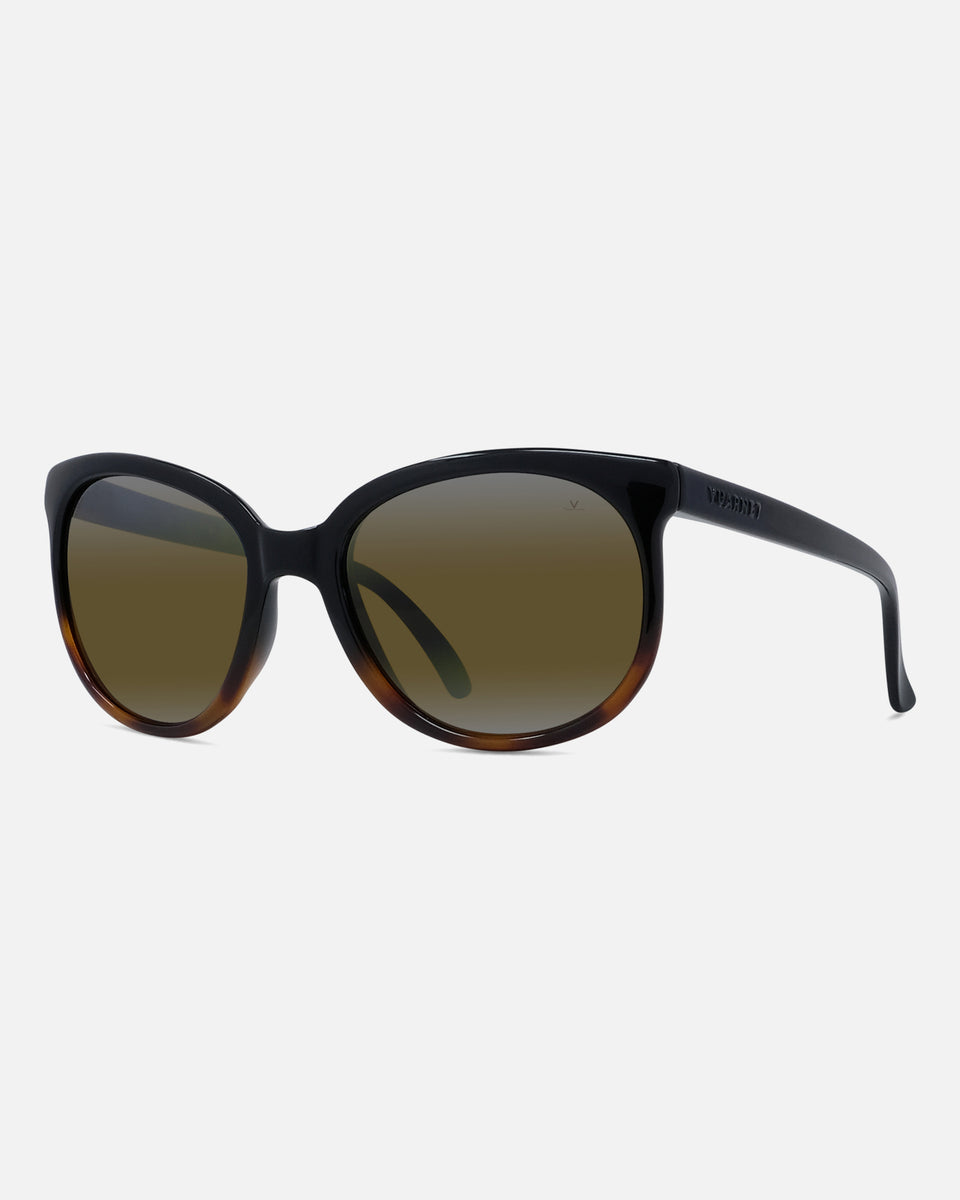
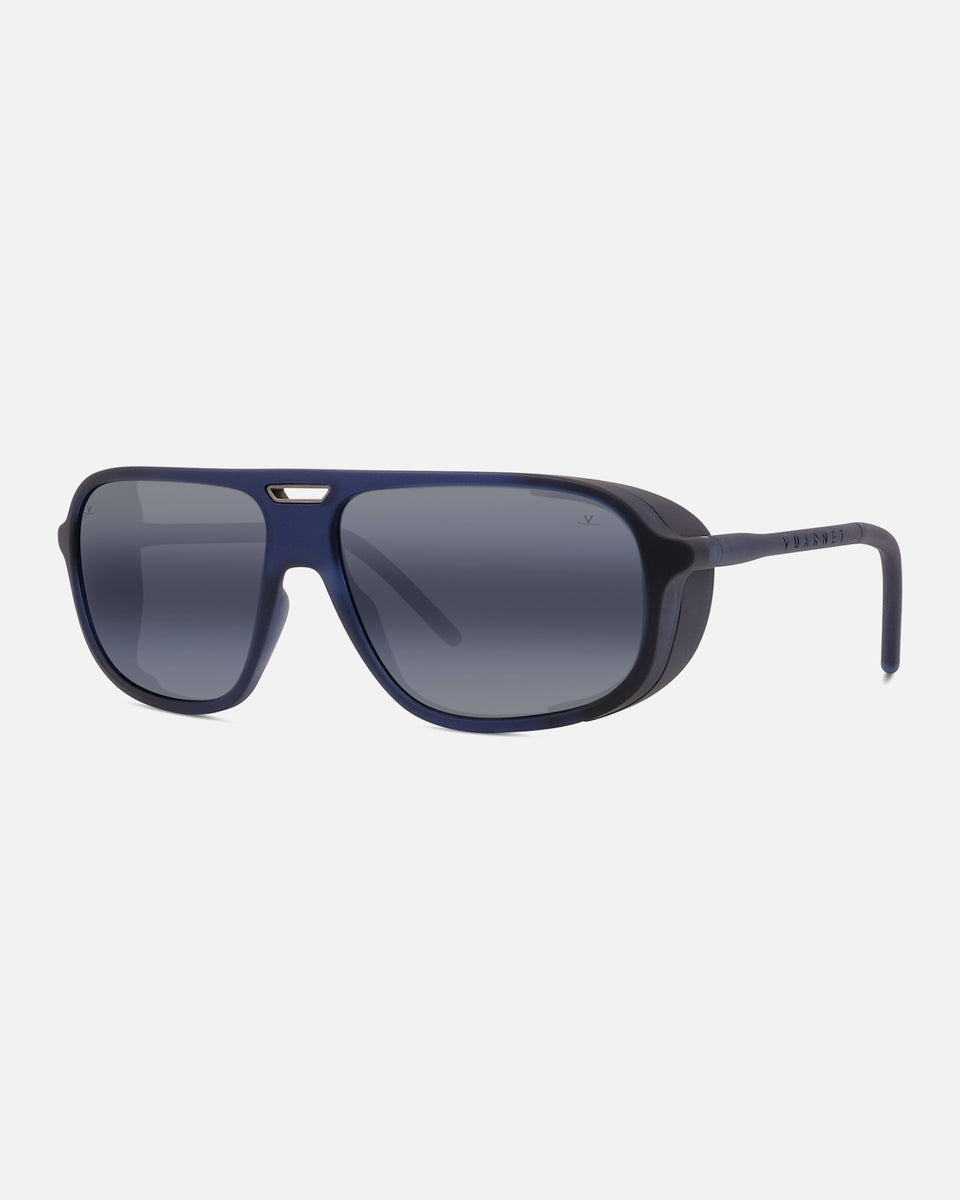
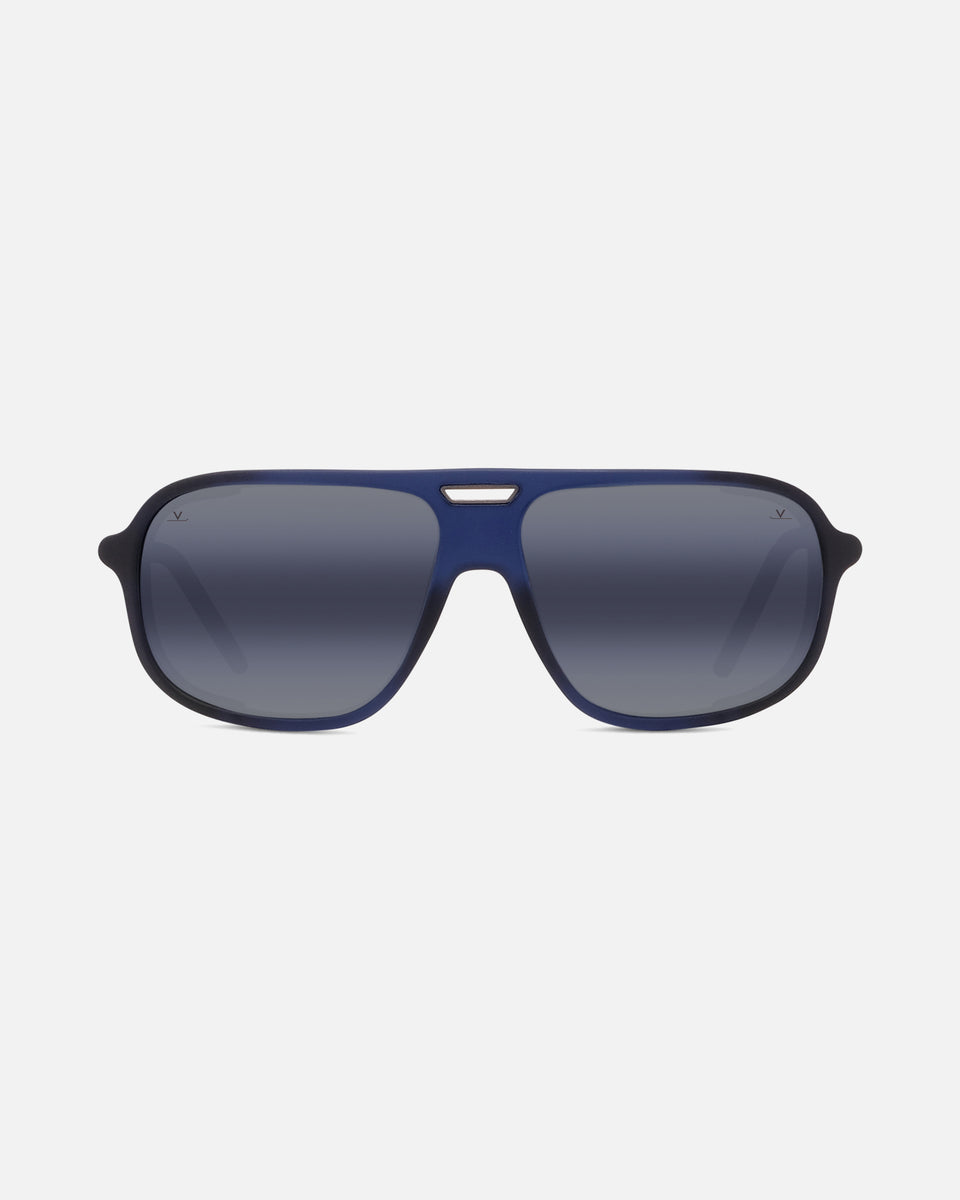
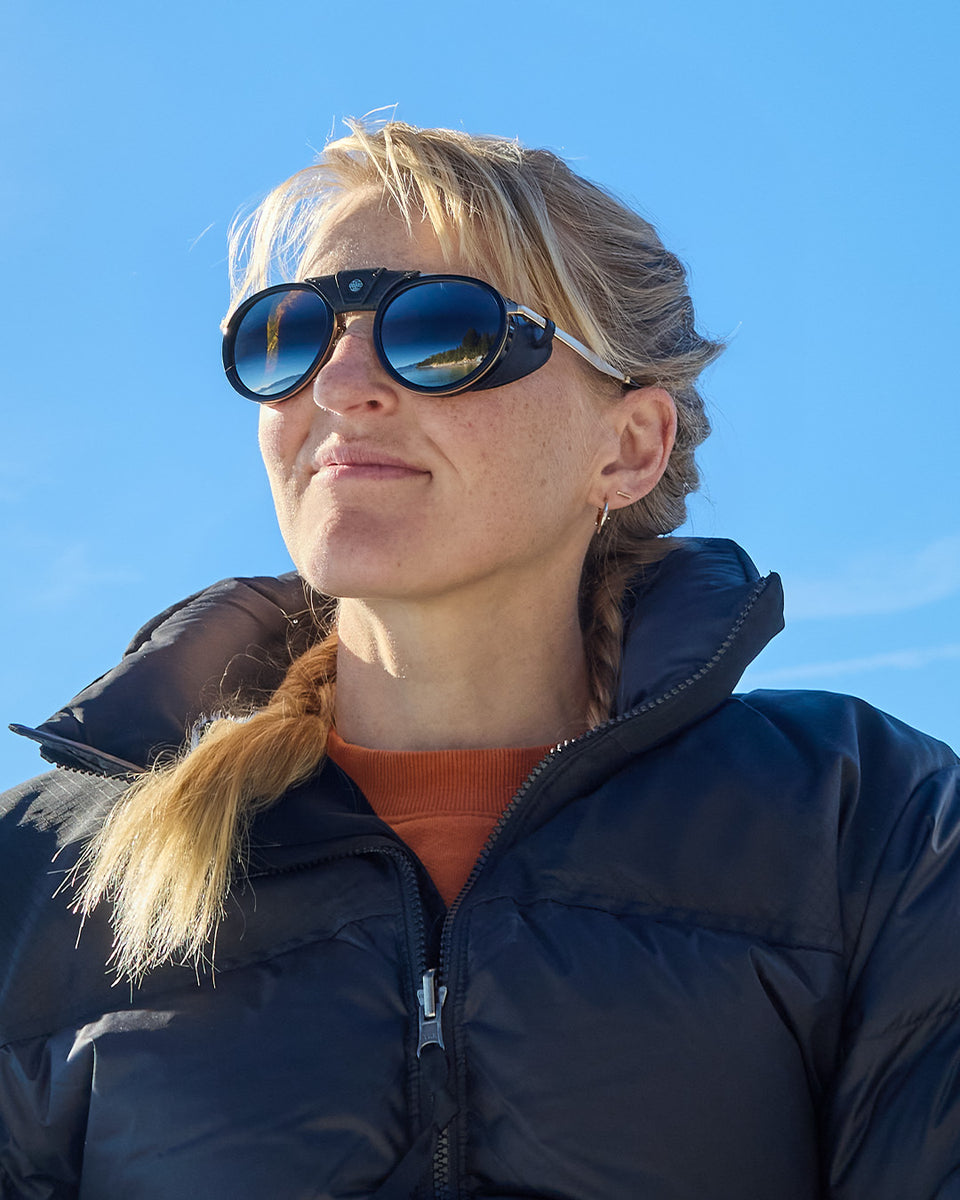
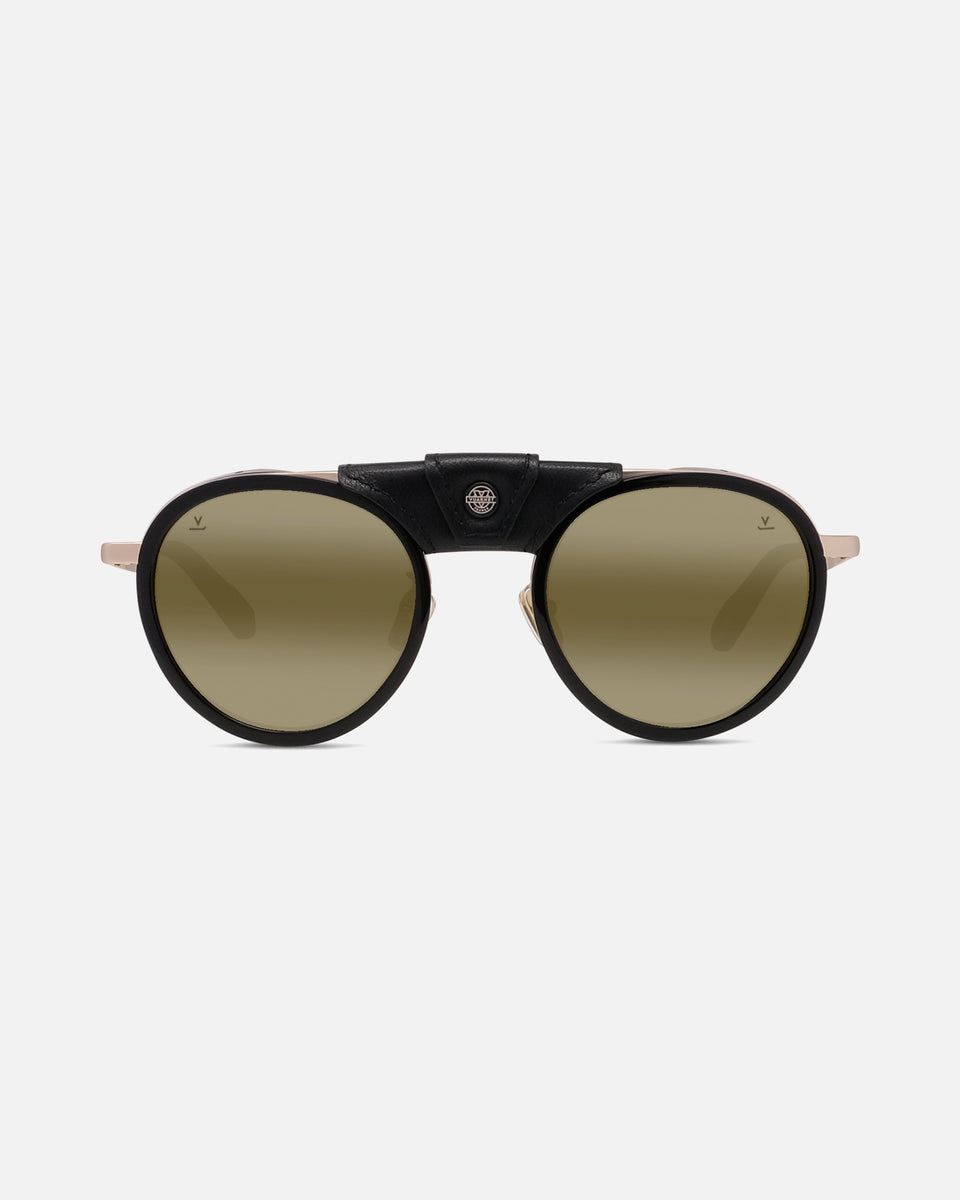
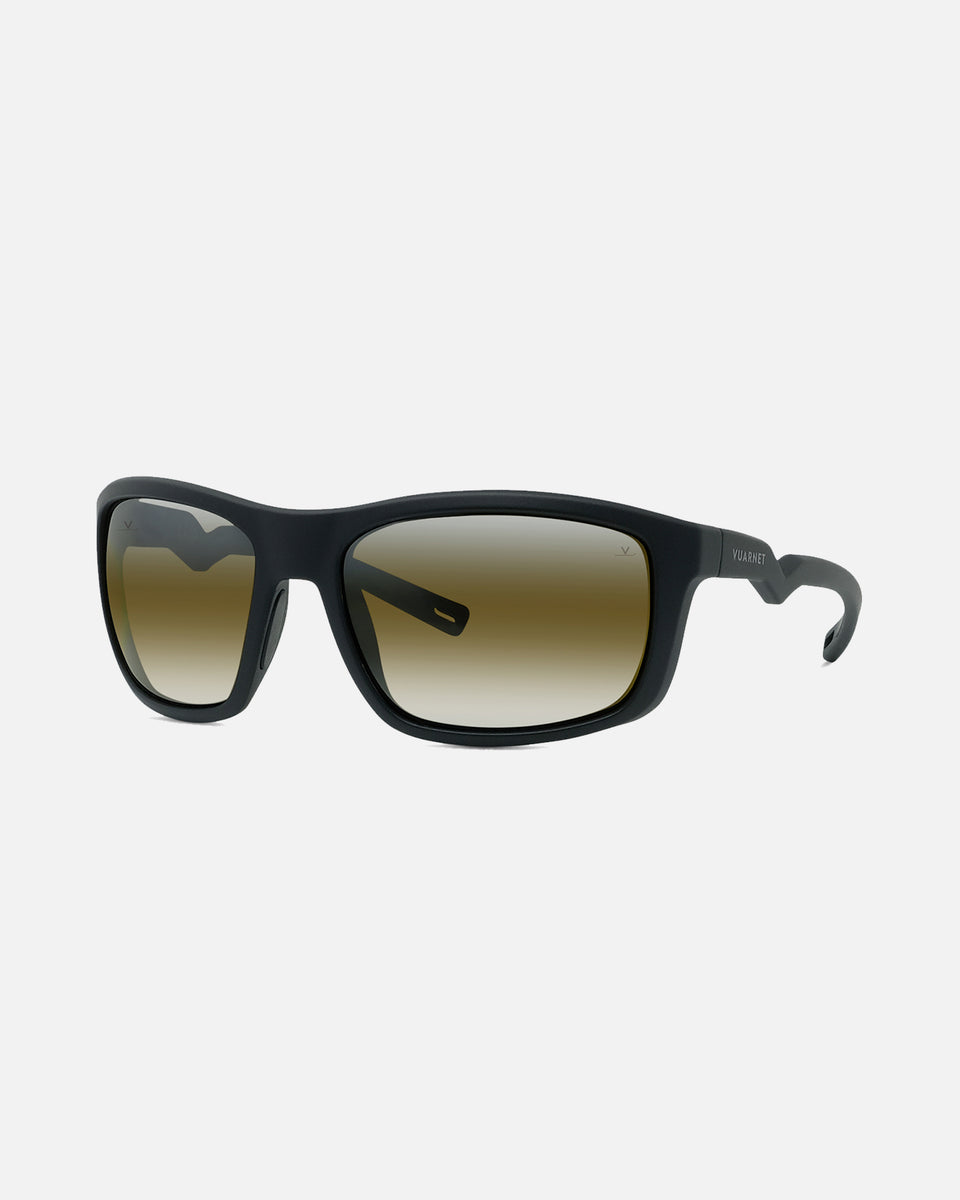
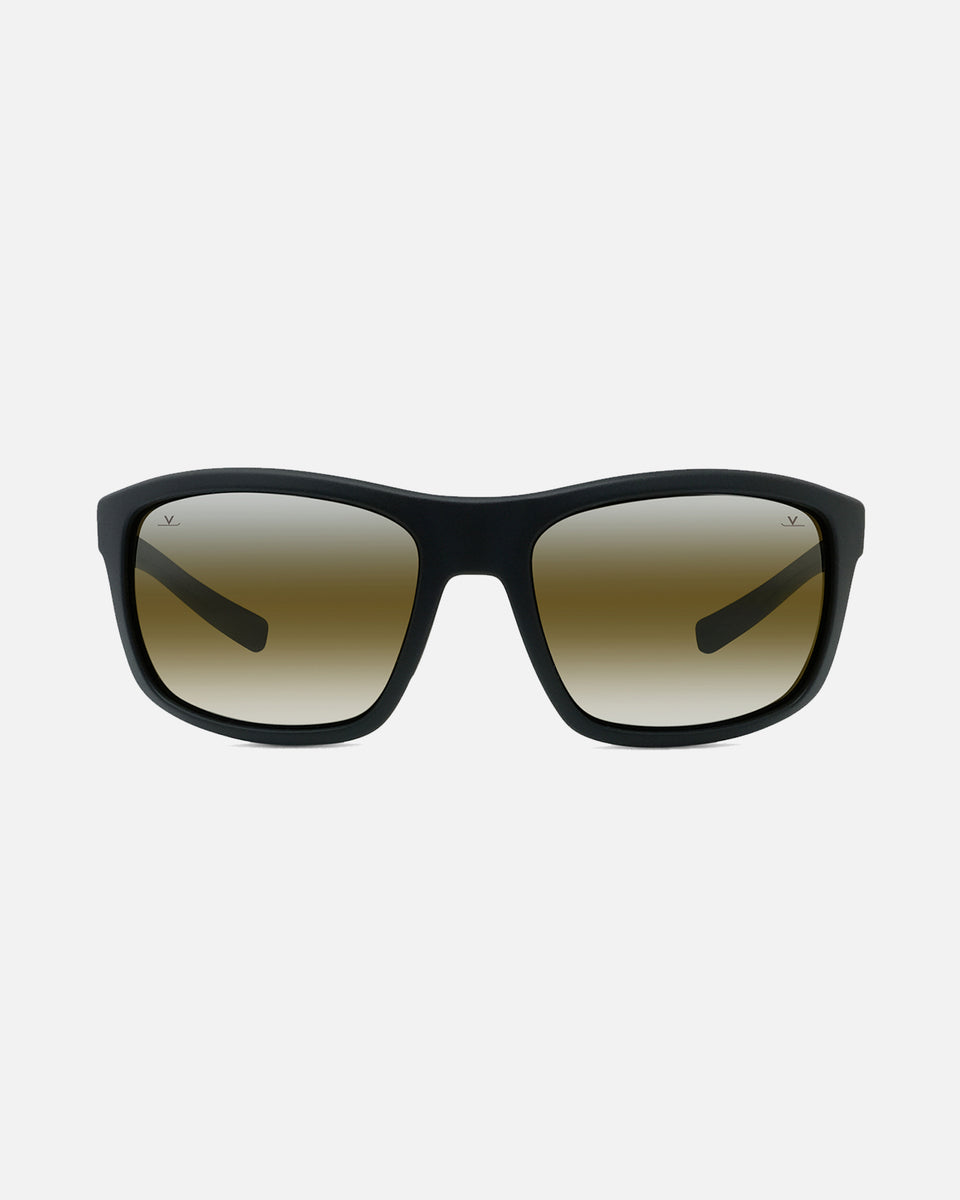
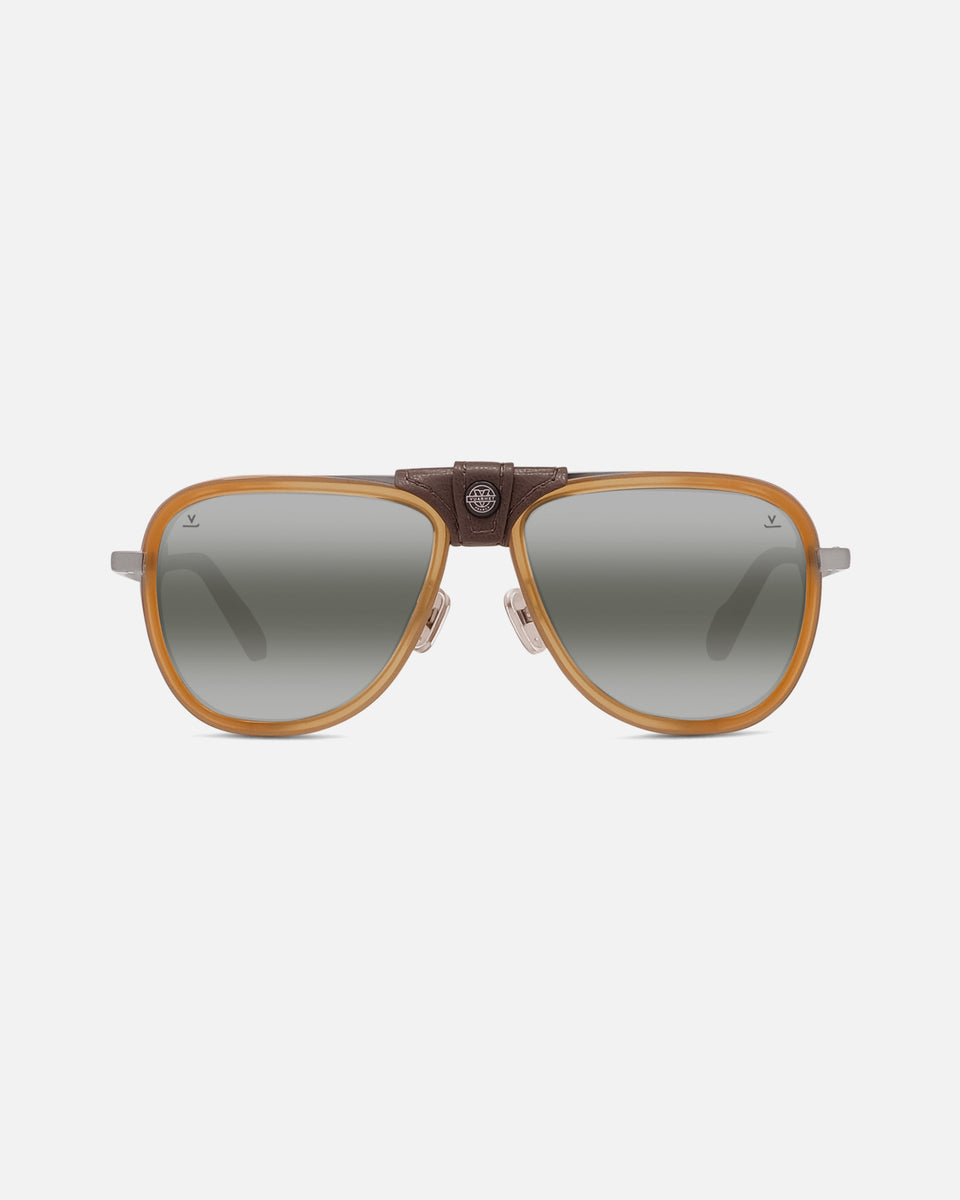
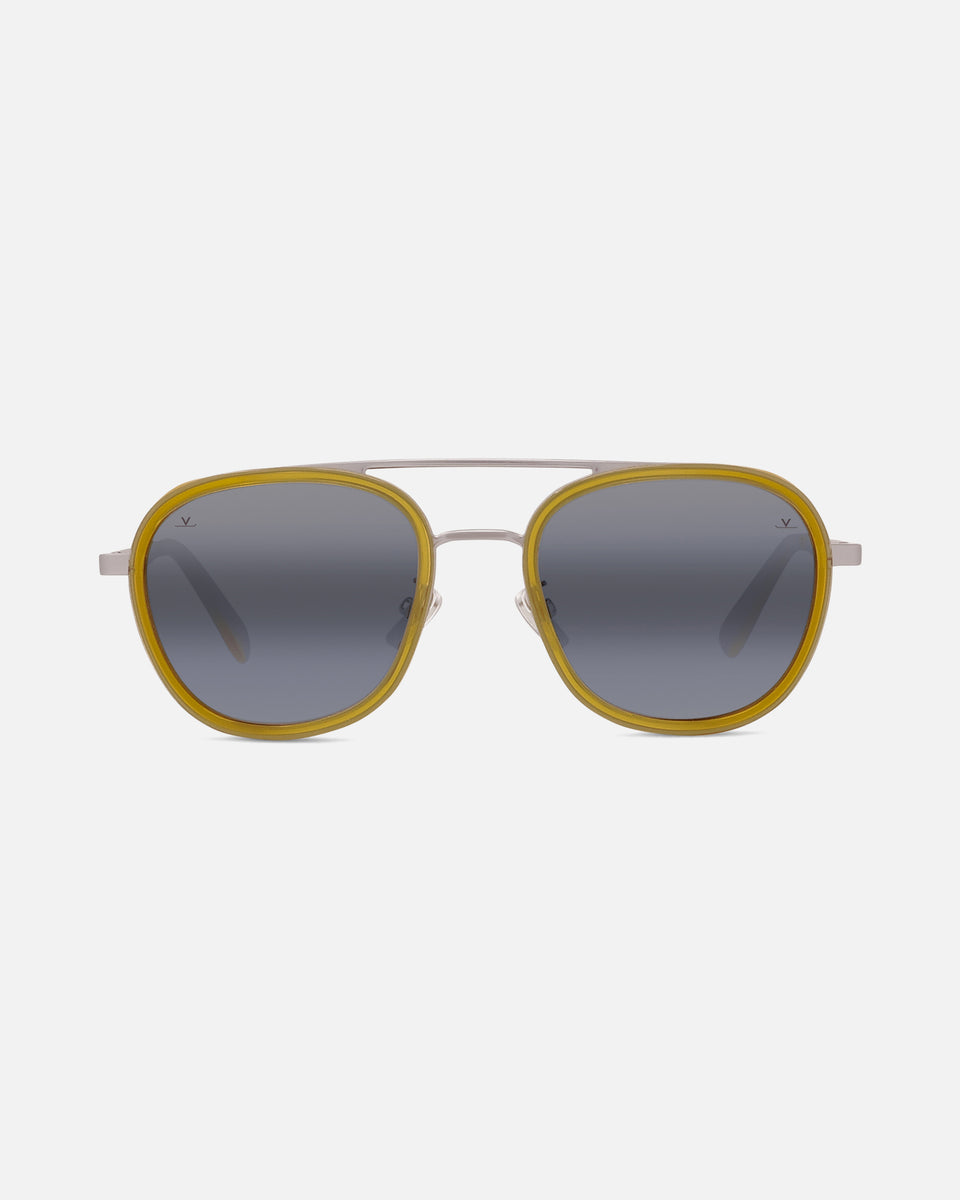
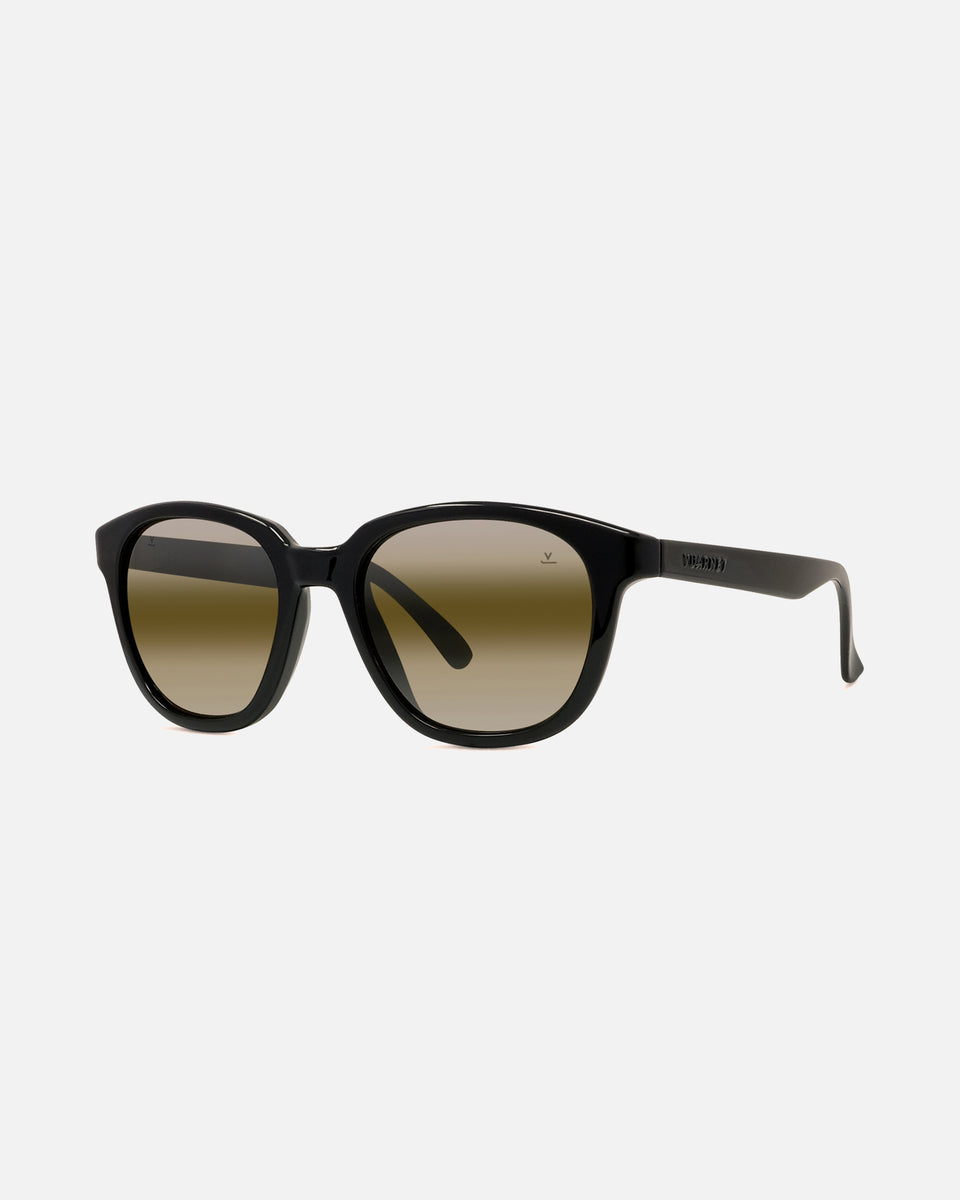
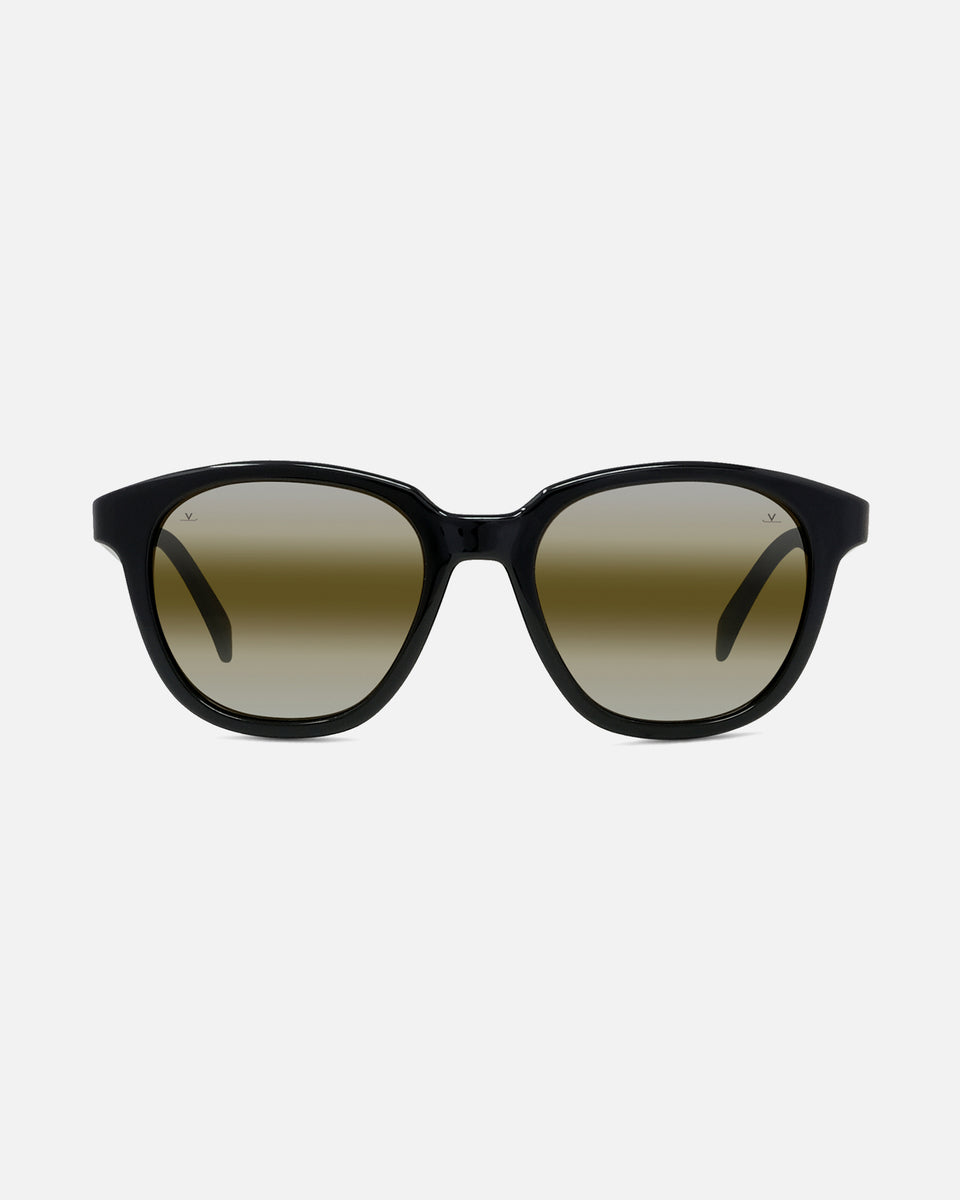
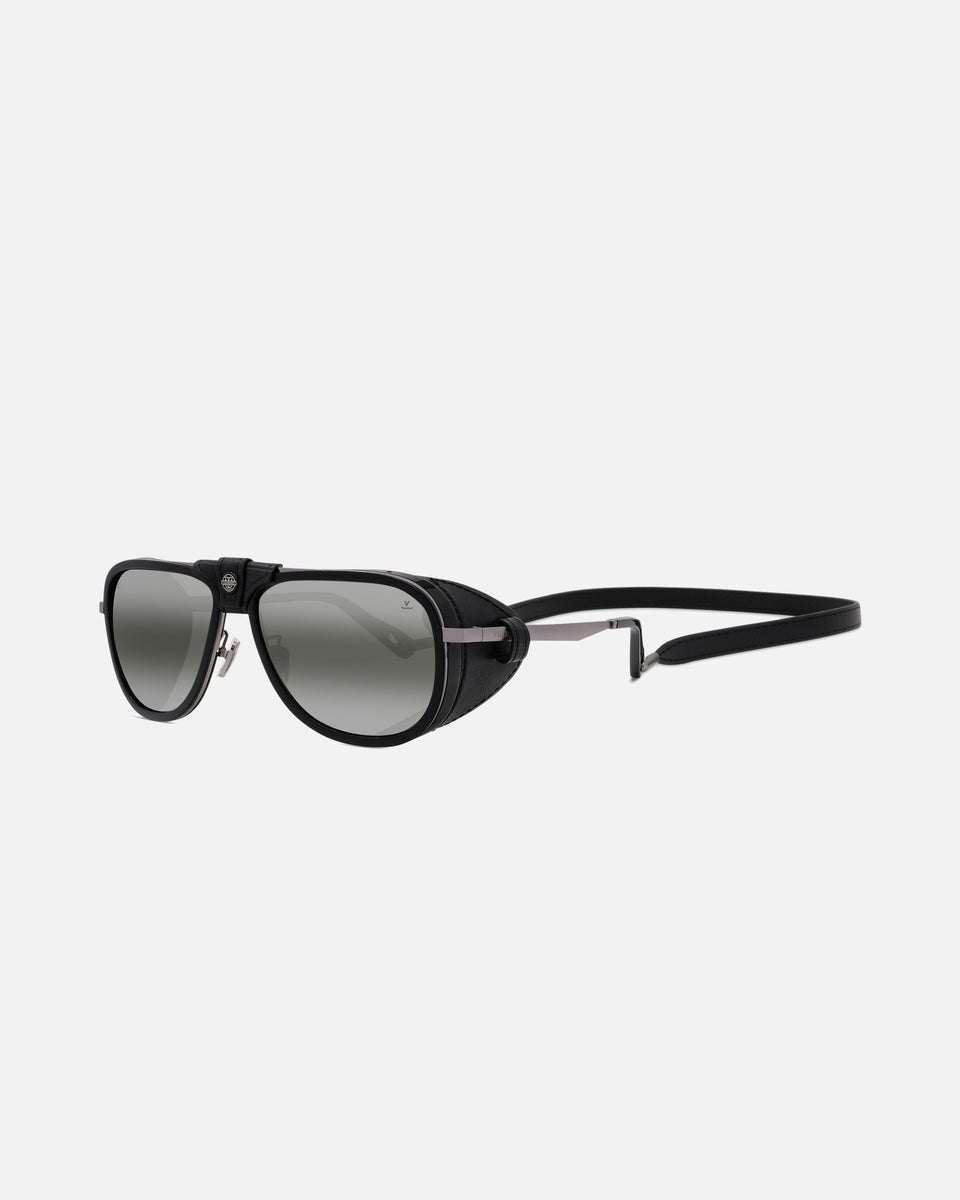
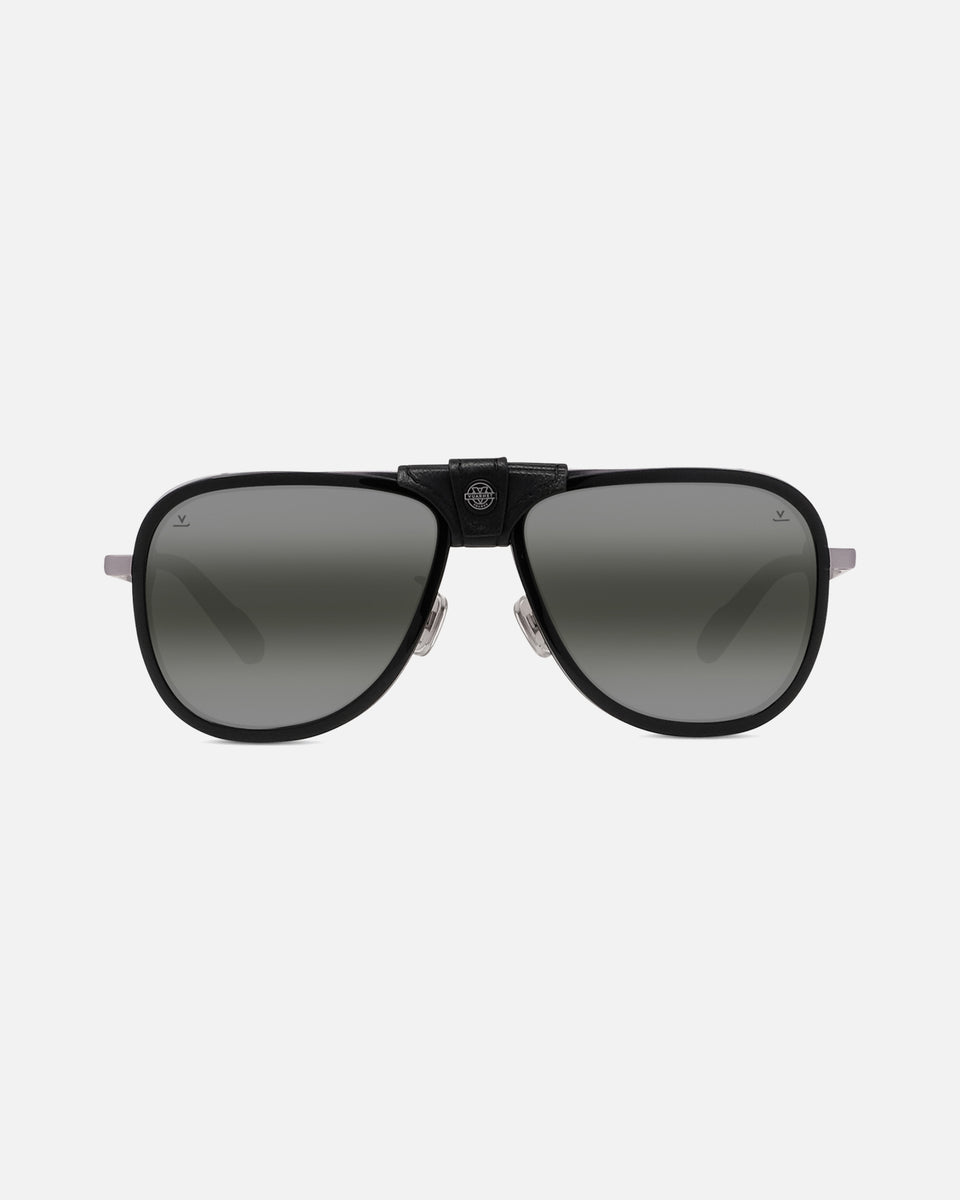
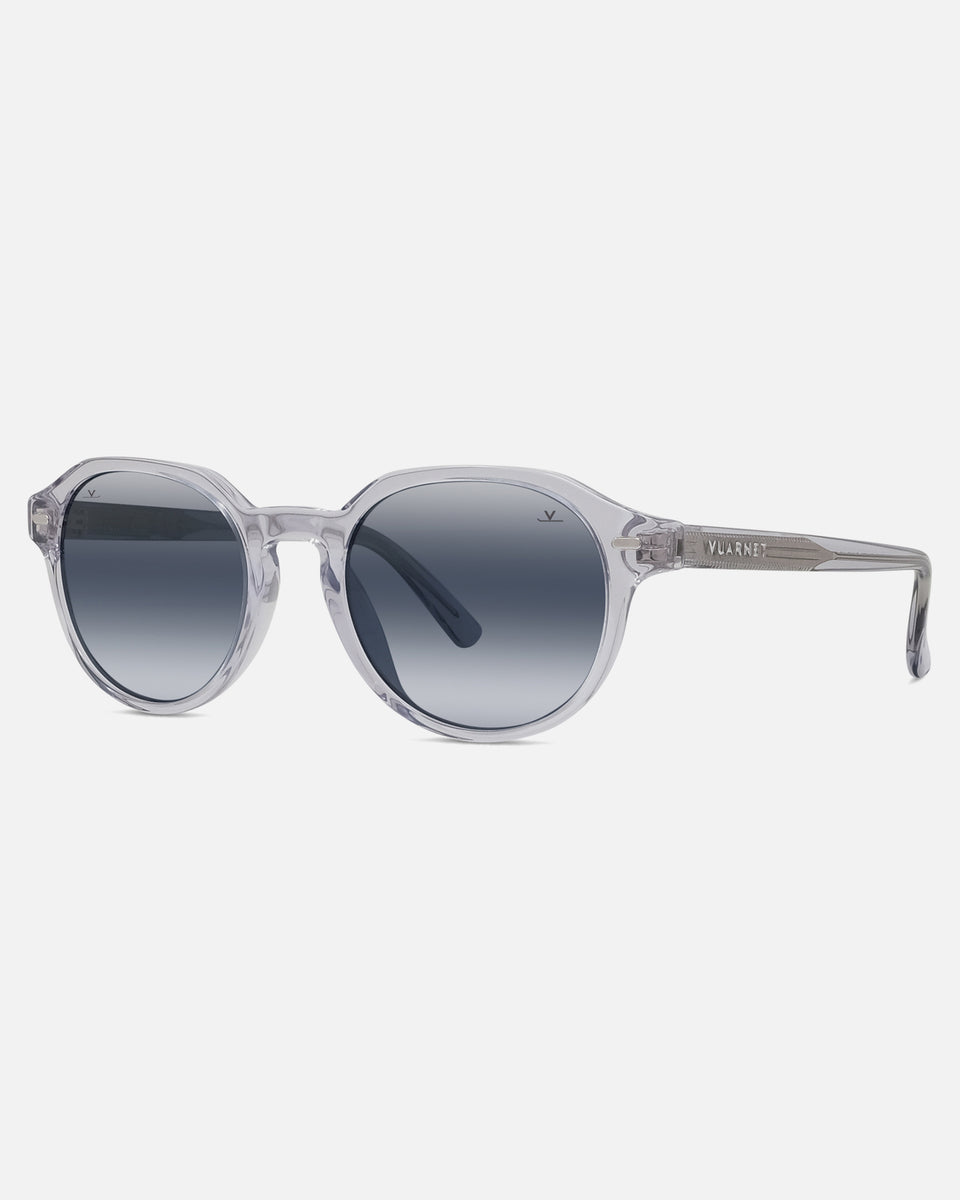
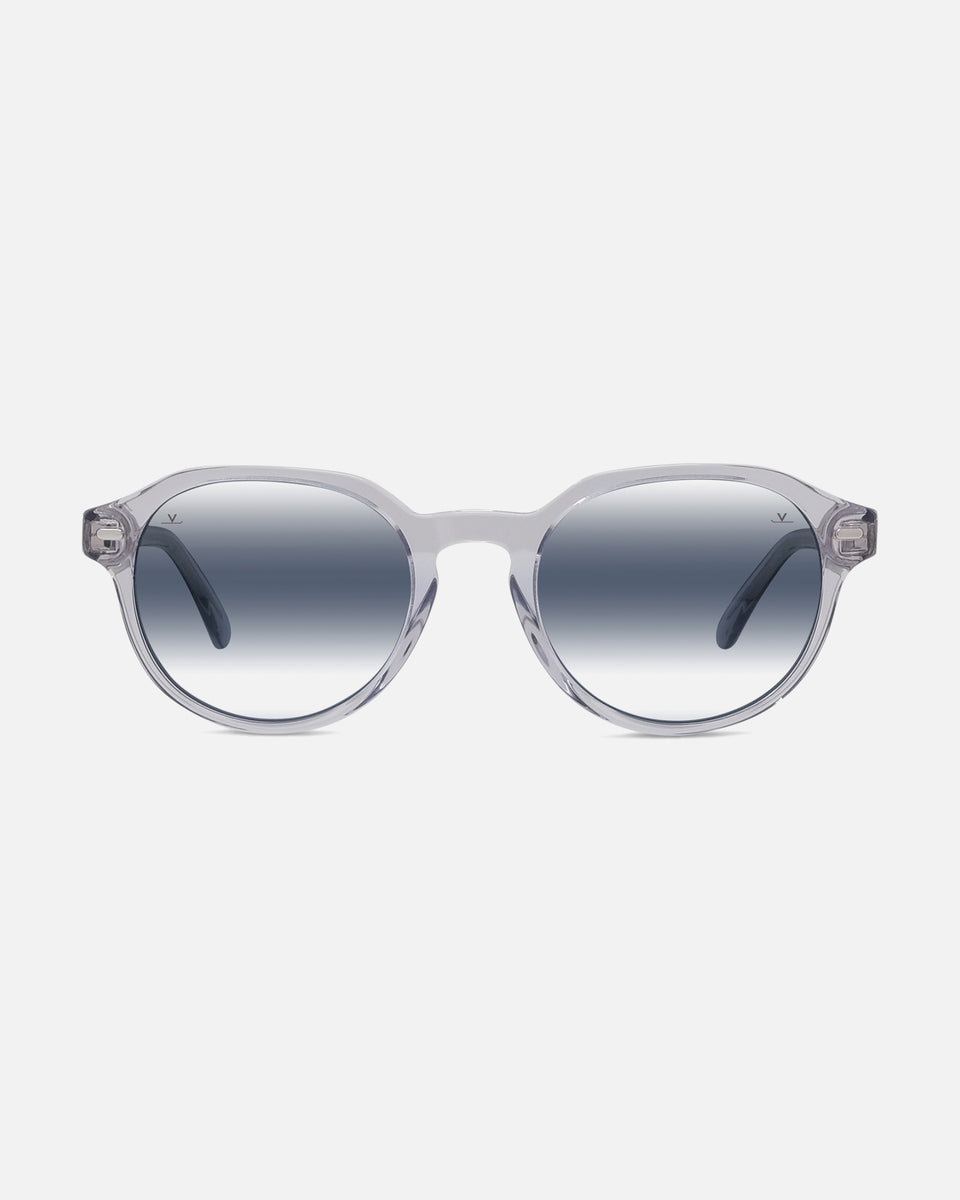
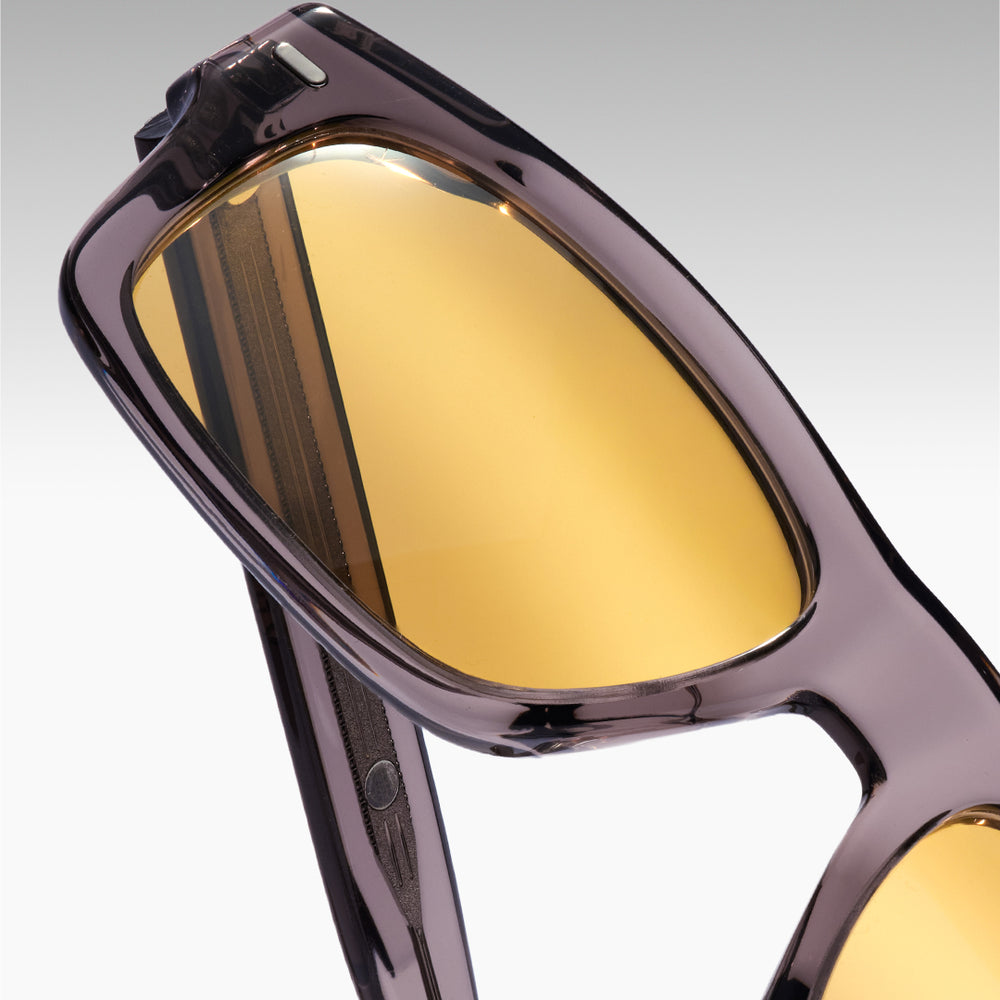
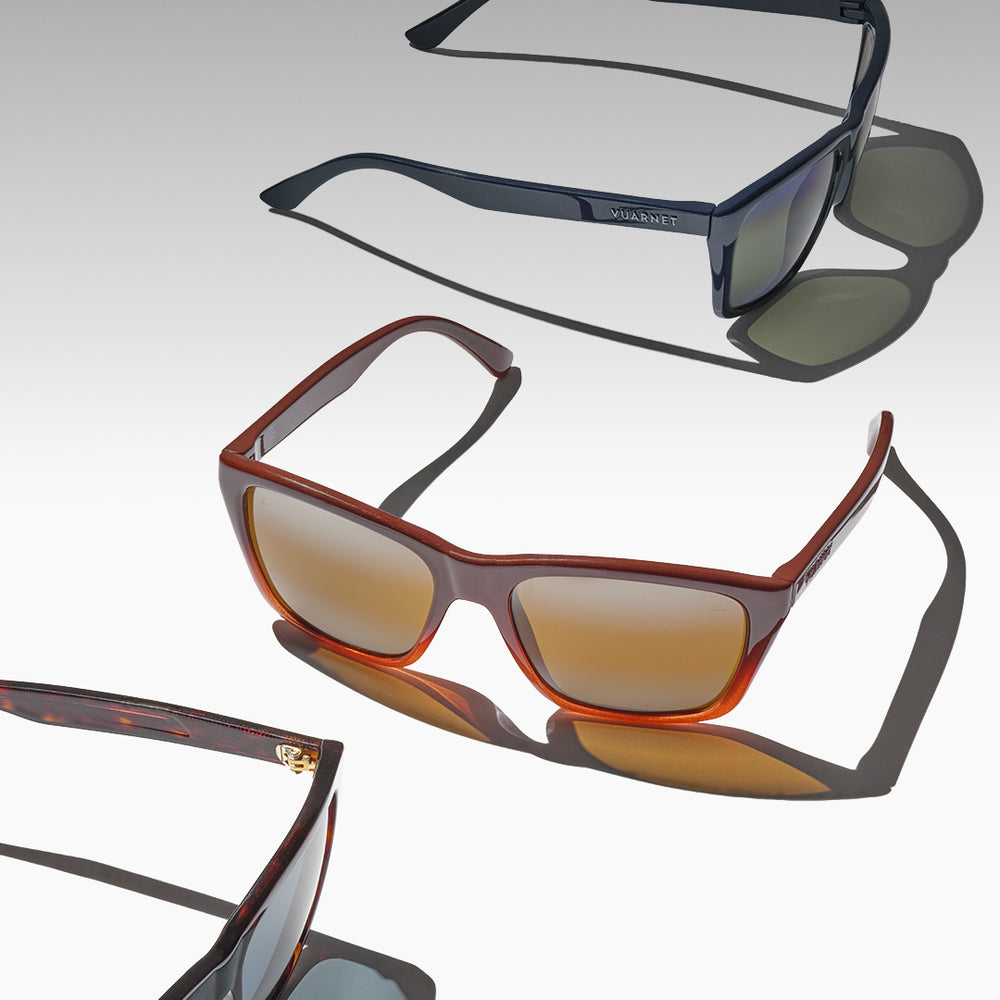
Driving sunglasses for long journeys
Driving places significant demands on vision. Reflections from wet roads, low sun directly in the line of sight and rapid transitions from a bright motorway into a tunnel all reduce the visual information available when it matters most.
This collection is designed around the specific demands of time behind the wheel: sustained concentration, rapid changes in light and glare from road surfaces. The goal is clear vision and visual comfort that lasts throughout the journey.
Glare behind the wheel
Glare is more than an inconvenience. Intense or reflected light can temporarily make the road harder to read, reduce contrast perception and increase visual fatigue.
When light reflects from a horizontal surface such as a wet road, a significant part of that reflection becomes polarized. Polarized lenses include a filter designed to reduce this horizontal glare, whereas a standard tinted lens reduces incoming light more uniformly.
Reducing reflected glare can improve comfort and road visibility in daylight. It never replaces the need to adapt your speed and driving to the conditions.
Choosing the right lens for driving
Lens FamilyVisual RenderingSuitable ConditionsKey BenefitGrey PolarNeutral greyBright light and long daytime journeysReduces glare while preserving natural colour perceptionBrown PolarWarm brownVariable light or overcast conditionsEnhances contrast and reduces reflected glareLynx™Varies by tintEveryday driving and changing conditionsImproves contrast and detail perceptionPhotochromicAdaptiveJourneys alternating between outdoor light and shadeTint changes with UV exposureNightlynx™High-transmission yellowLow-light conditions, subject to lens category and approvalEnhances contrast without significant darkening
For daytime driving, category 2 and 3 lenses can be appropriate depending on the light level and the precise lens specification. Category 4 lenses are too dark for road use and must not be worn when driving.
Do photochromic lenses work in the car?
Photochromic lenses react primarily to UV light. As a windscreen filters part of that UV, the lens may darken less inside the car than it does outdoors. They remain practical when a journey includes walking and driving, but a suitable fixed tint may provide more consistent performance during a long drive in bright sun.
Colour perception at the wheel
Traffic lights, brake lights and road signs all depend on fast colour recognition. It is therefore important to choose lenses that preserve a sufficiently faithful perception of these visual signals.
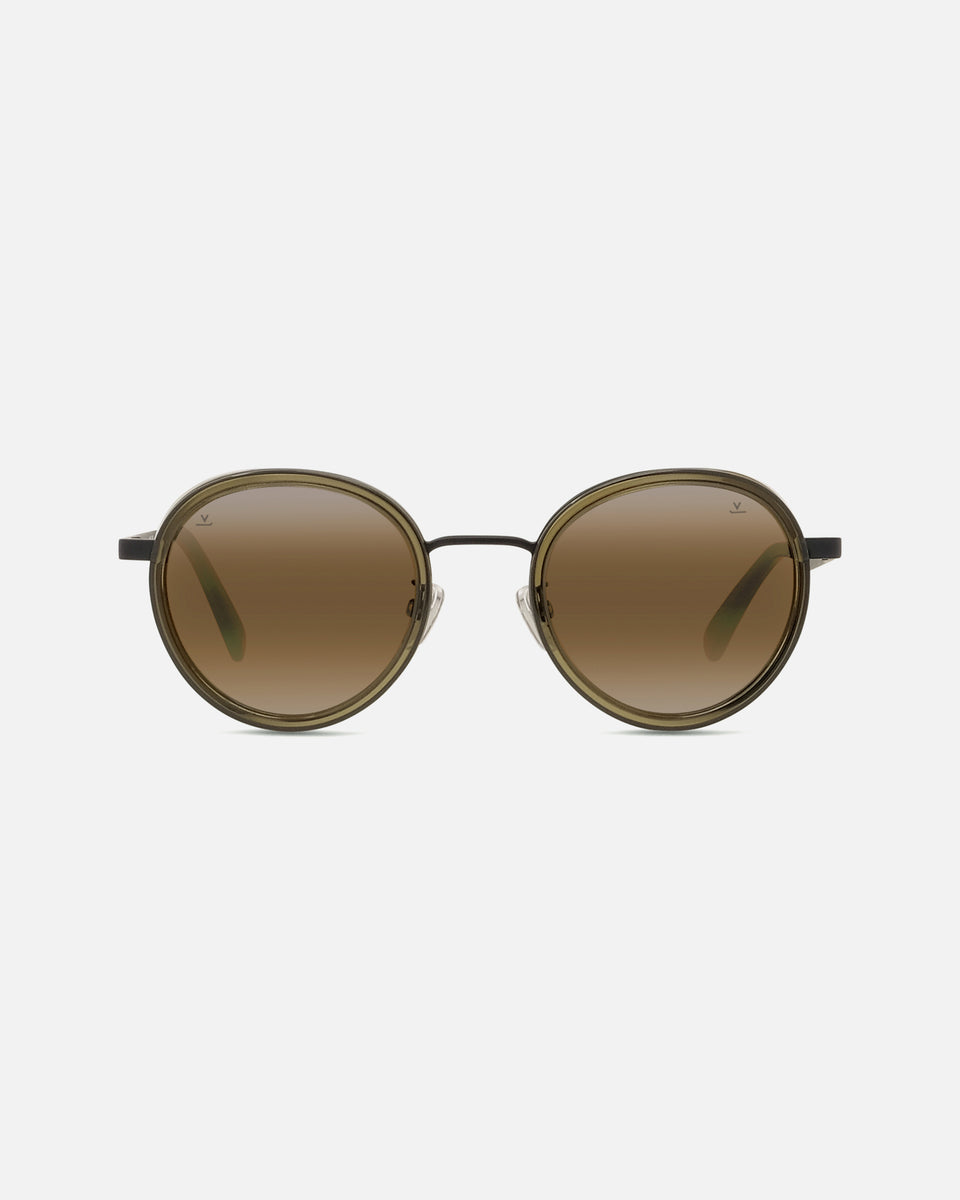
Grey lenses reduce brightness with a neutral rendering. Brown tints create a warmer view and enhance contrast, which some drivers prefer in flat or overcast conditions. The Lynx™ lens family offers another option for distinguishing detail more clearly.
Lens quality also contributes to comfort on longer journeys. Vuarnet mineral lenses combine visual precision with natural scratch resistance.
The limits of polarized lenses for driving
Polarized lenses are highly effective against road reflections, but they are not automatically the best choice for every vehicle or condition.
- Some LCD dashboard and navigation displays may appear darker at certain viewing angles.
- Polarization can reduce some of the reflections that help reveal black ice.
- Its effectiveness depends on the orientation and nature of the reflection.
- The tint and lens category must remain appropriate for the light conditions.
Vuarnet also offers non-polarized mineral lens options. See our guide to polarized or non-polarized sunglasses.
Driving as light fades
Conventional sunglasses should never be worn for night driving: they reduce the available light and can impair visibility.
When light levels fall, only lenses that are sufficiently clear and approved for driving should be used. Before driving with a low-light lens, always check the category shown on the product and confirm that it is suitable for the conditions concerned.
For variable light through the day, explore the Photochromic Lifestyle collection.
Driving sunglasses for men and women
Men’s driving sunglasses
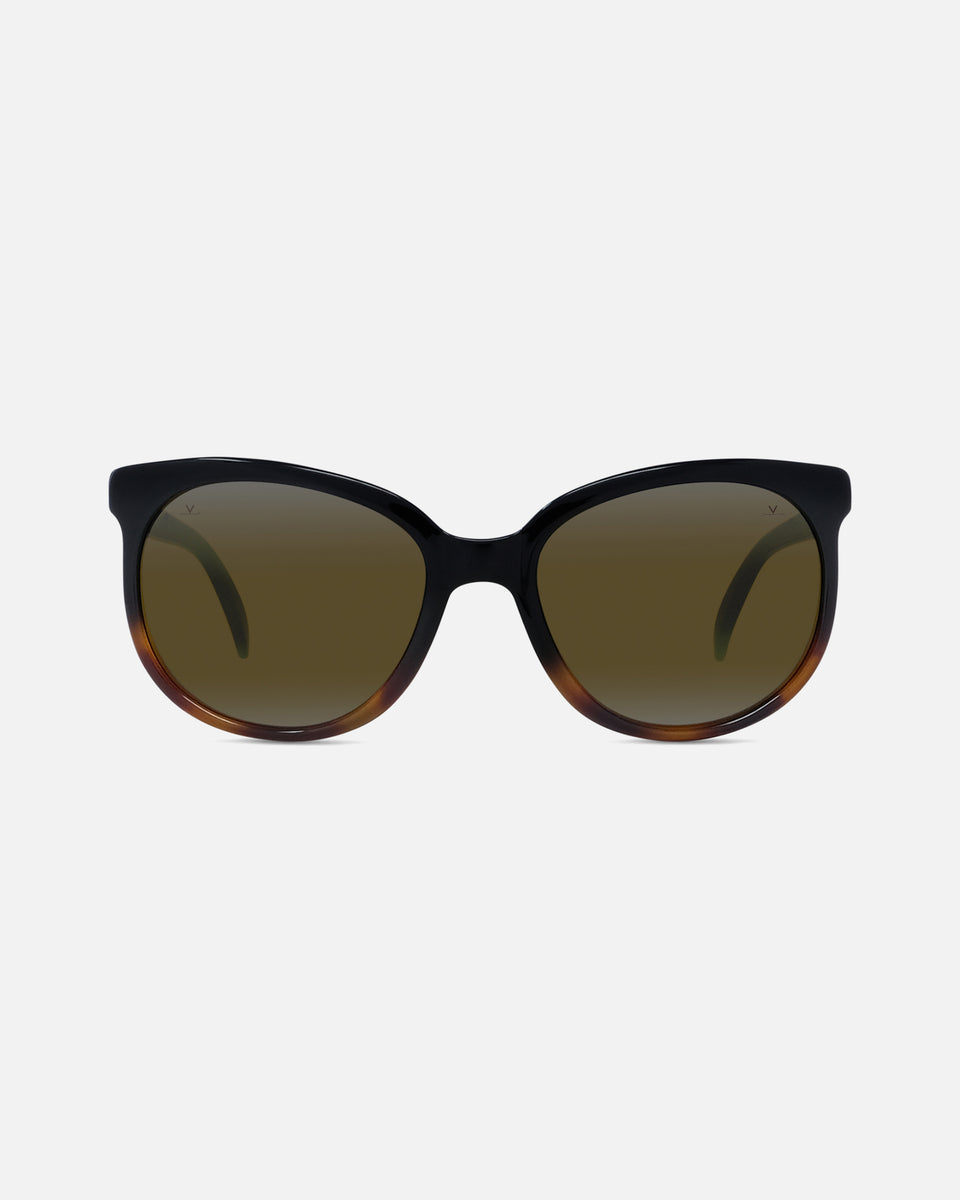
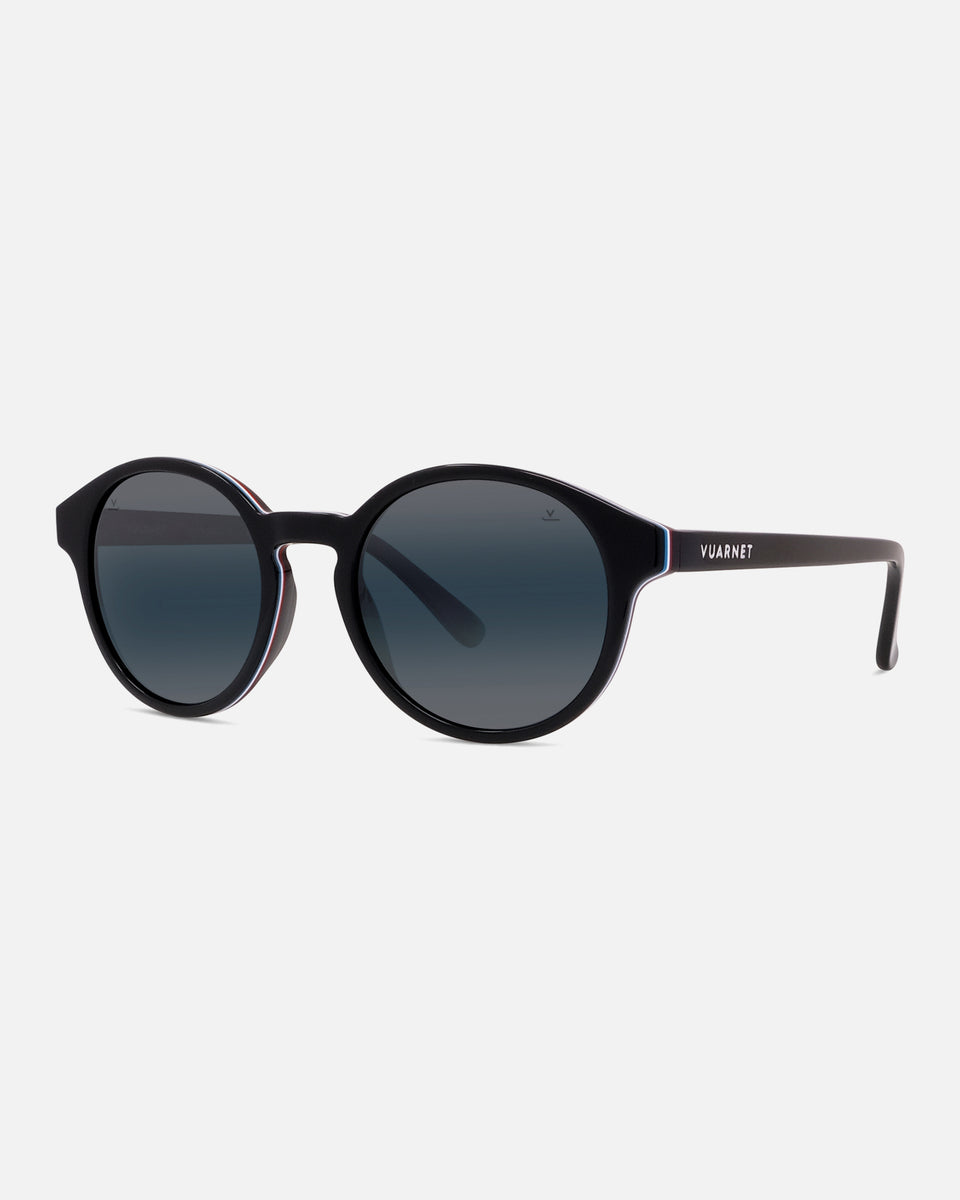
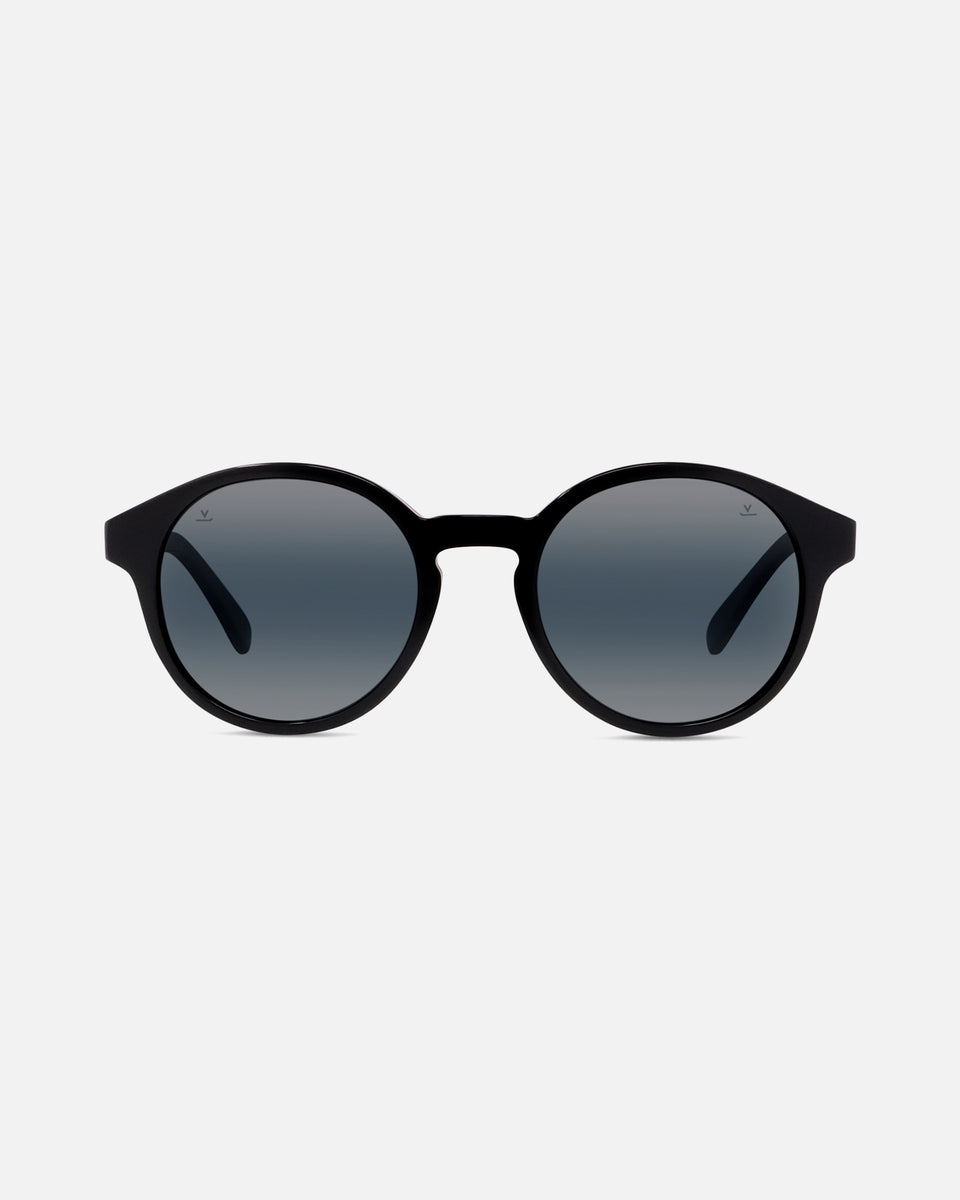
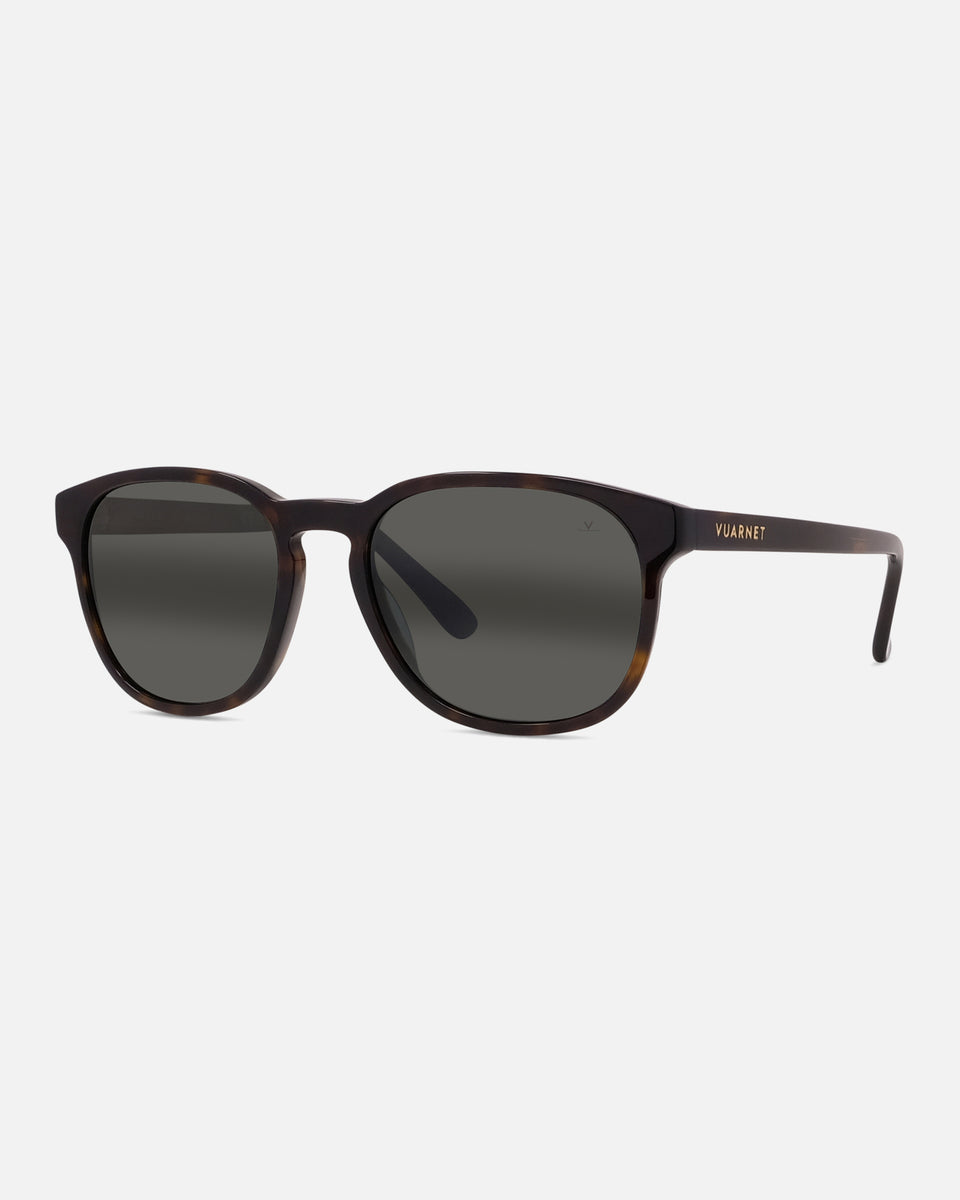
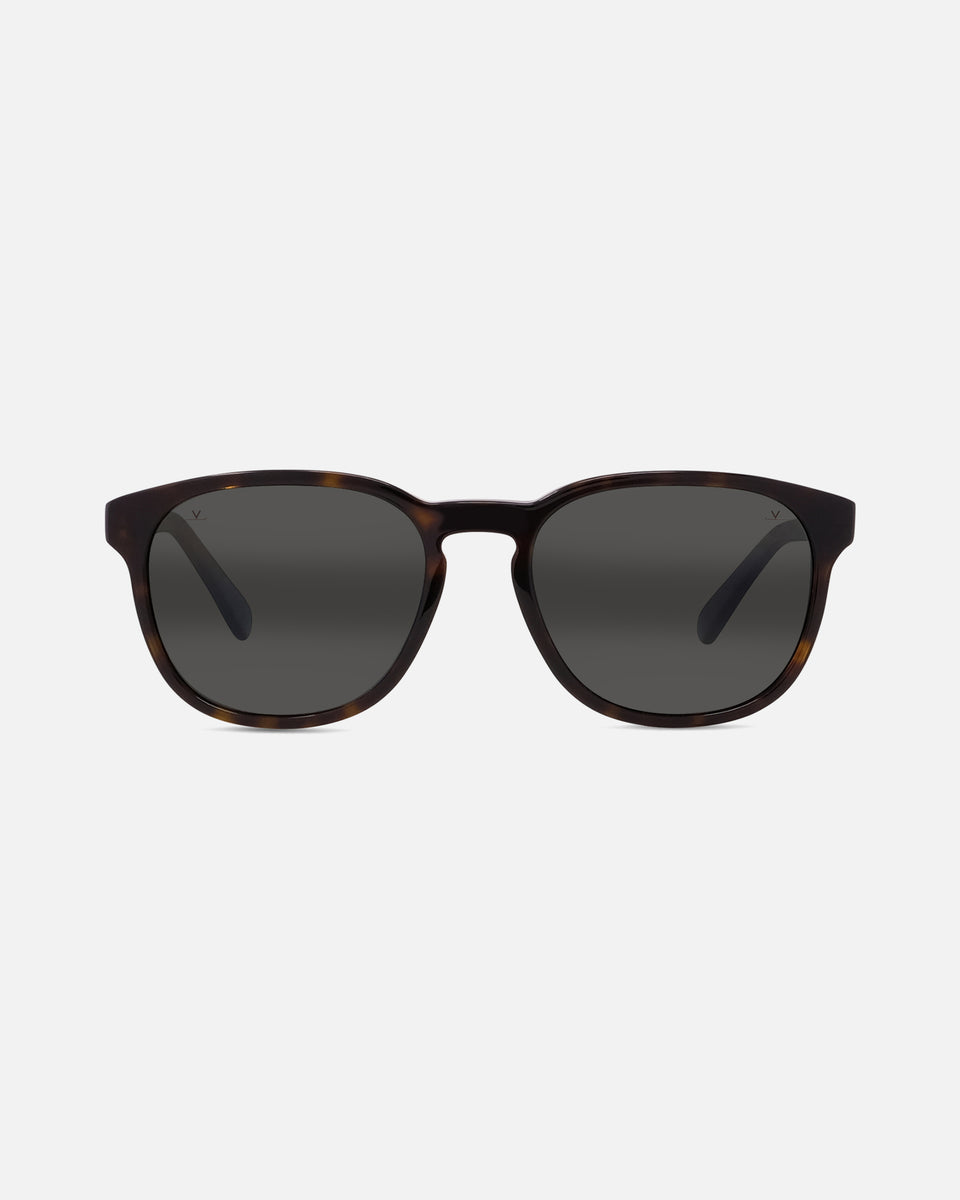
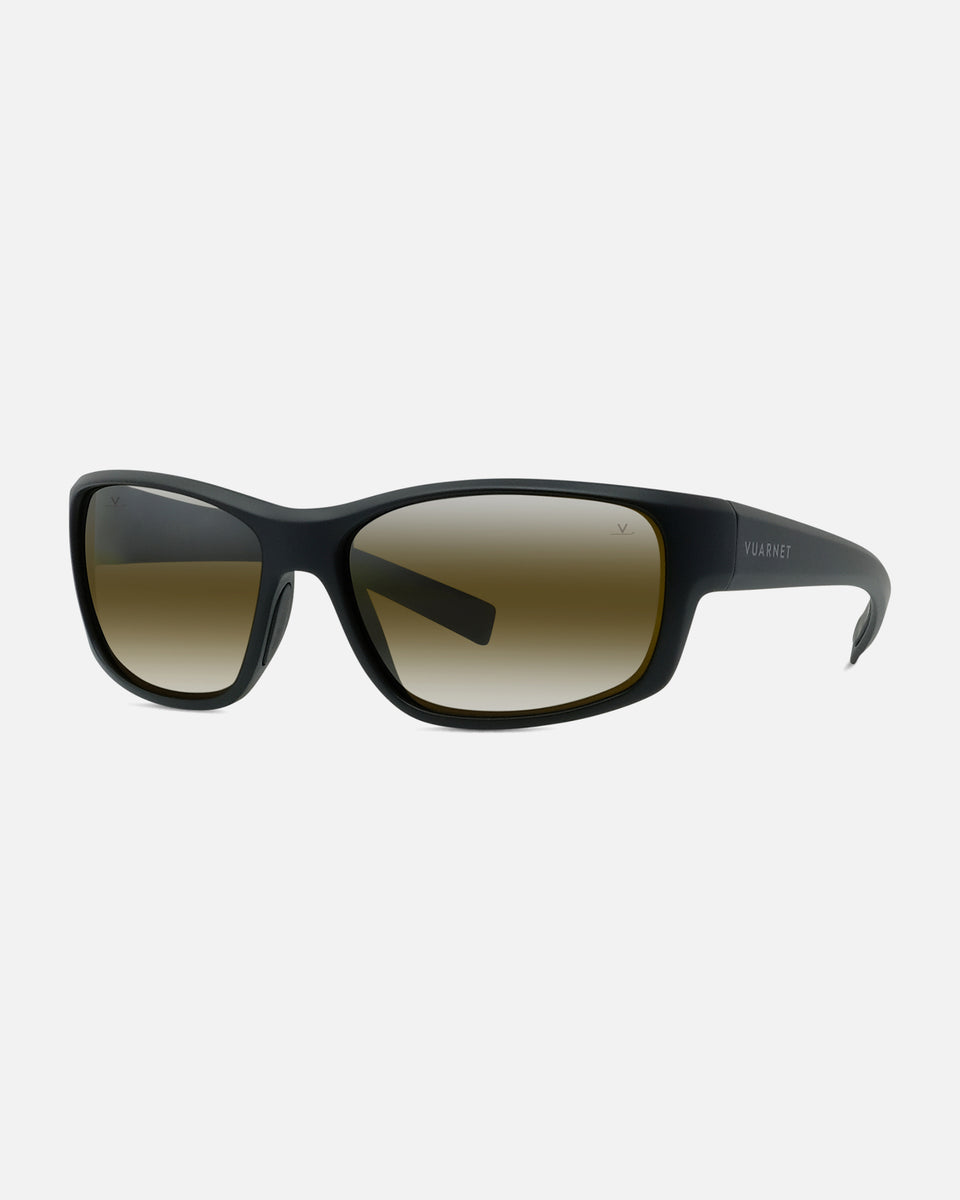
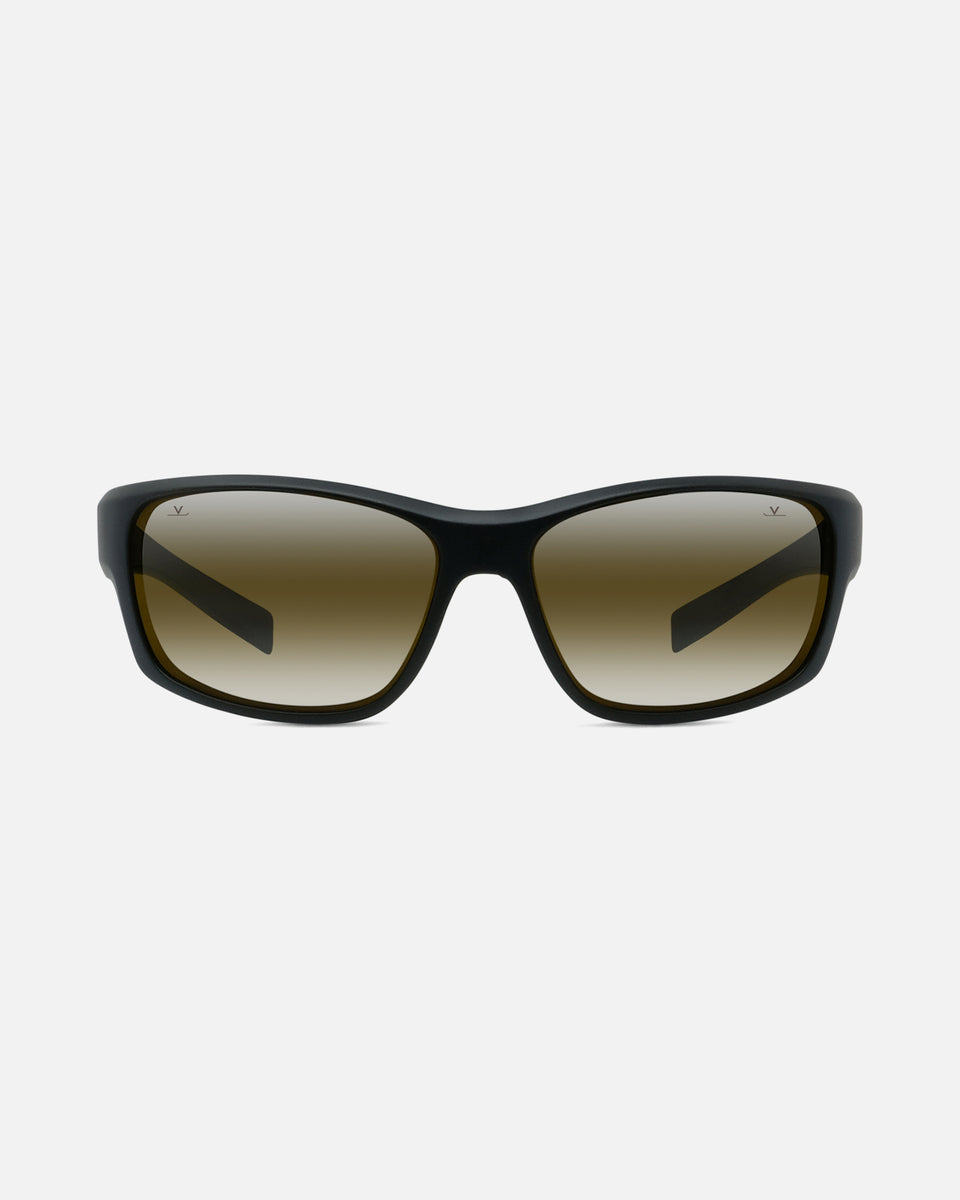
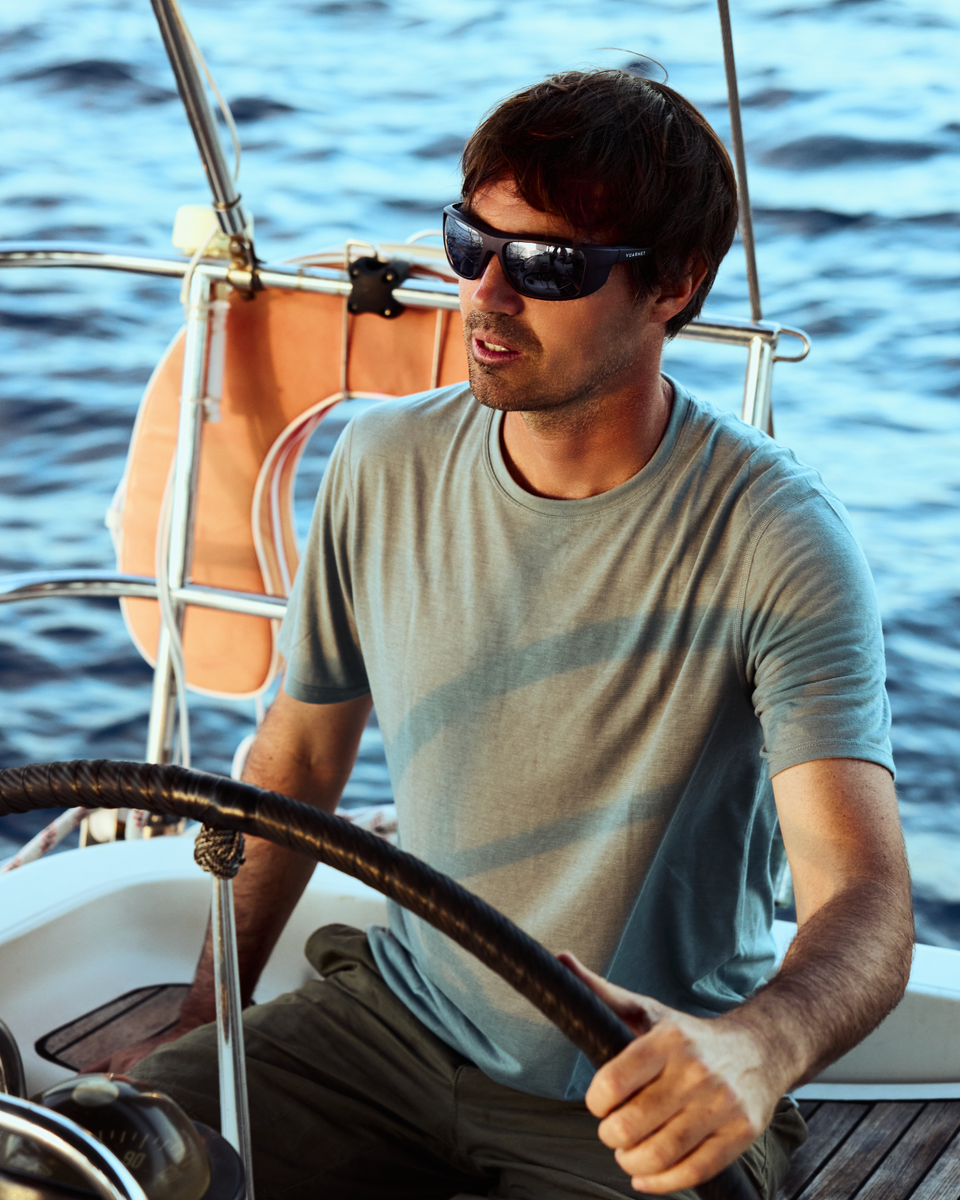
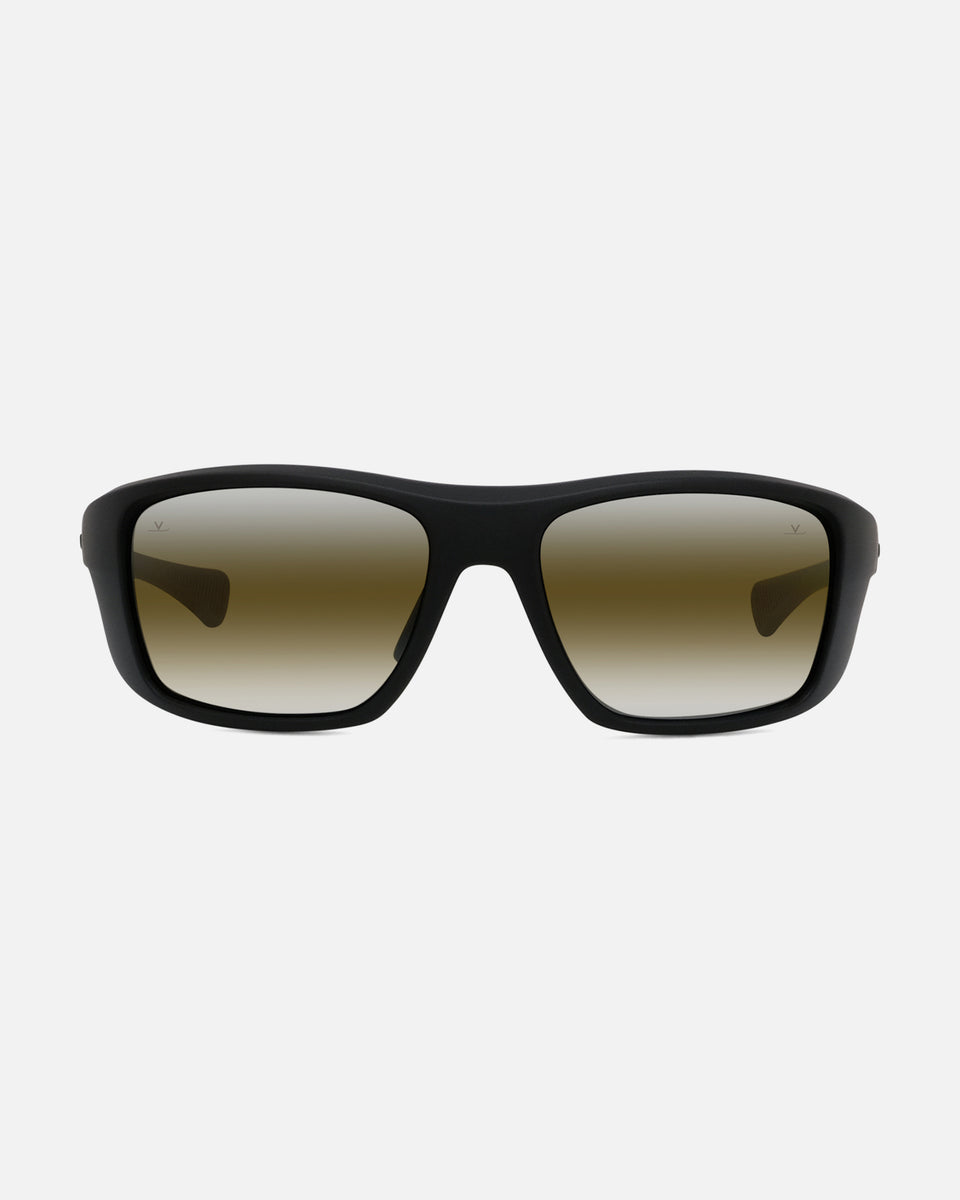
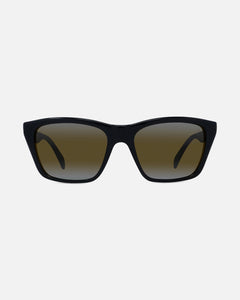
Men’s models combine classic and contemporary silhouettes with lens technologies suited to road use. A well-chosen frame should remain comfortable without restricting peripheral vision.
Women’s driving sunglasses
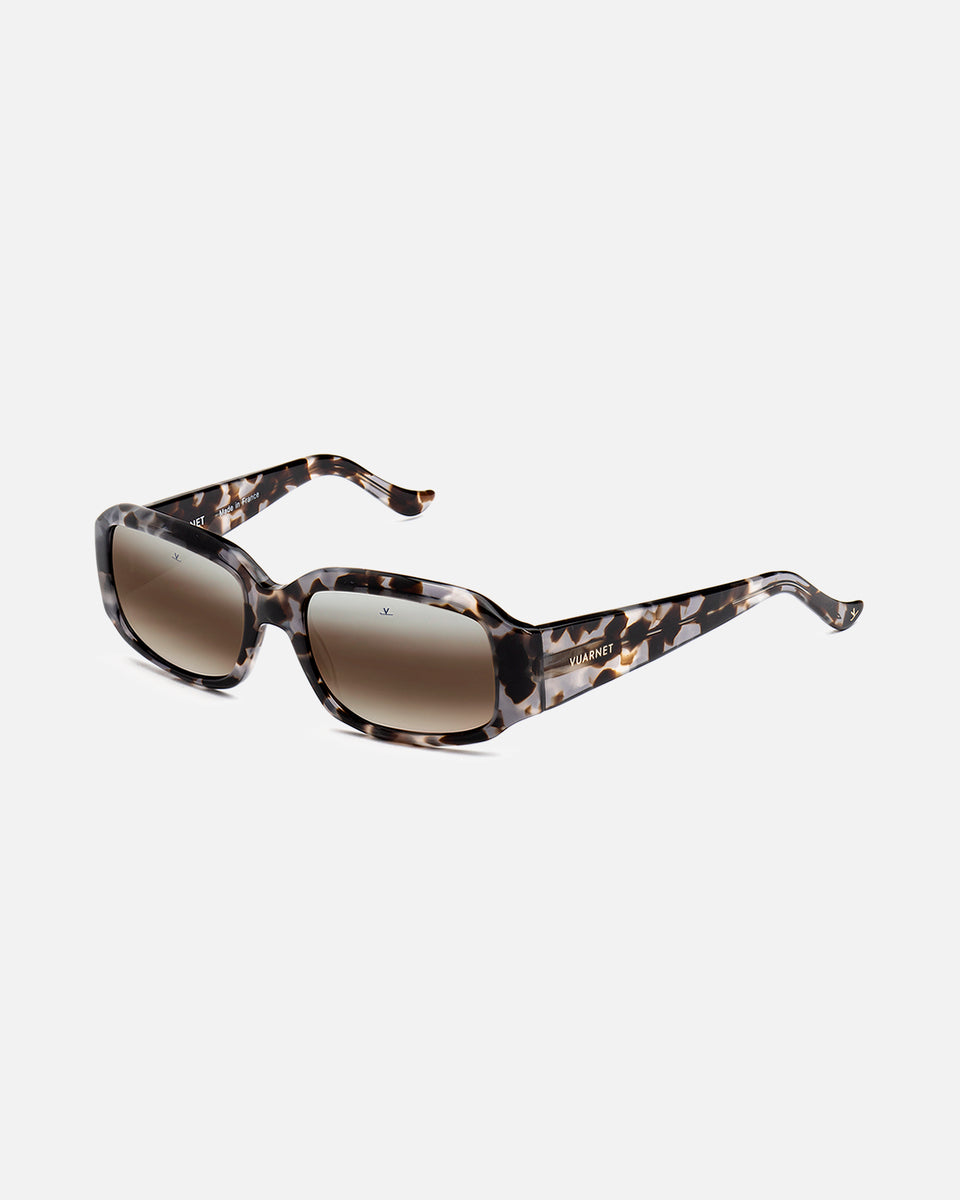
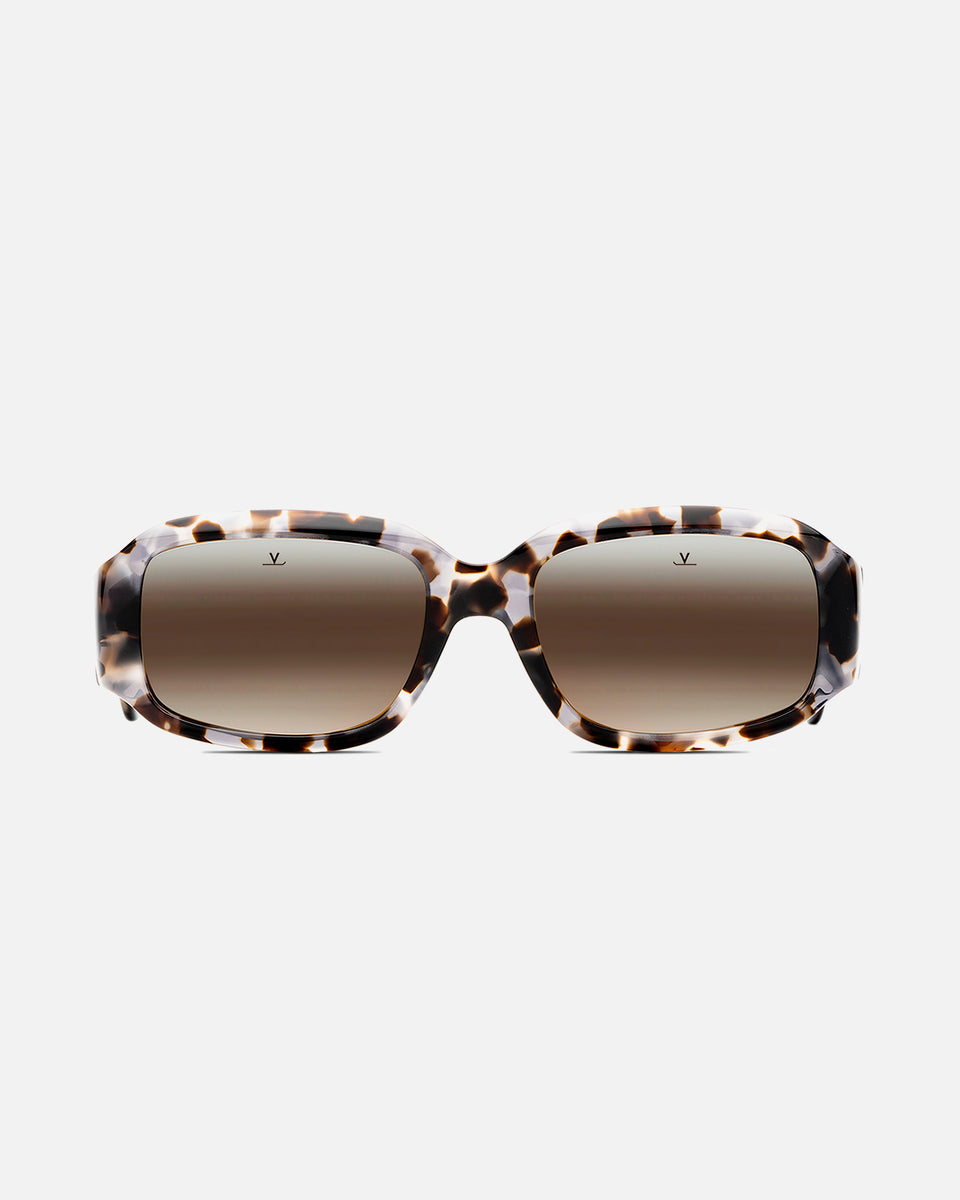
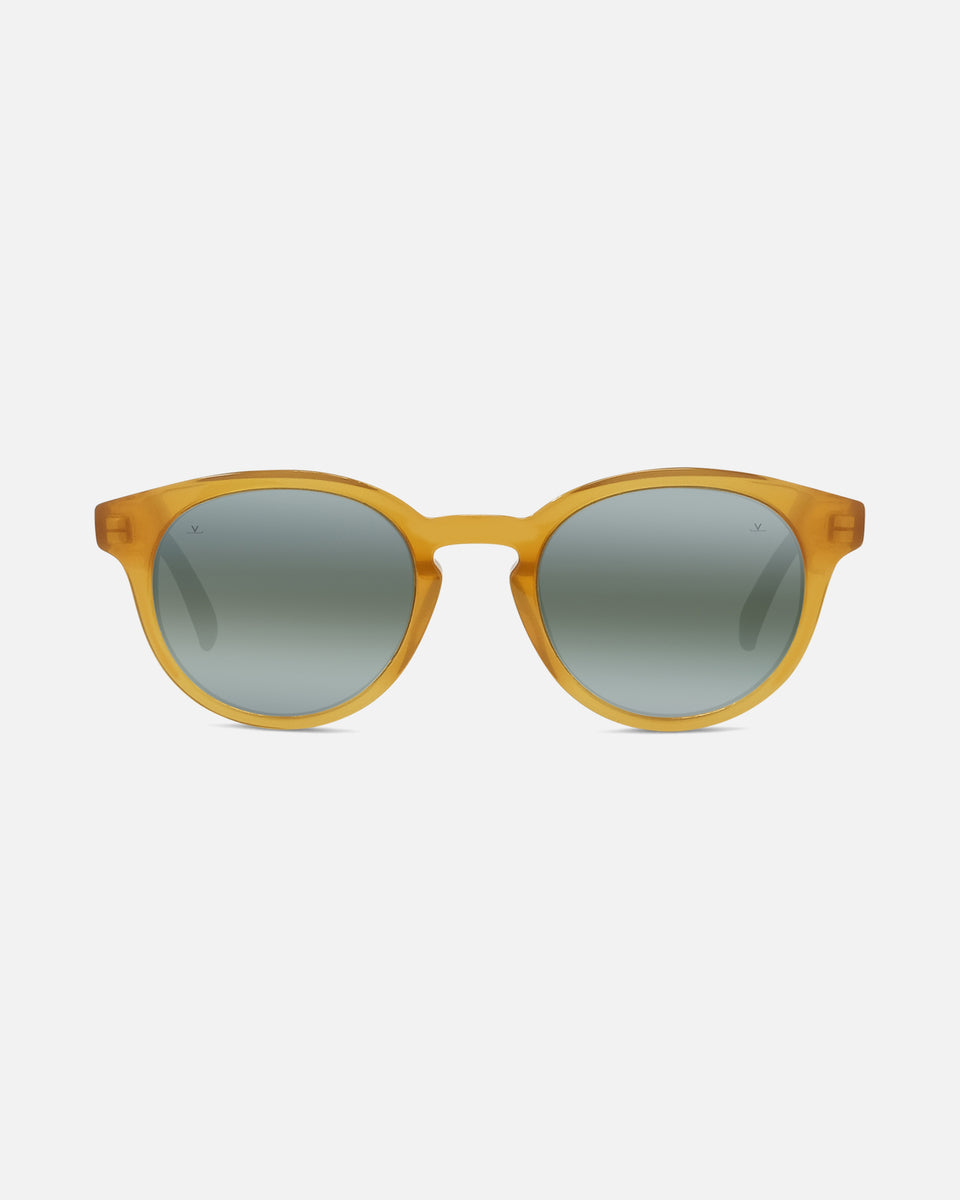
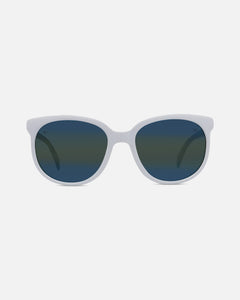
Women’s driving sunglasses combine visual comfort, optical precision and varied frame geometries for daily commutes and longer journeys alike.
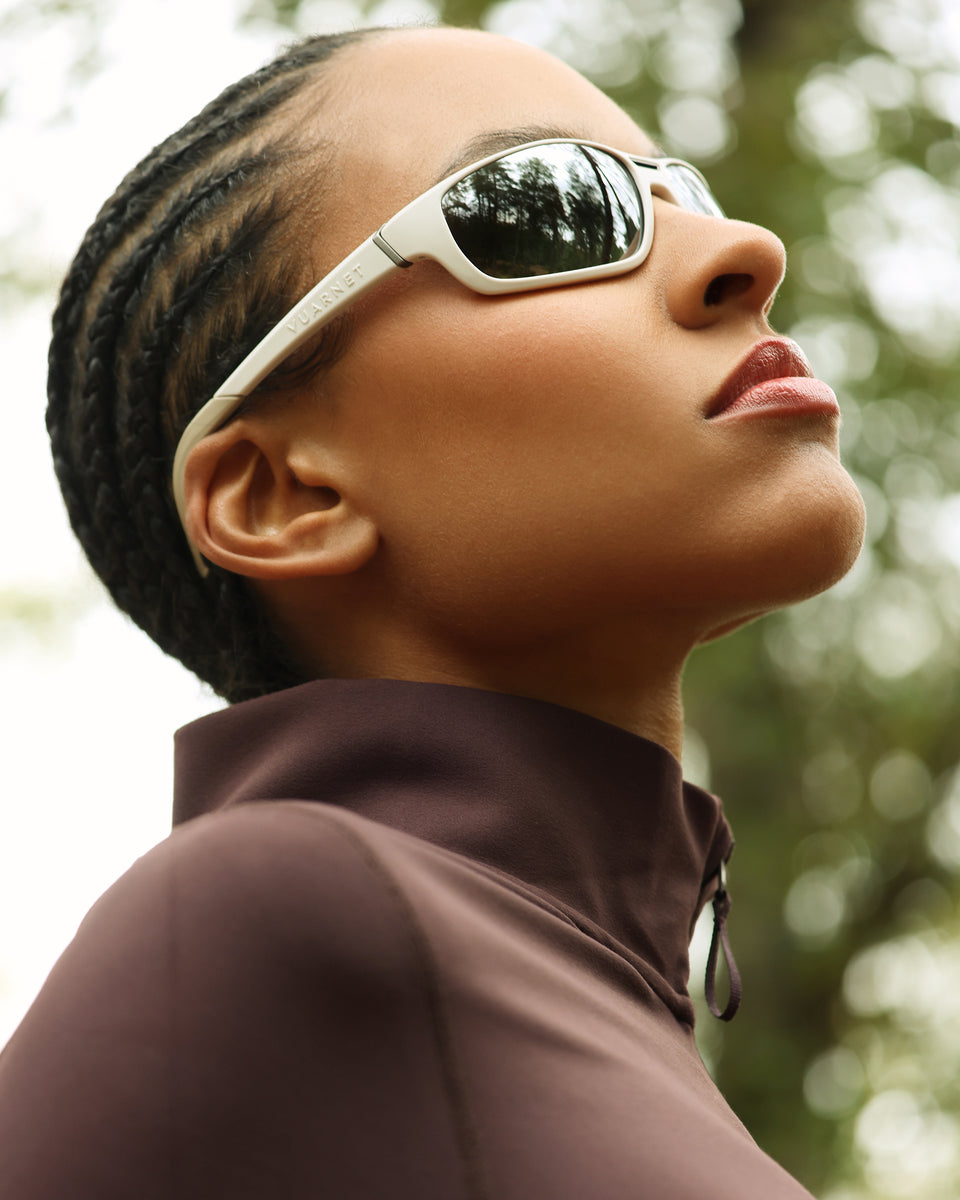
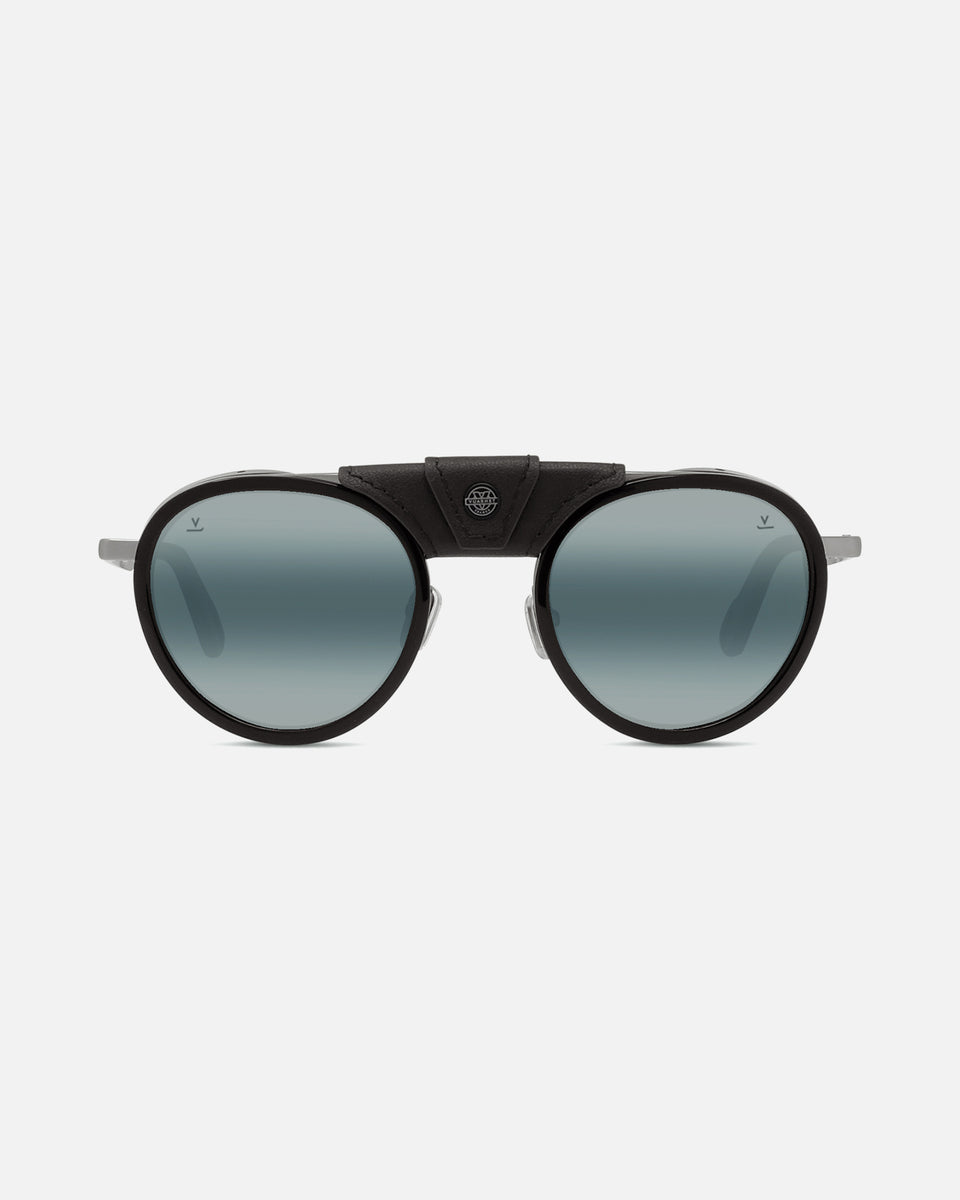
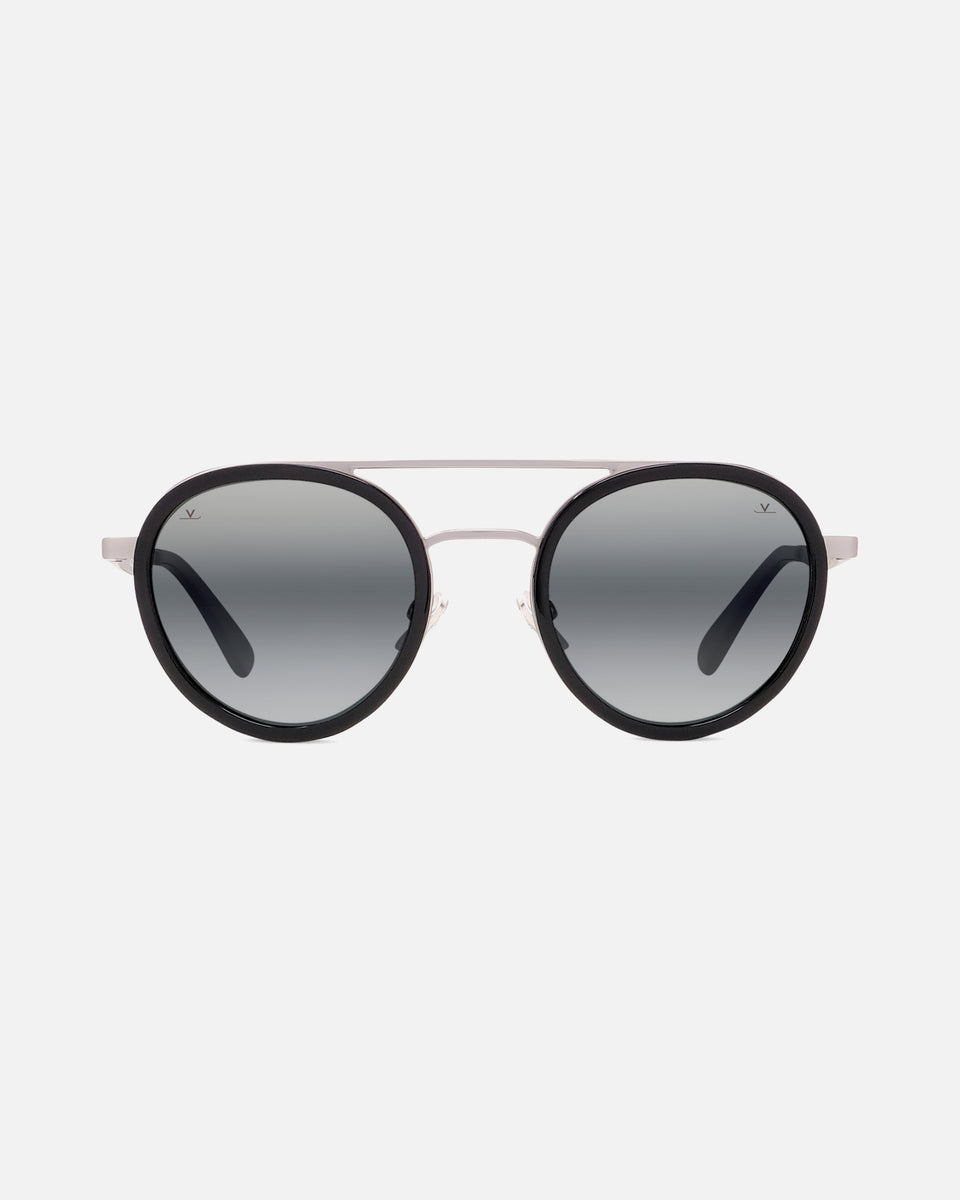
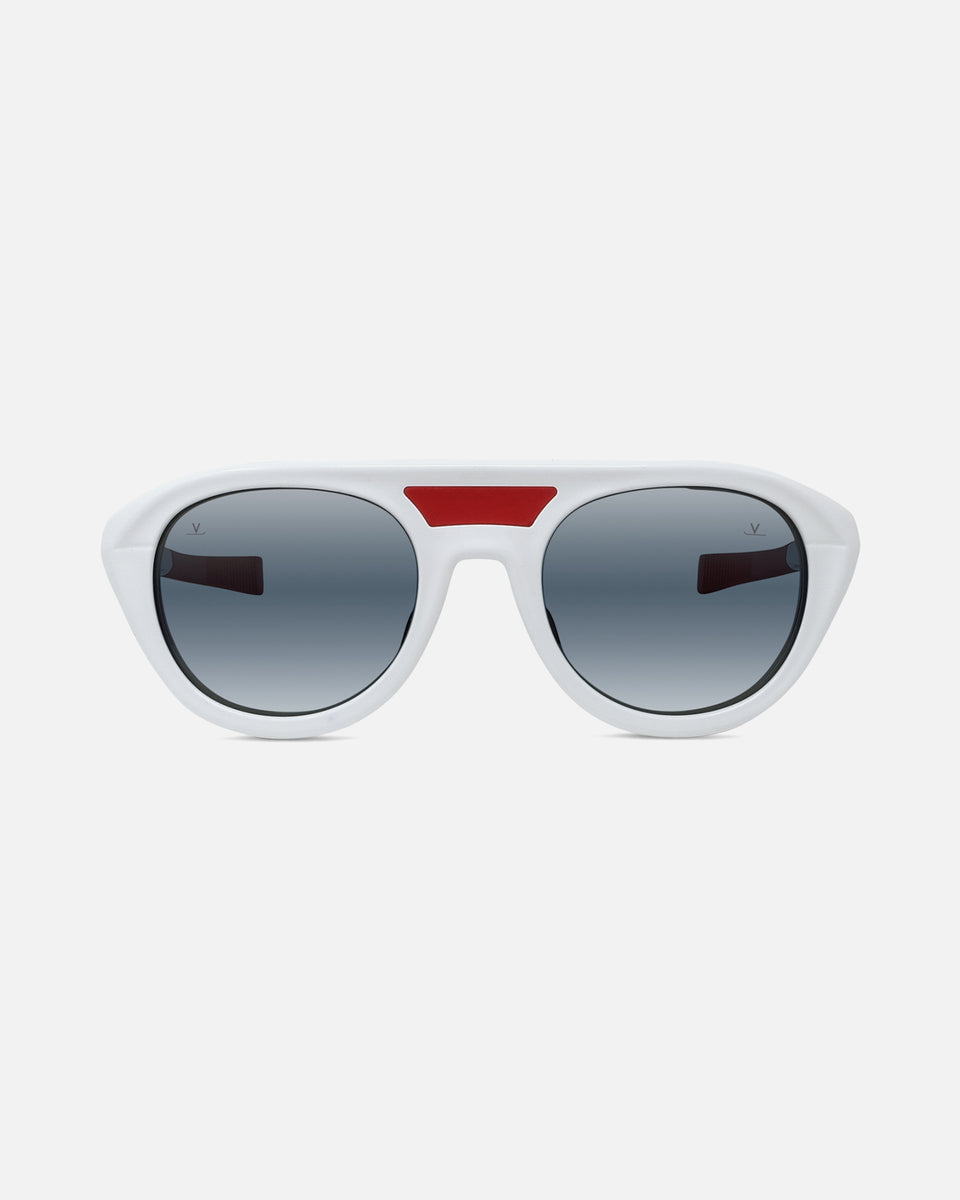
Pilot frames offer a broad lens area and a wide field of vision. Certain wrap-around frames further reduce side light, provided that their shape does not obstruct peripheral vision. For a better fit, consult an authorised optician.
UV exposure inside the car
Automotive glass reduces part of the ultraviolet radiation reaching the driver, but the level of filtration varies according to the type of glass, treatment and vehicle. Drivers can still be exposed to UV, especially through side windows.
All Vuarnet sun lenses provide 100% UV protection. Infrared filtration varies by lens technology; refer to the specifications of each lens before choosing your pair.
Mineral lenses made in France, designed to last
Vuarnet mineral lenses are made in the manufacture in Meaux, France, through a demanding 17-step process. Each lens carries the engraved V on Ski hallmark that reflects the Maison’s optical expertise.
Discover Vuarnet’s heritage, built around protection, precision and innovation since 1957.
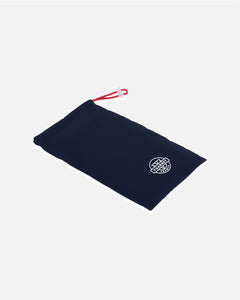
Sunglasses kept in a car can experience frequent handling and major temperature changes. Avoid leaving them on the dashboard or in an overheated interior for long periods. Store them in their protective case when not in use.
Delivery and returns
Delivery and return options vary by country. Please consult Vuarnet’s return policy for the terms that apply to your destination.
Explore more collections
Vuarnet FAQ: driving sunglasses
What are the best sunglasses for driving?
A suitable pair should reduce glare, preserve colour perception and avoid obstructing peripheral vision. Grey polarized lenses are a versatile option for daytime driving, but the best choice depends on the vehicle, the screens you use and the light conditions.
What lens colour is best for driving?
Grey reduces brightness with a neutral colour rendering. Brown enhances contrast and can suit more diffuse light. In every case, the lens category must be appropriate for driving and the level of brightness.
Do polarized lenses affect dashboard screens?
They can make some LCD displays appear darker depending on their technology and your viewing angle. Check the readability of your dashboard and navigation display before relying on the pair for a long journey.
Can I wear sunglasses for night driving?
No. Conventional sunglasses reduce available light and are not suitable for night driving. If you are considering a lens for low light, check its category and whether it is approved for driving.
What is the difference between driving and urban sunglasses?
The two uses overlap considerably. Driving sunglasses place greater emphasis on controlling road glare, preserving colour perception, maintaining peripheral vision and ensuring comfort over long periods.