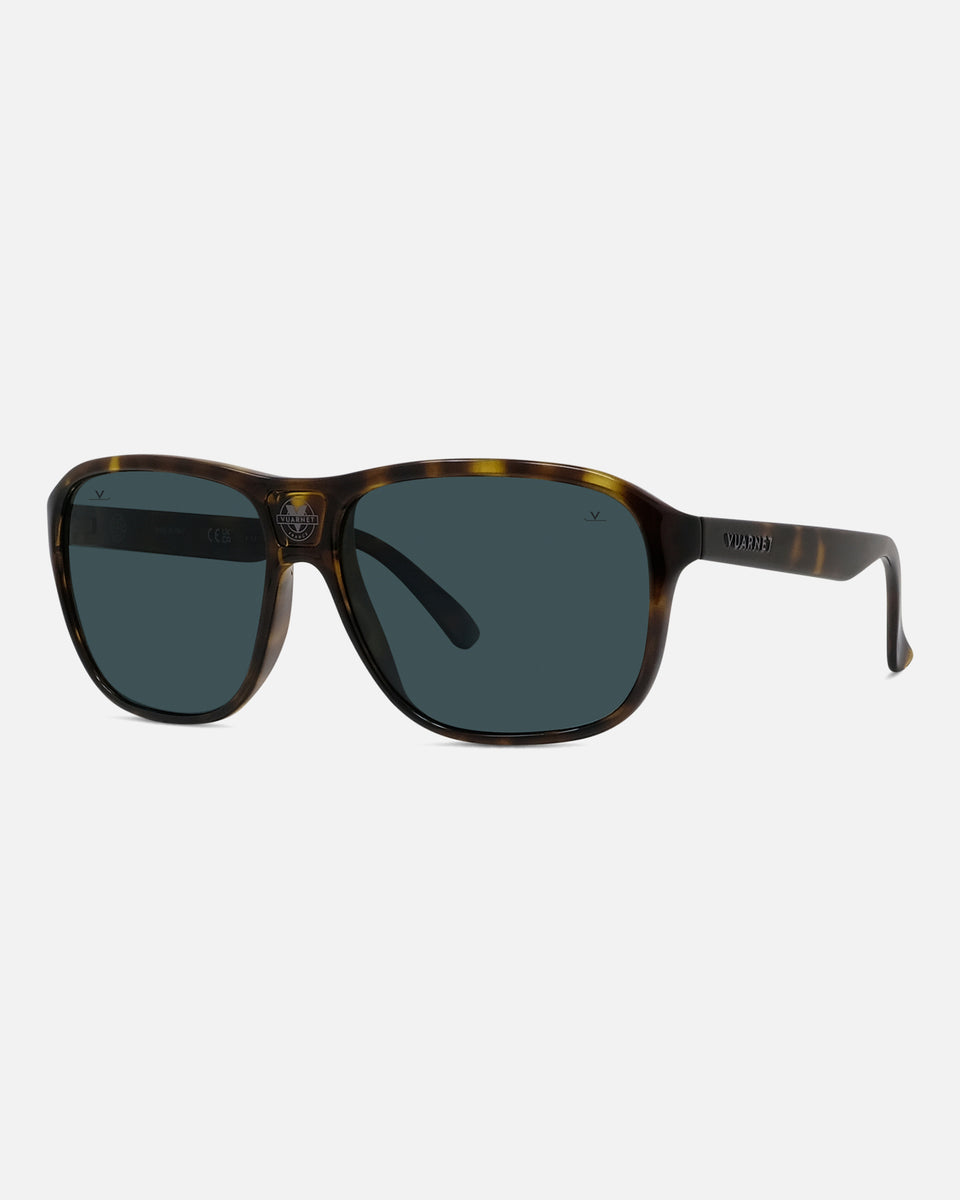
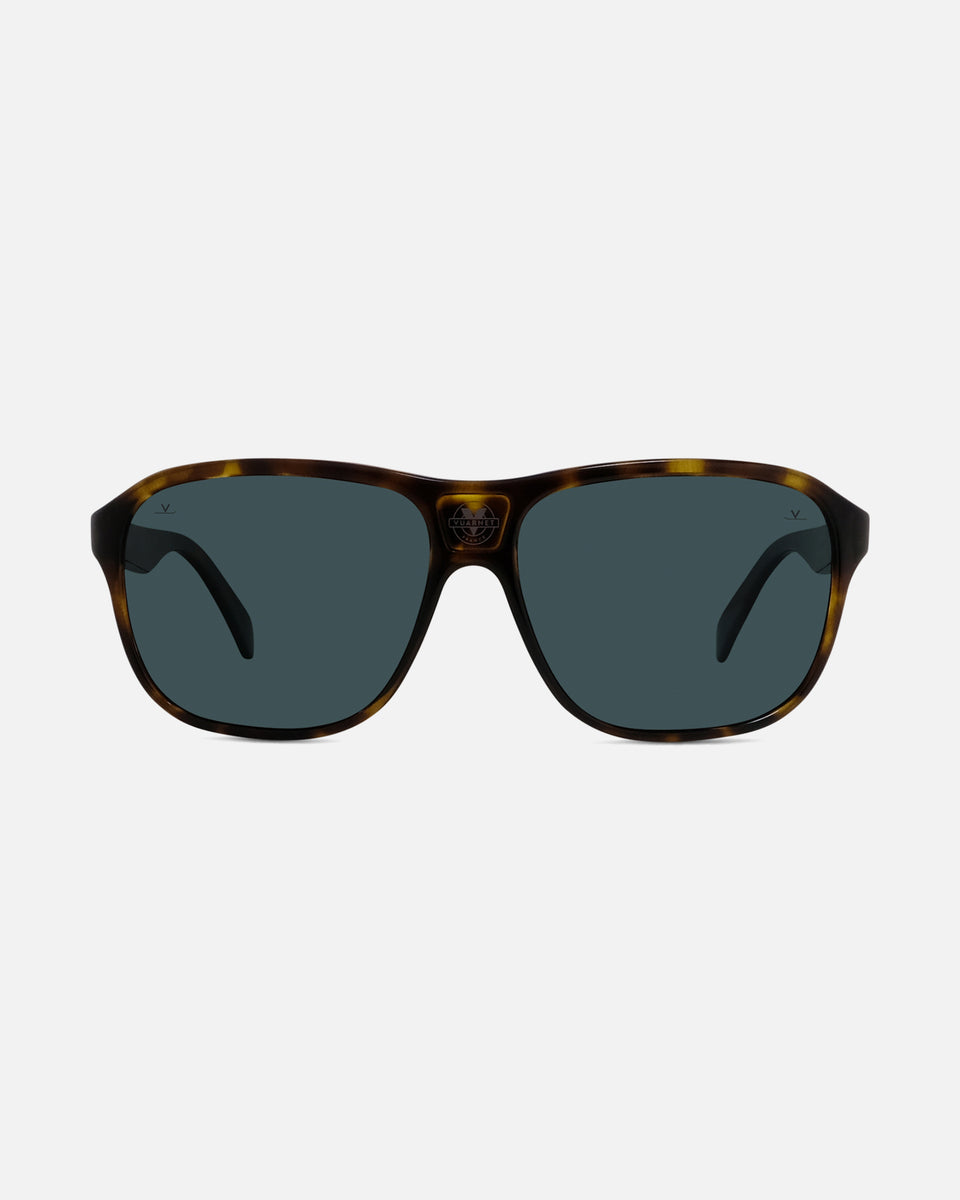
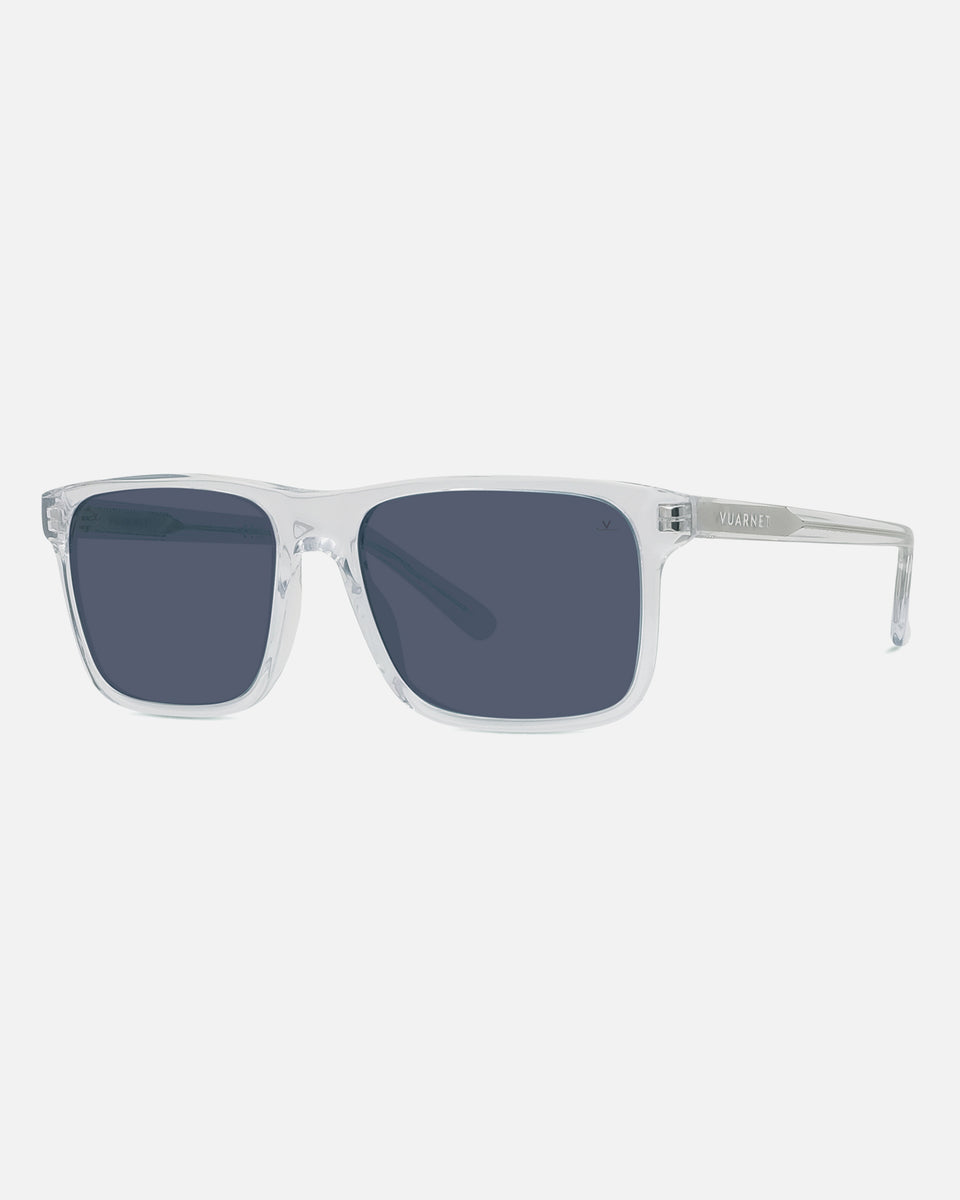
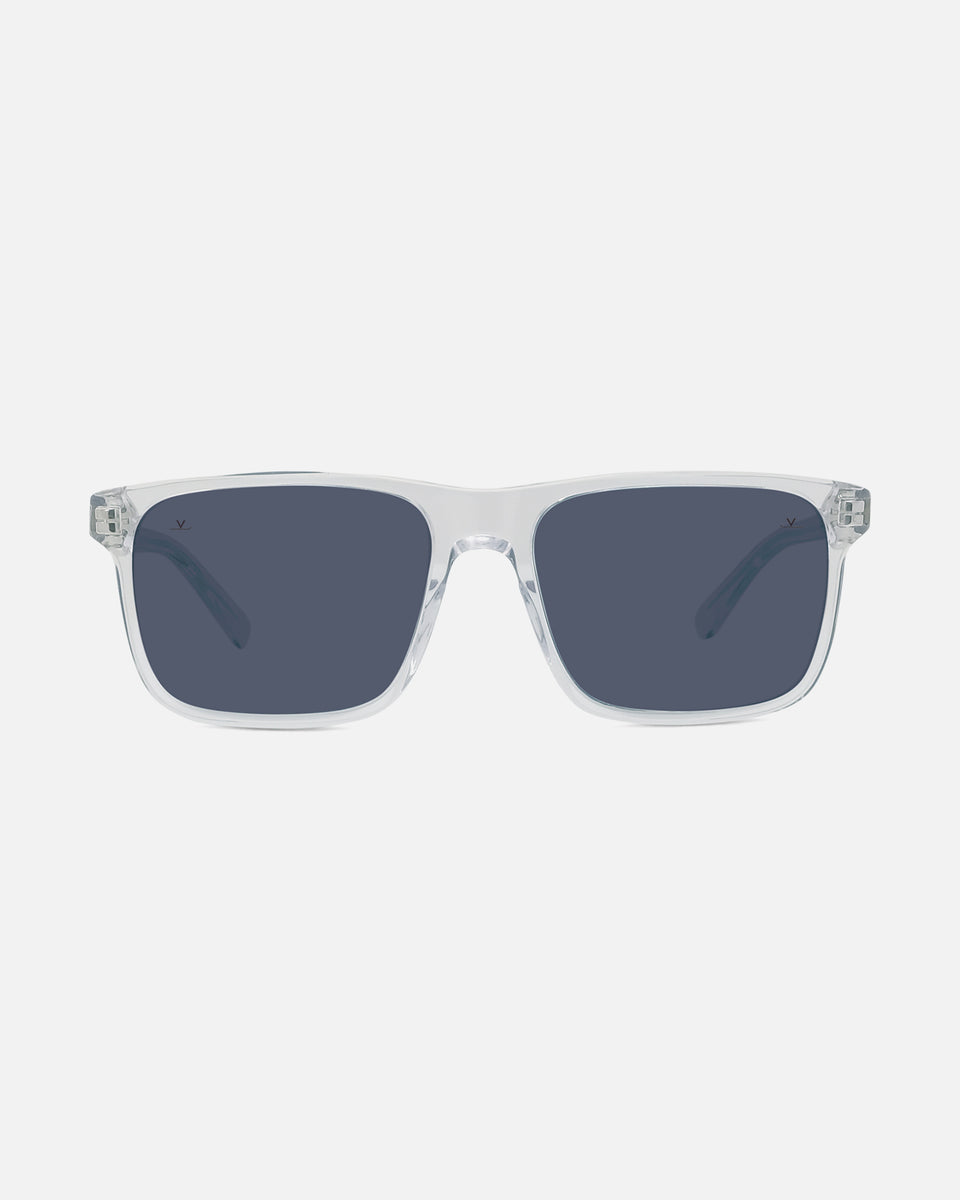
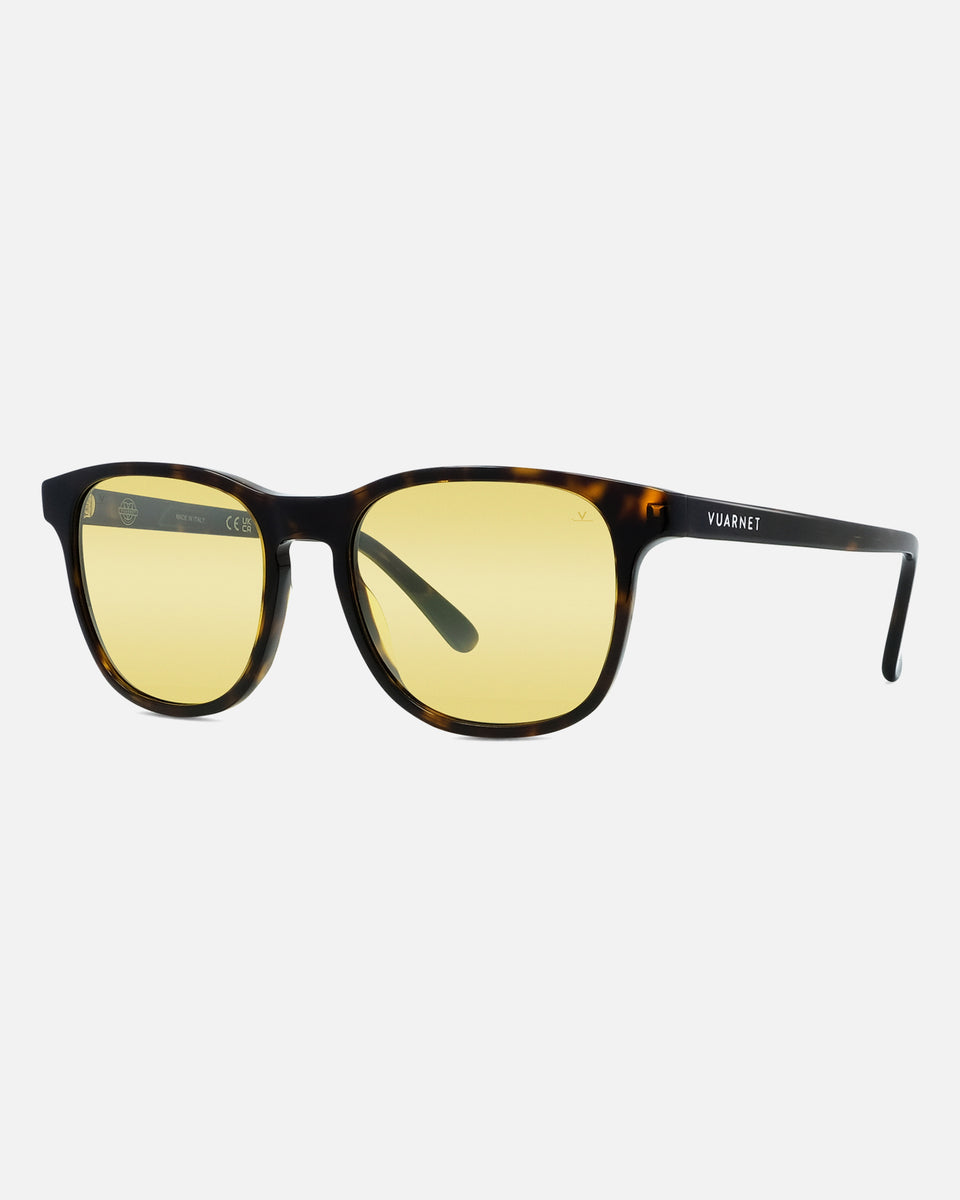
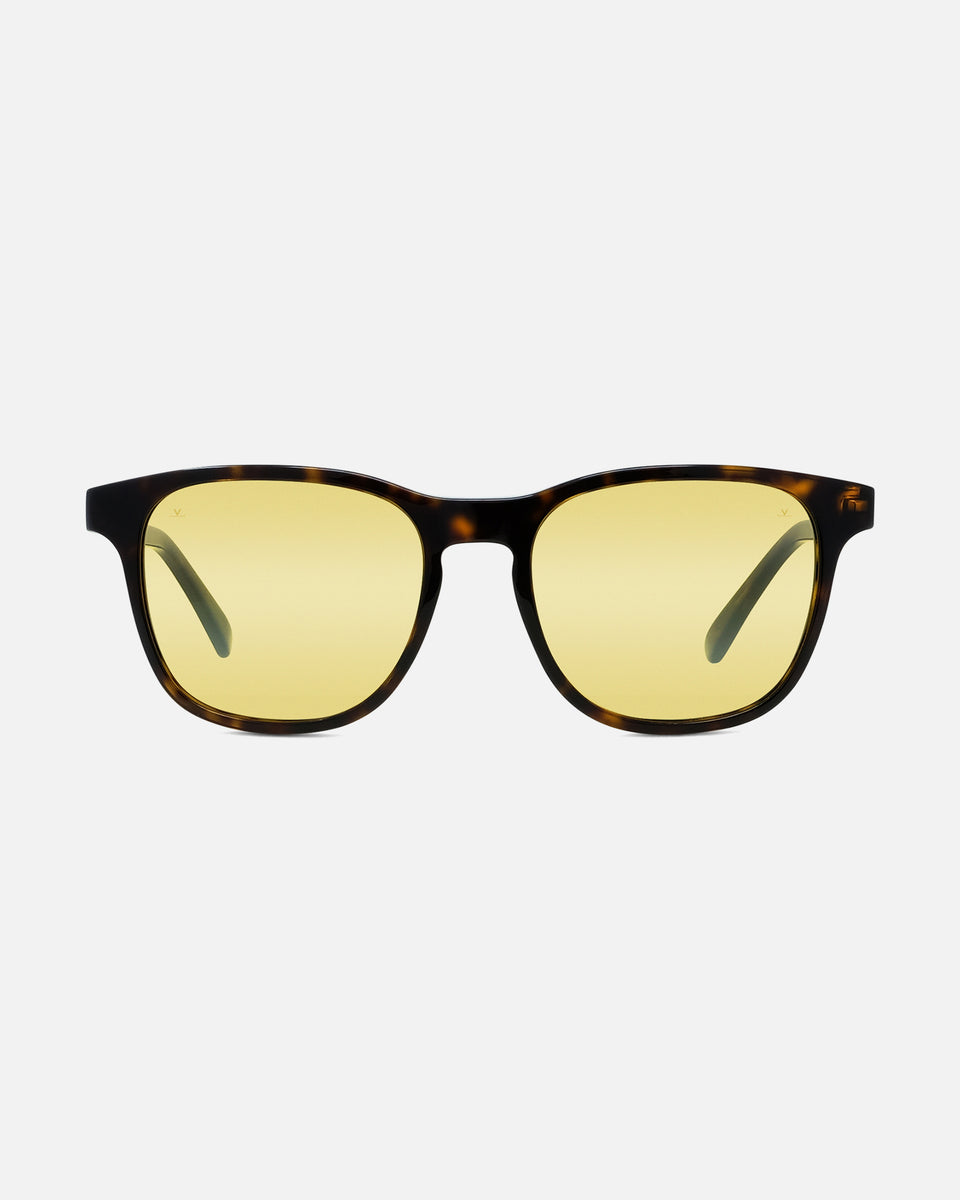
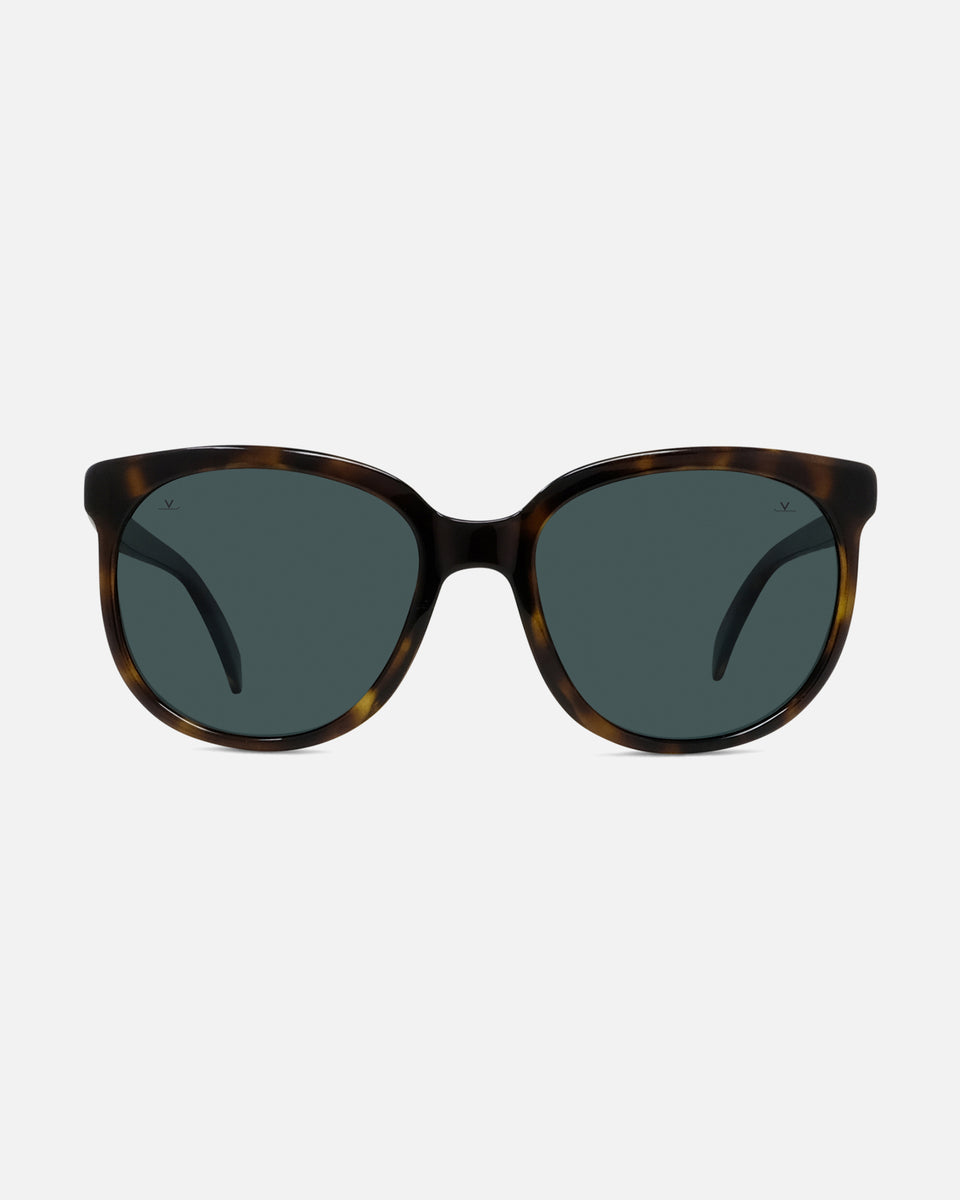
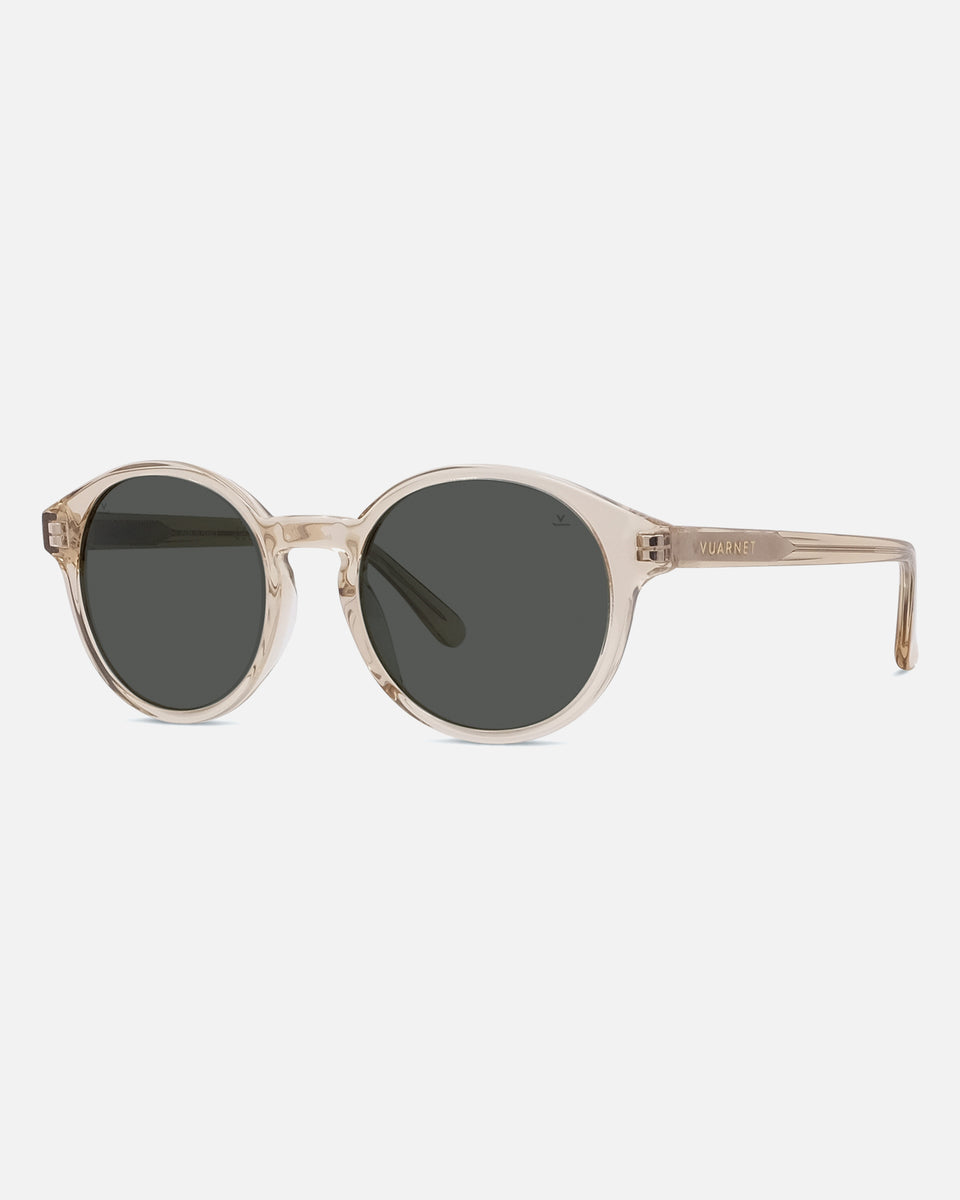
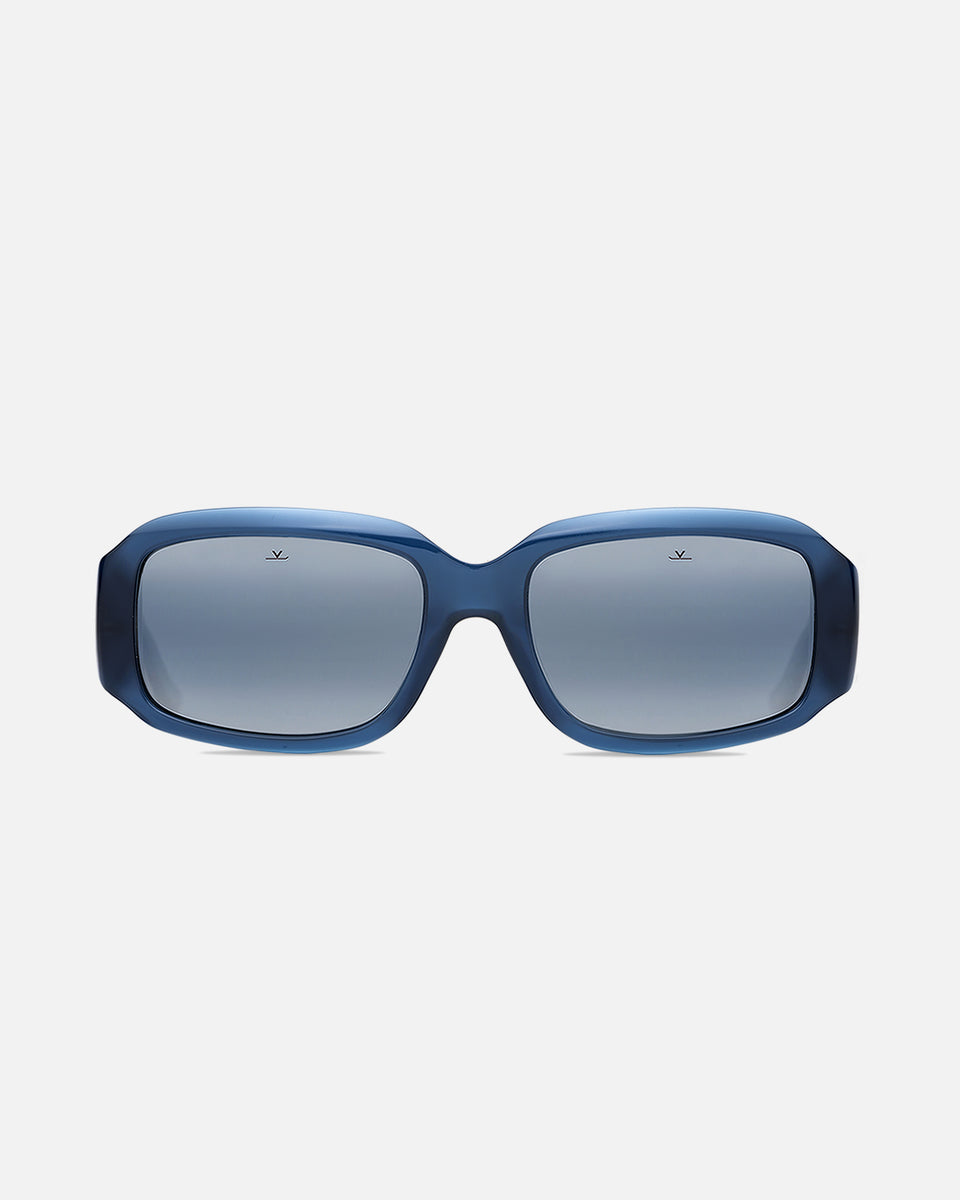
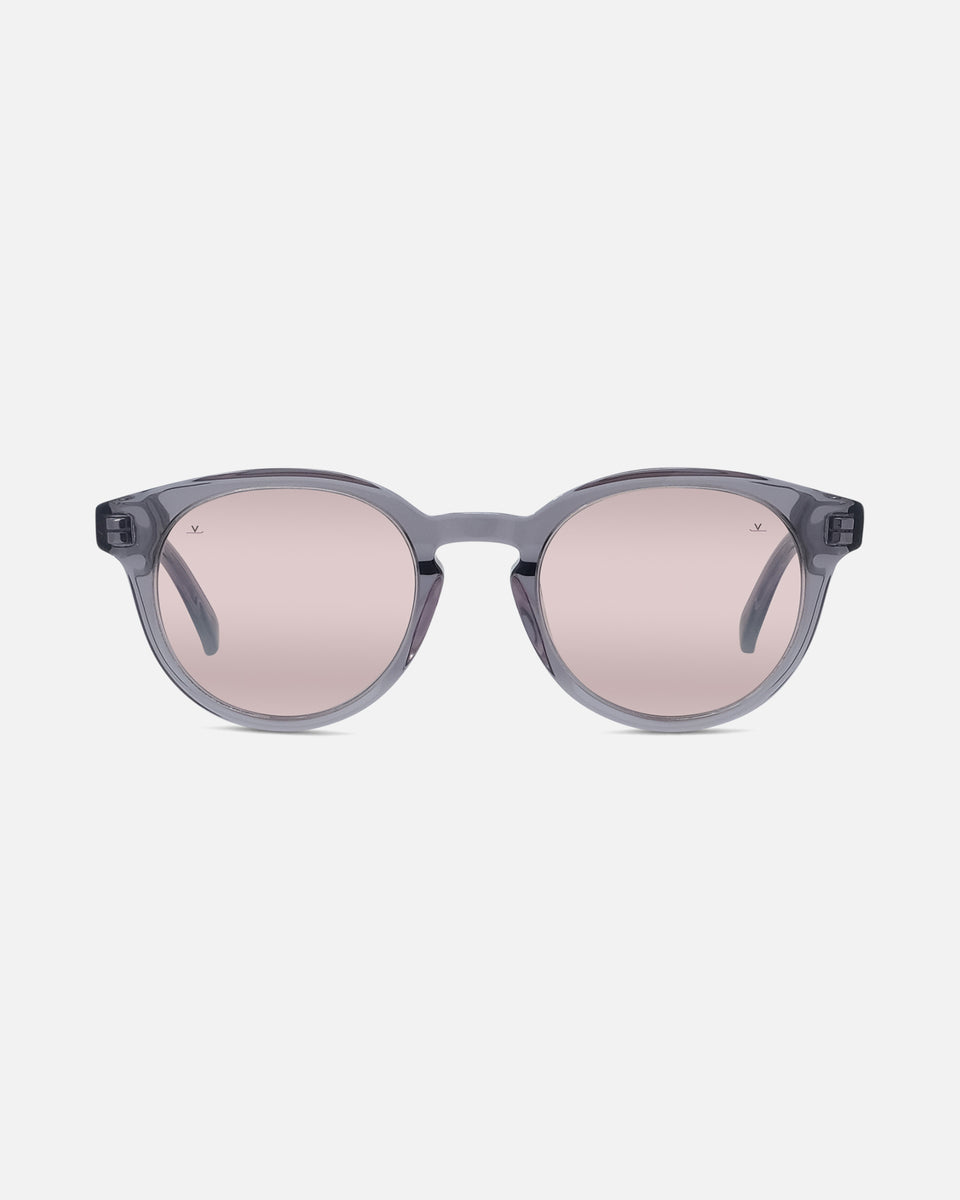
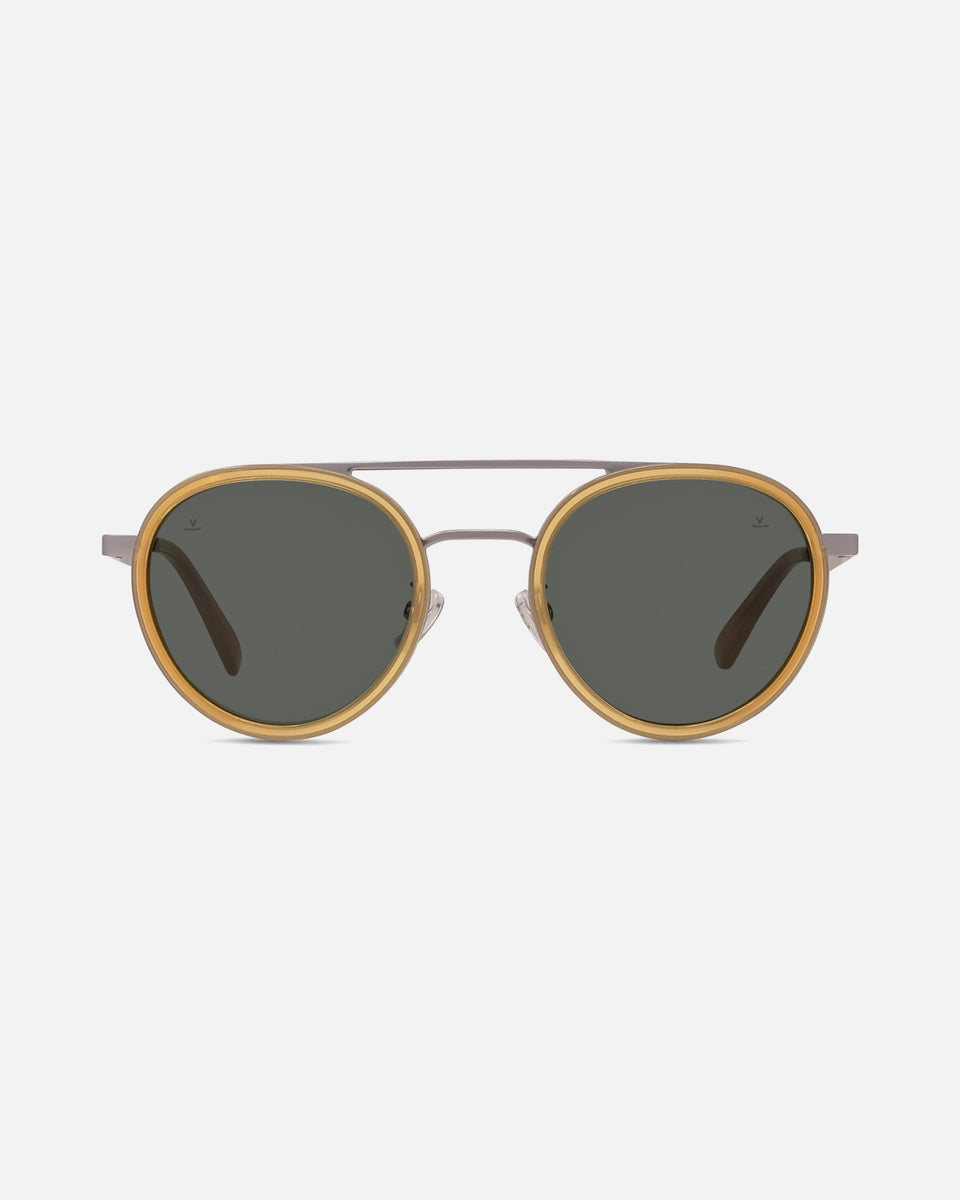
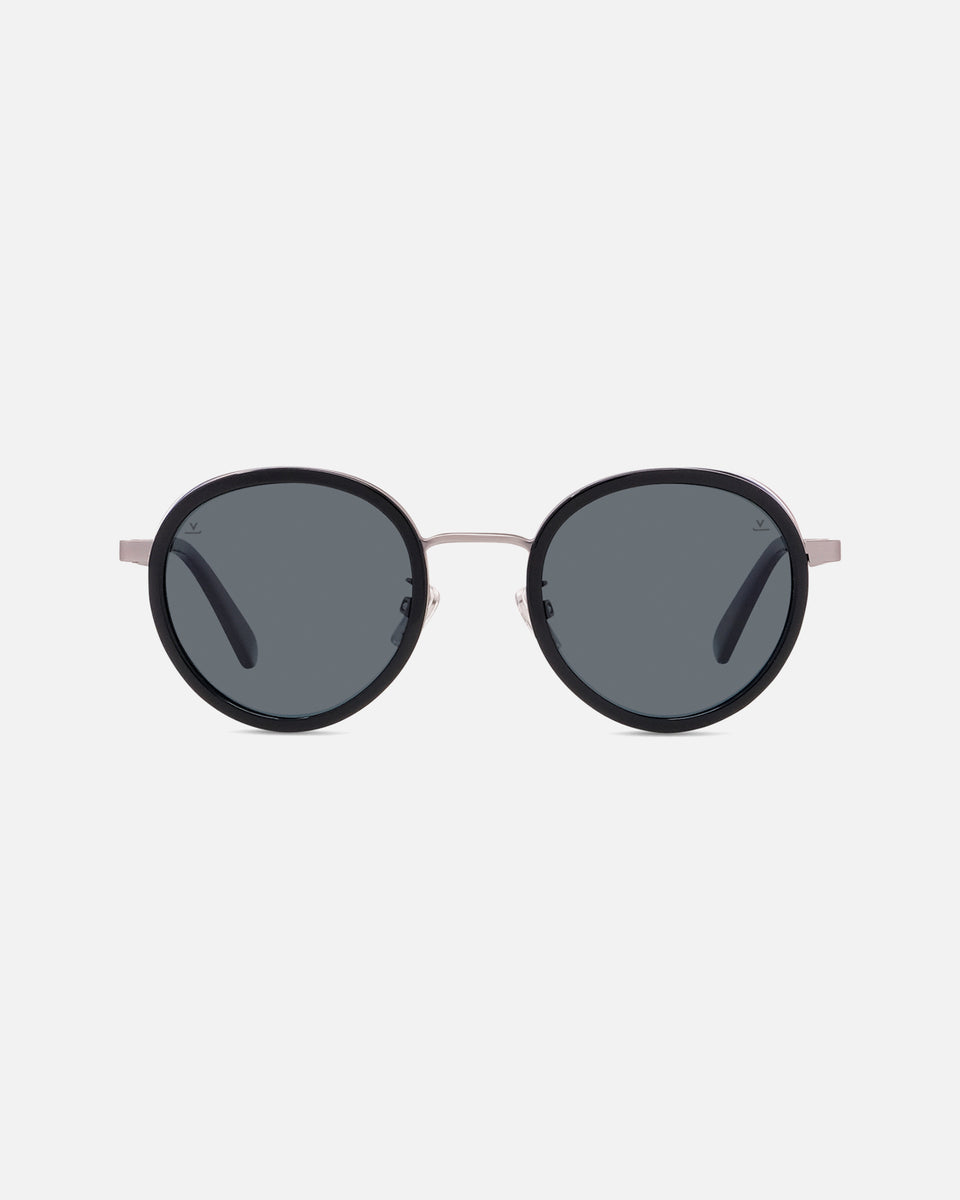
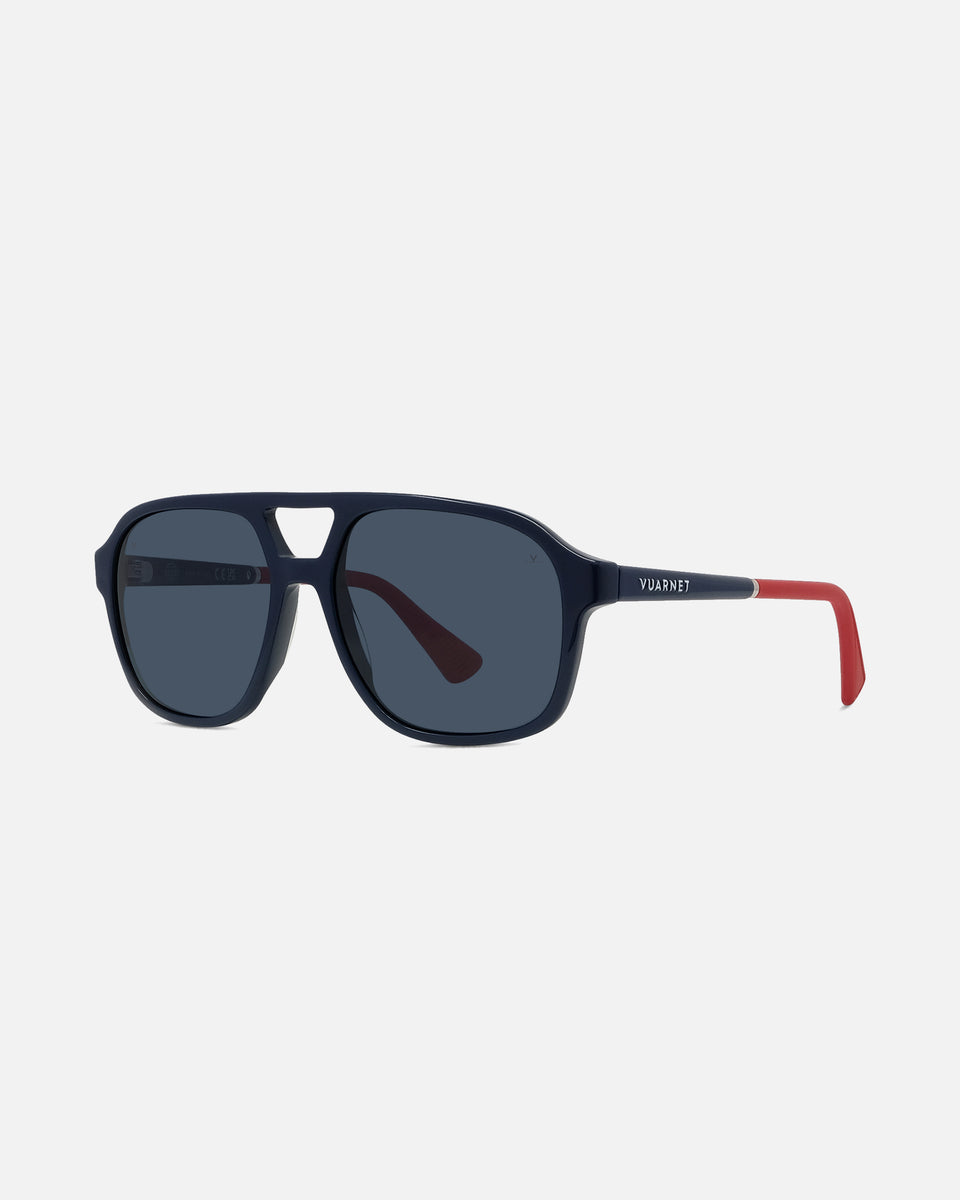
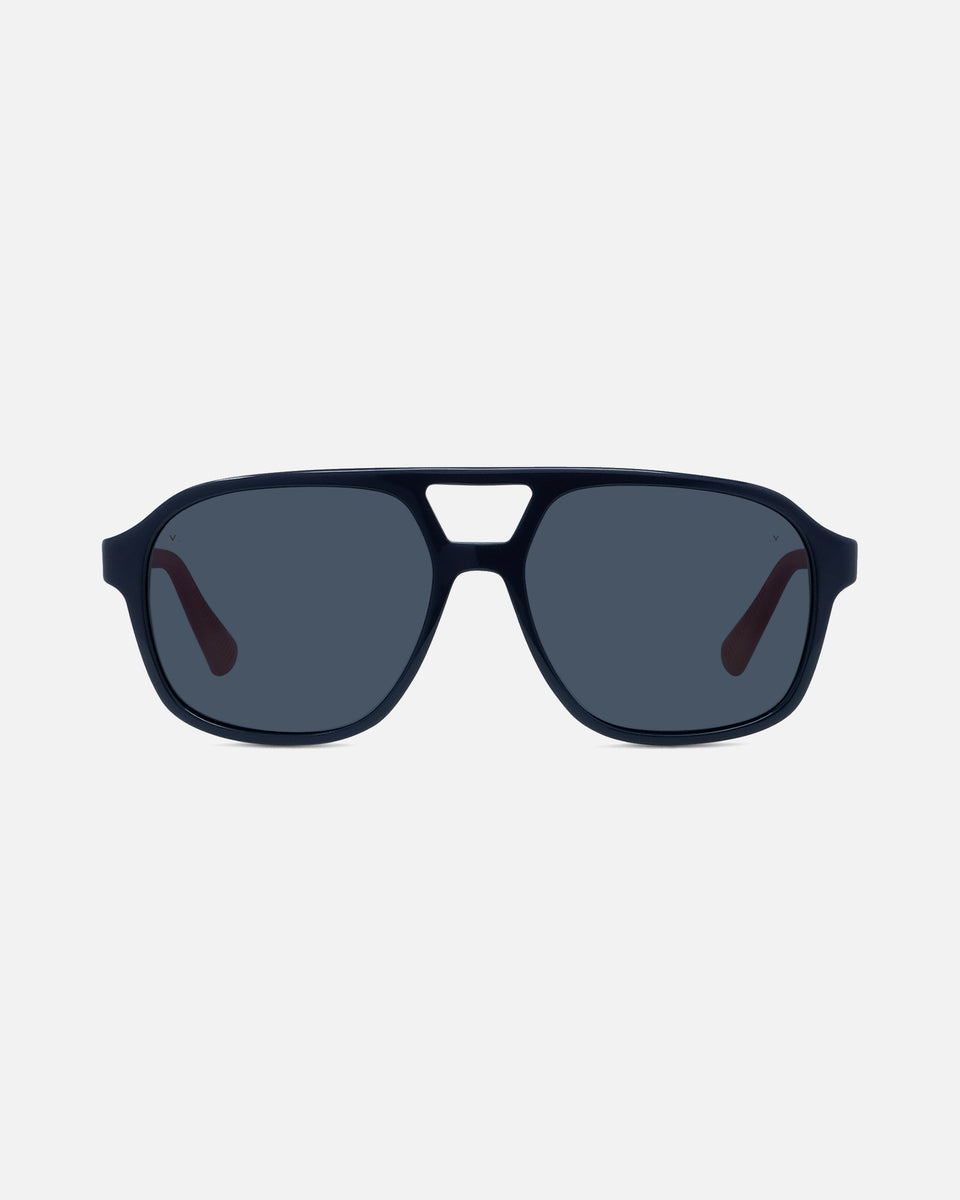
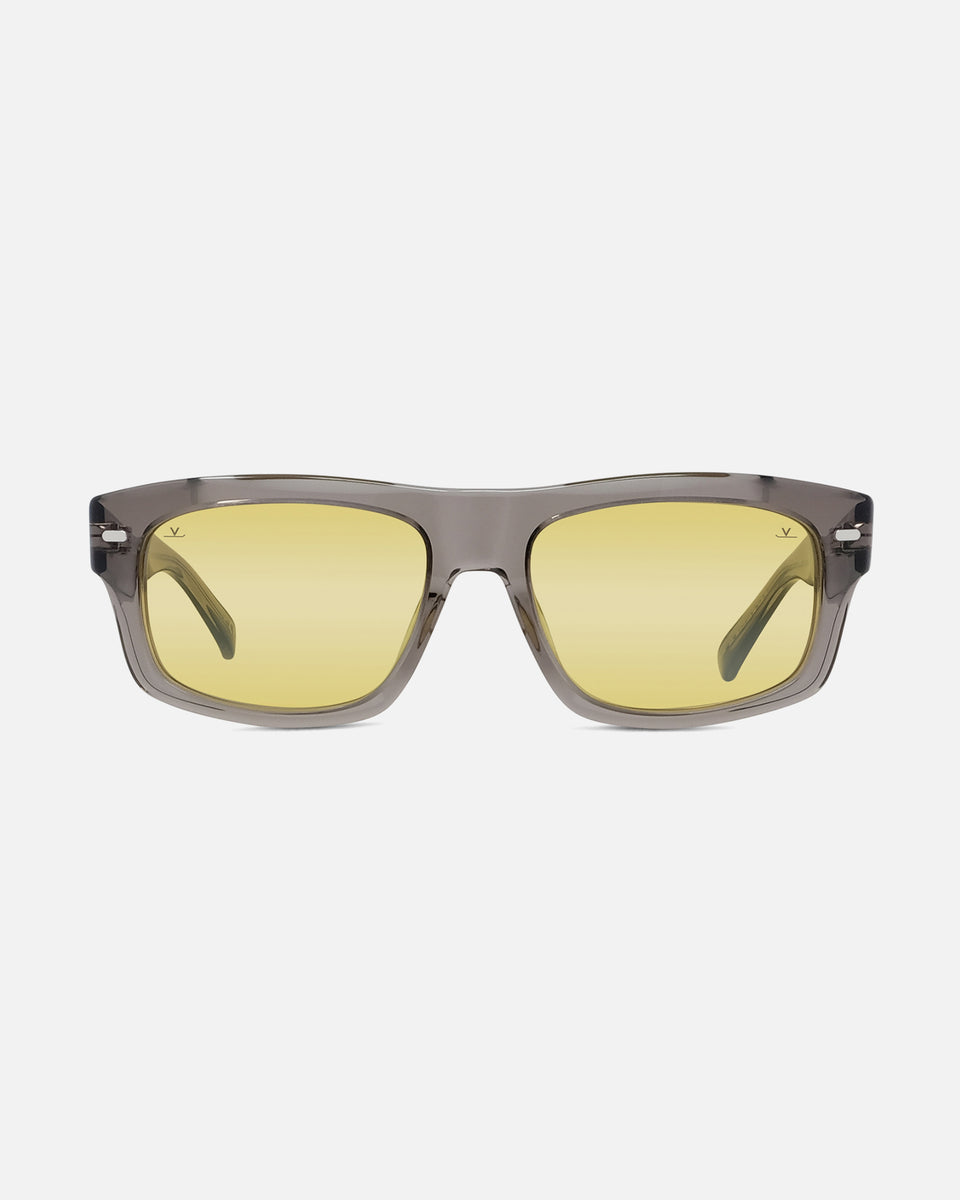
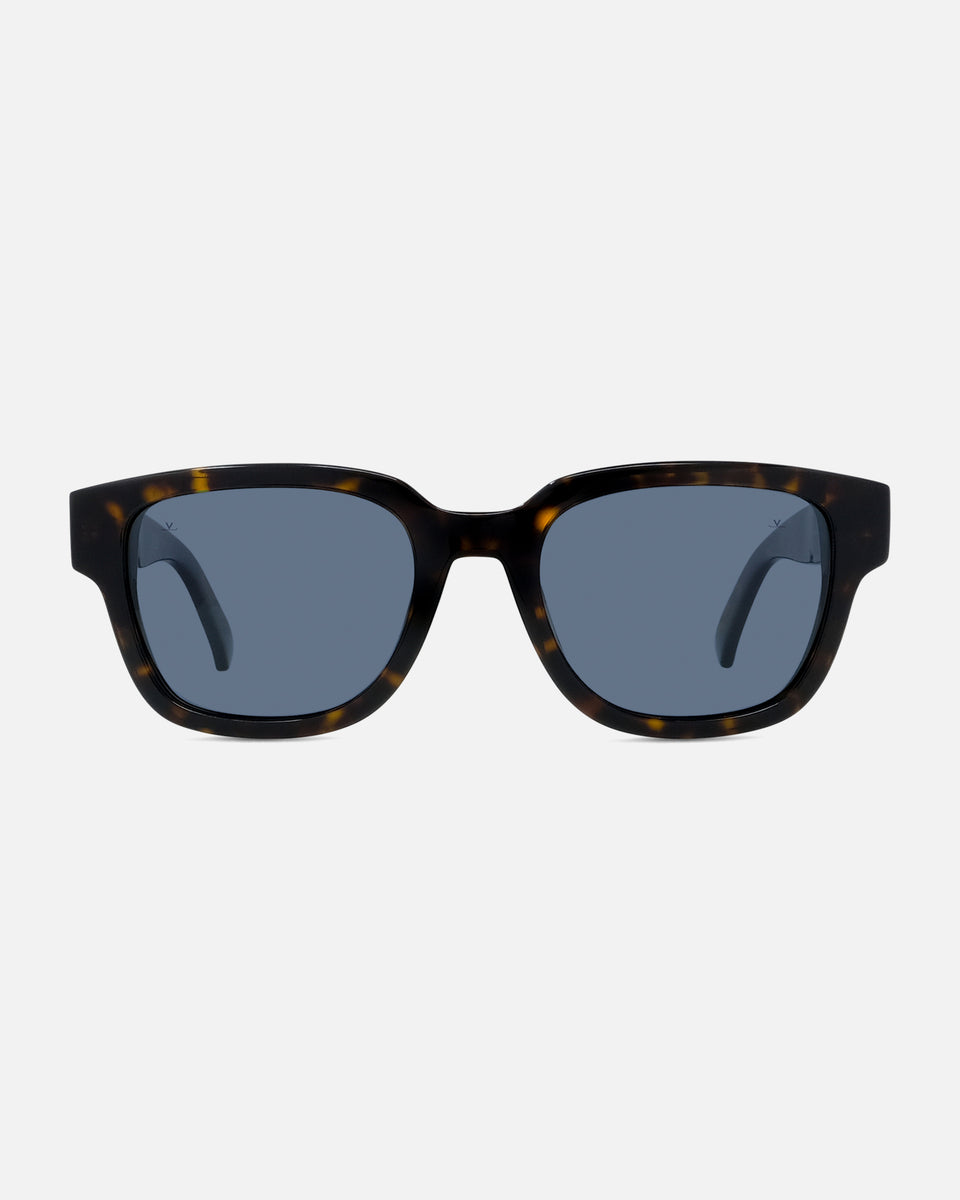
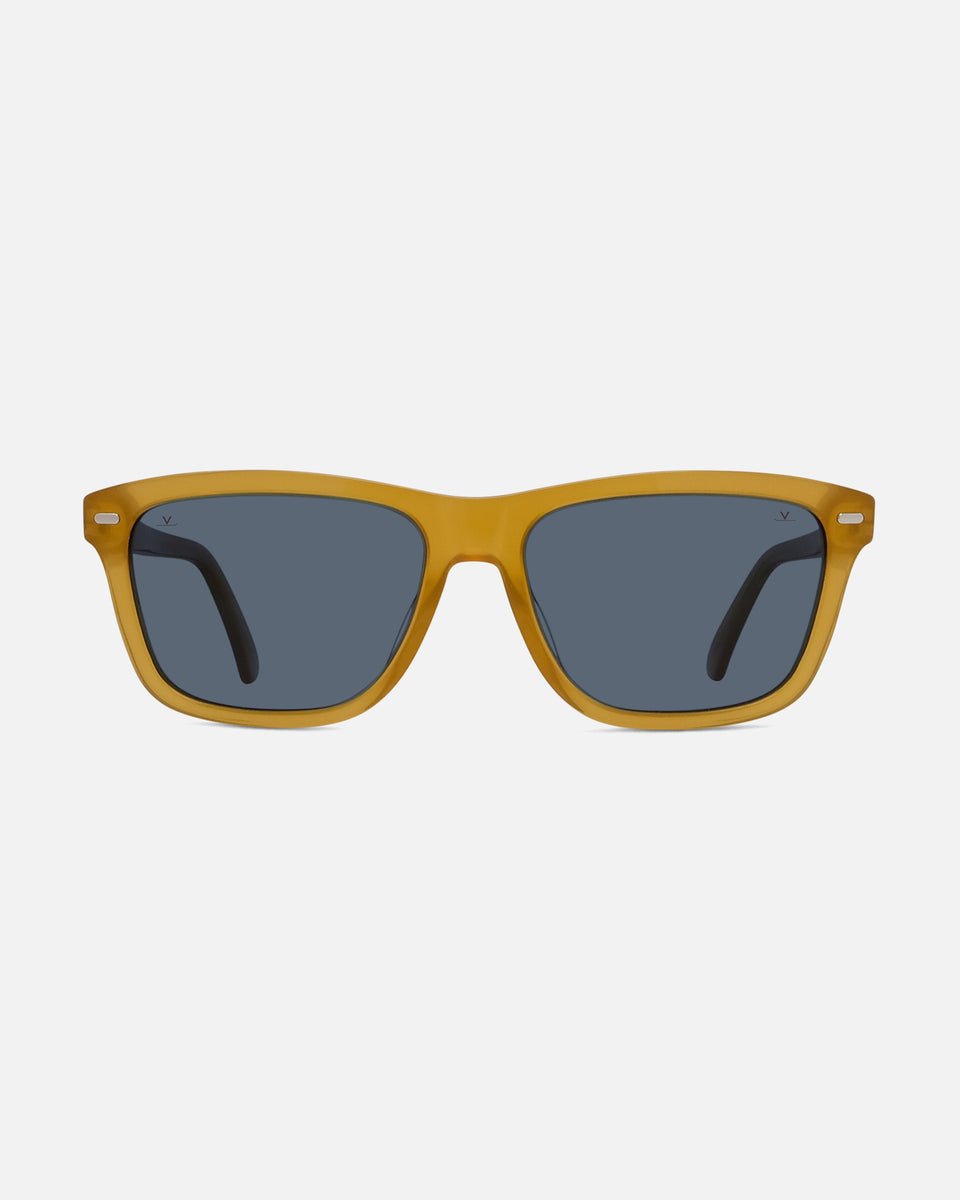
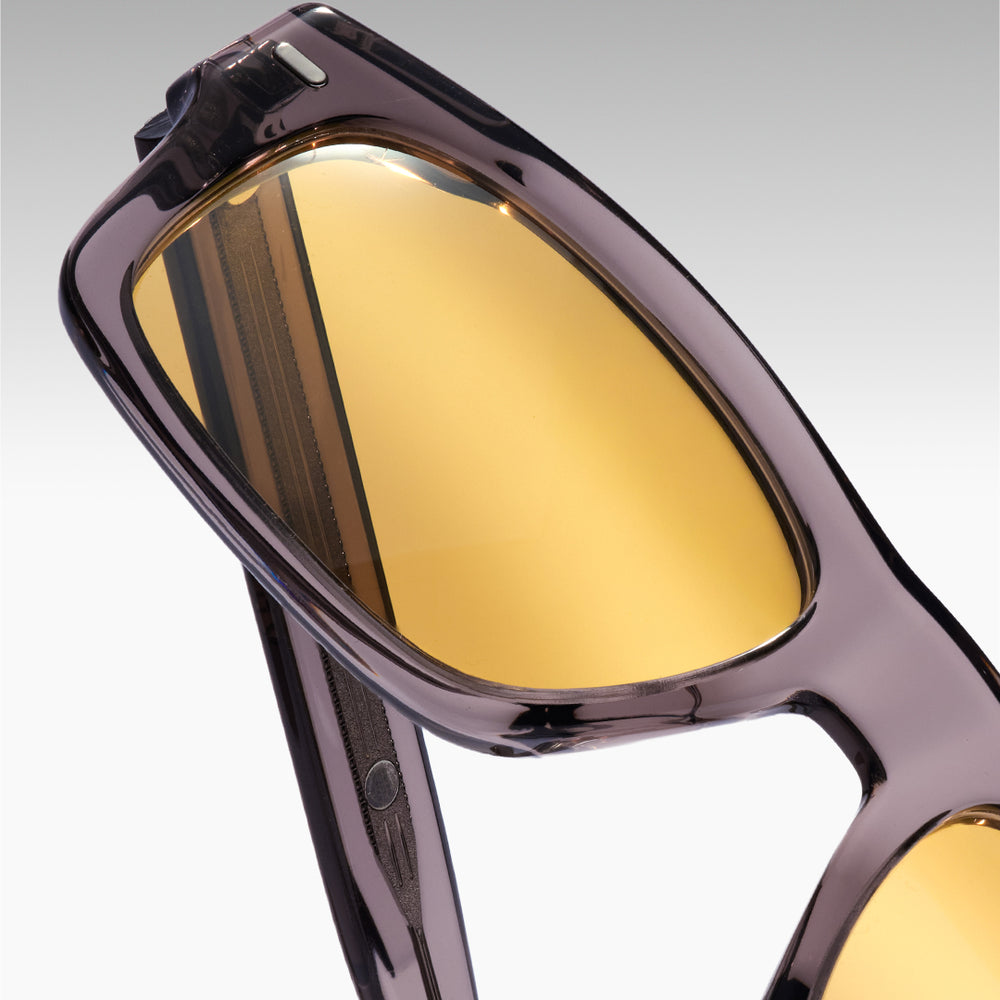
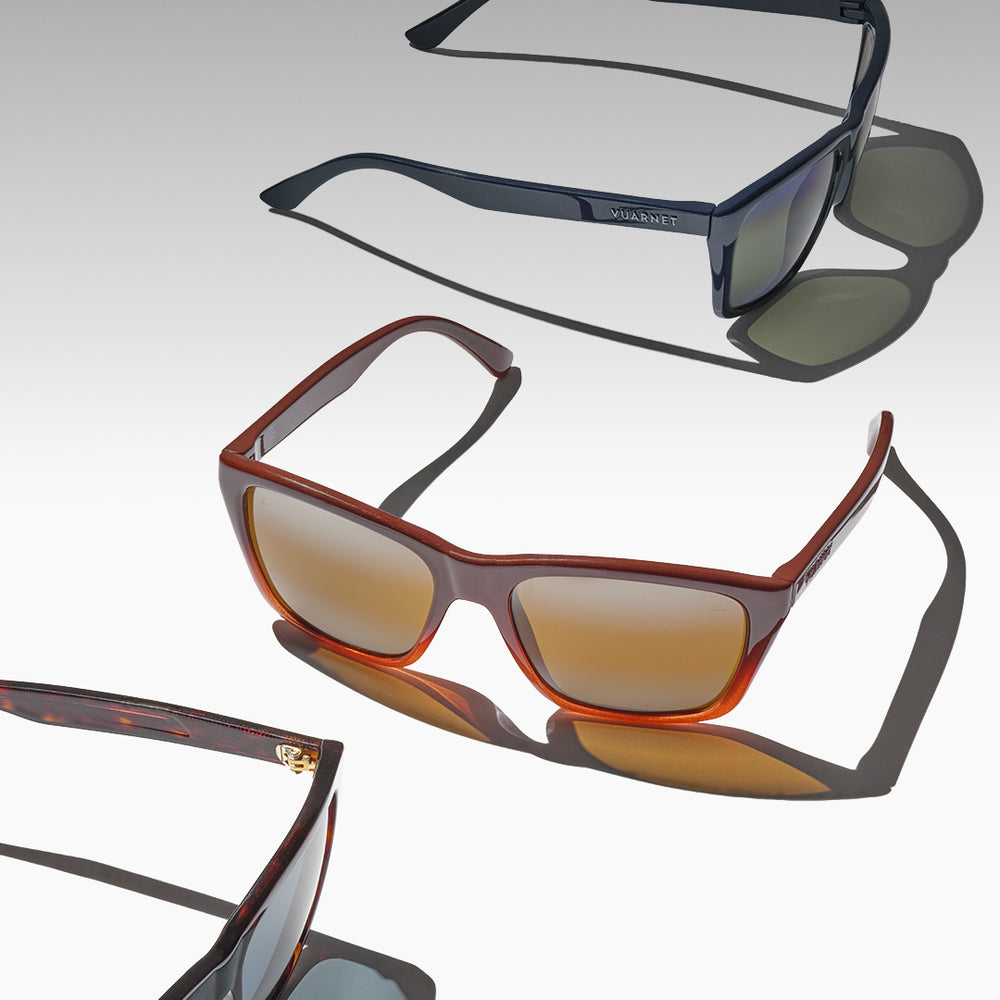
Photochromic Lifestyle sunglasses: one pair for the whole day
An ordinary day is not one light condition. It is a dim garage at eight, bright pavement at nine, an office window at eleven, a terrace at lunch, a shaded street in the afternoon and low sun on the drive home. Most people handle this by carrying two pairs, swapping constantly or simply going without and squinting through the bright parts.
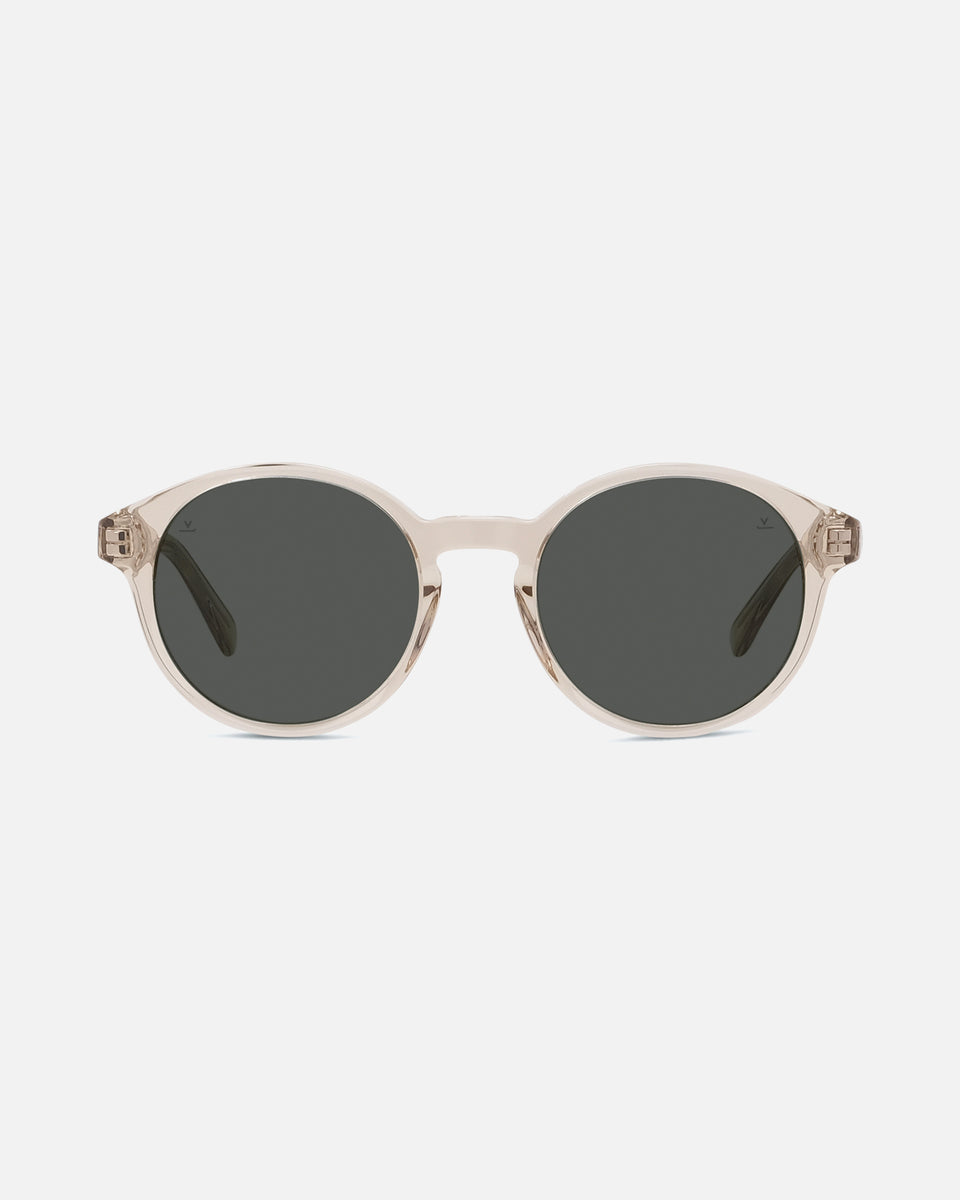
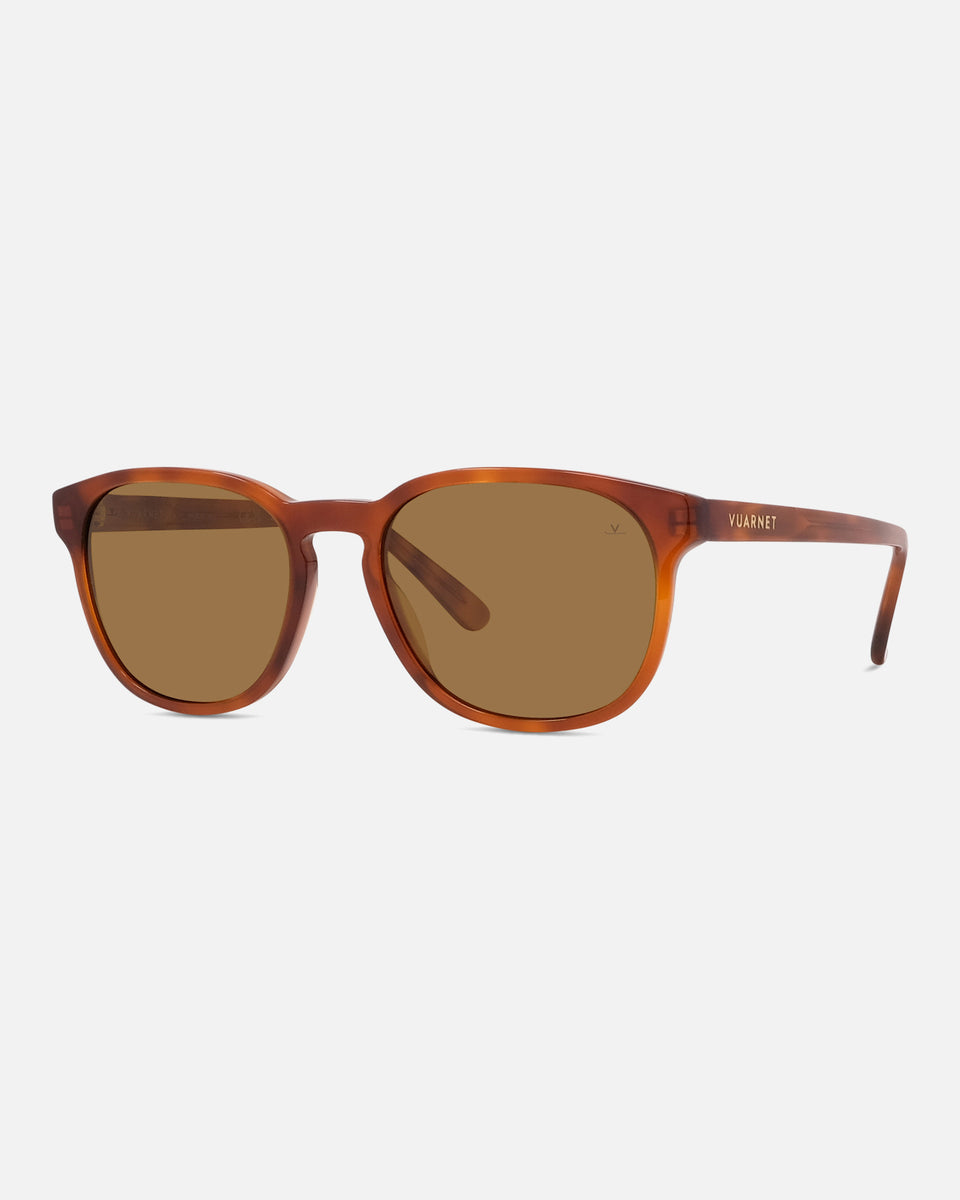
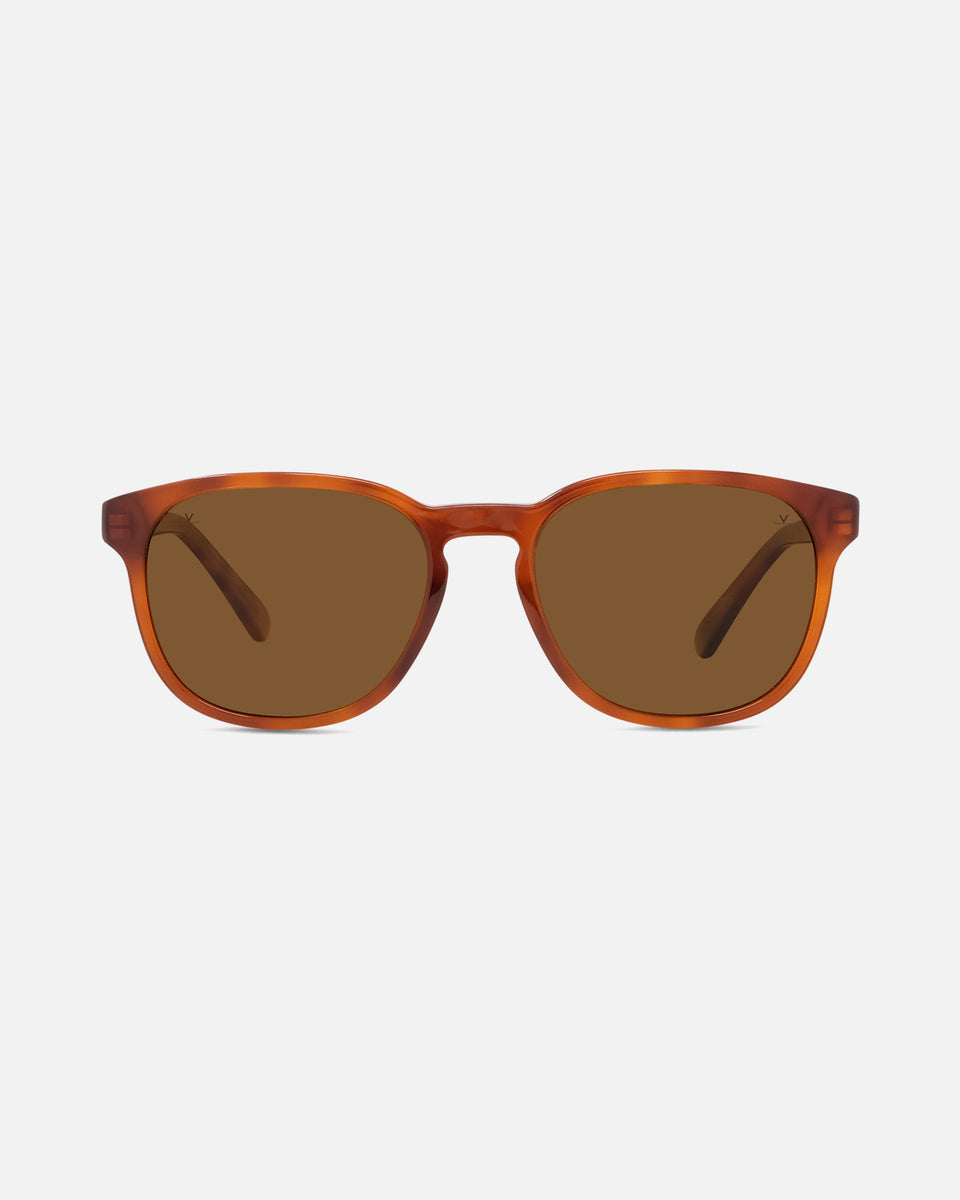
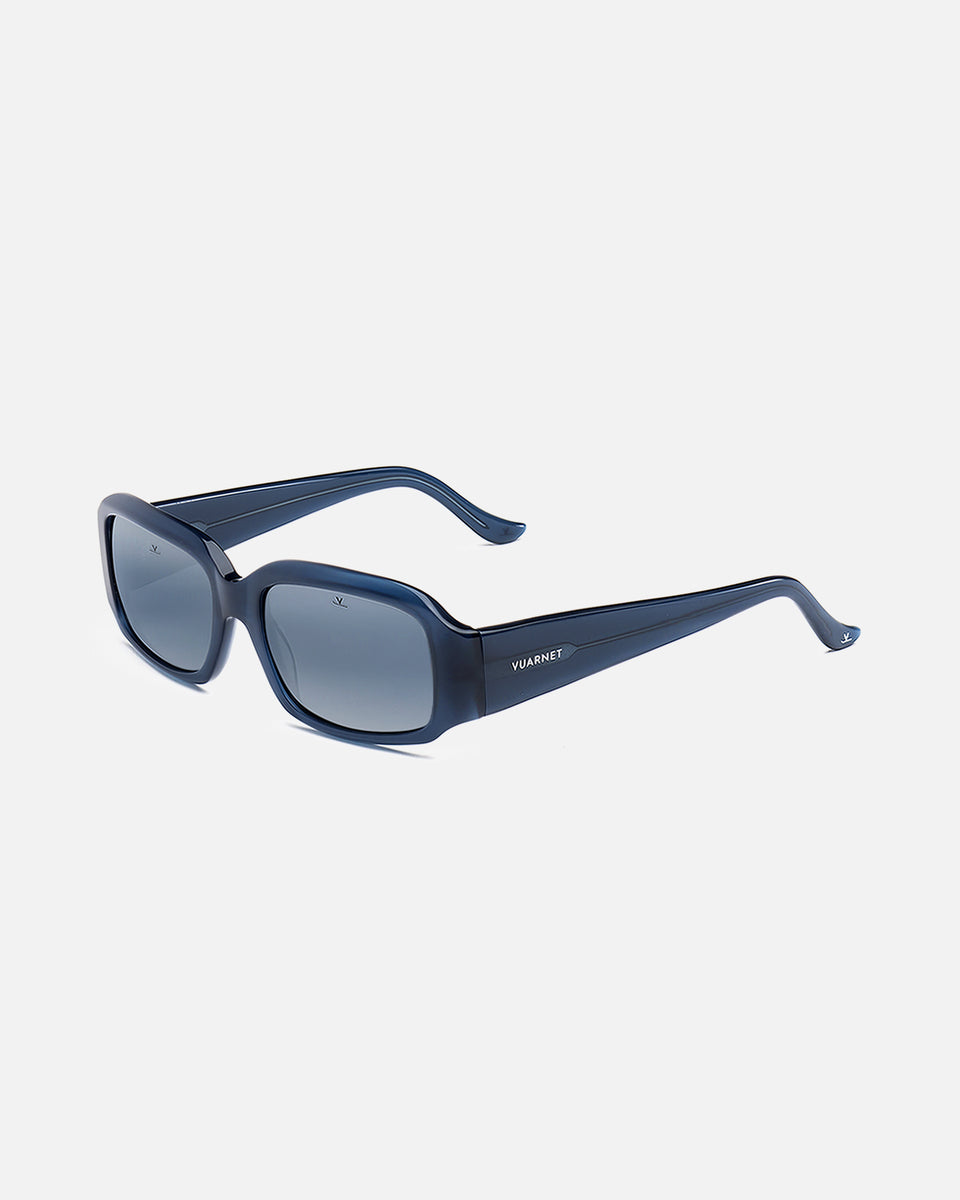
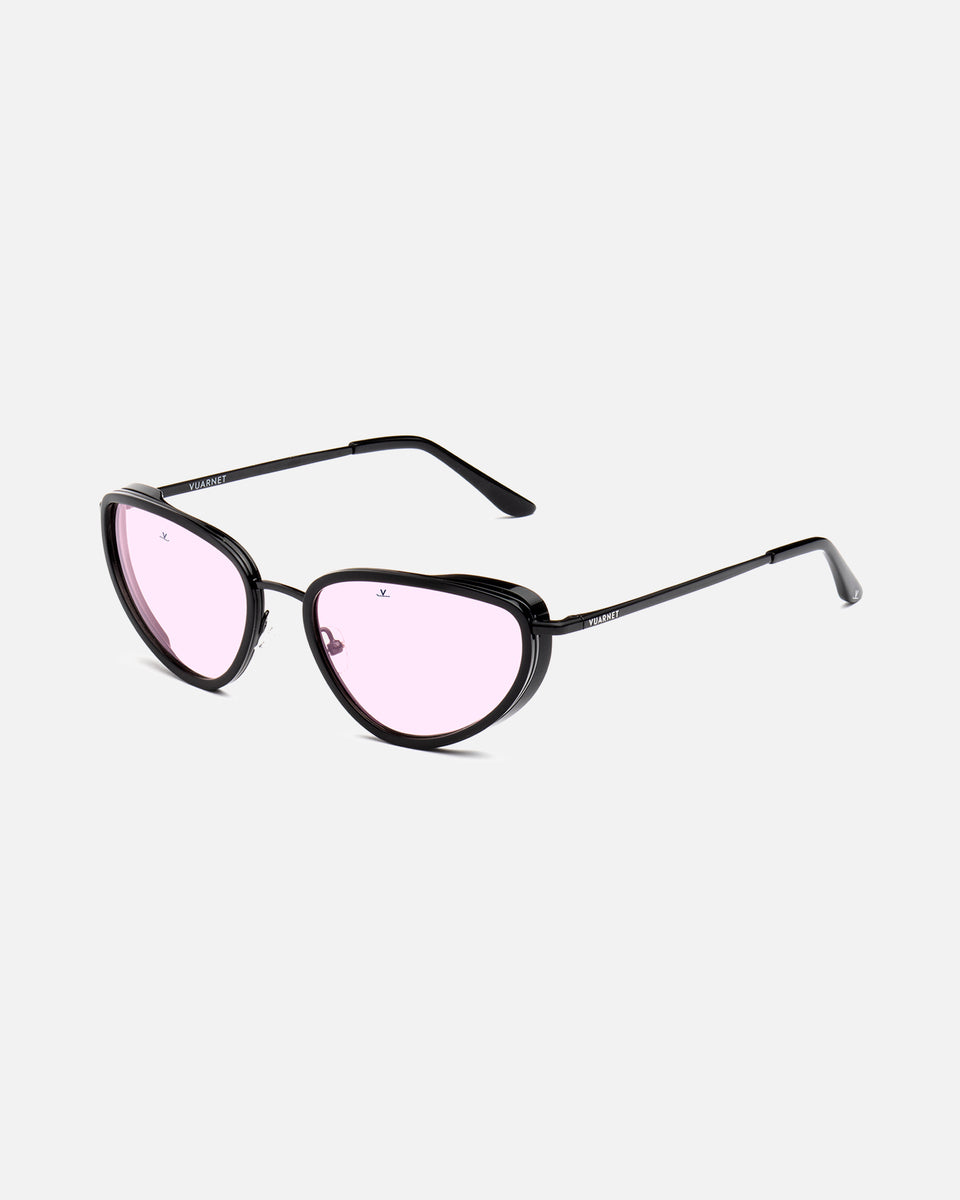
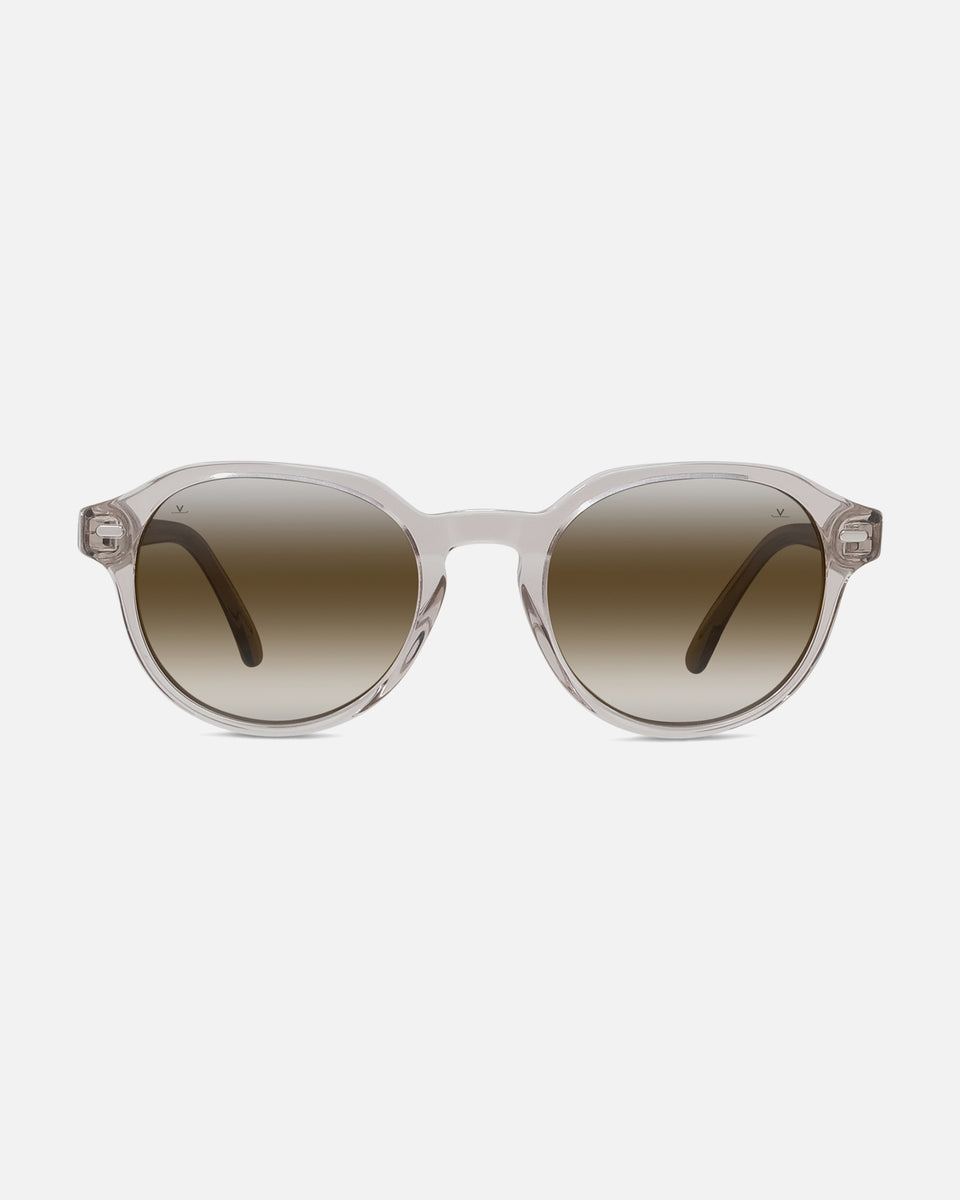
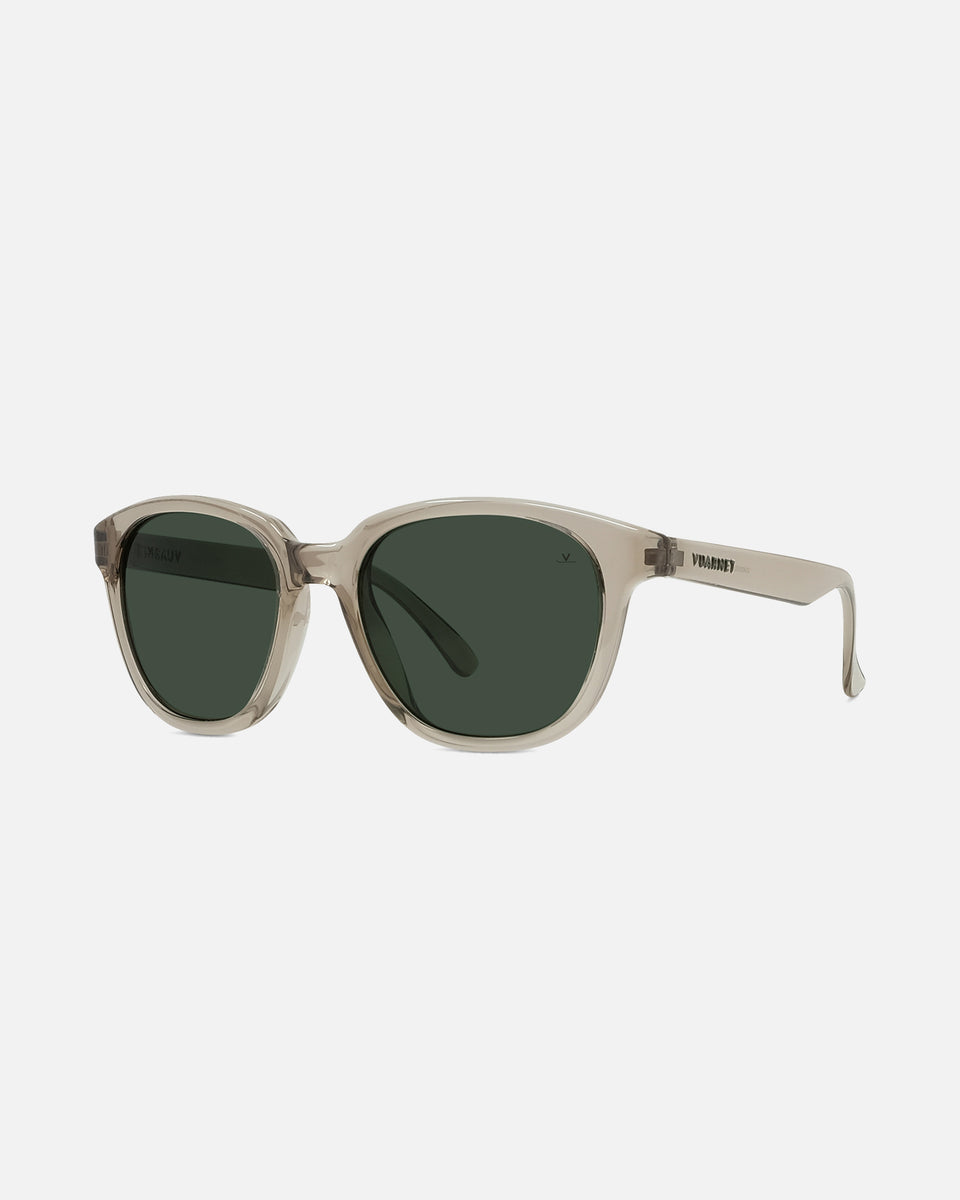
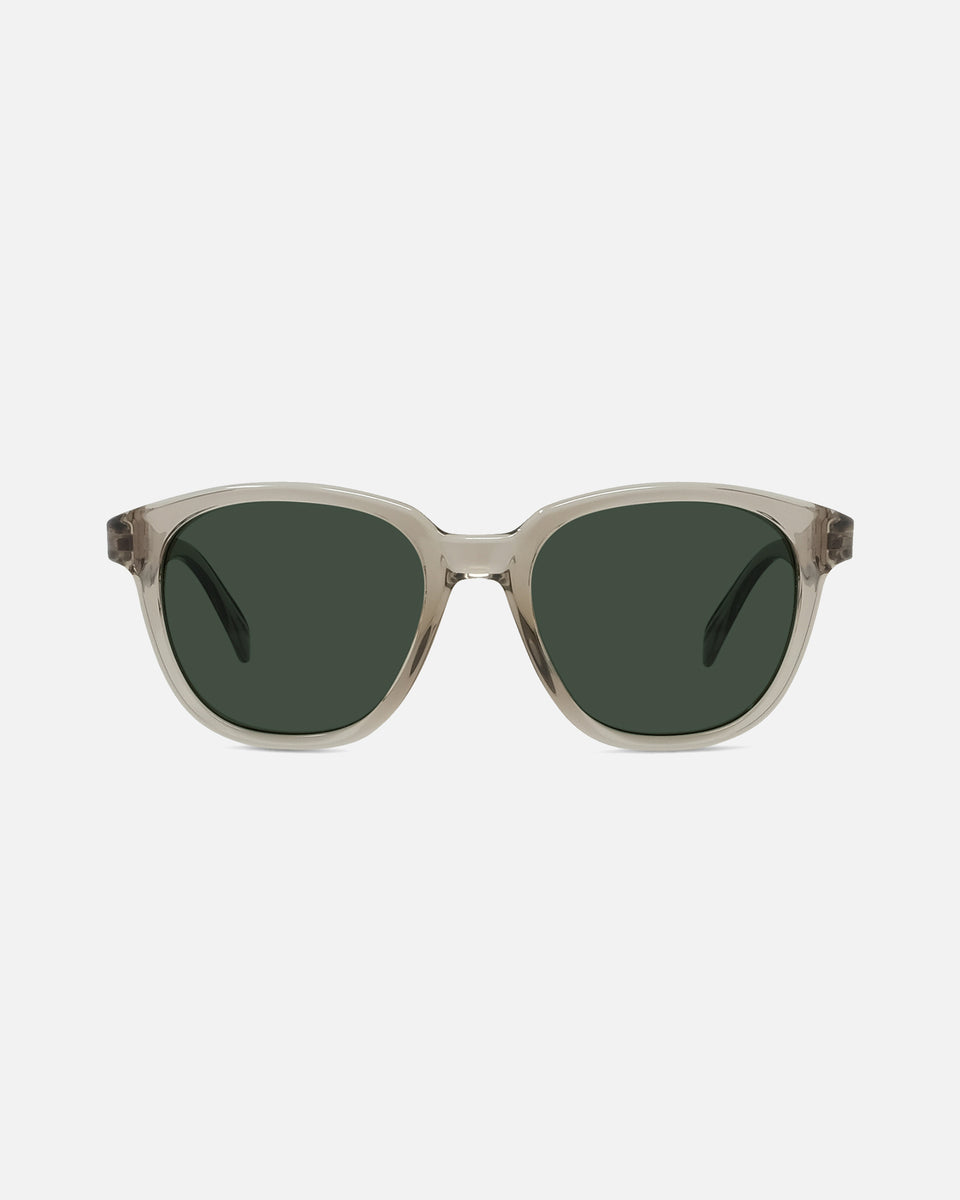
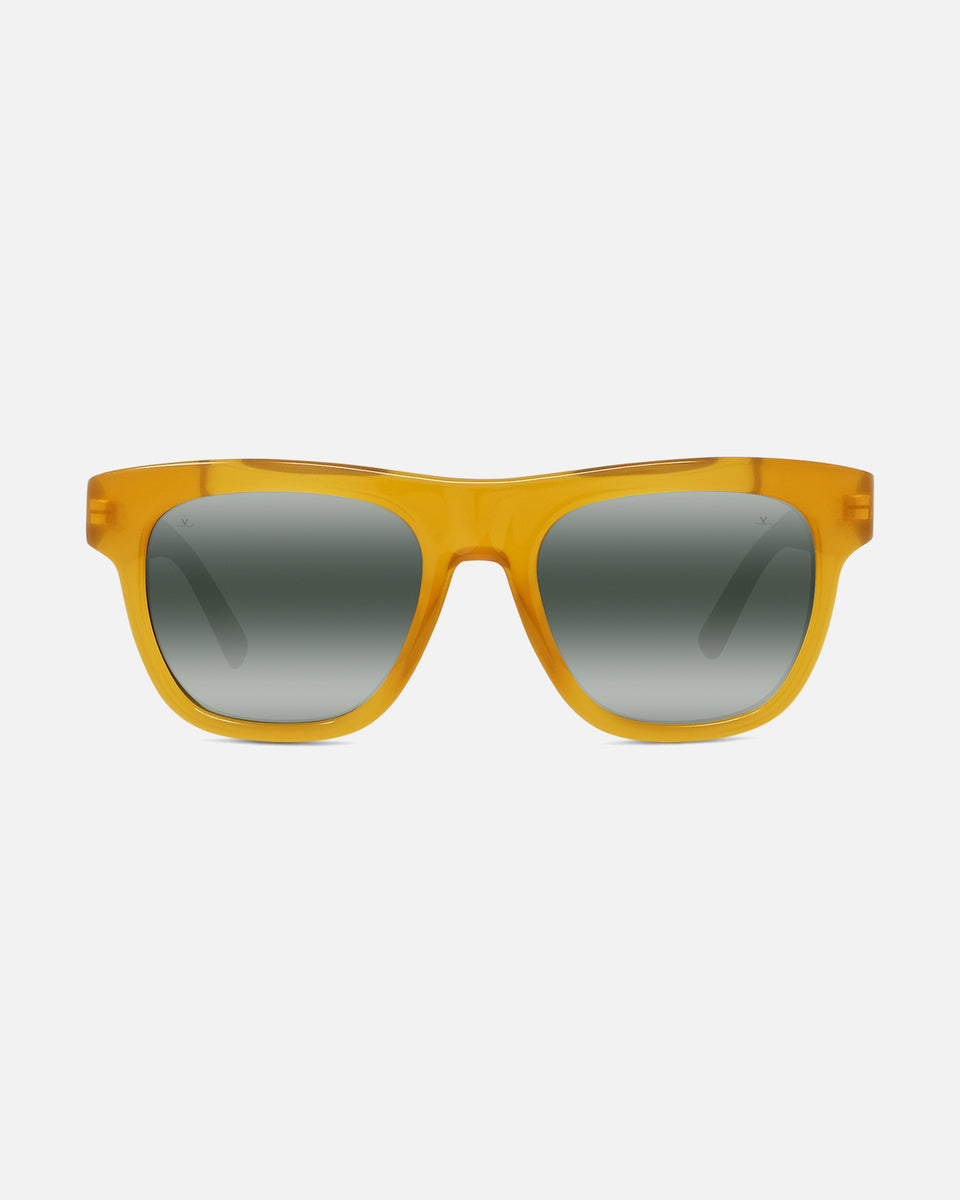
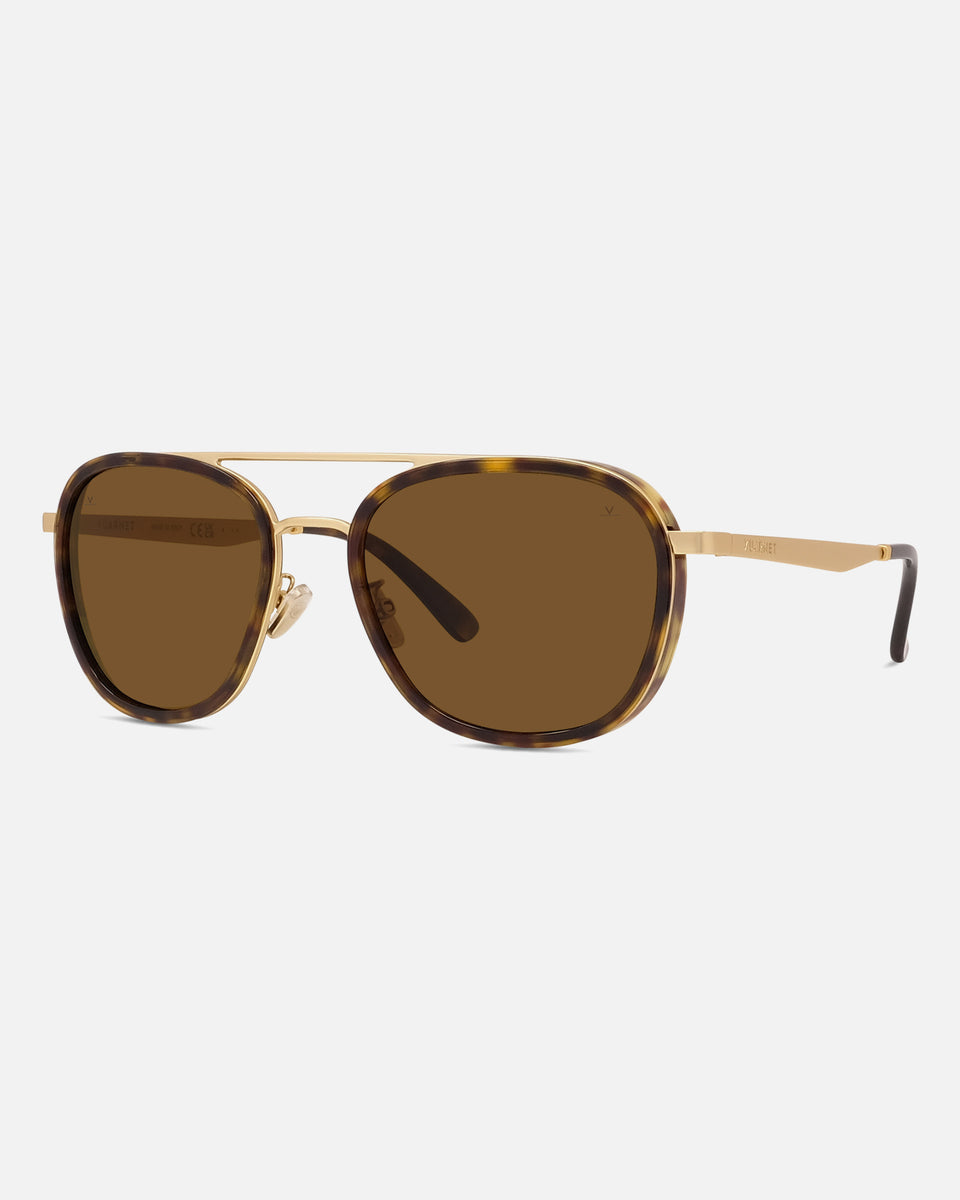
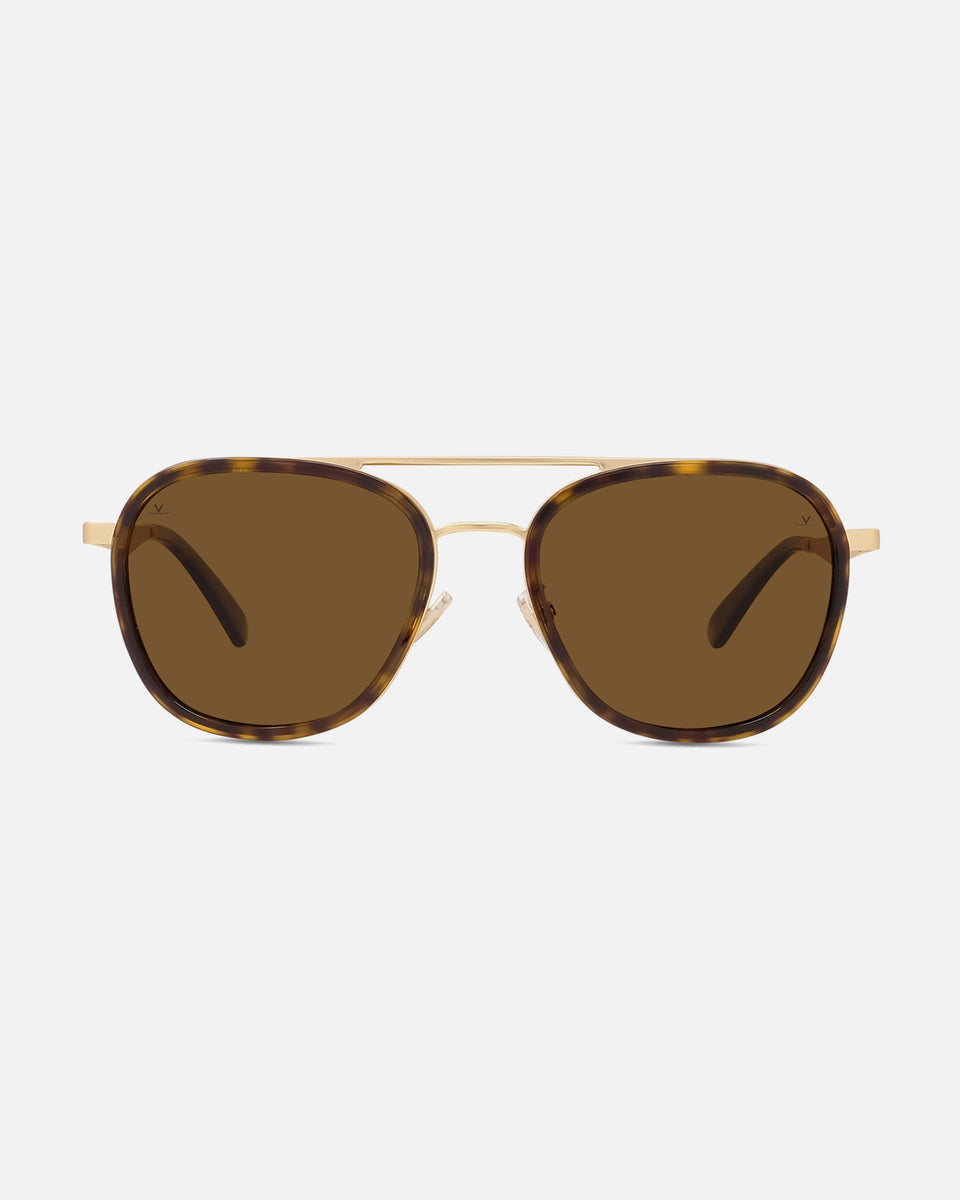
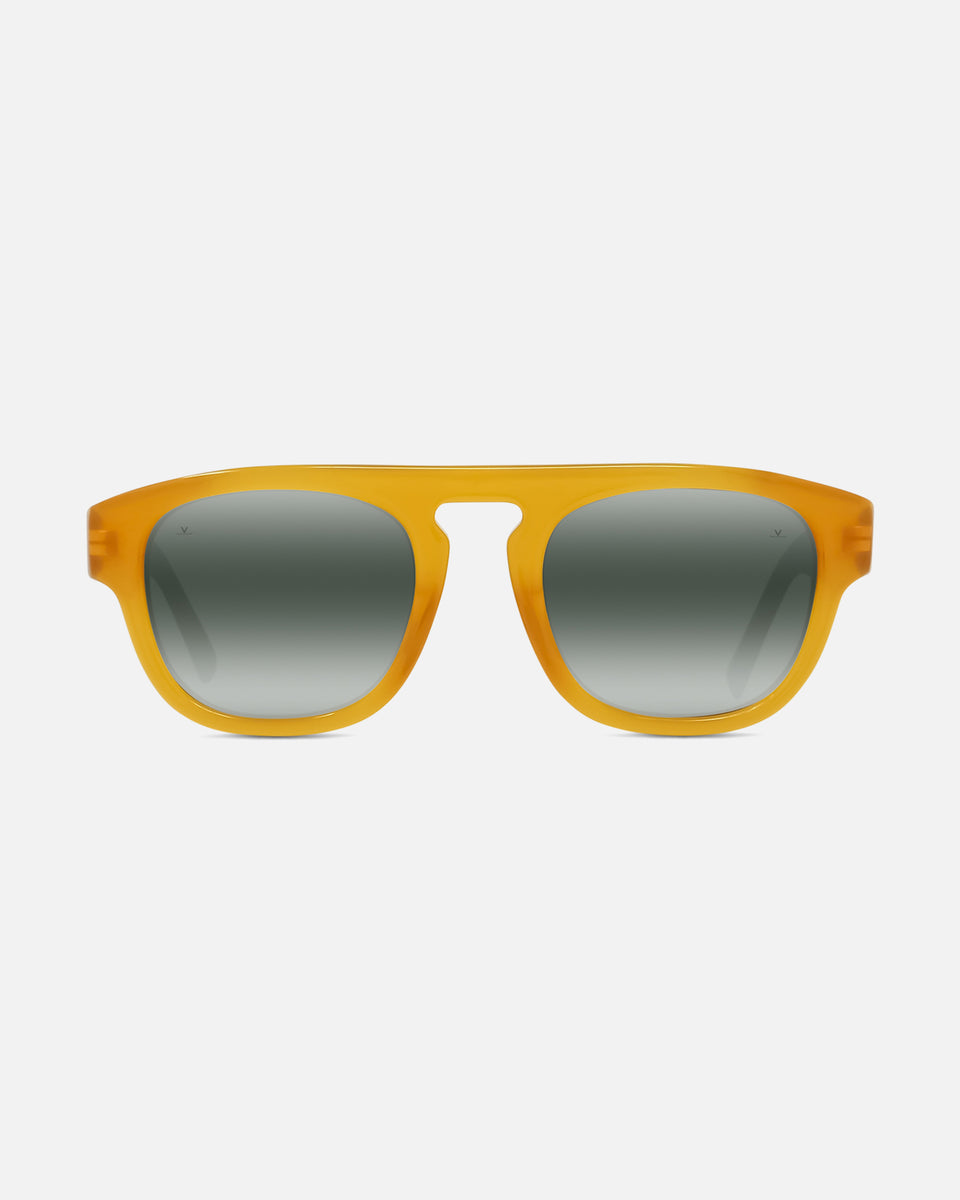
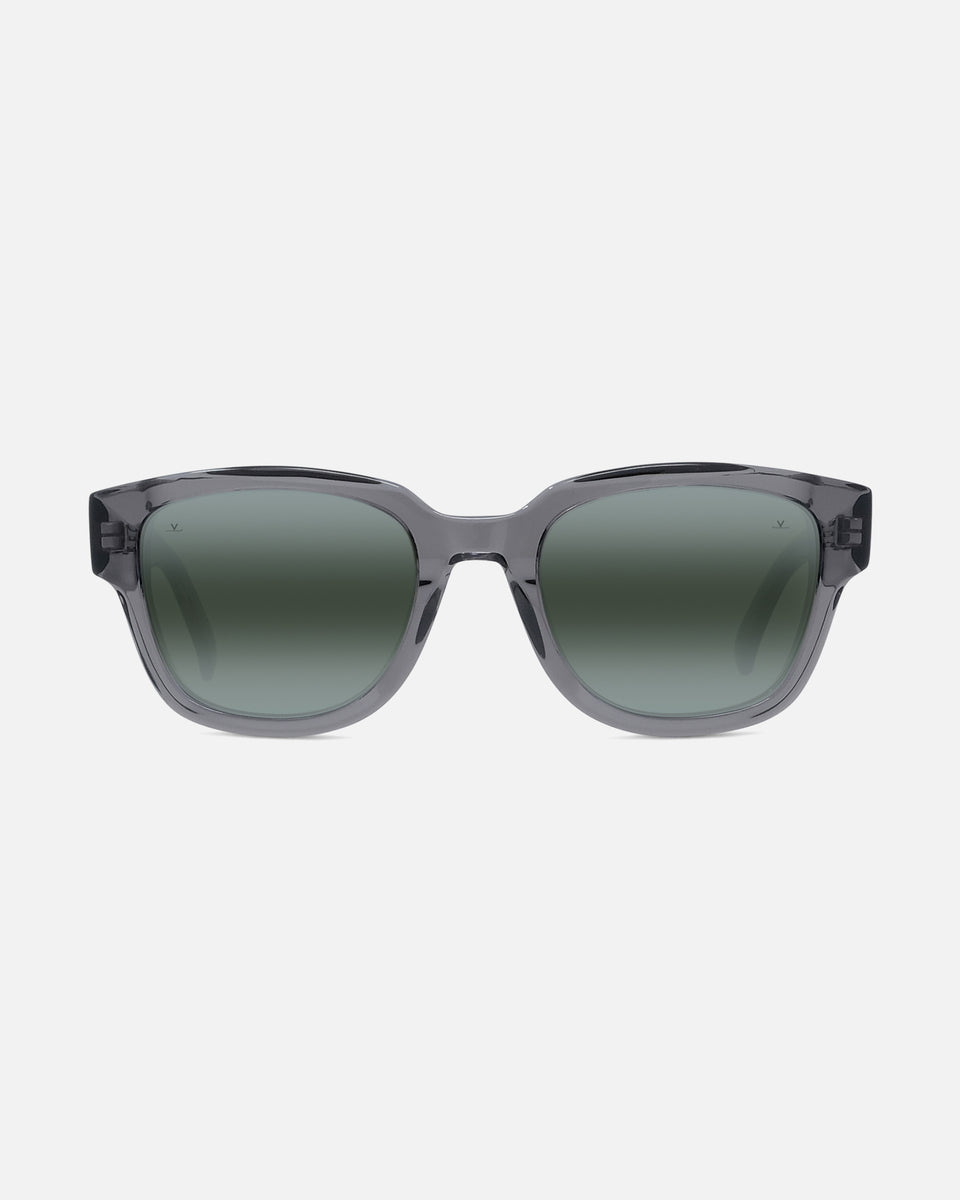
Photochromic Lifestyle sunglasses remove that friction. The tint follows the light, so a single pair stays appropriate from morning to evening. This collection is built around that convenience: adaptive lenses in frames designed for daily wear rather than sport.
Built around how days actually work
The value of an adaptive lens depends on how often your light conditions change. For someone who spends the day in one setting, a fixed tint may be enough. For anyone moving repeatedly between indoors and outdoors, the calculation is different.
Photochromic lenses are particularly useful for:
- Commuting on foot or by public transport, with regular transitions between stations, streets and covered spaces.
- Working between an office and outdoor meetings, sites or client visits.
- Walking through the city, where building shade and open squares alternate constantly.
- Travel days, moving through terminals, transport and unfamiliar outdoor light.
- Parents and dog walkers, in and out through the day with no fixed schedule.
For more on the technology, discover photochromic lenses.
Lifestyle frames, adaptive lenses
The distinction between this collection and Vuarnet’s Sport range lies primarily in the frame rather than the lens technology.
Photochromic LifestylePhotochromic SportFrame styleClassic and contemporary silhouettesWrap and performance profilesFit priorityAll-day comfort and discreet wearStability at speed and extended coverageTypical useCommuting, city life, travel and everyday wearCycling, running and mountain activityCoverageStandard lens areaExtended peripheral protection
For technical frames using the same adaptive technology, explore Sport sunglasses and Running & Cycling. For classic silhouettes, discover Pantos frames and the full Lifestyle collection.
What to expect day to day
Understanding how adaptive lenses work leads to a better experience.
- Darkening happens quickly, usually within a minute of stepping into direct sunlight.
- Clearing is slower and can take several minutes; moving into a dim interior involves a brief adjustment period.
- The lens may darken more deeply in cold weather than in high summer heat.
- Behind a windscreen, the reaction is reduced because automotive glass filters much of the UV that activates the lens.
This final point is worth considering if you drive frequently. For daytime driving, a fixed polarized lens generally offers more effective glare control. See our Everyday & Driving collection for driving-focused options.
Photochromic Lifestyle sunglasses for men and women
Men’s Photochromic Lifestyle sunglasses
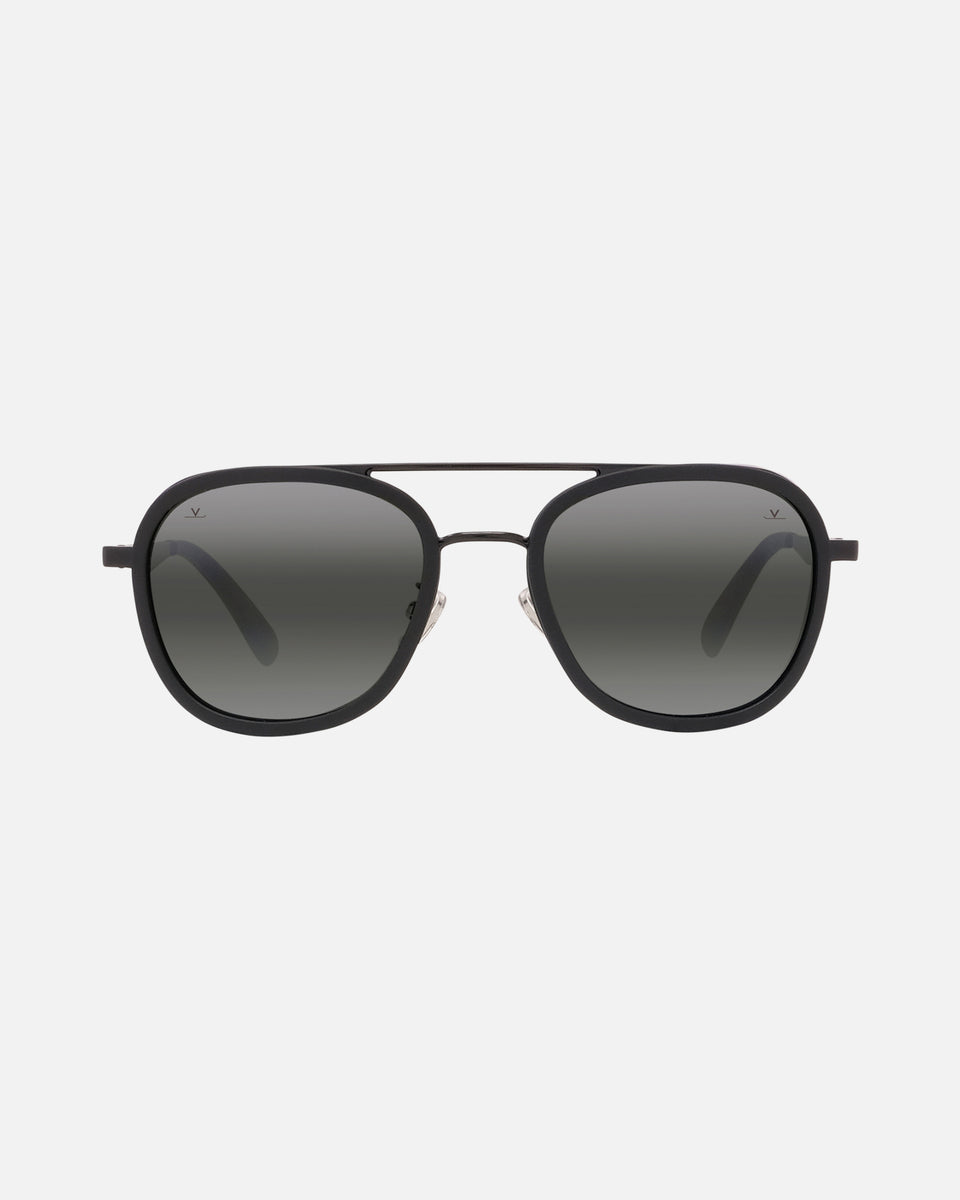
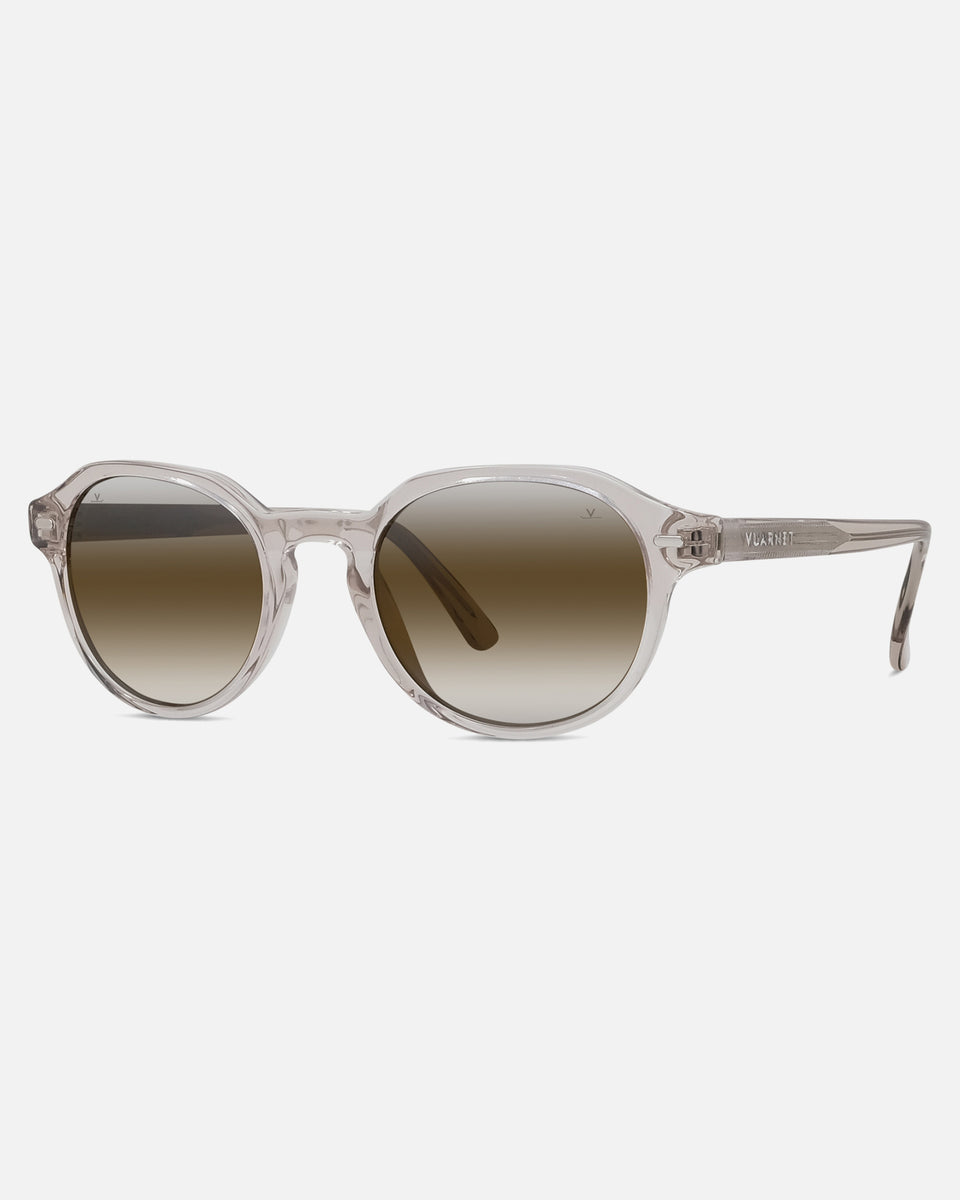
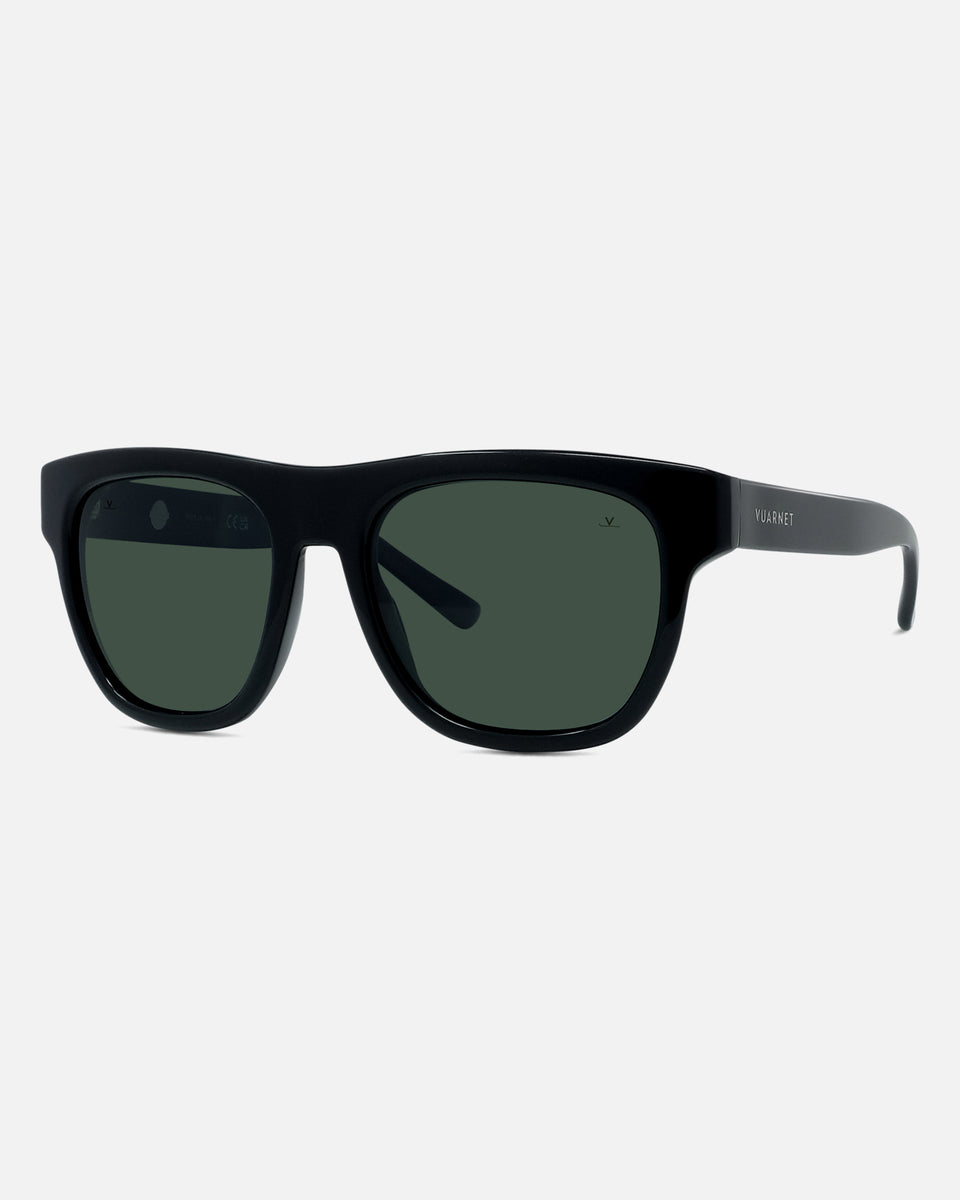
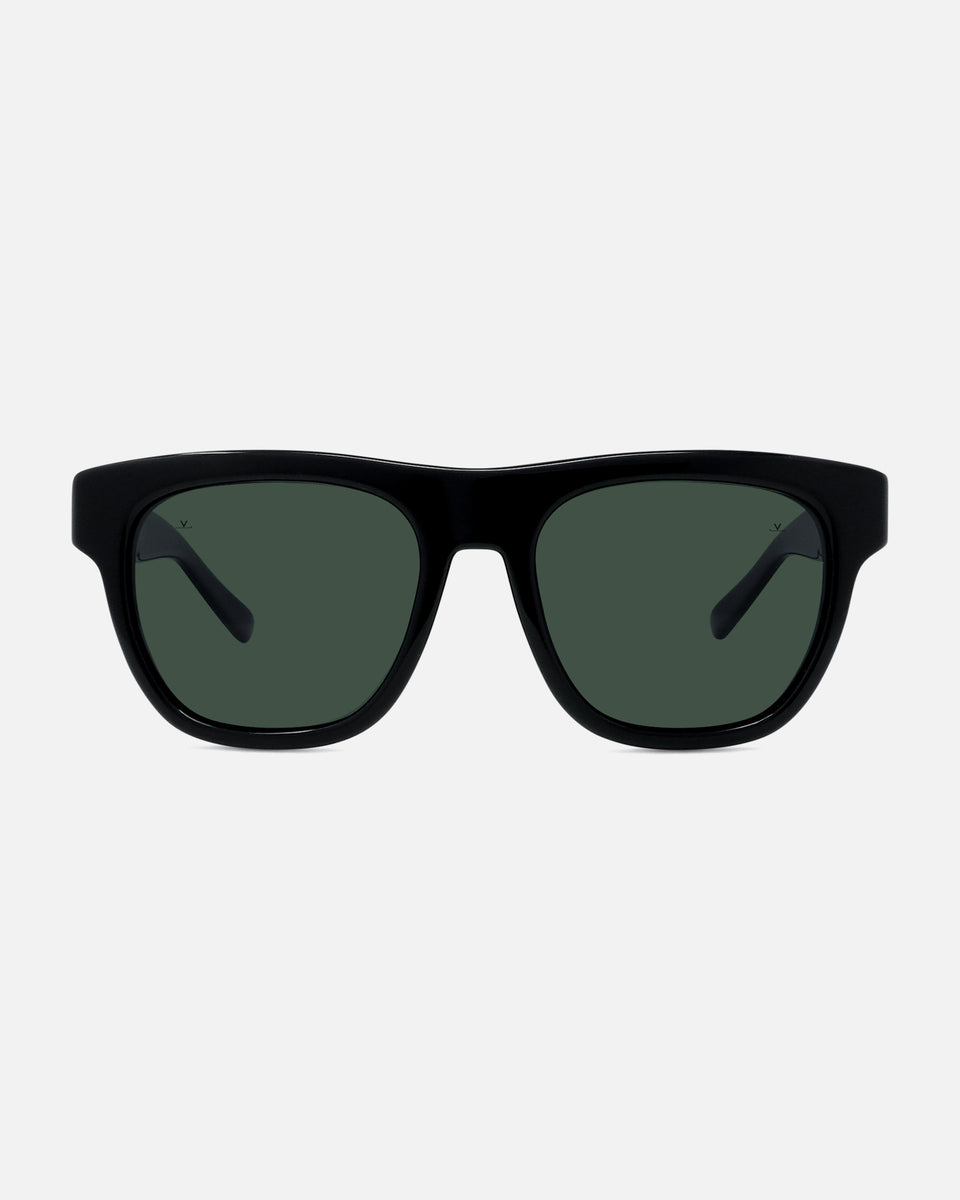
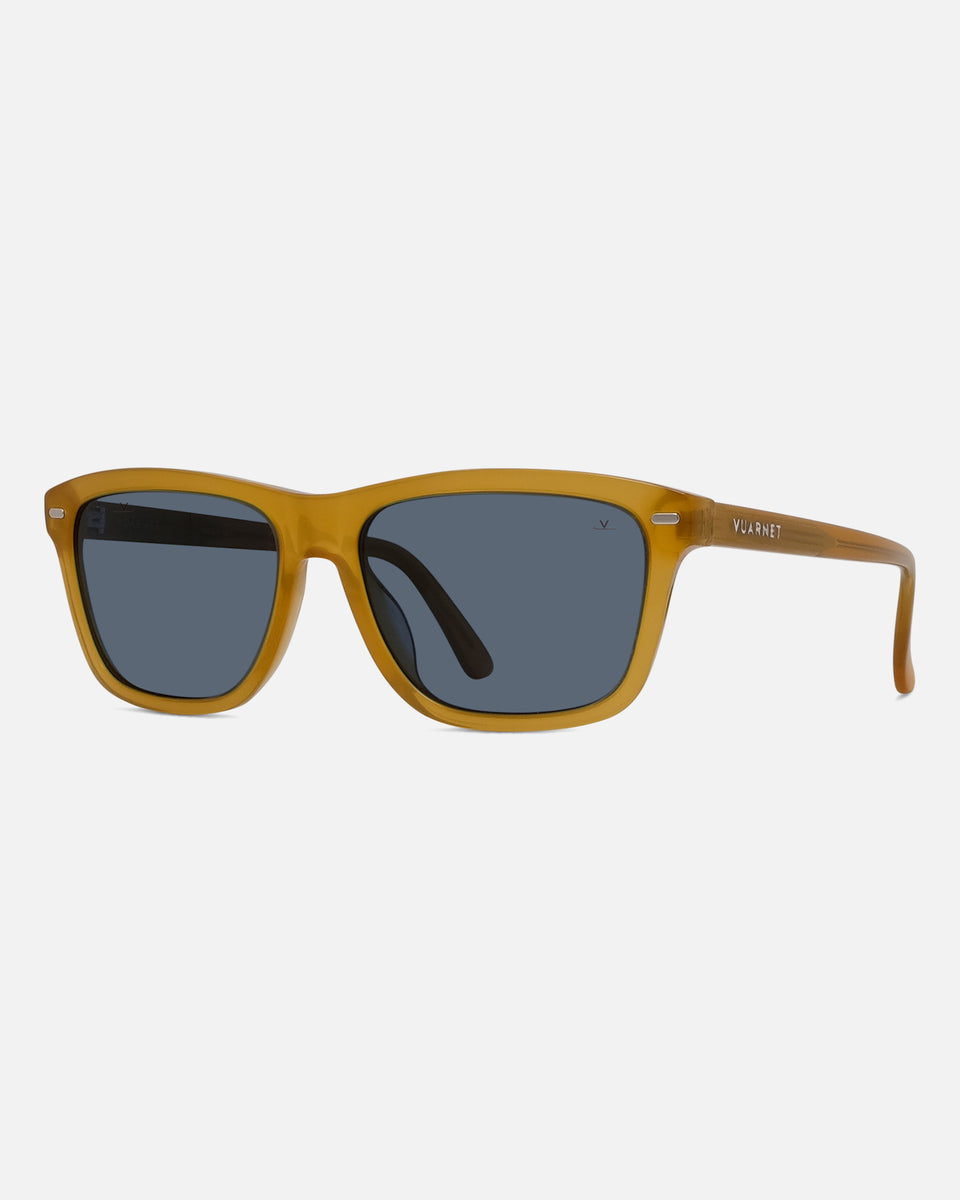
Men’s models include classic and contemporary silhouettes suited to work, city life and travel, with adaptive lenses across a range of frame shapes.
Women’s Photochromic Lifestyle sunglasses
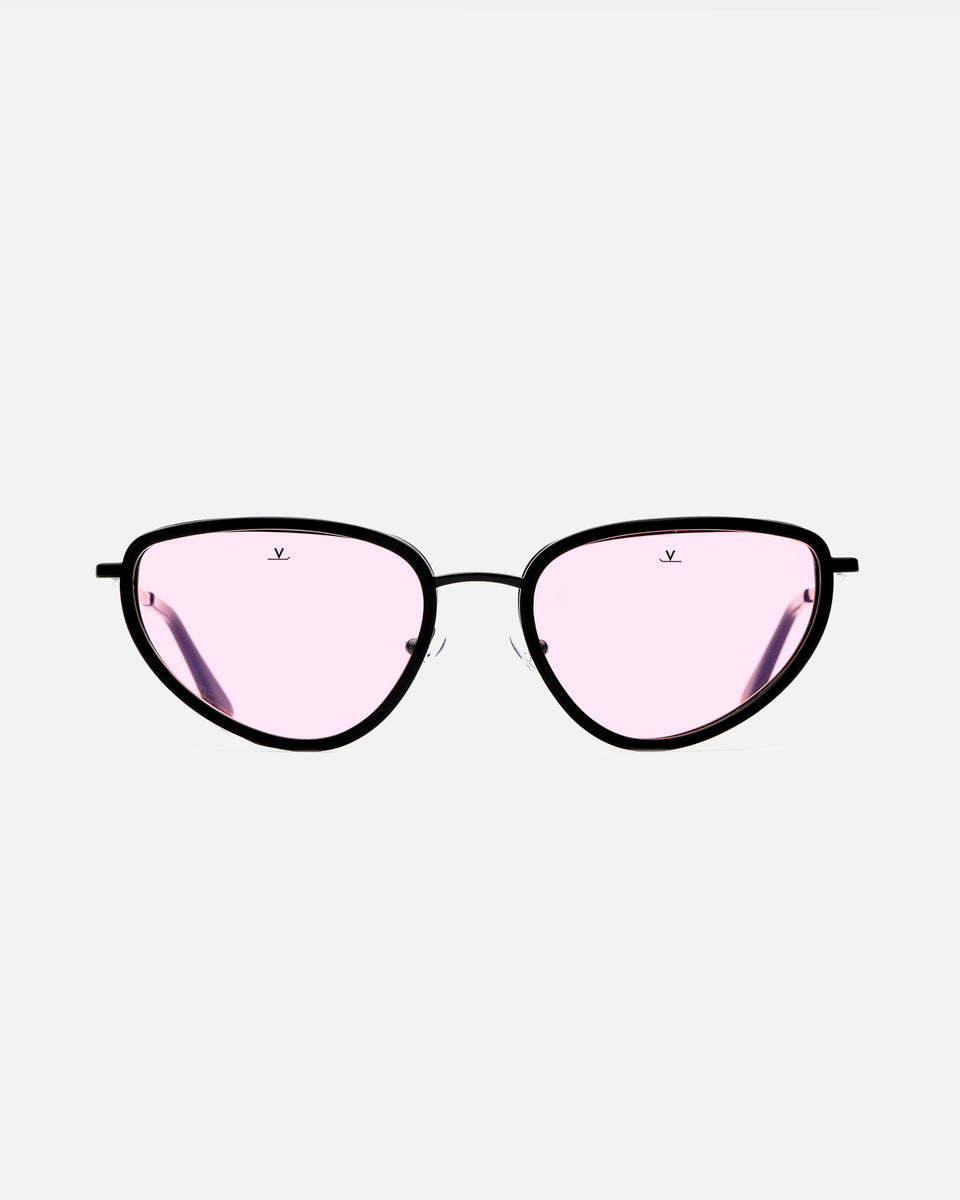
Women’s Photochromic Lifestyle sunglasses combine refined frame geometry and lighter constructions with the same adaptive performance for all-day wear.
To choose the right frame shape, see our fit guide or use find your perfect pair.
Is one adaptive pair really enough?
For most everyday use, yes. However, certain conditions are better served by a dedicated lens.
Adaptive lenses are the best one-pair solution for daily life, not necessarily the best solution for every specific condition.
Protection that does not depend on tint
A common misconception is that a photochromic lens offers less protection when it appears clear. It does not.
UV protection is a property of the lens material, not of the visible tint level. Vuarnet lenses provide 100% UV protection in every state. Mineral glass also absorbs up to 94% of infrared radiation, depending on the lens.
Because the photochromic compound is integrated into the glass rather than applied as a surface coating, its responsiveness is designed to last throughout the life of the lens.
Made in France, built to last
Every Vuarnet mineral lens is produced in Meaux, France, in an EPV-certified manufacture through a 17-step process. Each lens carries the engraved V on Ski hallmark that guarantees its origin and optical quality. Discover our French craftsmanship and heritage.
Eyewear worn every day goes through regular handling. Mineral glass naturally resists the scratches that can come from pockets, bags and car interiors. Follow our advice on how to care for your glasses and discover Vuarnet’s commitments.
Explore more collections
Vuarnet FAQ: Photochromic Lifestyle sunglasses
Can photochromic lenses replace two pairs of sunglasses?
For everyday use, generally yes. One adaptive pair covers indoor, shaded and bright conditions. Dedicated lenses still perform better in specific extremes, such as sustained glare on water or night driving.
Do photochromic lenses go fully clear indoors?
They return to a clear or near-clear state, although clearing takes several minutes rather than being instant. Moving from bright sun into a dim interior involves a short adjustment period.
Do photochromic lenses protect my eyes when they are clear?
Yes. UV protection comes from the lens material rather than the tint level, so protection remains effective in both clear and darkened states.
Will they darken while I am driving?
Only partially in most vehicles. Windscreens filter much of the UV that triggers the reaction. If you drive frequently in daylight, a fixed polarized lens is usually the better choice.
Can I get Photochromic Lifestyle sunglasses in my prescription?
Yes. Vuarnet mineral lenses are available in prescription through authorised Vuarnet opticians. Learn more about prescription options.