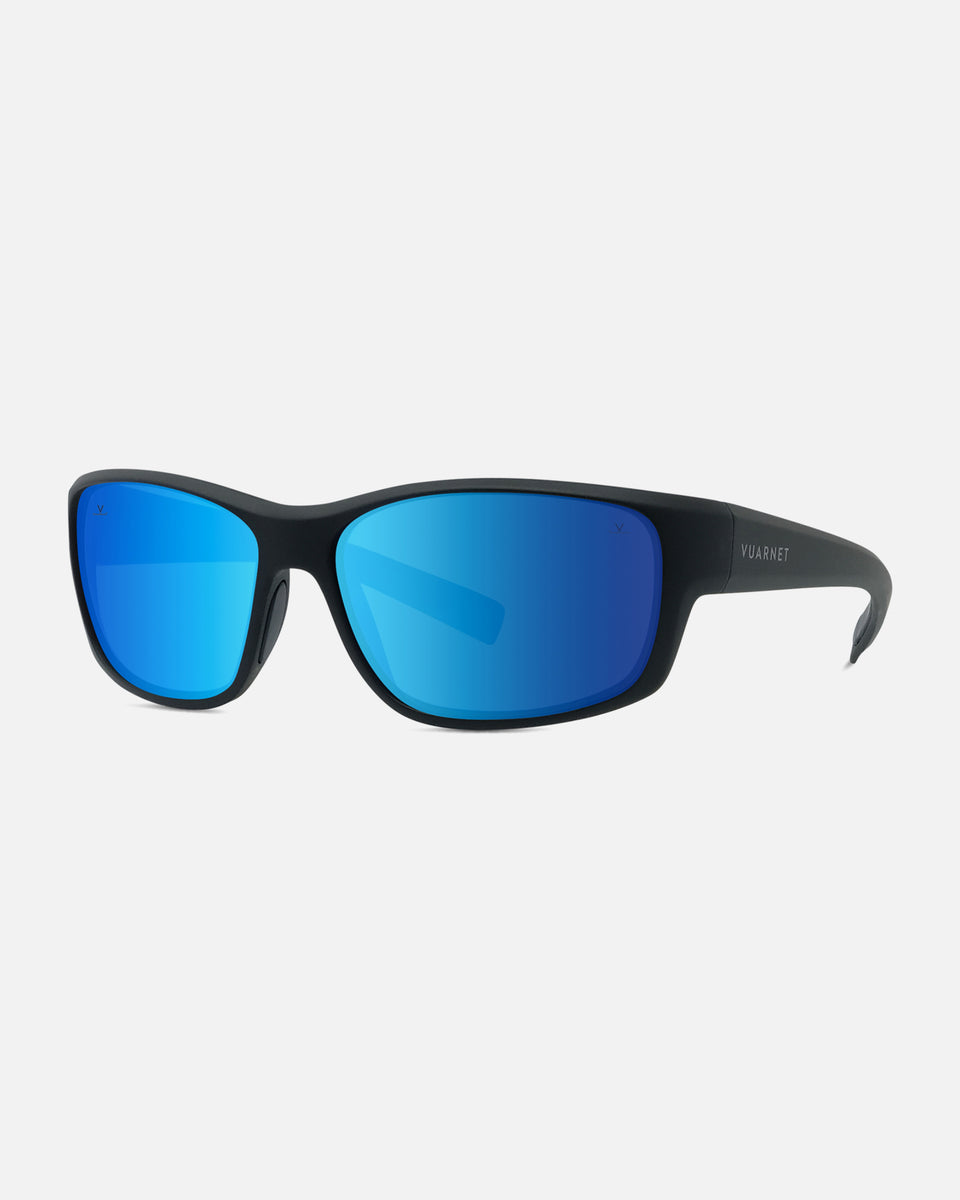
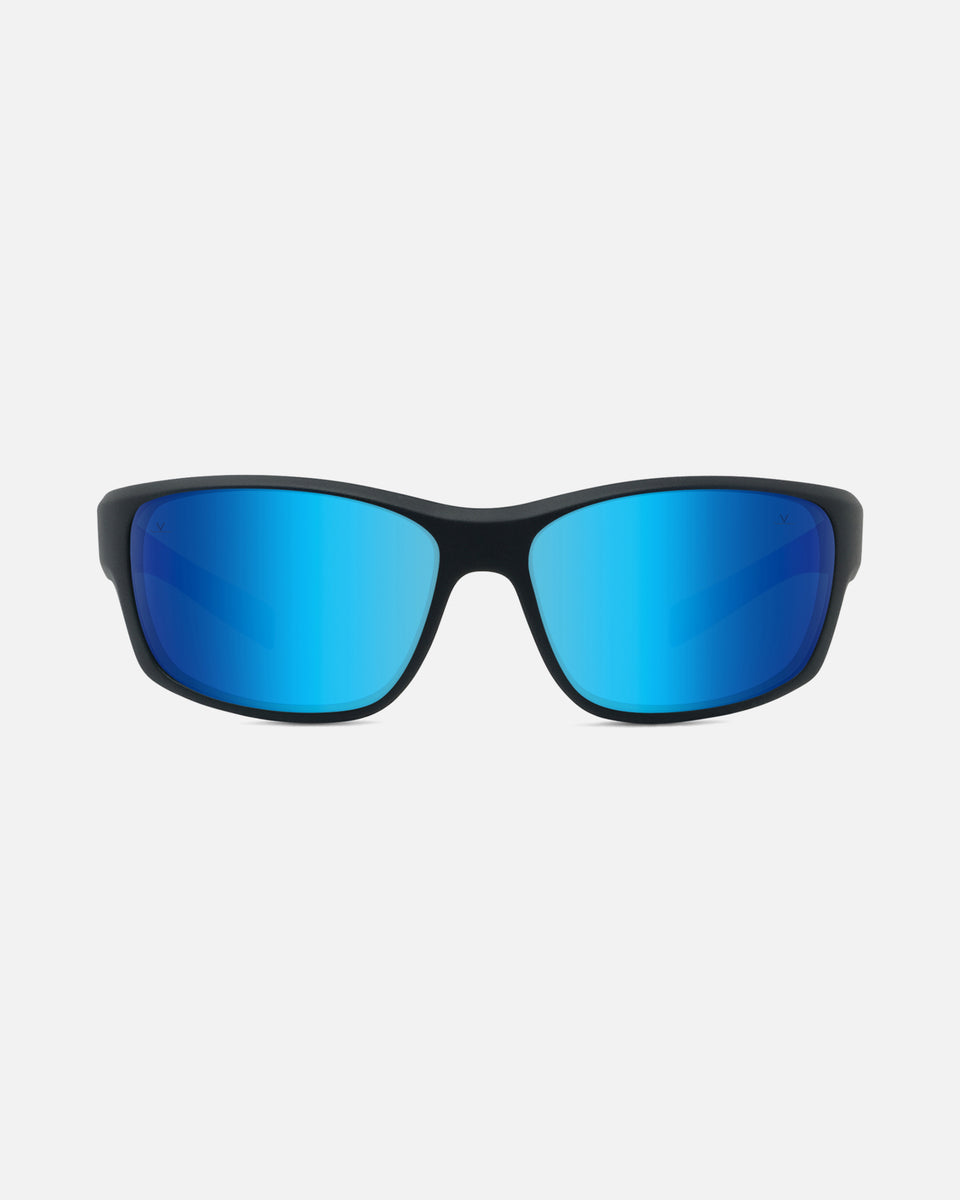
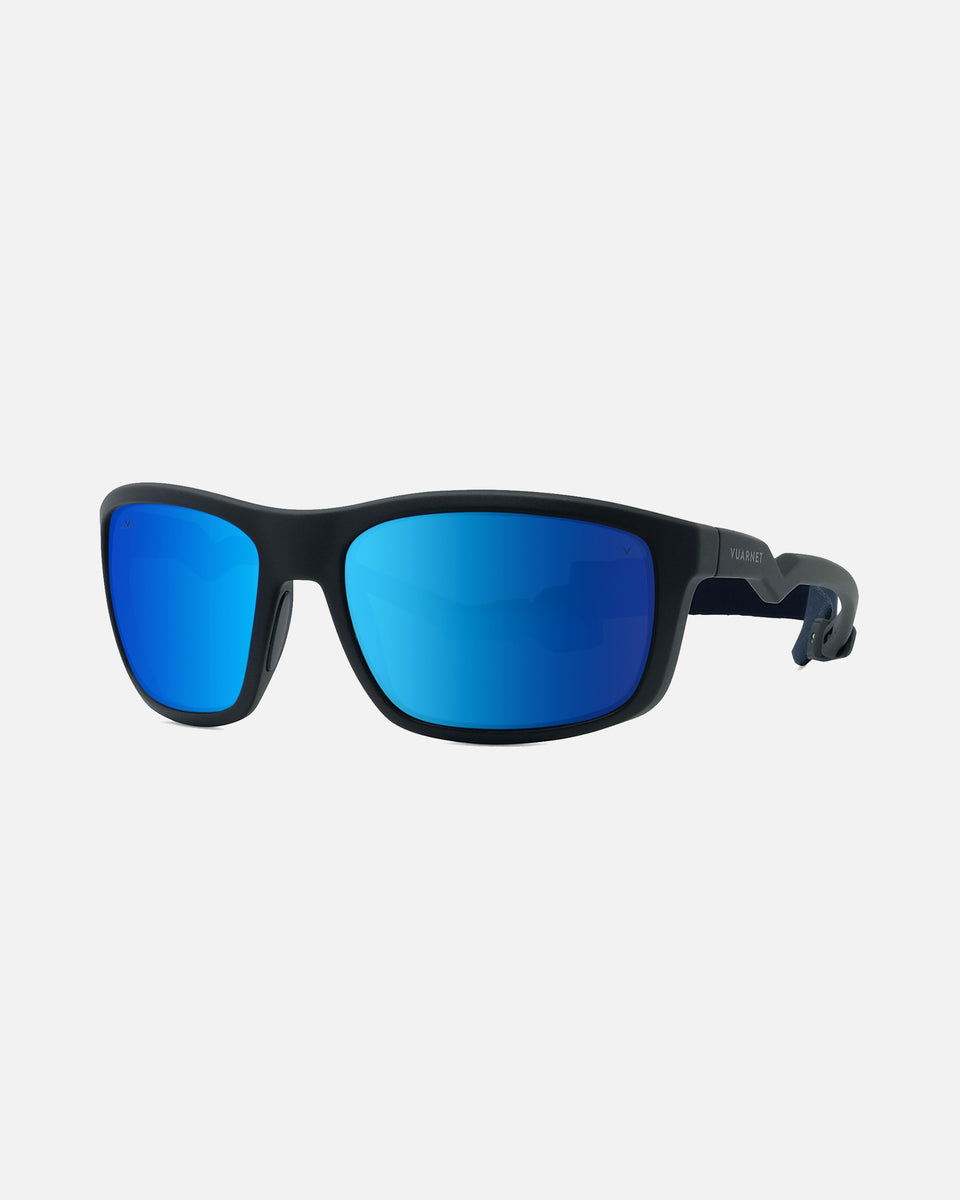
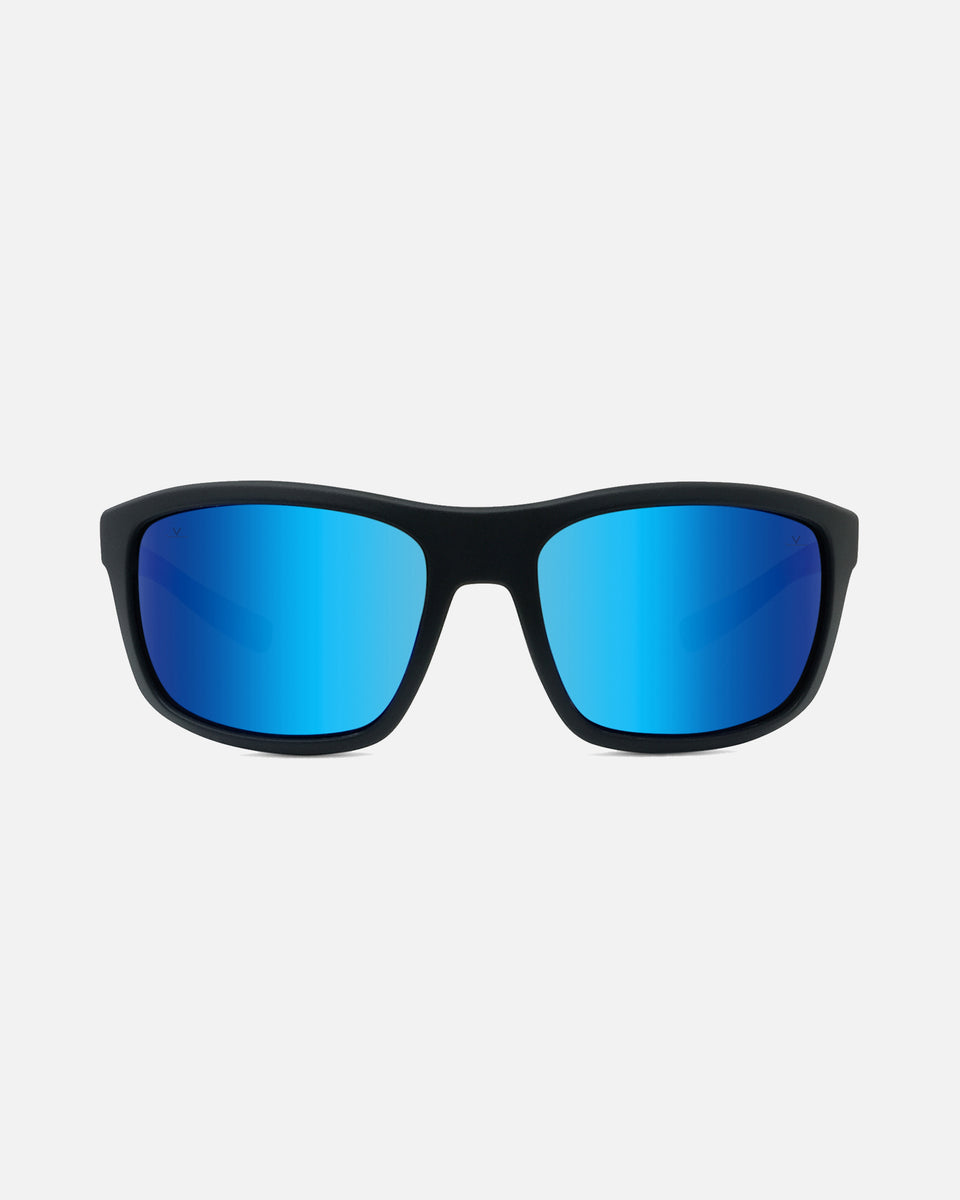
Racing: Vuarnet Sports Sunglasses
From morning runs to long cycling routes, outdoor sport calls for sunglasses that suit the way you move and the light you encounter. The Vuarnet Racing collection brings together wraparound designs, adjustable features on selected models and a choice of lens technologies. Frame fit, coverage and lens specification work together to shape your experience.
Racing includes sunglasses with mineral glass lenses alongside models fitted with organic lenses or shields. Polarized and photochromic options are available on selected versions. This variety allows you to choose according to your activity, preferred frame construction and usual conditions, rather than expecting one lens configuration to suit every outing.
Wraparound frames for an active fit
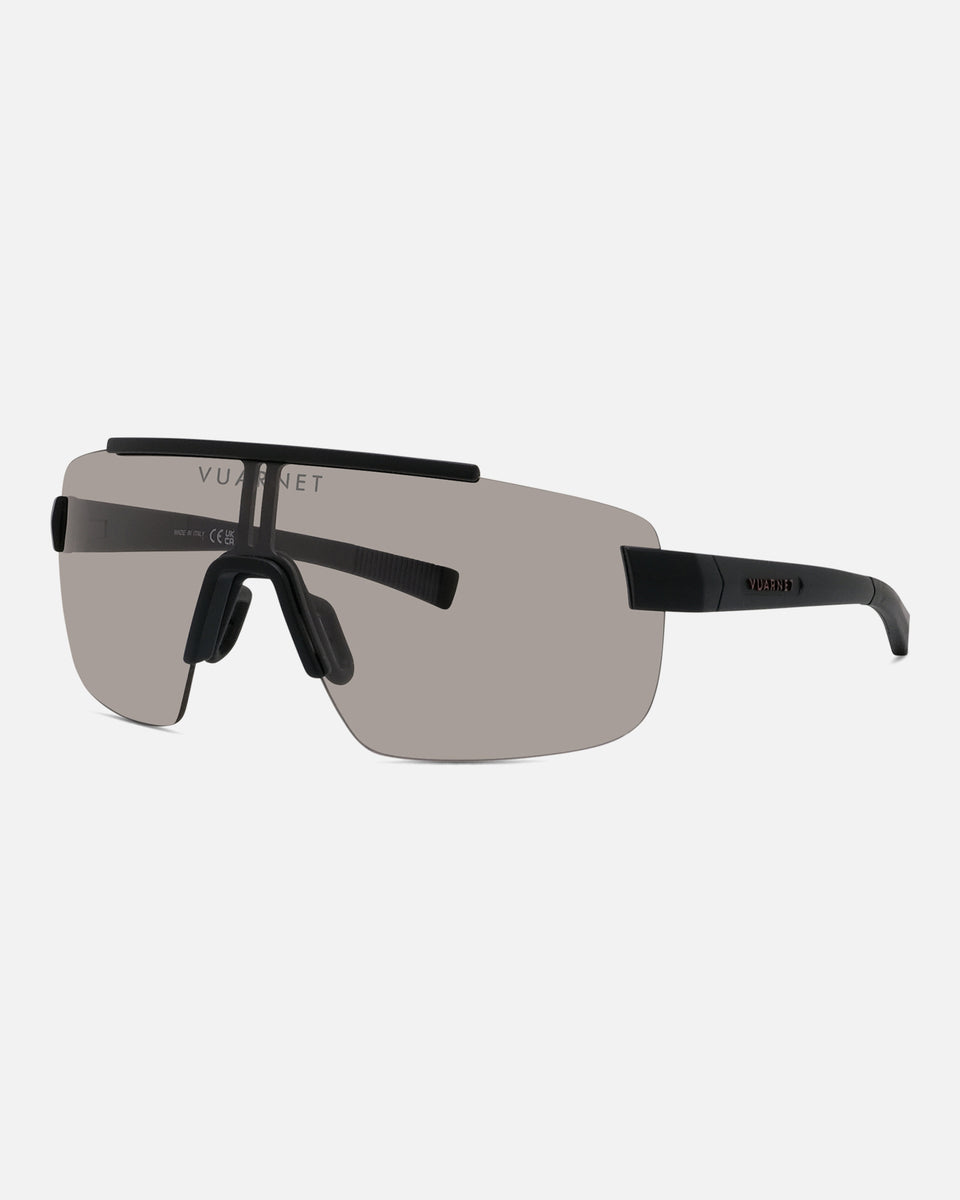
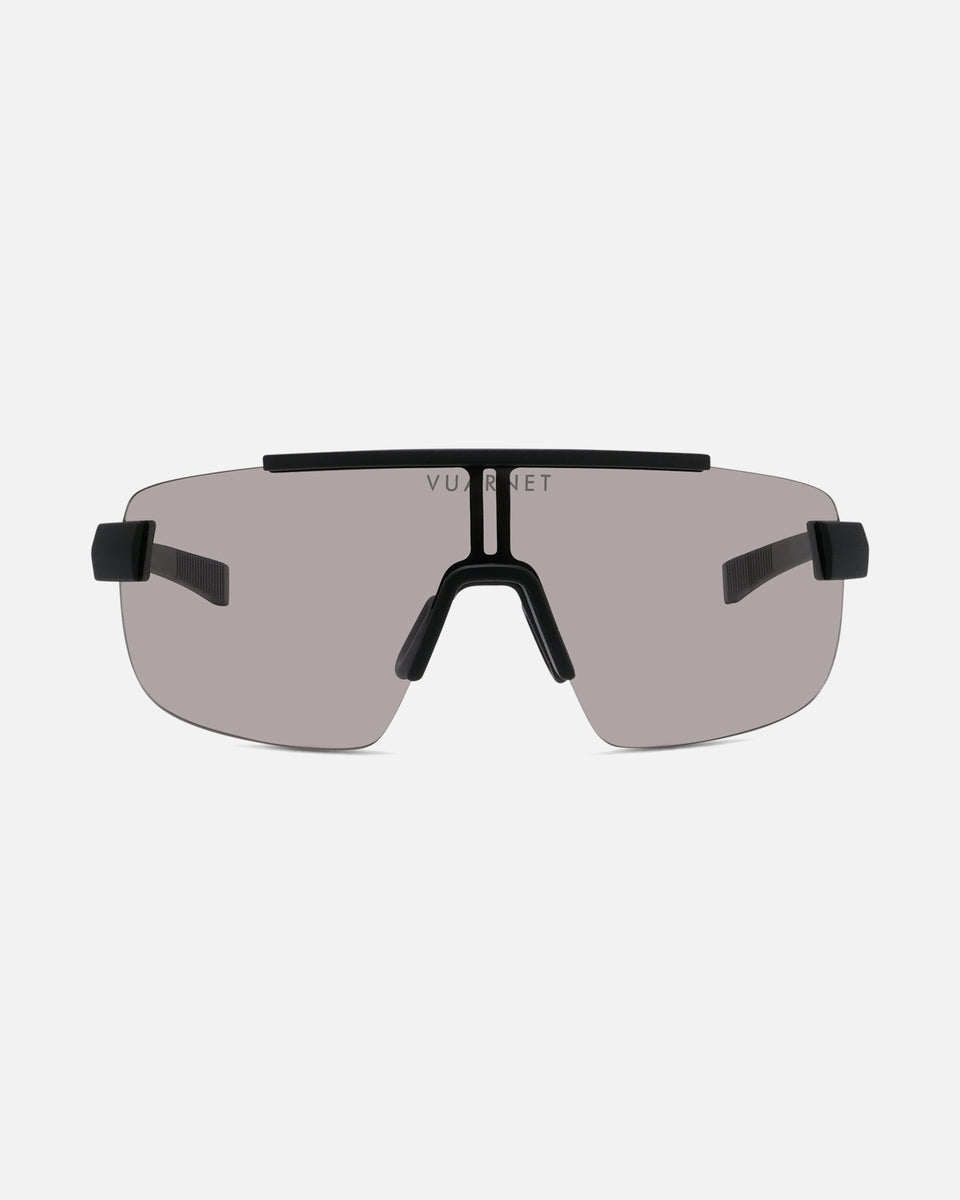
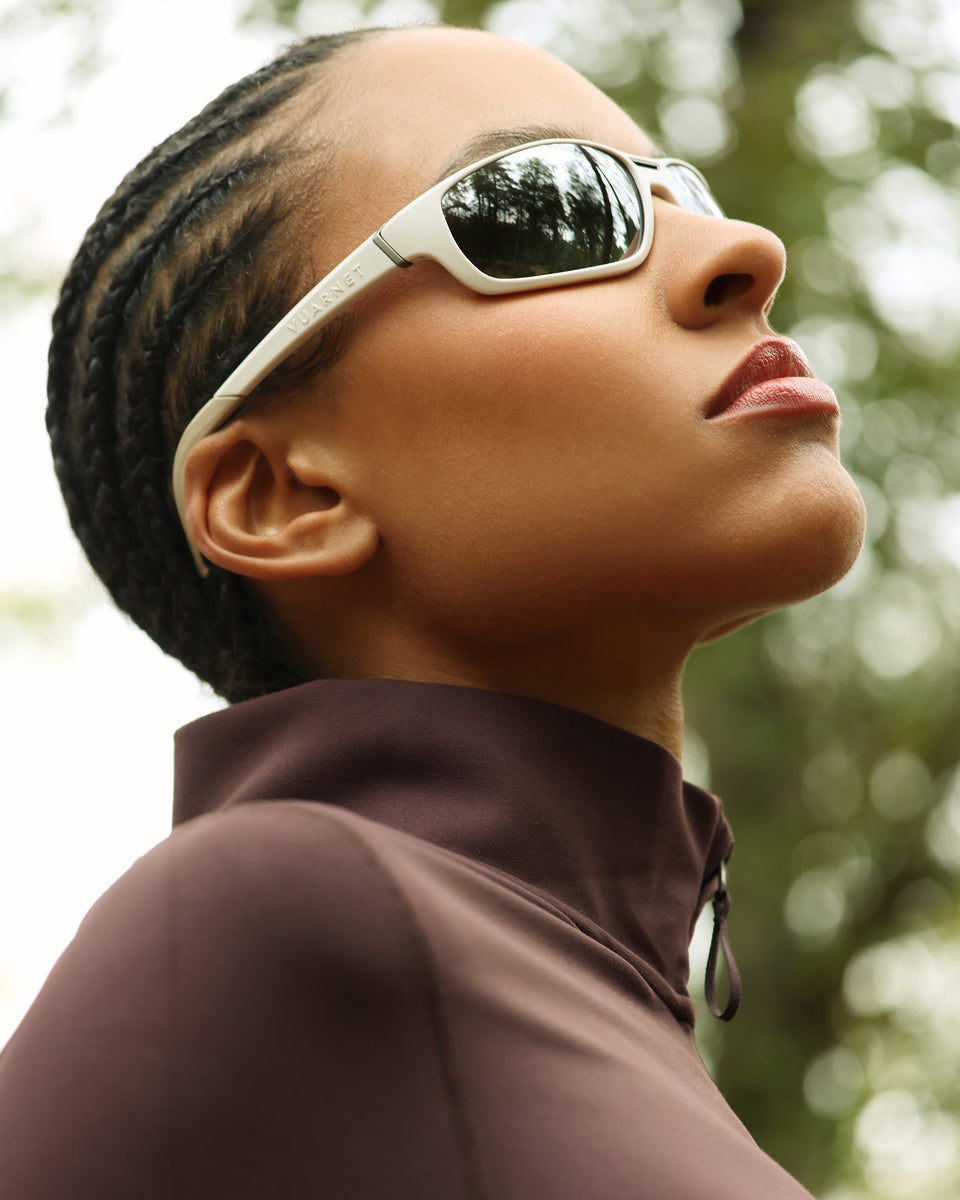
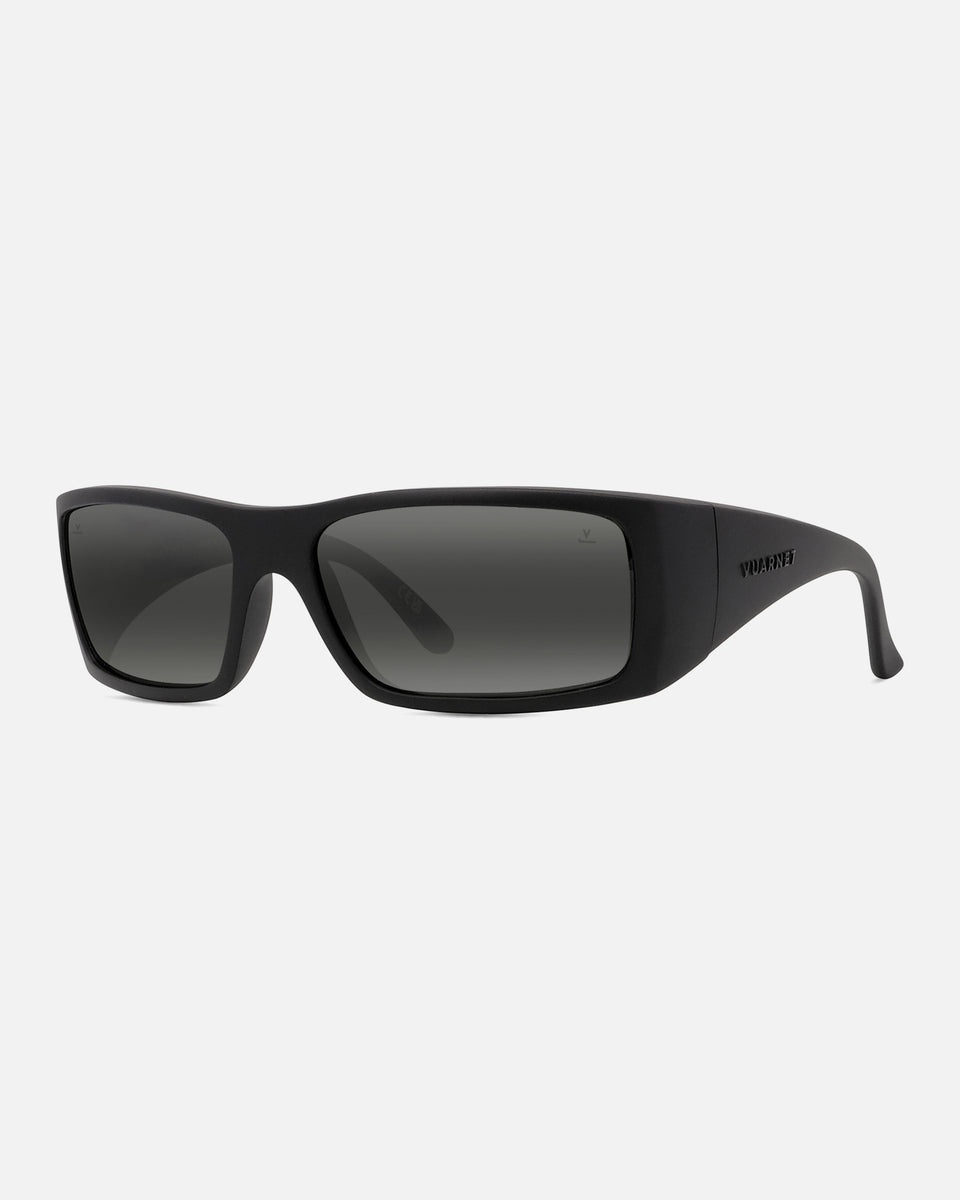
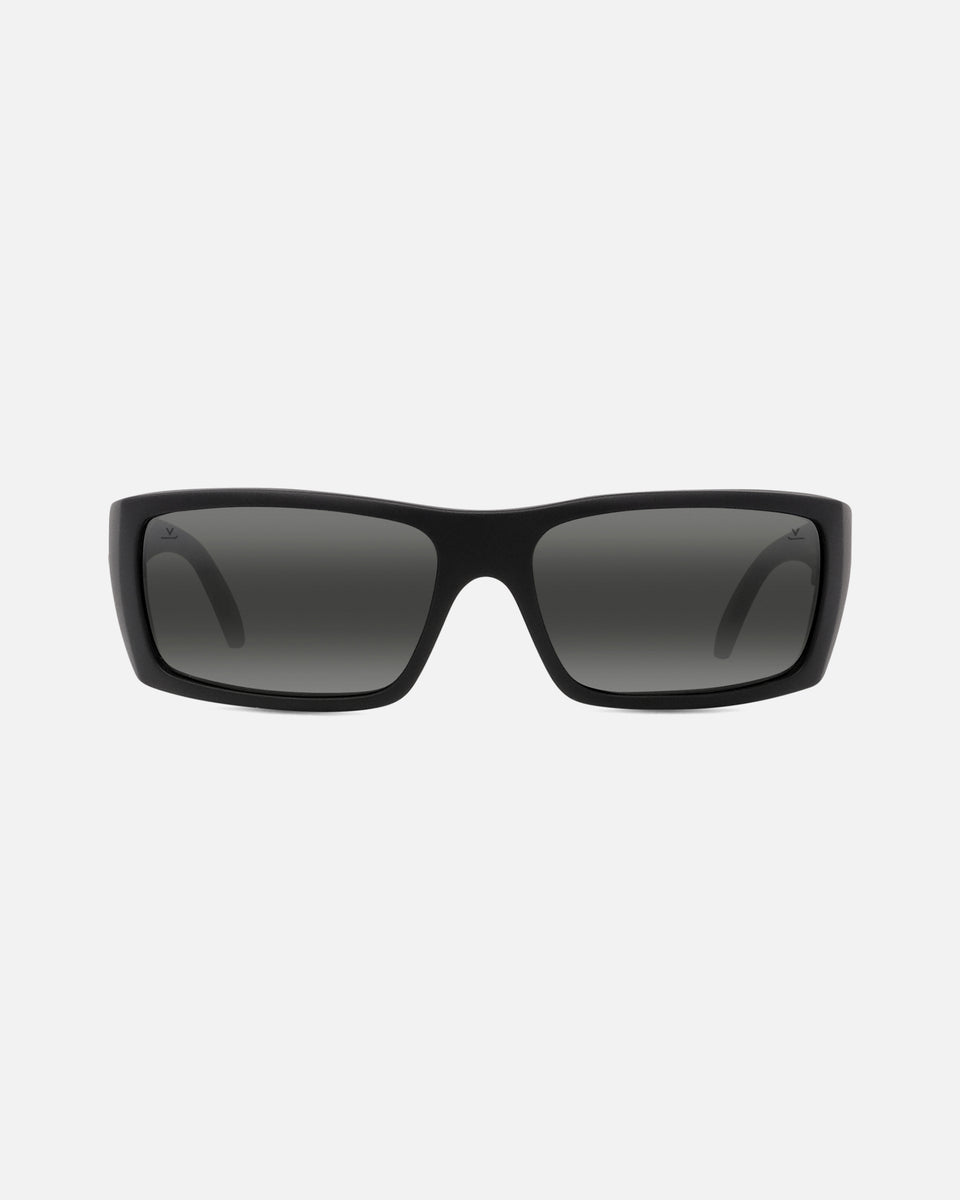
A curved frame is a defining feature of Racing. Its shape follows the contours of the face, bringing the lenses around the sides for wraparound coverage. The way that shape fits your face matters just as much as its appearance.
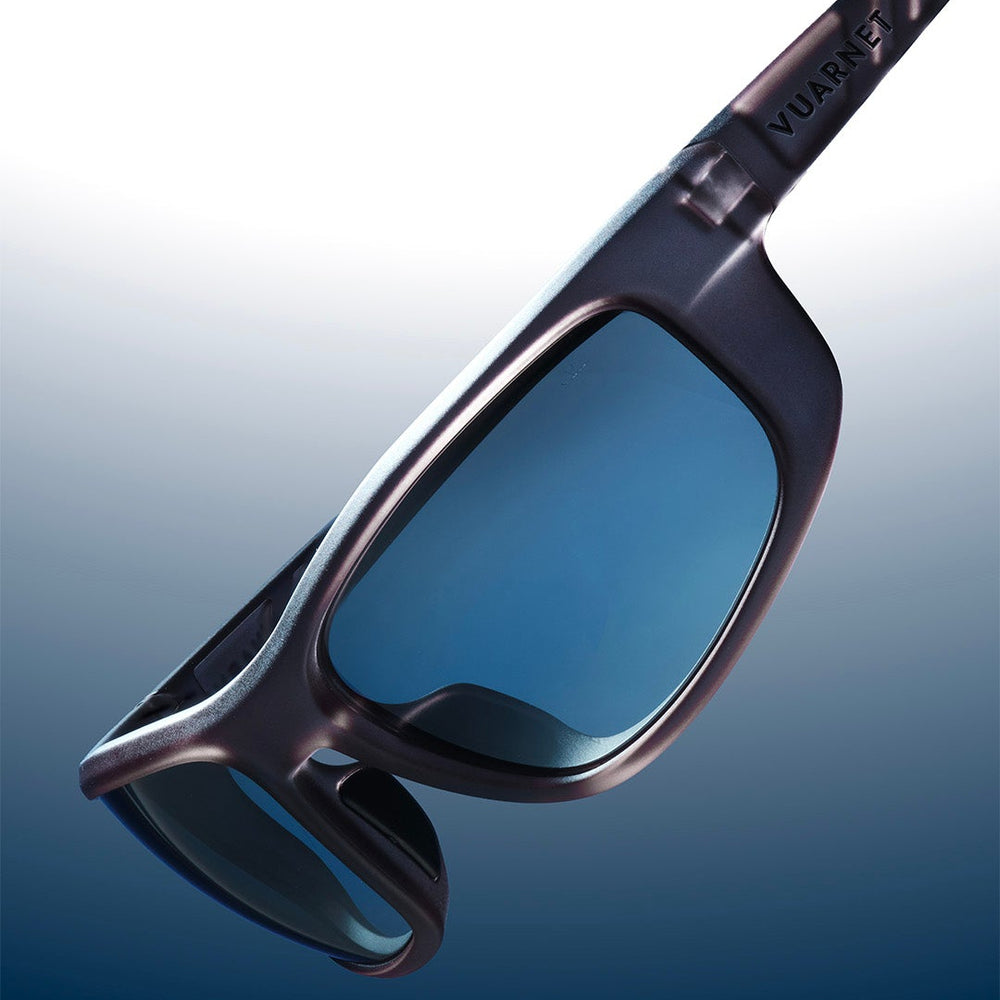
Depending on the model, Racing sunglasses feature rubber contact points, adjustable temple tips or an adjustable nosepiece. These details help refine how the frame sits. Check the individual product specifications to see which adjustments are available on your preferred model.
When trying on sports sunglasses, move your head naturally and look down as well as straight ahead. A comfortable fit should remain stable without creating distracting pressure. Explore the wider Vuarnet sports sunglasses collection to compare different frame shapes and constructions.
Racing 10 and Racing 11: choosing your frame
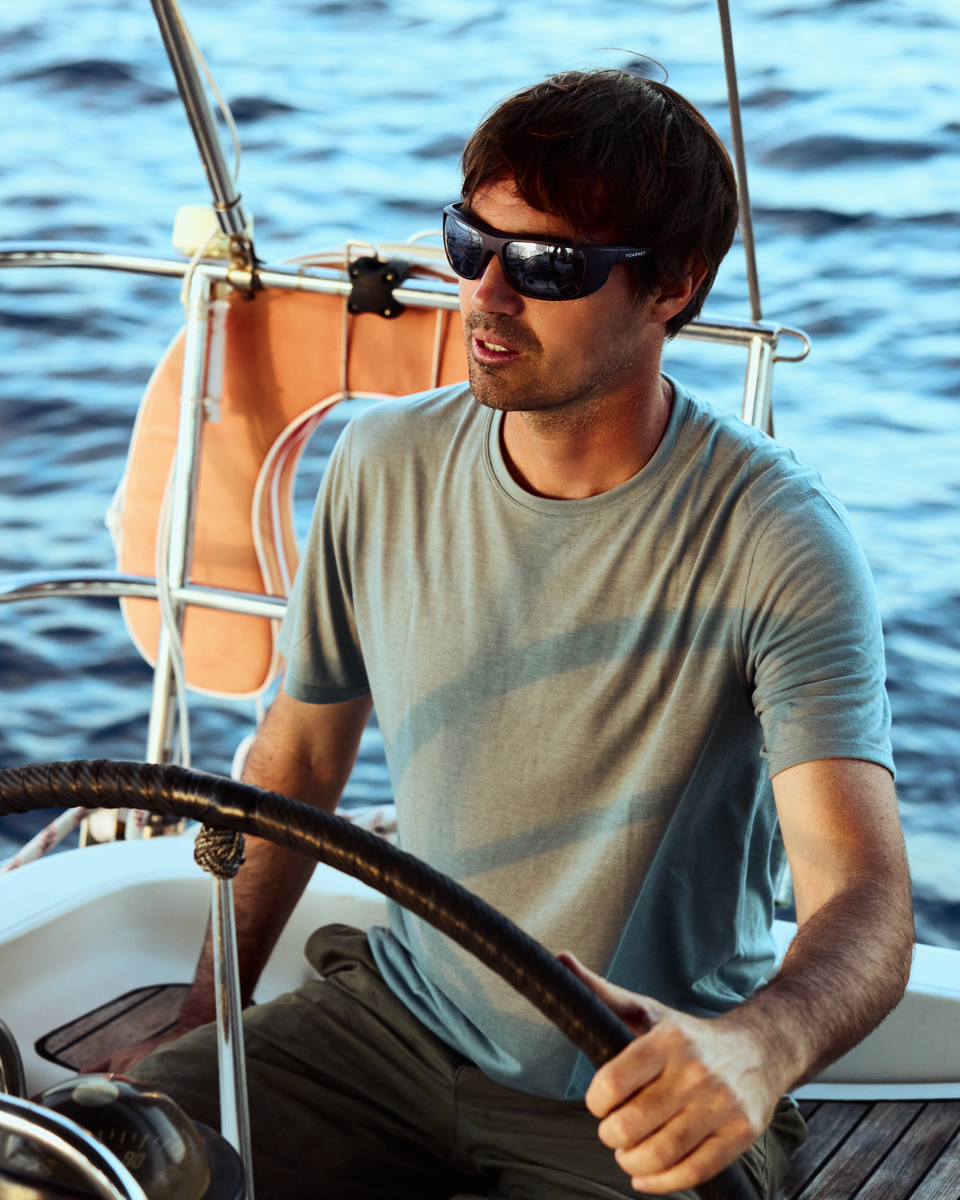
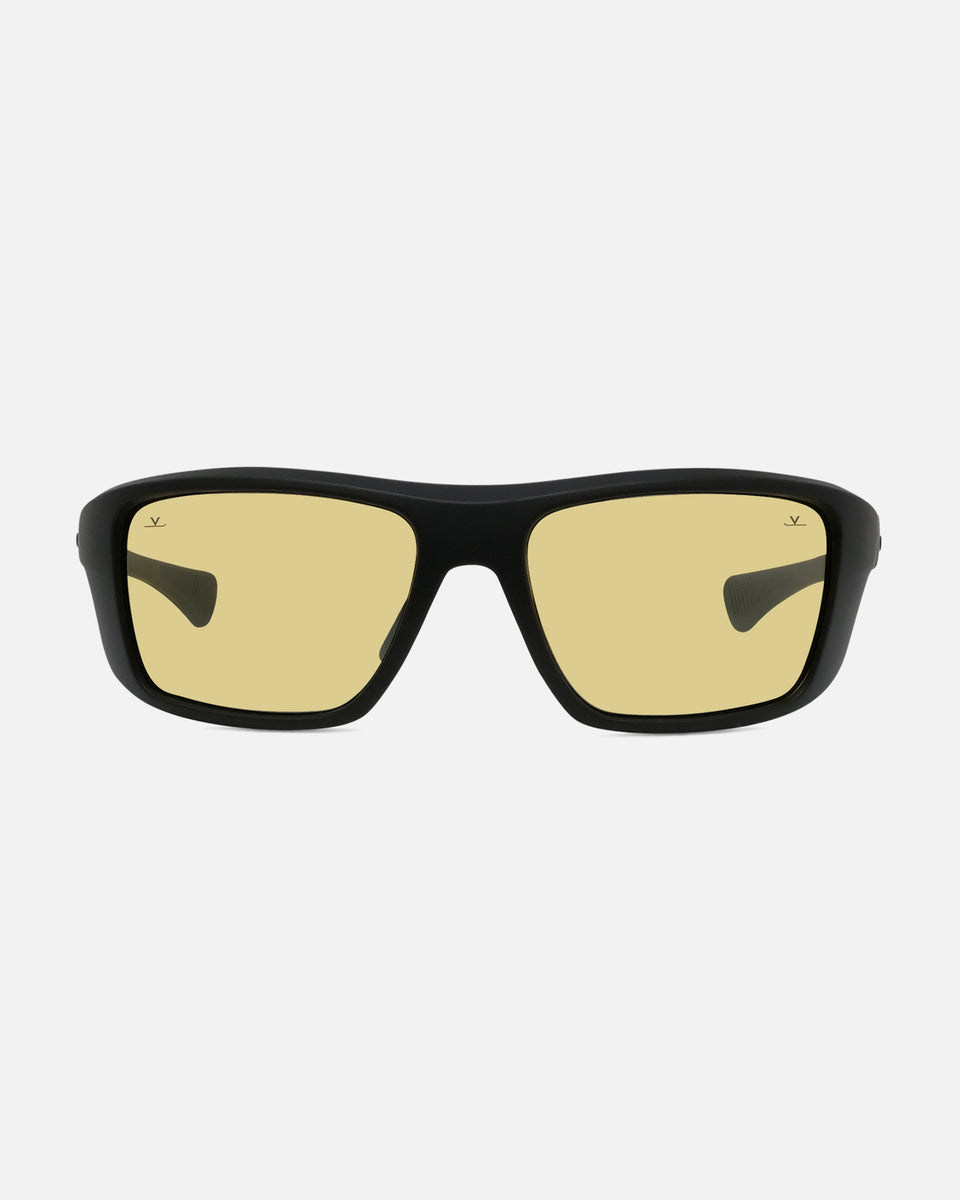
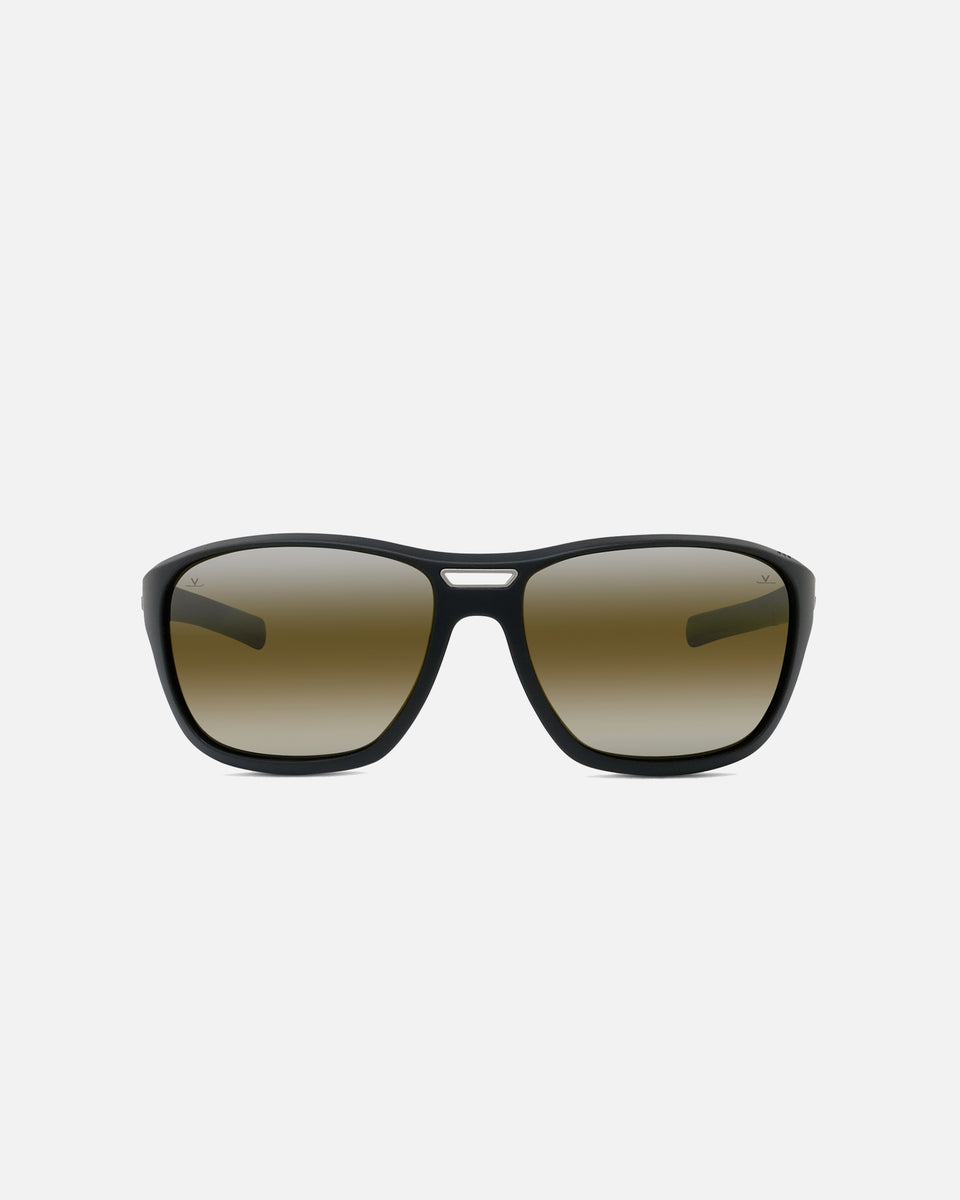
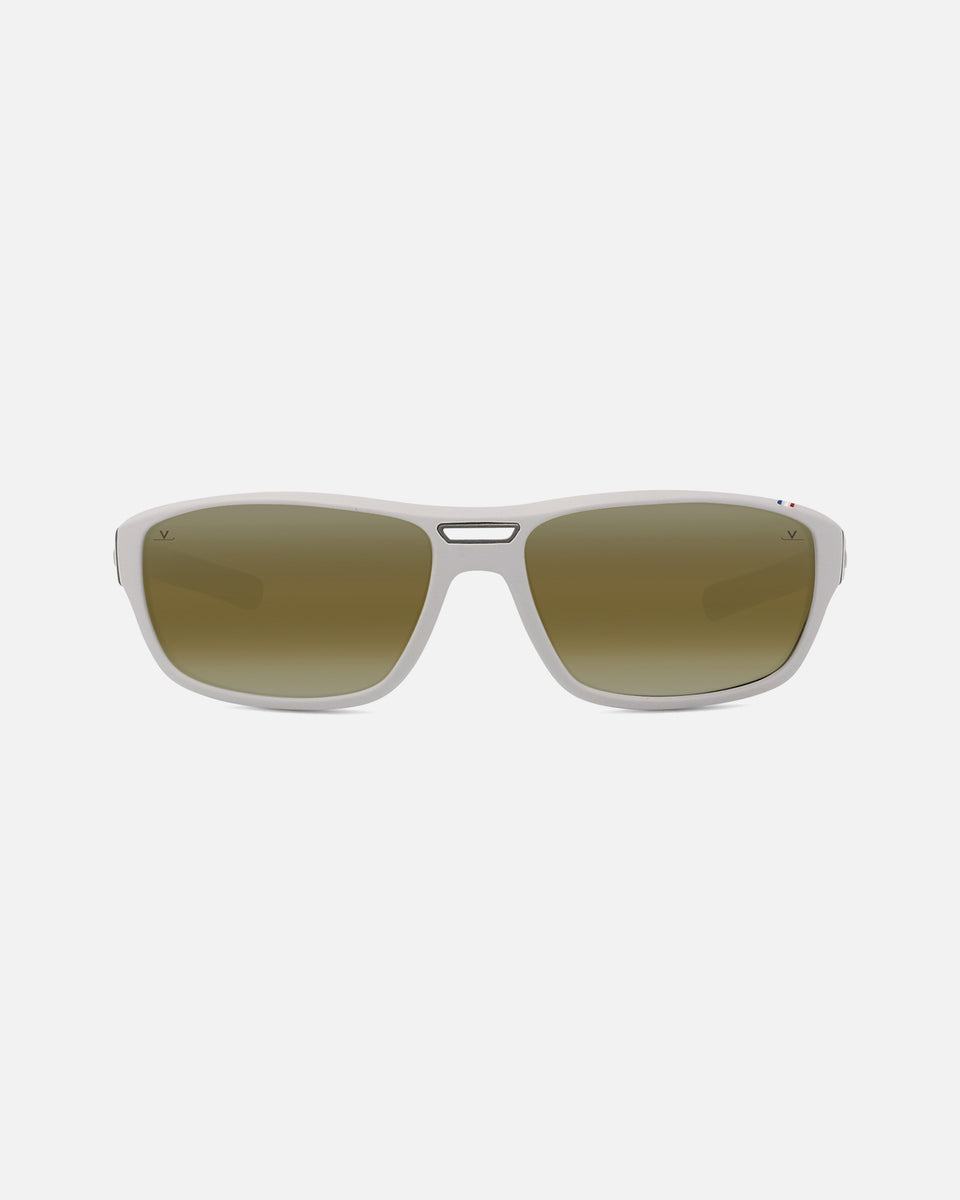
Racing 10 and Racing 11 combine nylon frames with mineral glass lenses. Their temple designs and available lens combinations give each model a distinct character.
- Racing 10: slim temples, rubber grip at the nose and inside the temples, and adjustable temple tips. Selected versions feature Photochromic SmokeLynx™ lenses.
- Racing 11: a wraparound silhouette with wider temples, rubber nose grip and adjustable temple tips. Lens choices vary by version and include Grey PolarLynx™, Skilynx™ and Eclipse options.
Start by comparing the fit of the two frames. Then look at the specific lens offered with each colour combination. Choosing the frame first and checking its lens specification afterwards can overlook an important part of your decision.
If you usually wear a helmet or cap, bring it to your fitting. Temple thickness, helmet retention systems and the position of a cap can all influence how comfortable the complete setup feels.
Organic shields within the Racing collection
Not every Racing model uses mineral glass. The collection also includes organic lens constructions, offering another approach to sports eyewear.
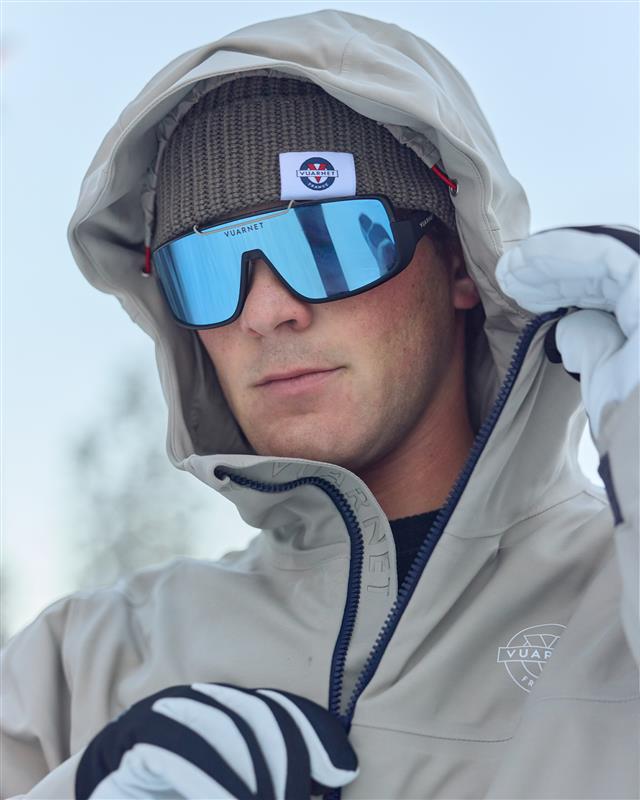
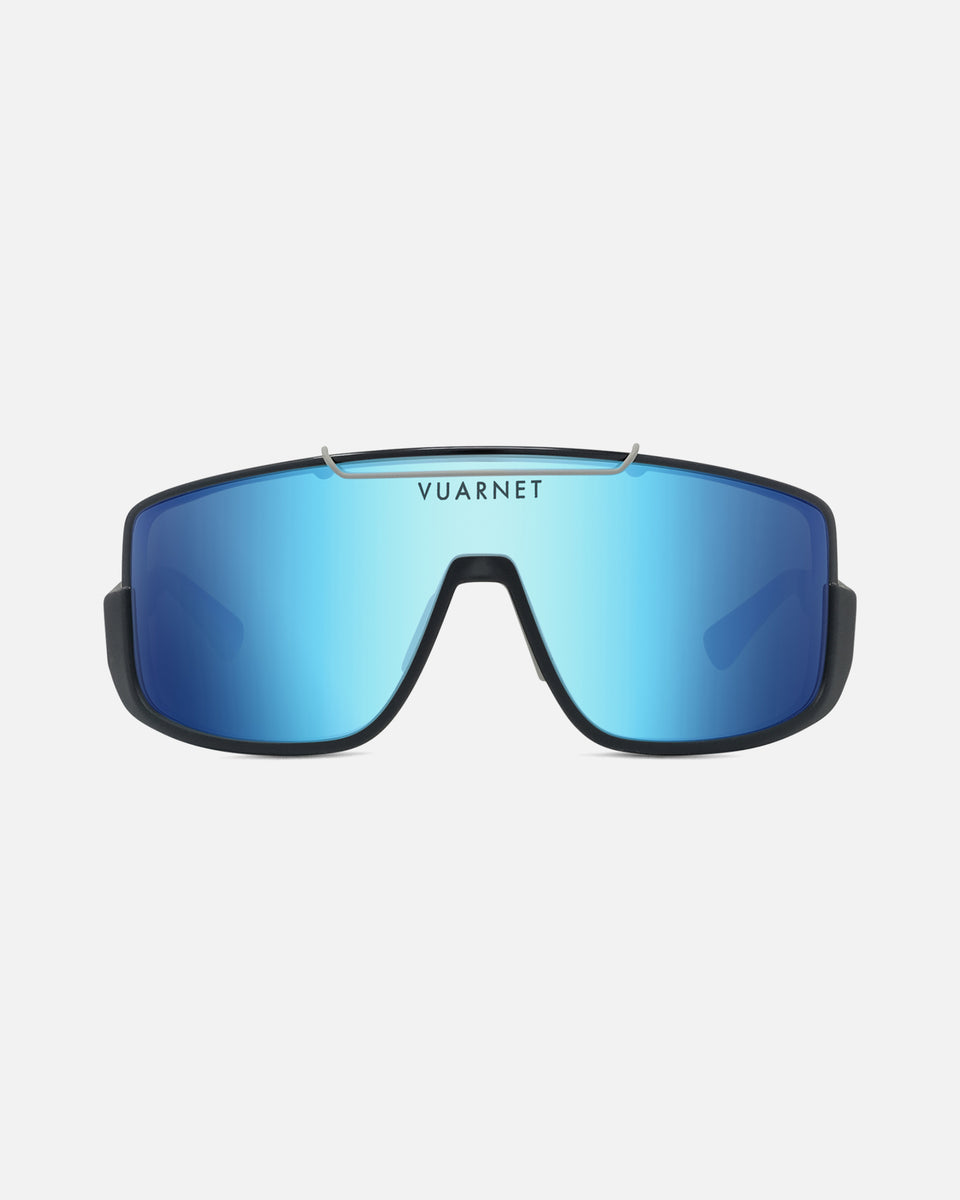
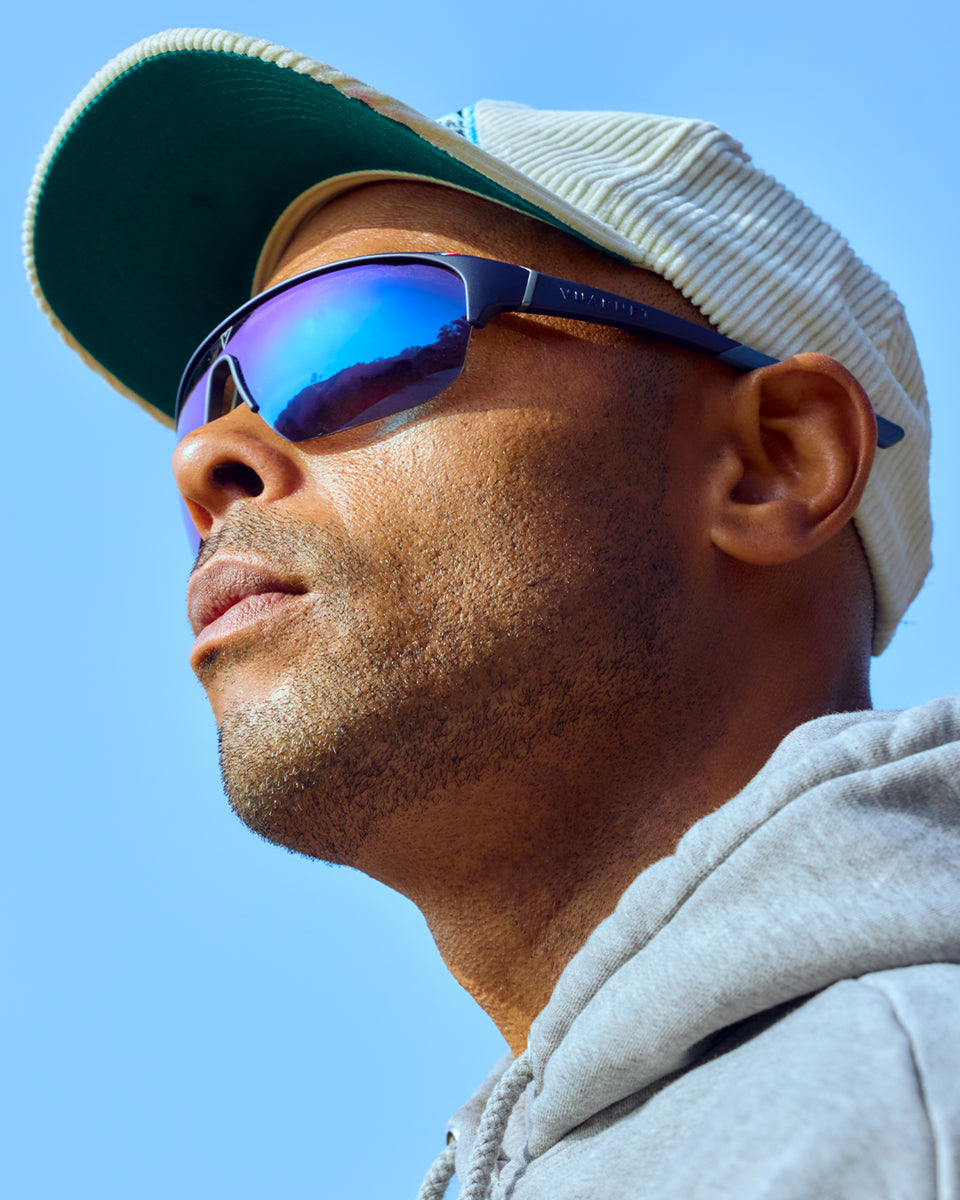
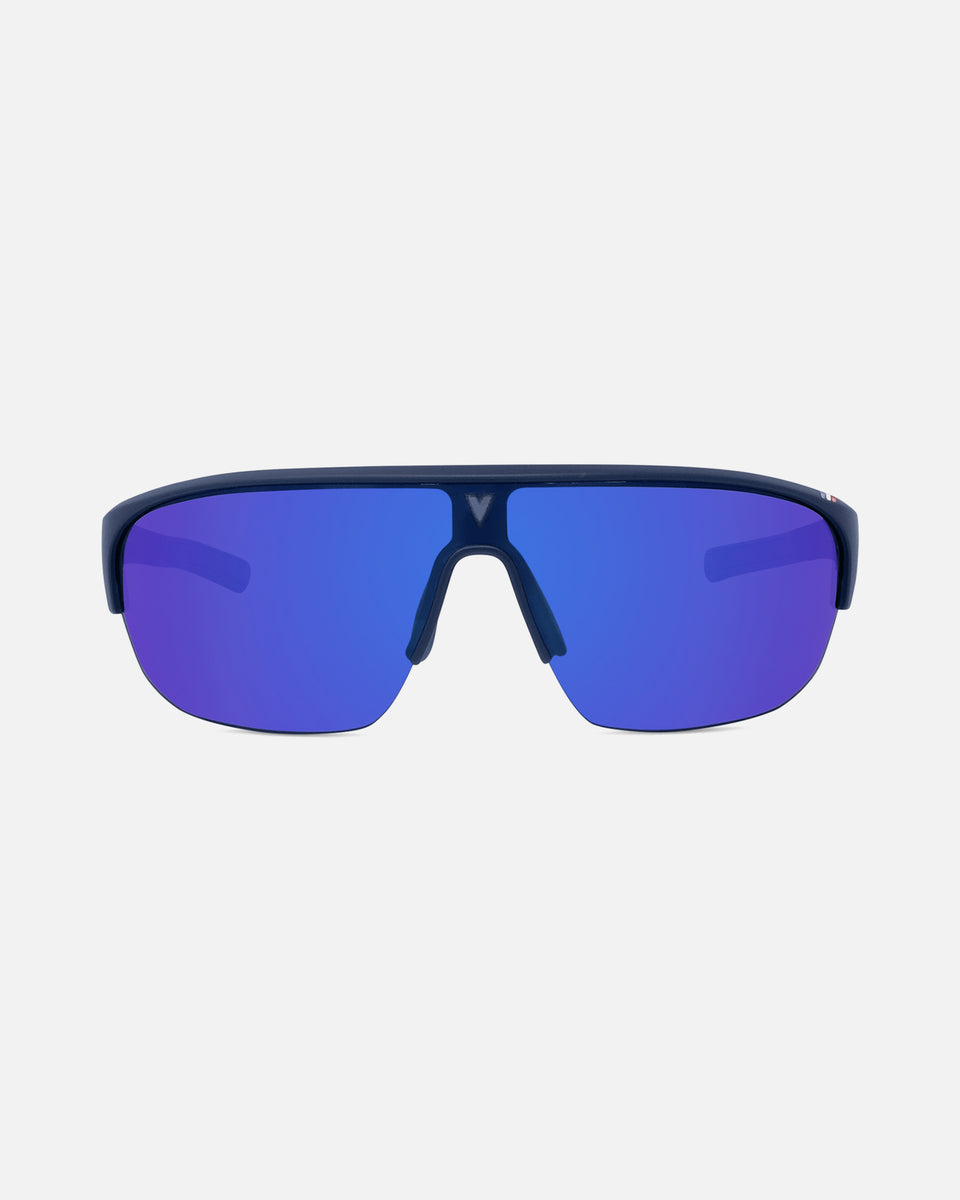
Racing 03 is available in an Organic Grey Polar Blue Mirror version. Racing 06 uses a single organic shield and features an adjustable nosepiece and adjustable temple tips. These designs create a different visual profile from sunglasses built around two separate lenses.
When comparing a shield with a two-lens frame, consider the height of the lens, the position of the frame edges and how the sunglasses sit in your normal sporting posture. A pair that feels comfortable while standing still may sit differently when you lean forward over handlebars.
The most useful comparison is between complete models. Lens material alone does not tell you how a particular frame will fit your face or work with your equipment.
Sunglasses for running and cycling
Running and cycling place different demands on frame fit. Repeated movement makes stability particularly relevant on a run. On a bike, your head angle and riding position affect where you look through the lenses.
Your route also matters. Open roads, shaded lanes and woodland sections create different lighting conditions. Think about the environments you encounter most frequently, including the time of day you usually train.
The running and cycling sunglasses selection offers a broader way to compare suitable designs. Use your activity as a starting point, then narrow your choice through frame fit and lens specification.
Polarized, Lynx™ and photochromic lenses explained
These terms describe different lens functions. Understanding them makes it easier to identify the equipment that matches your priorities.
- Polarized lenses reduce certain distracting reflections from reflective surfaces.
- Lynx™ technology uses a bi-gradient mirror treatment, with stronger treatment across the upper and lower lens areas.
- PolarLynx™ combines polarization with Lynx™ technology.
- Photochromic lenses change tint according to light exposure.
If reflected glare is a priority, explore the polarized sunglasses collection. A mirrored finish does not, by itself, mean that a lens is polarized. Similarly, a photochromic lens should only be considered polarized when that feature is specifically stated.
Photochromic SmokeLynx™: adaptive tint with Lynx™ technology
Available on selected Racing 10 versions, Photochromic SmokeLynx™ combines a category 1–3 photochromic tint range with the Lynx™ bi-gradient mirror treatment. These are two complementary characteristics within the same mineral glass lens.
This option is worth considering when your regular outings involve changing light. Remember that photochromic tint adjustment is a process rather than an instant switch each time you move between sunshine and shade.
Explore the Photochromic SmokeLynx™ lens selection and check the specification of the exact frame and lens combination you are considering.
Mineral glass expertise since 1957
Vuarnet’s history with mineral glass dates back to 1957. The House manufactures its mineral lenses in Meaux, France, through a process involving 17 production stages. This expertise applies to mineral glass lenses and should be distinguished from the construction of organic shields.
The Vuarnet mineral lens guide explains the available tints and technologies. Use it to compare the complete lens specification, including material, filter category and treatments.
A darker appearance alone does not describe every aspect of a lens. Equally, the frame name does not identify all the technologies available across its different versions. Reading the full specification helps you make a more informed choice.
Five points to check before choosing Racing
A useful fitting goes beyond selecting a frame colour. Consider these five points before making your decision:
- Your main activity: identify whether running, cycling or general outdoor use comes first.
- Your usual light: consider sustained sunshine, shaded routes or variable exposure.
- Your fit: check nose comfort, temple pressure, eyelash clearance and stability.
- Your other equipment: try the sunglasses with your helmet or cap.
- Your lens requirements: compare material, filter category, polarization and any photochromic function.
For mountain outings, you can also compare Racing with the Vuarnet ICE collection. Examine each model’s stated features and intended use to identify the coverage and equipment you need.
Take time to assess your sunglasses in the posture you use most often. Look ahead, turn your head and check that the frame stays comfortably positioned. These simple observations help connect the technical specification with how the sunglasses actually feel when worn.
FAQ: Vuarnet Racing sunglasses
Do all Racing sunglasses have mineral glass lenses?
No. Racing includes mineral glass models, such as Racing 10 and Racing 11, alongside models with organic lenses or shields. Check the specification of the individual product and version.
What is the difference between Racing 10 and Racing 11?
Racing 10 has slim temples, while Racing 11 features wider temples. Both models offer mineral glass lenses and adjustable temple tips. Available frame colours and lens combinations also differ.
Are all Racing sunglasses polarized?
No. Polarization depends on the selected lens version. A mirrored or photochromic lens is not automatically polarized. Check the lens name and technical details before choosing.
What does Photochromic SmokeLynx™ offer?
It combines a category 1–3 photochromic tint range with Lynx™ bi-gradient mirror technology. It is available on selected Racing 10 versions.
How should I check helmet compatibility?
Try the sunglasses with your usual helmet. Check that the temples sit comfortably, the retention system does not create pressure and the frame remains stable in your normal riding position.