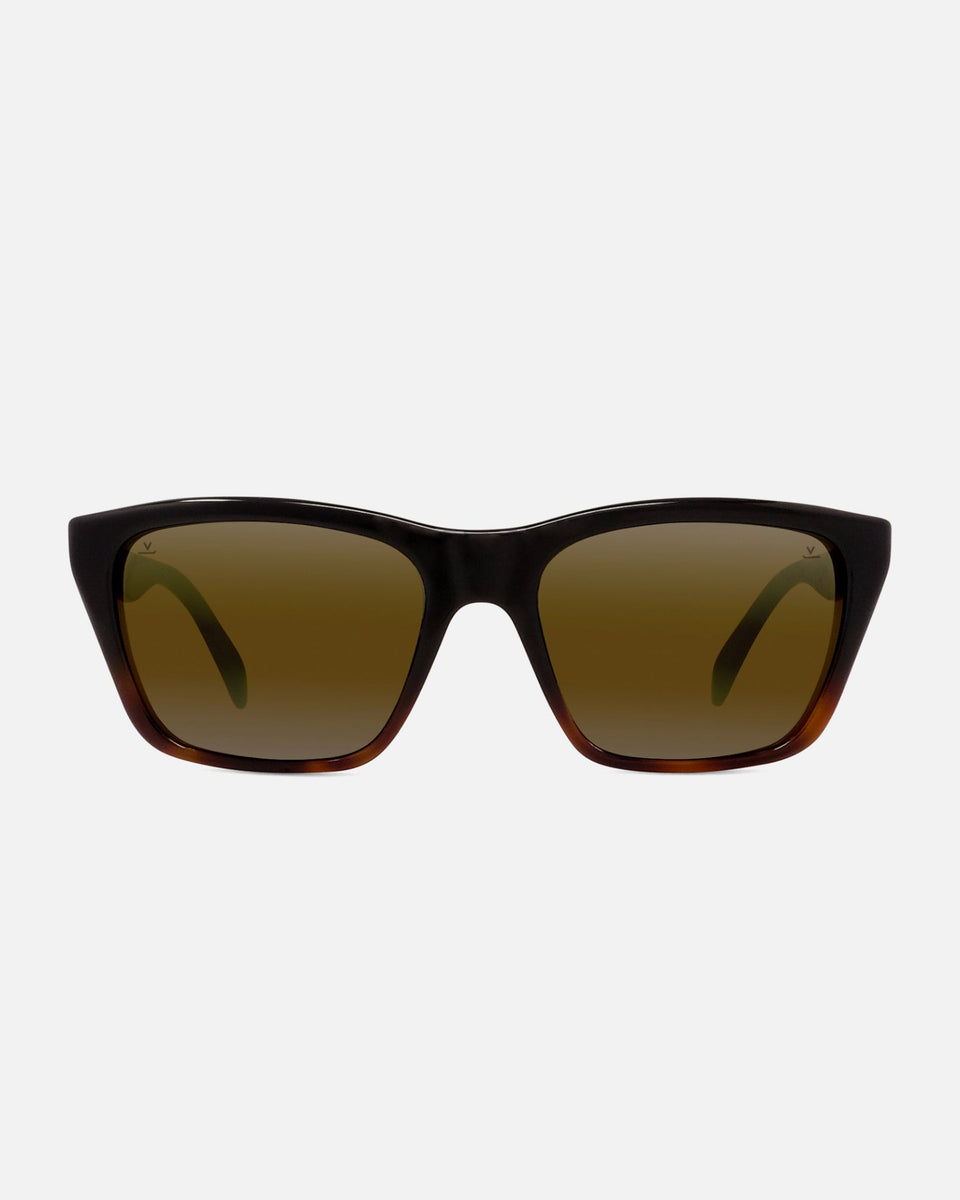
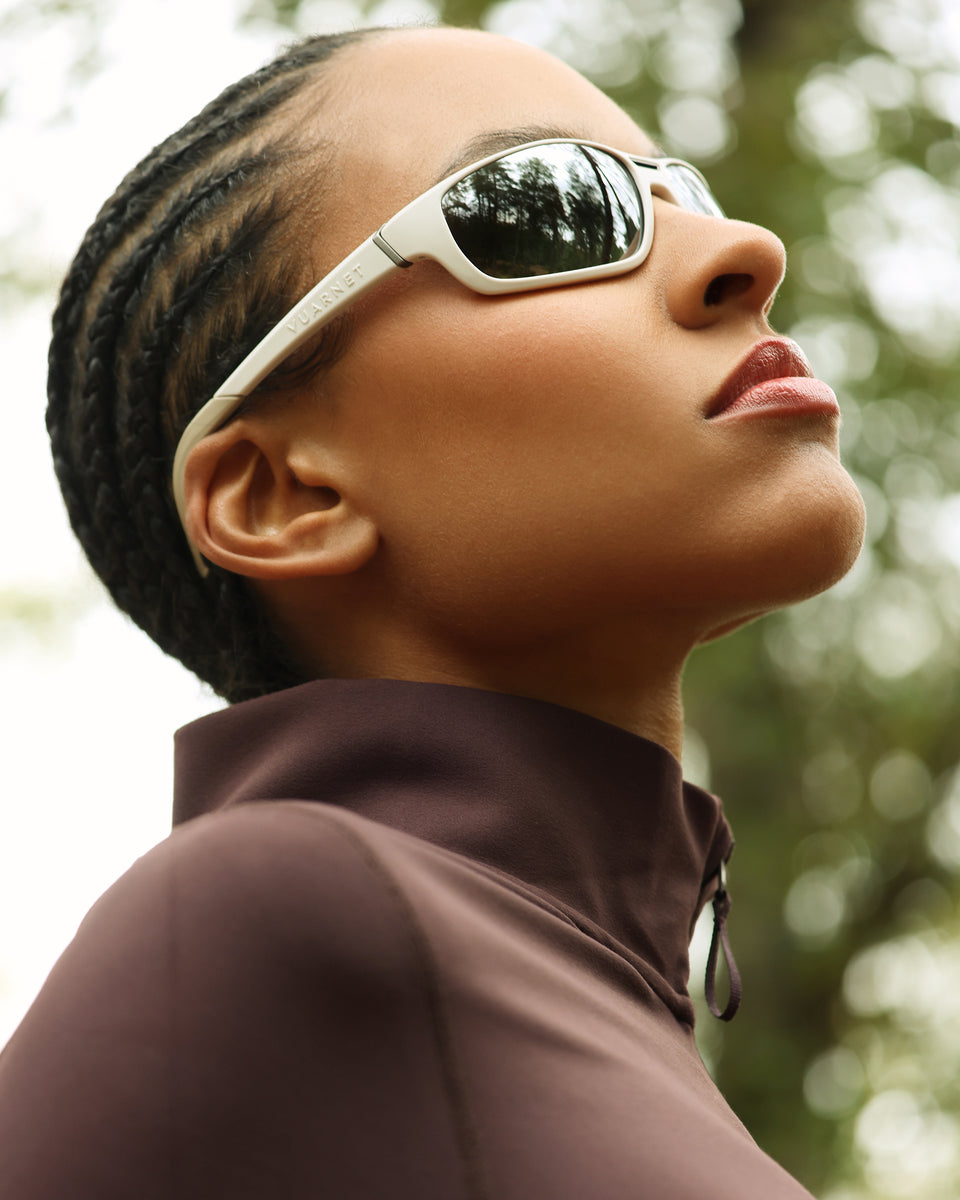
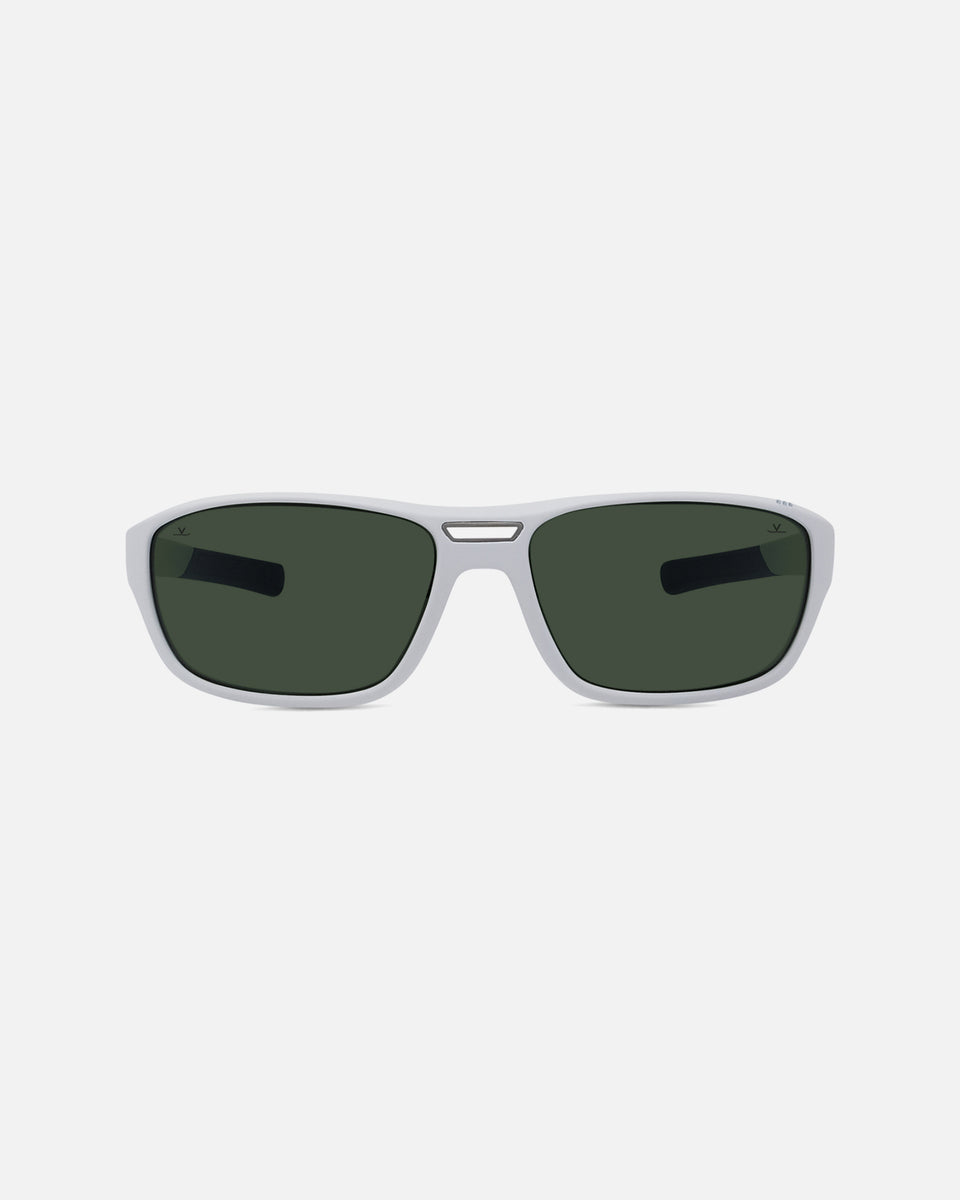
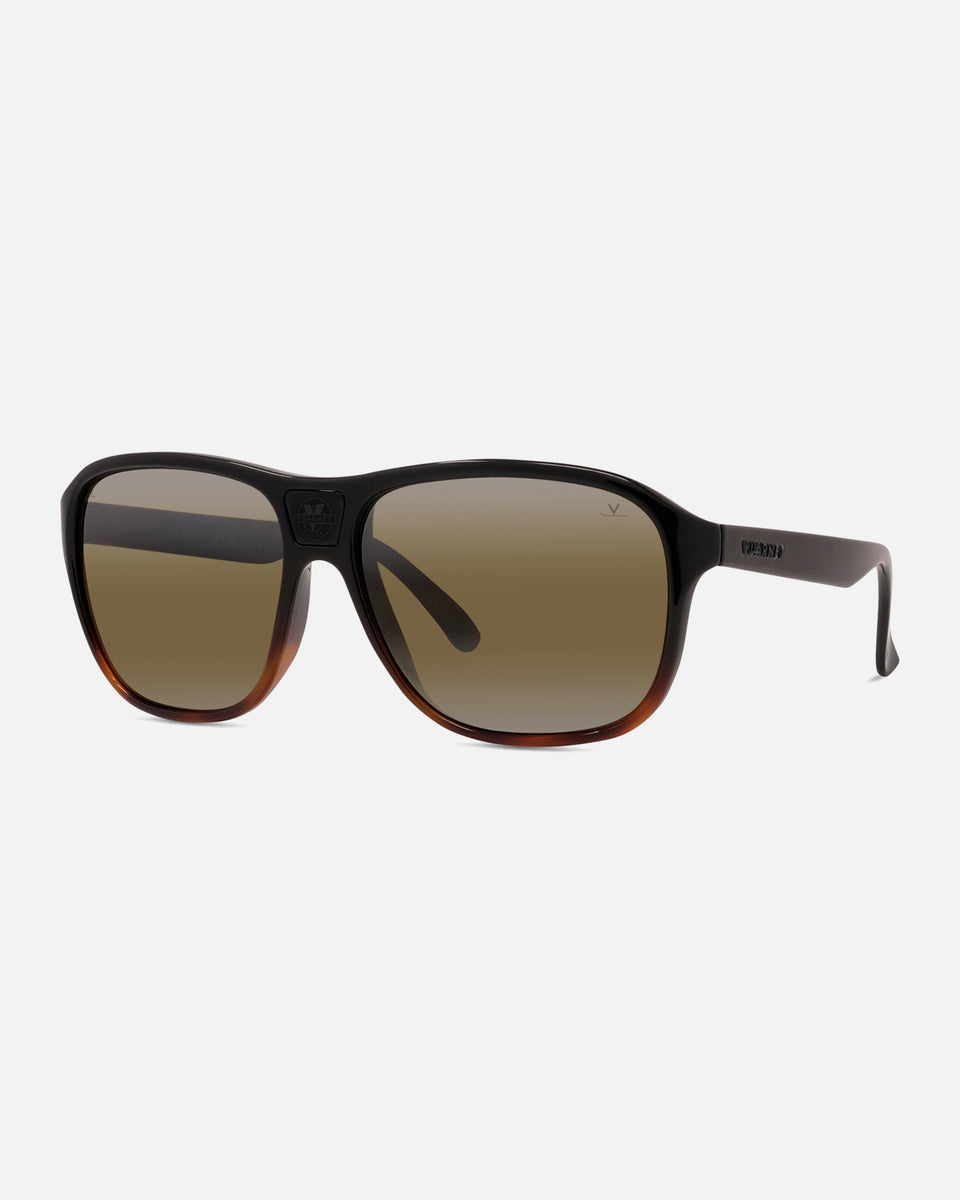
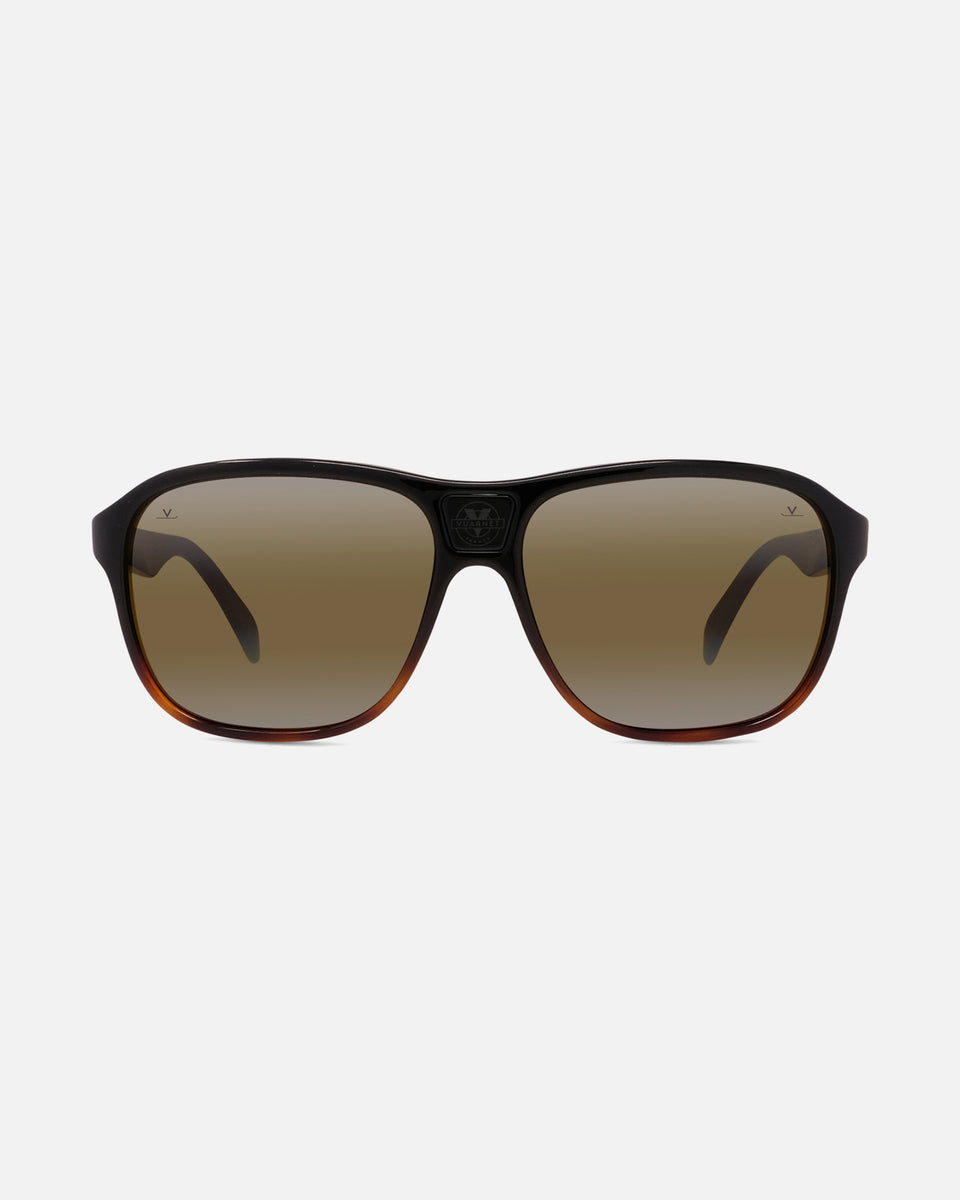
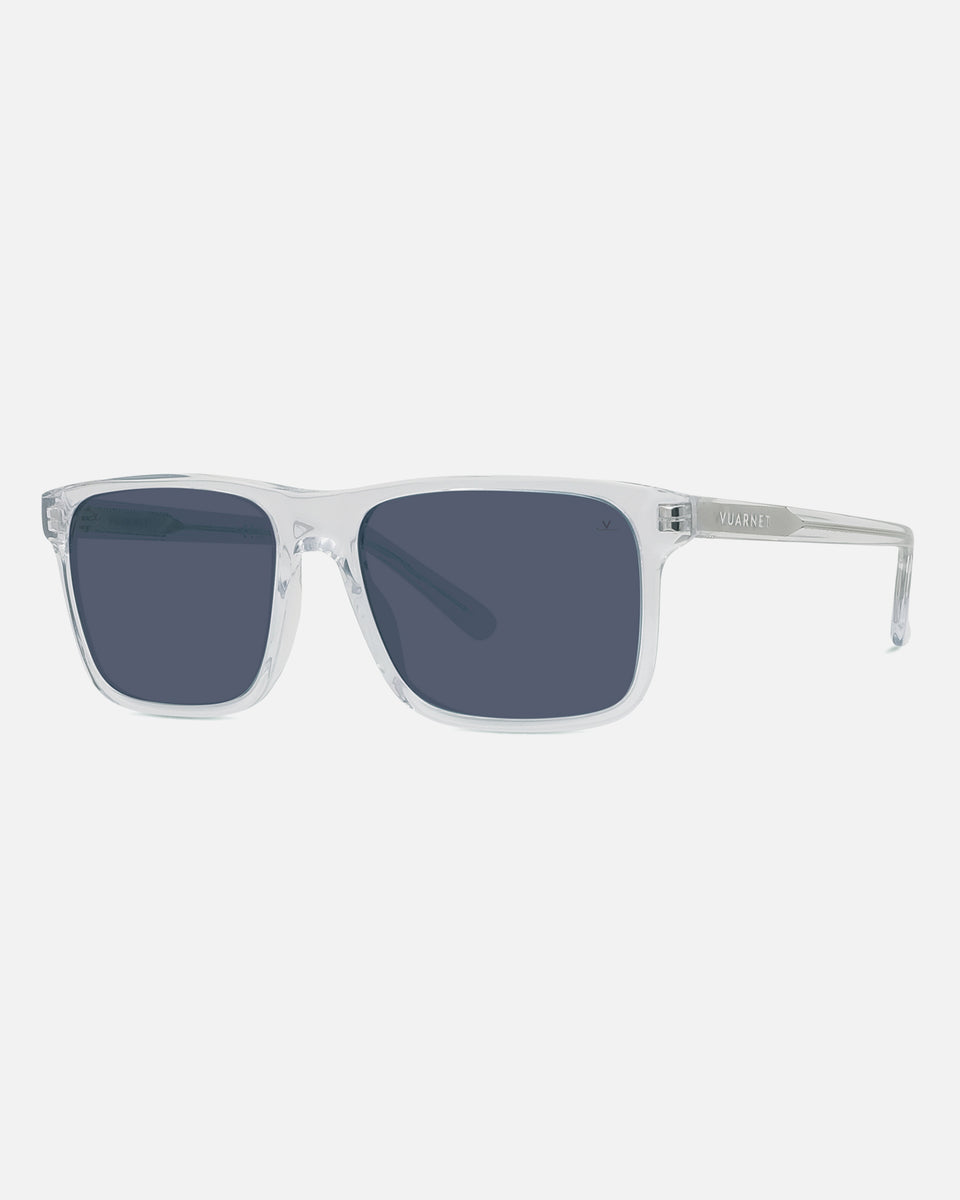
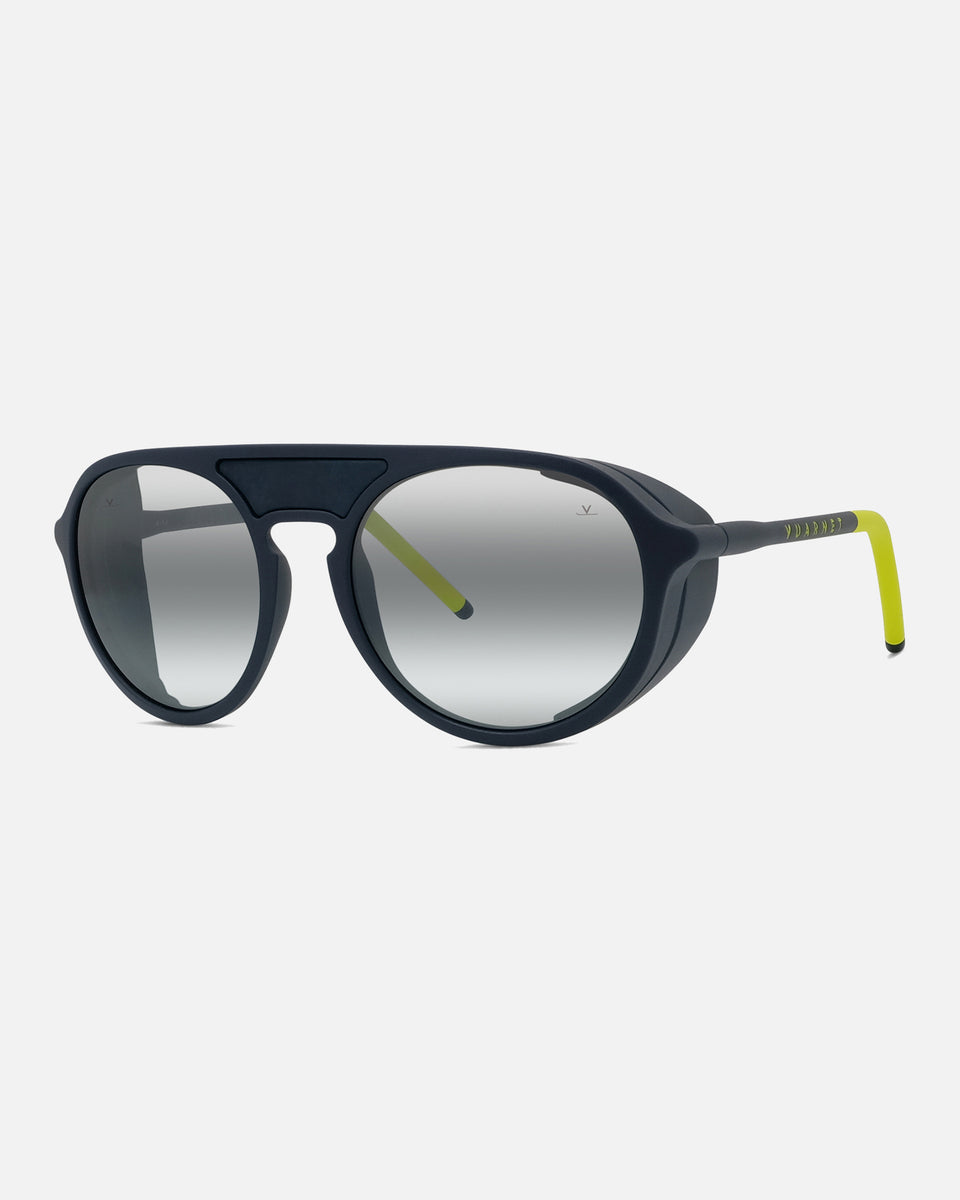
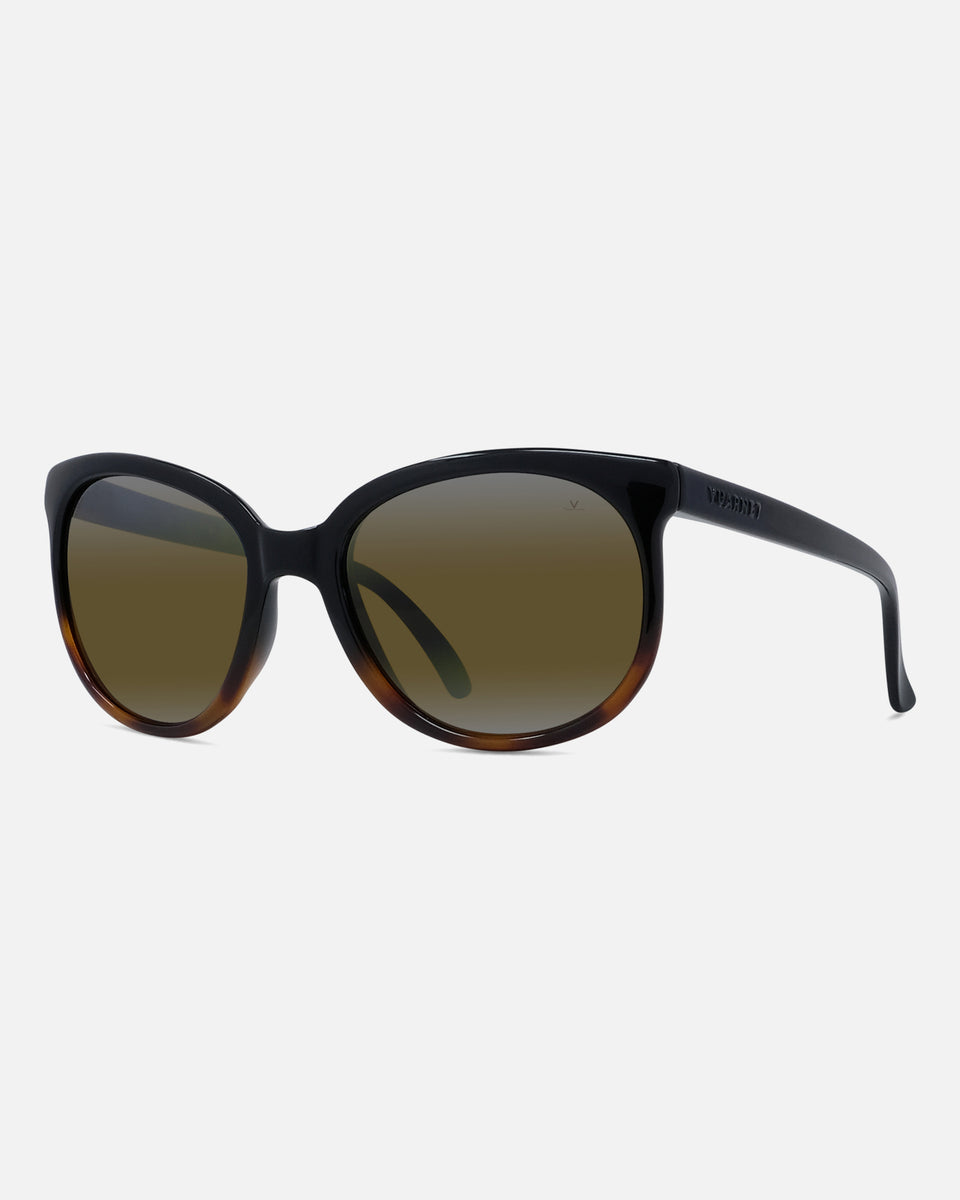
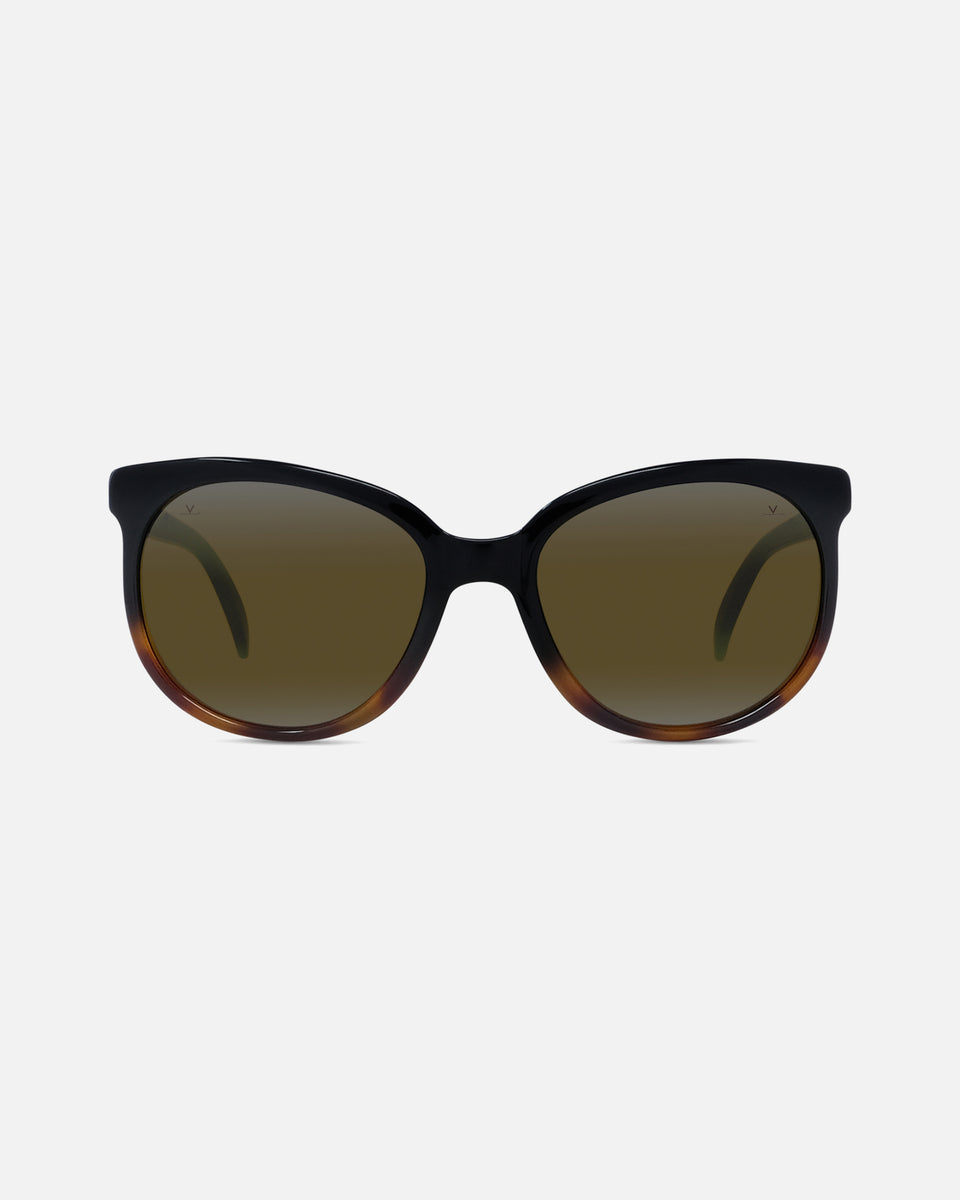
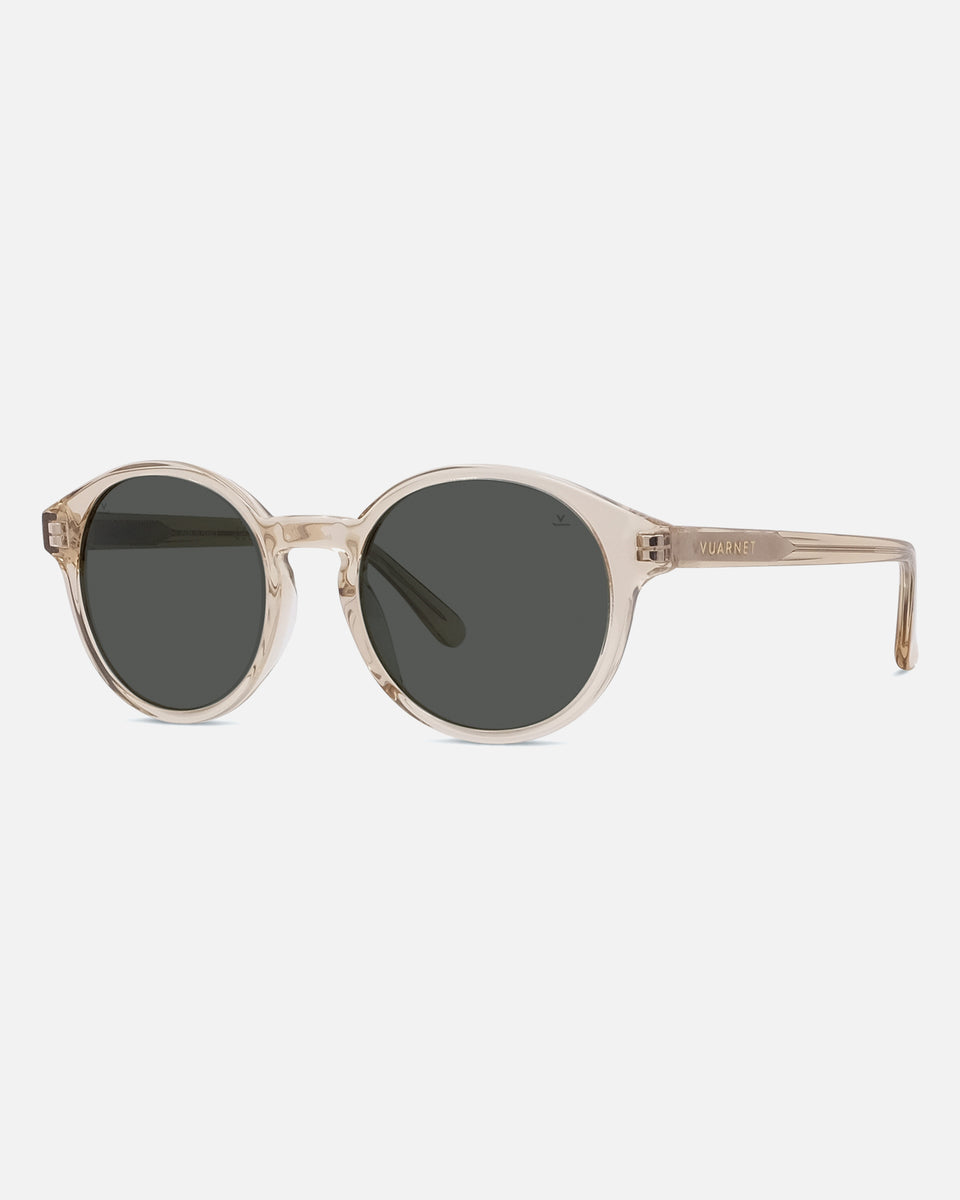
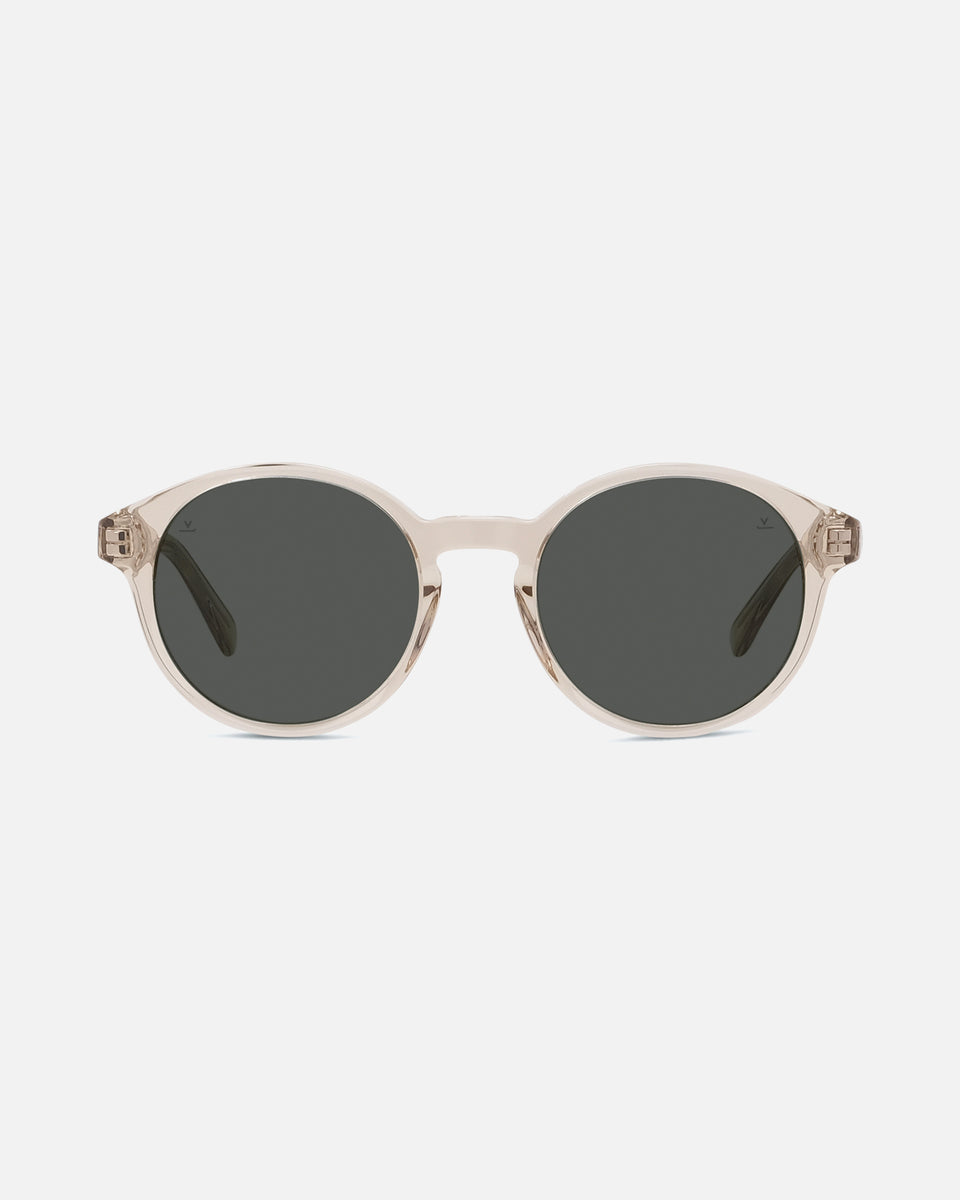
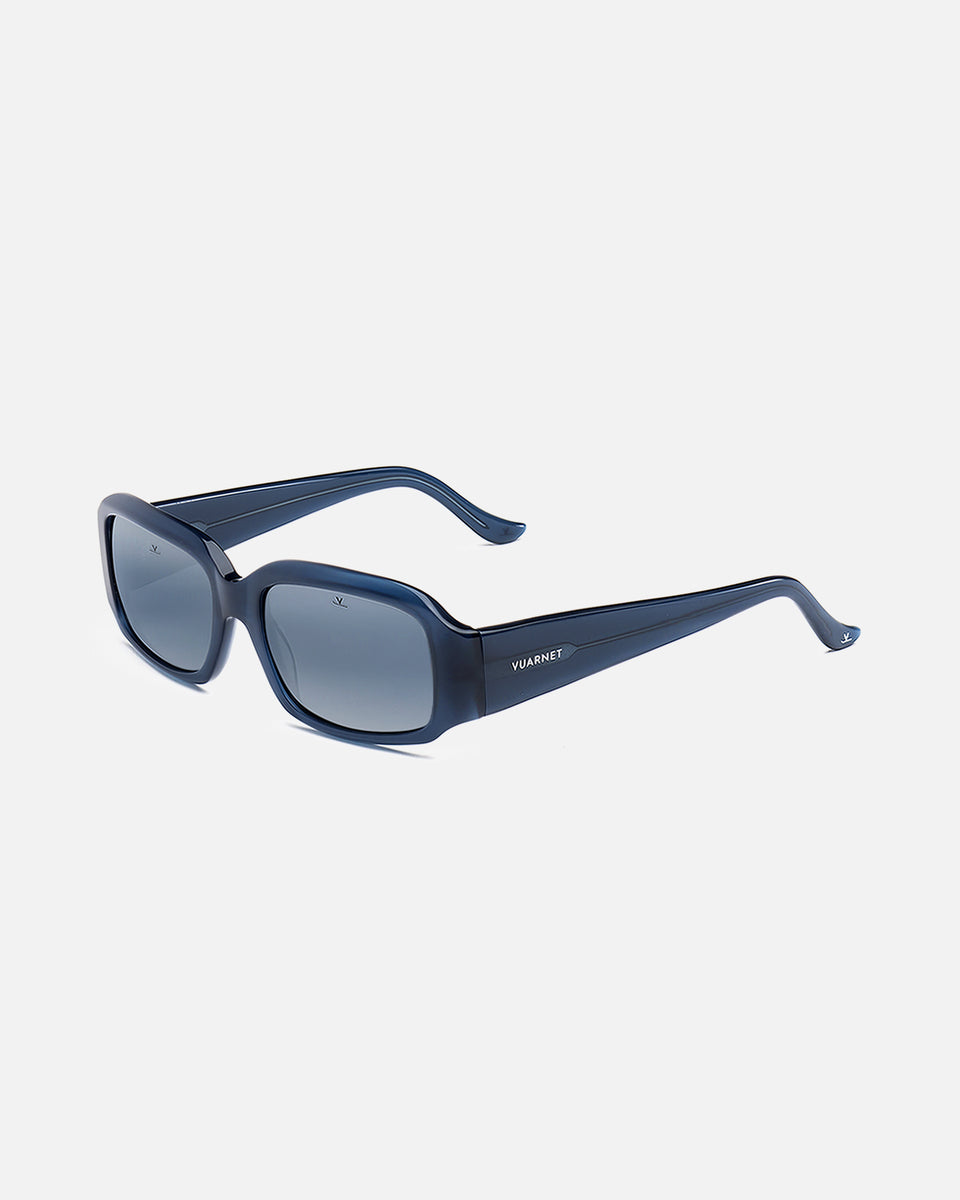
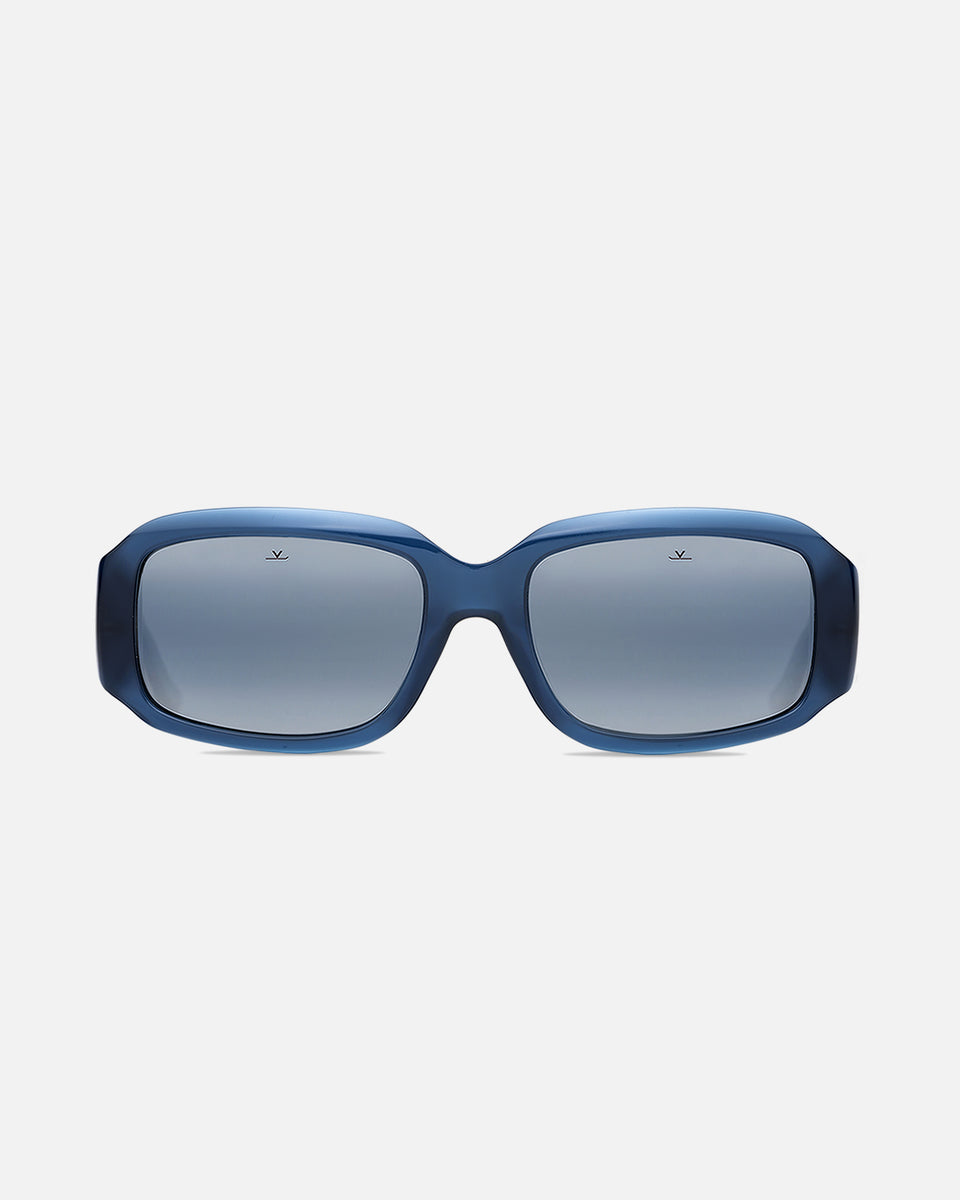
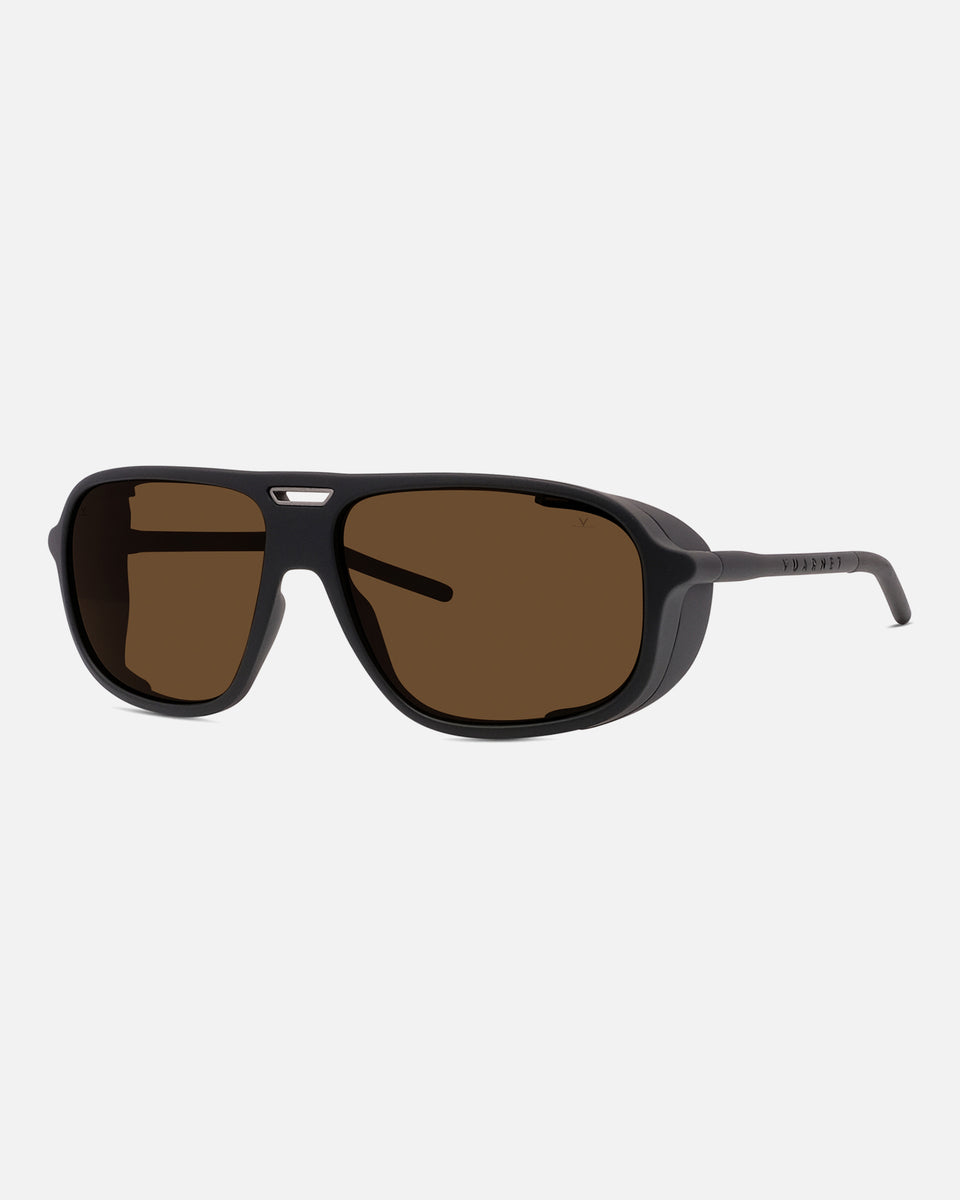
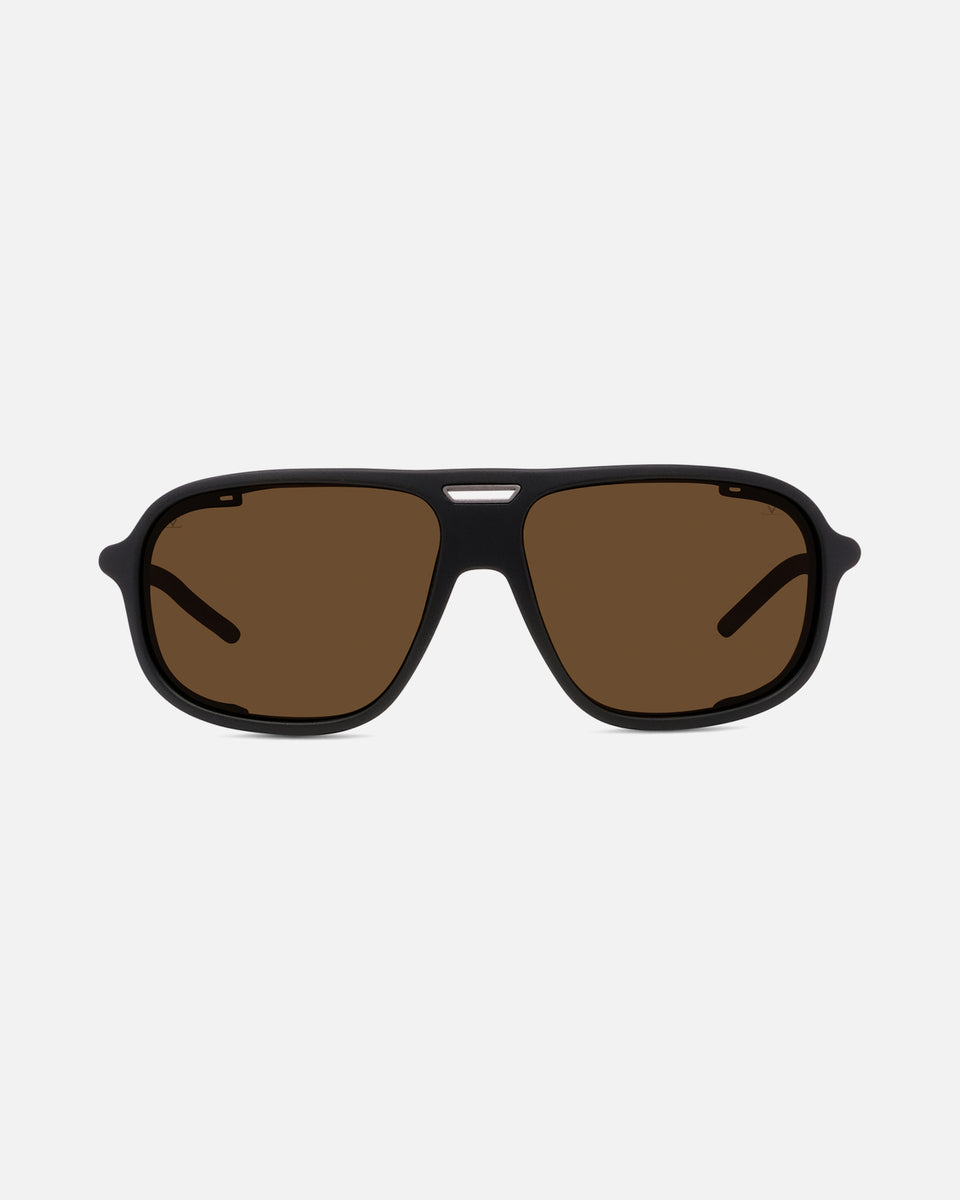
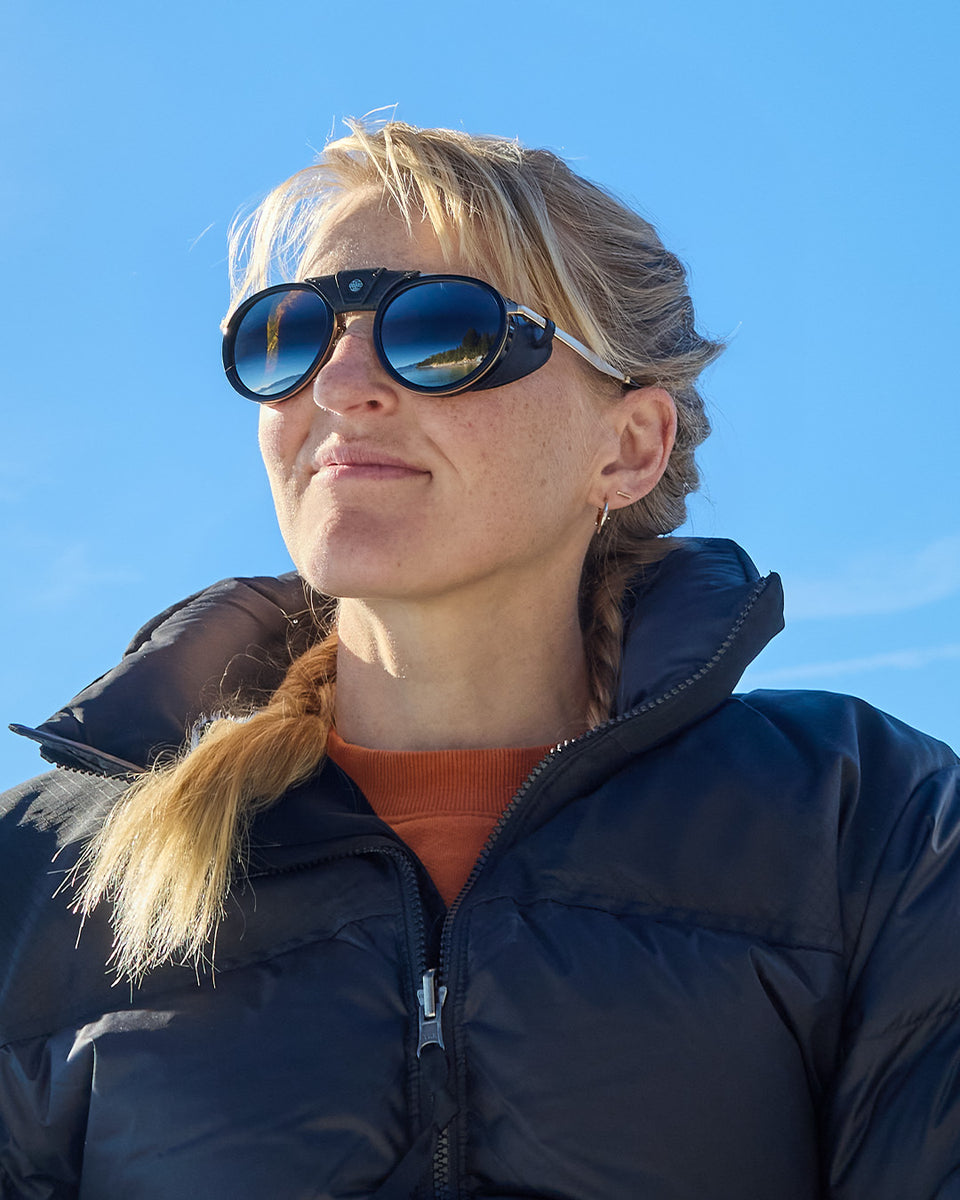
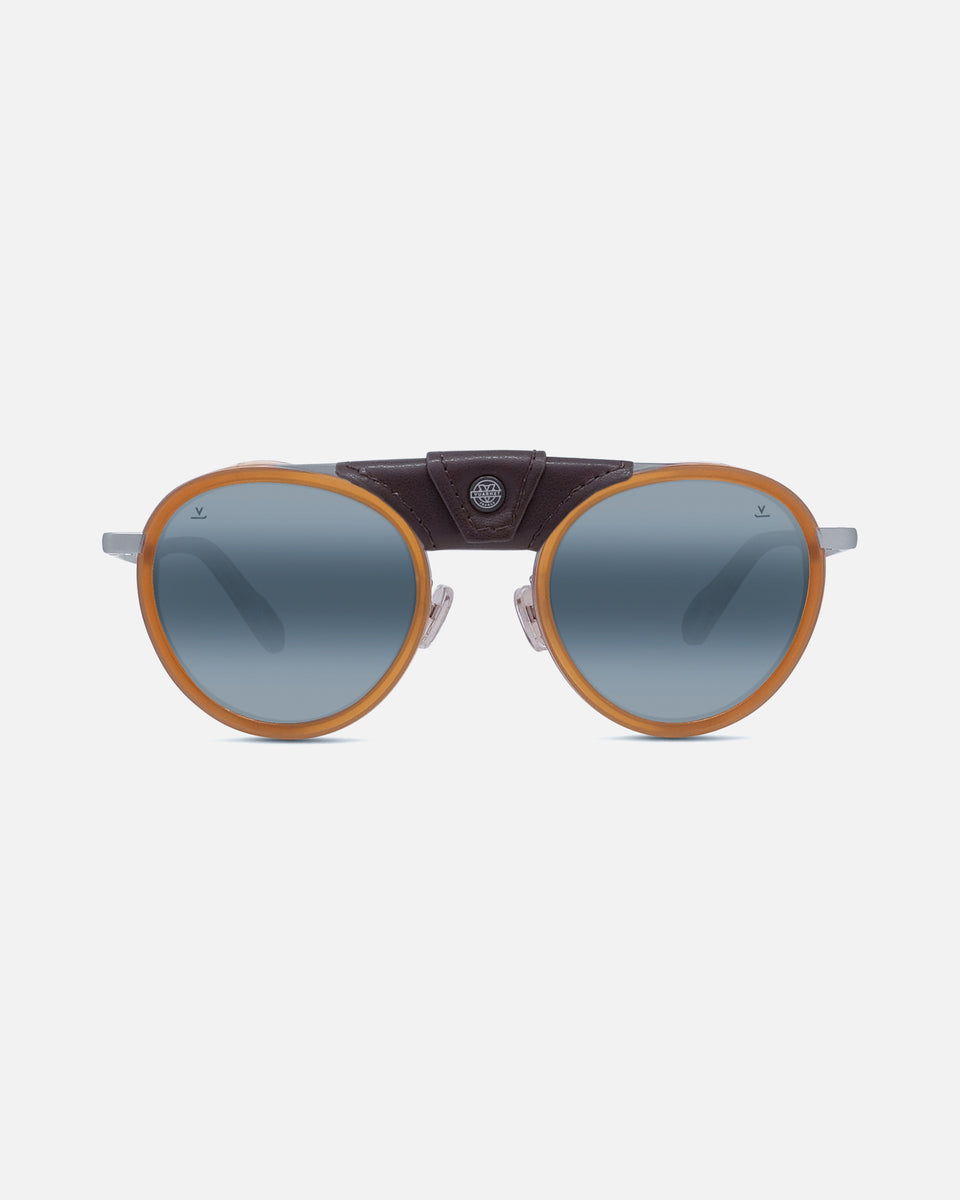
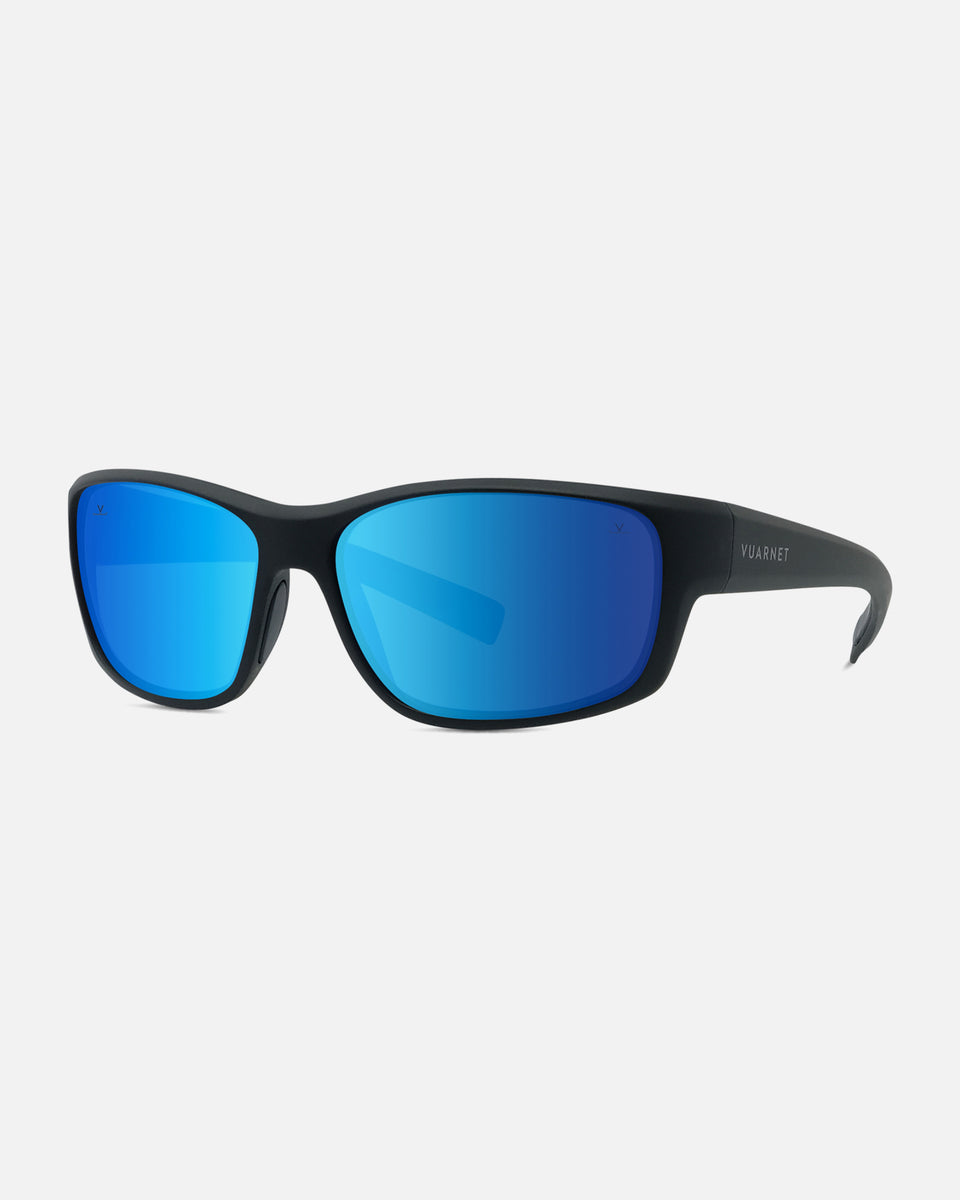
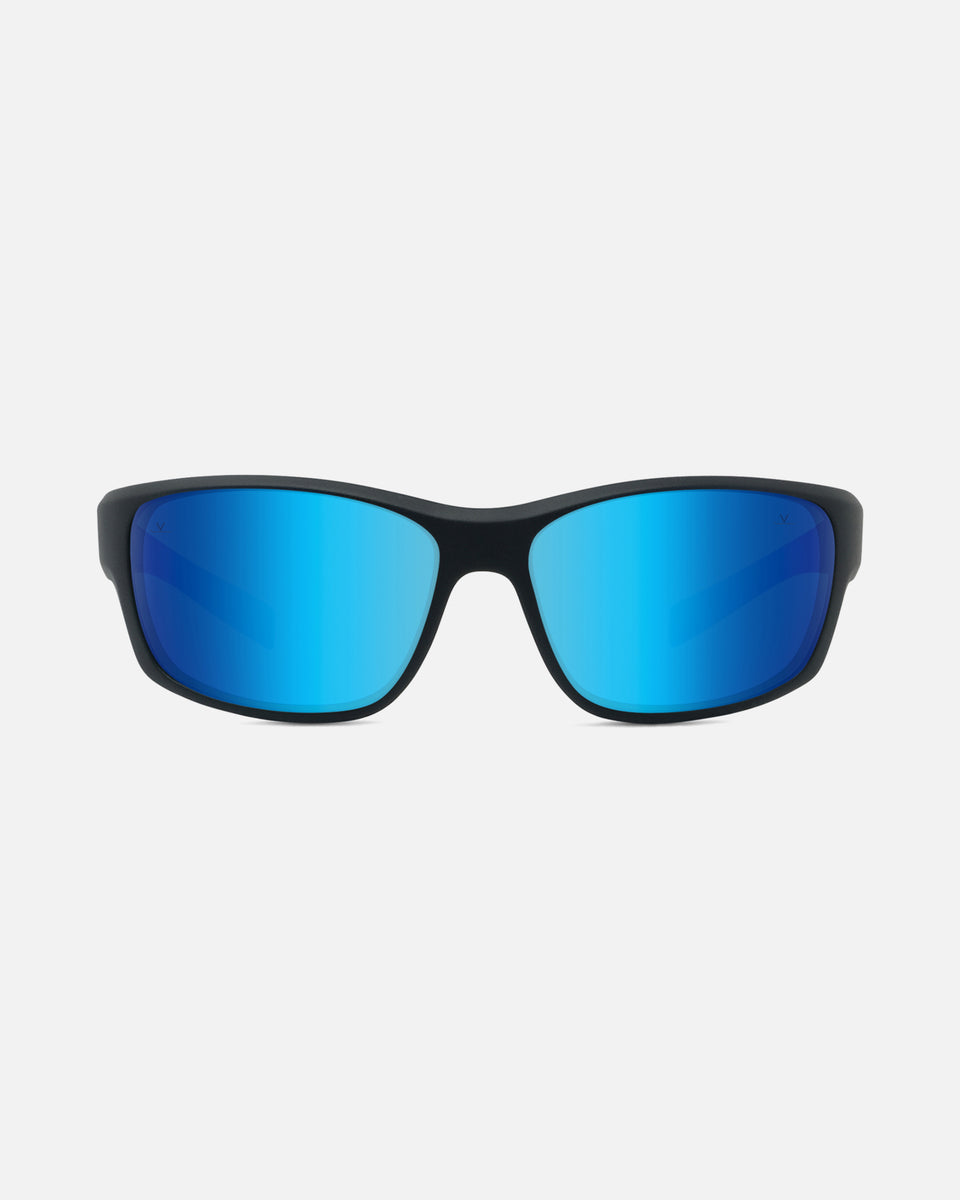
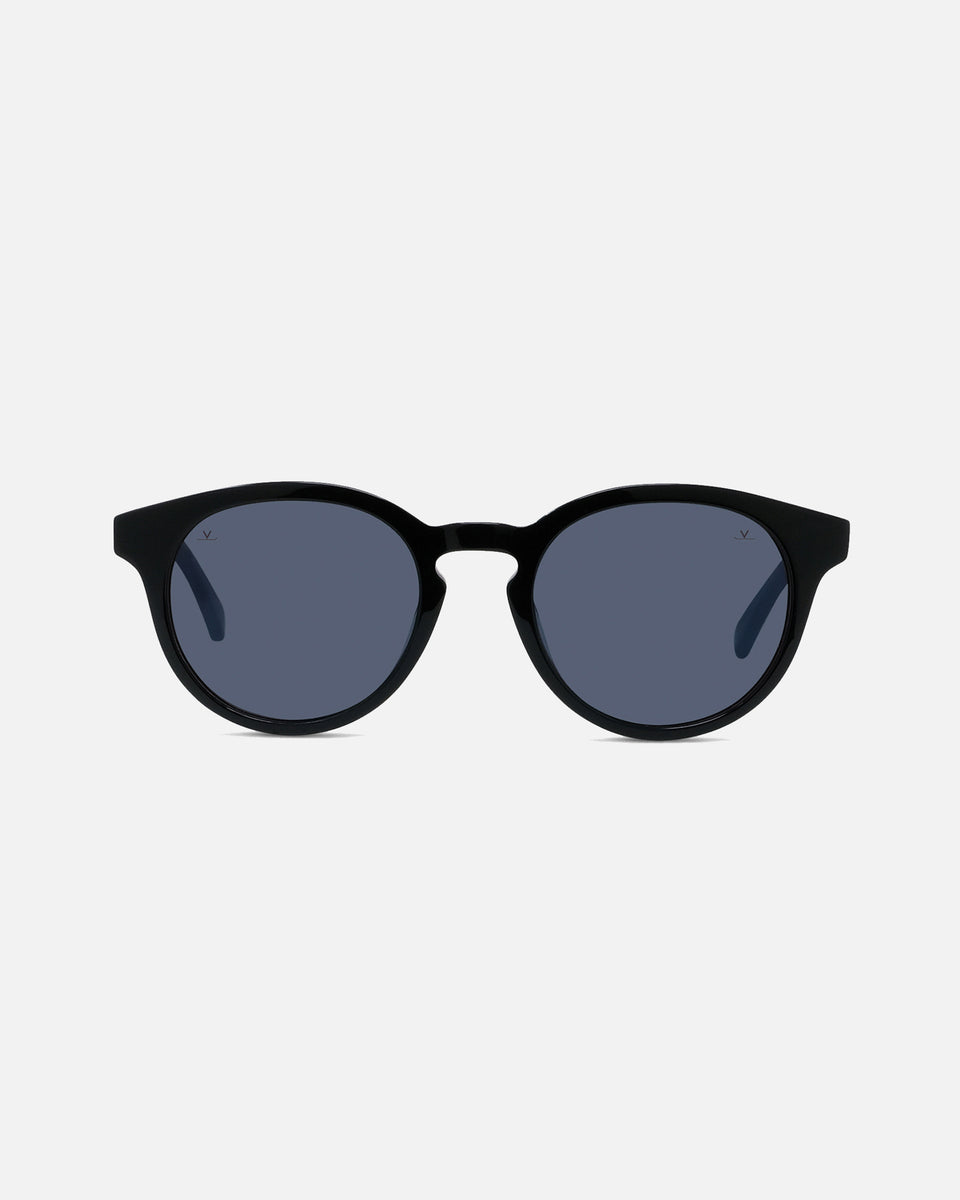
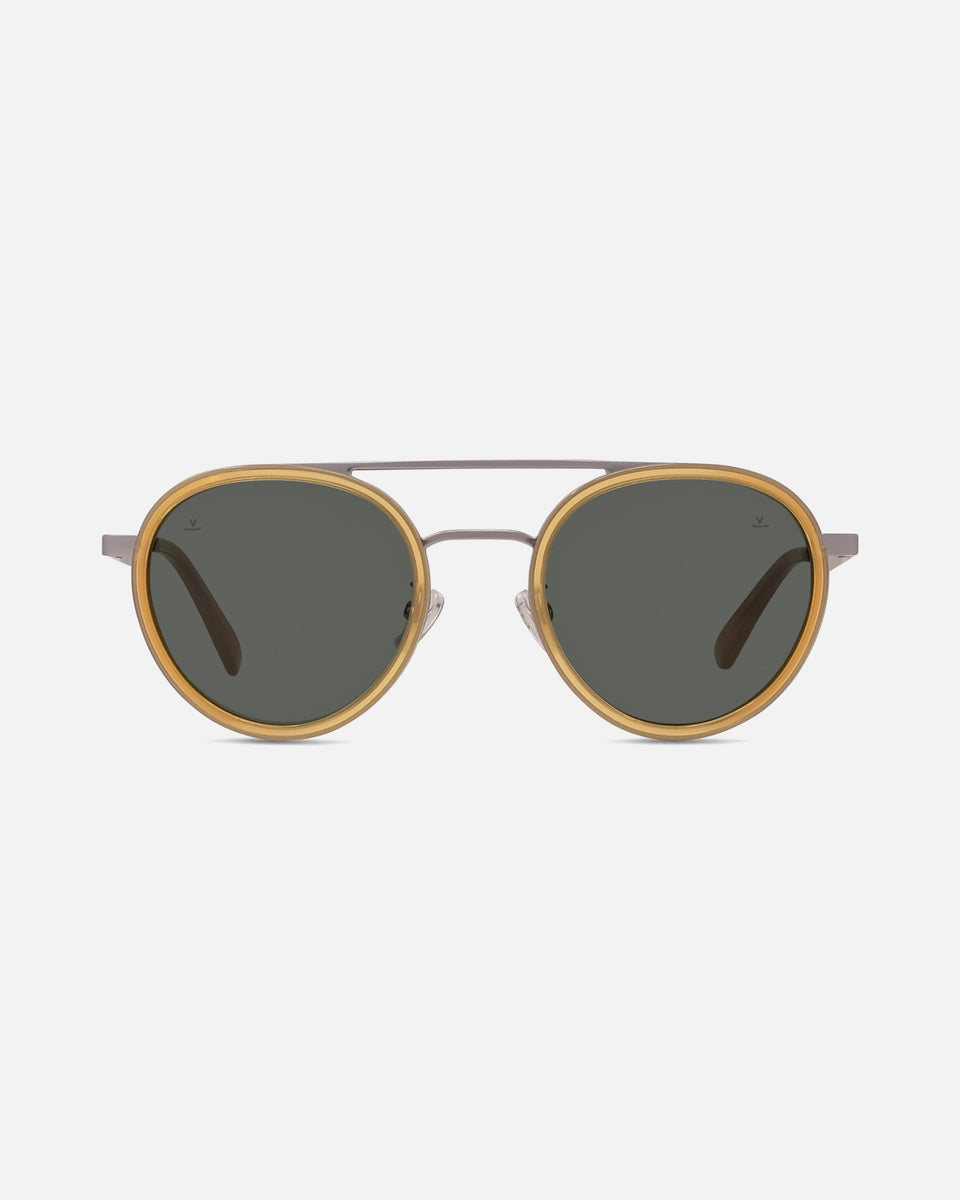
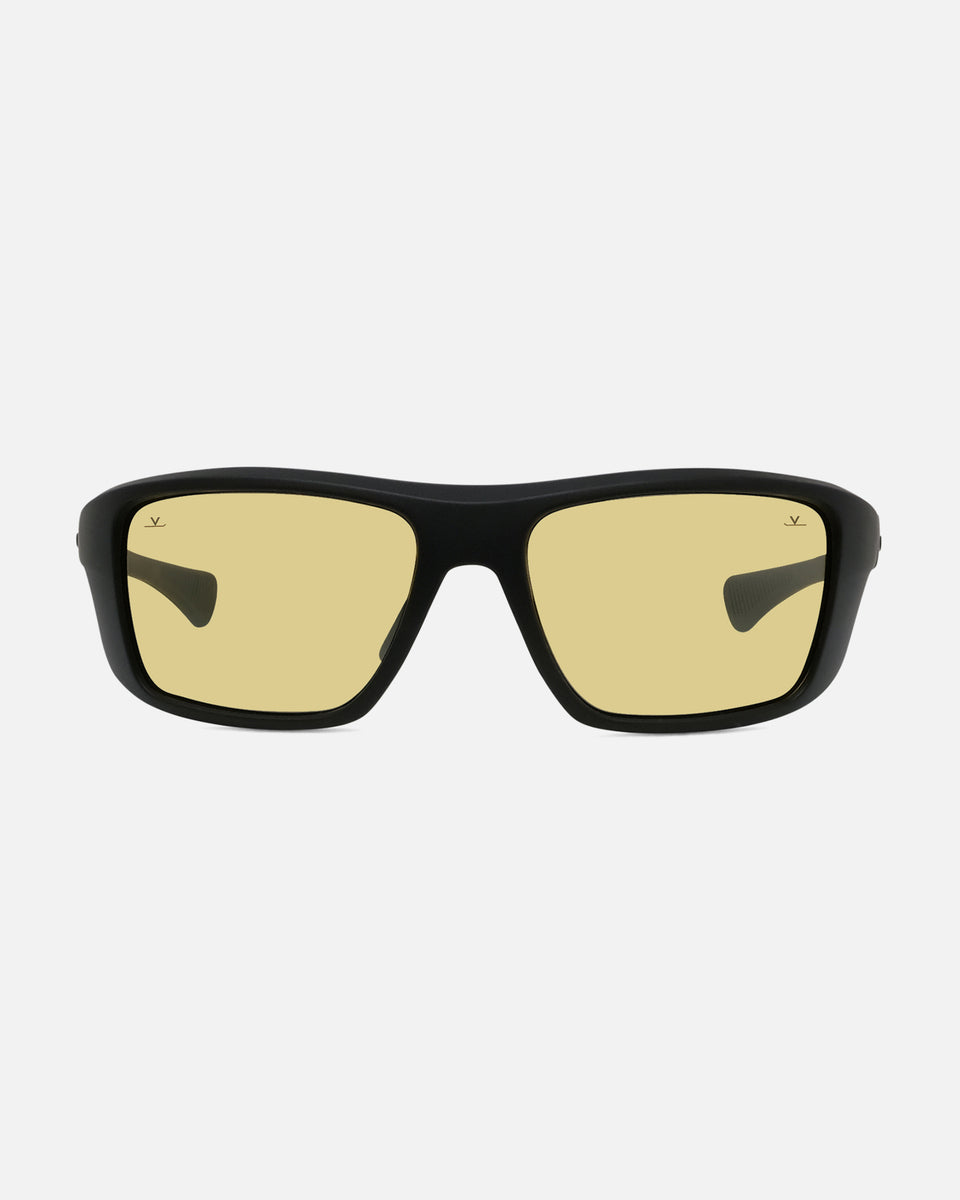
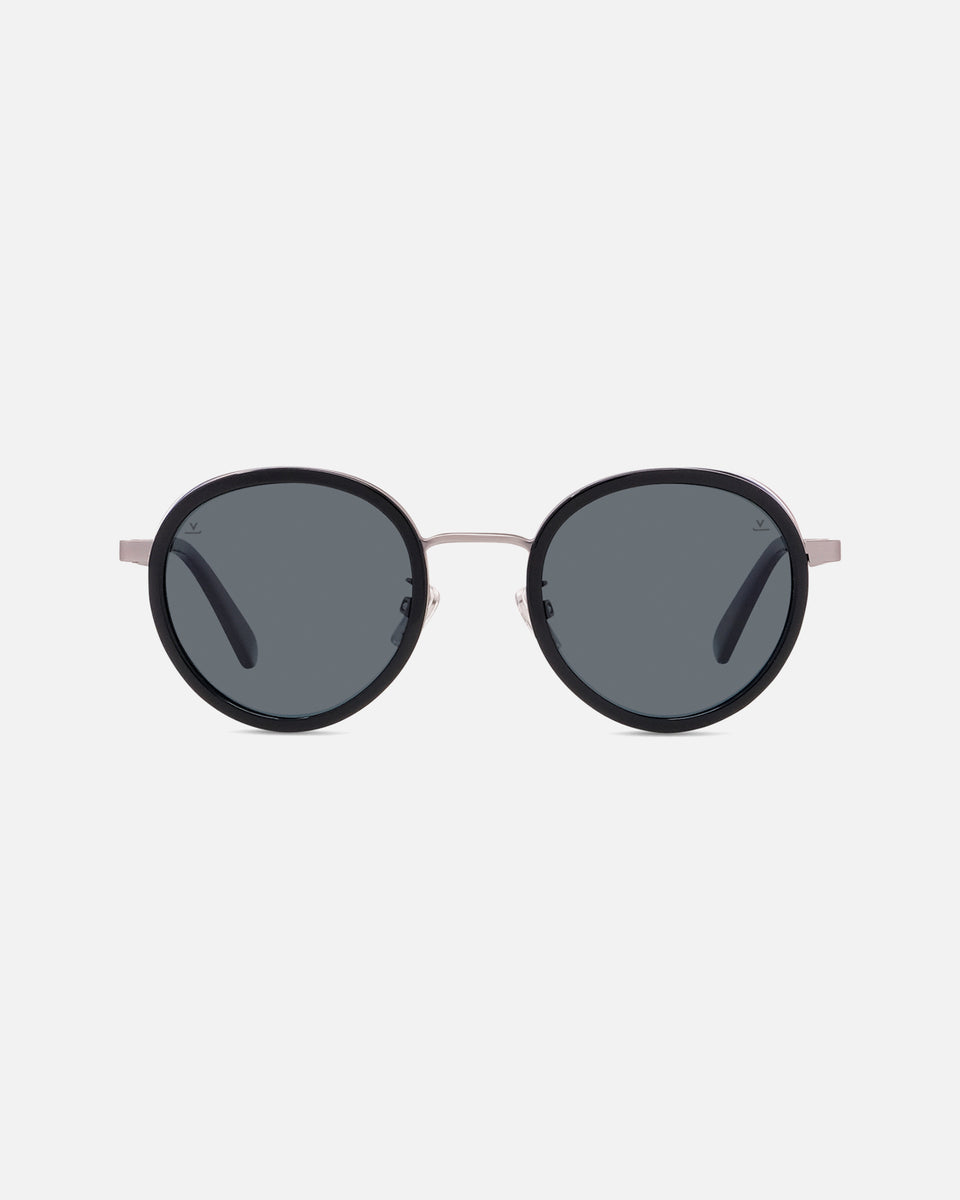
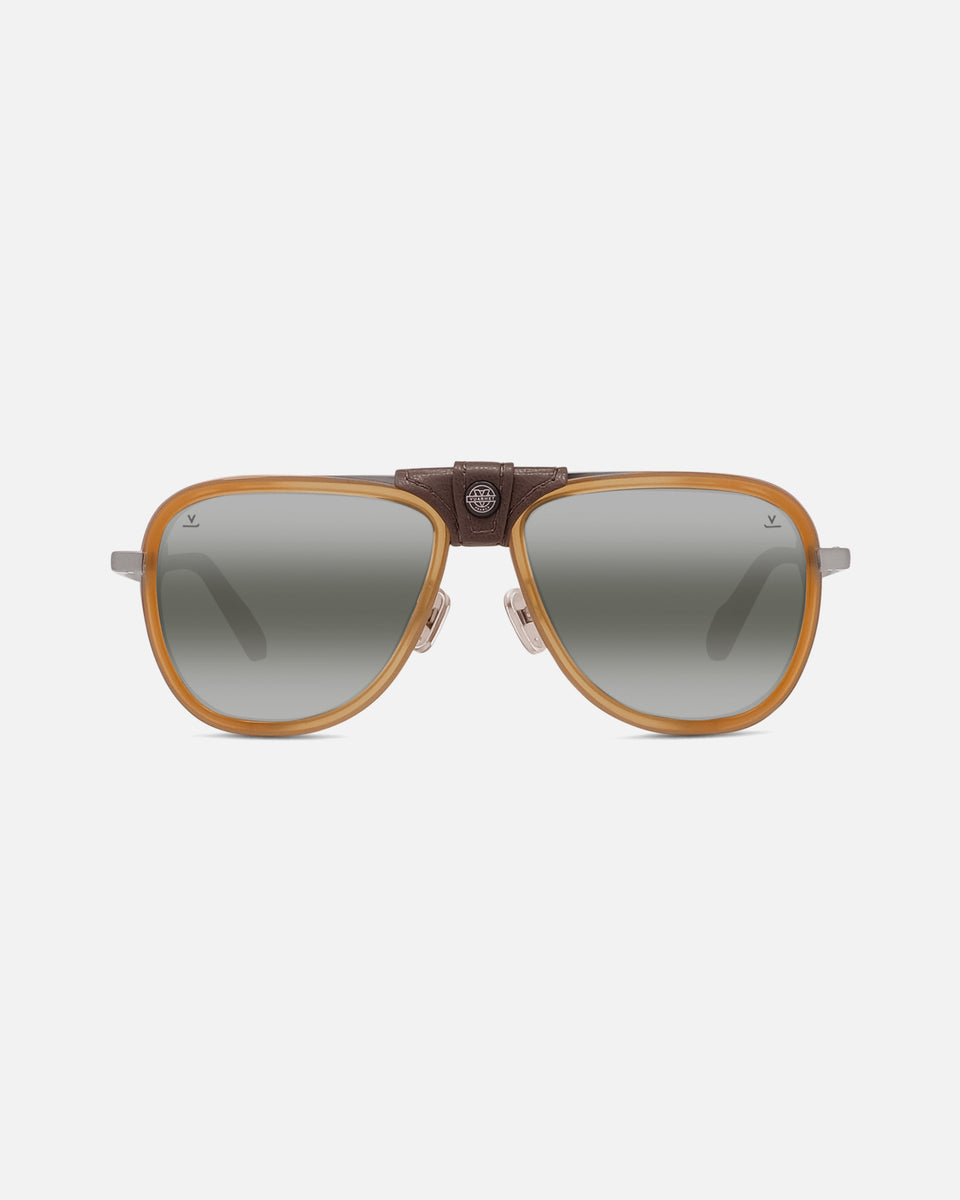
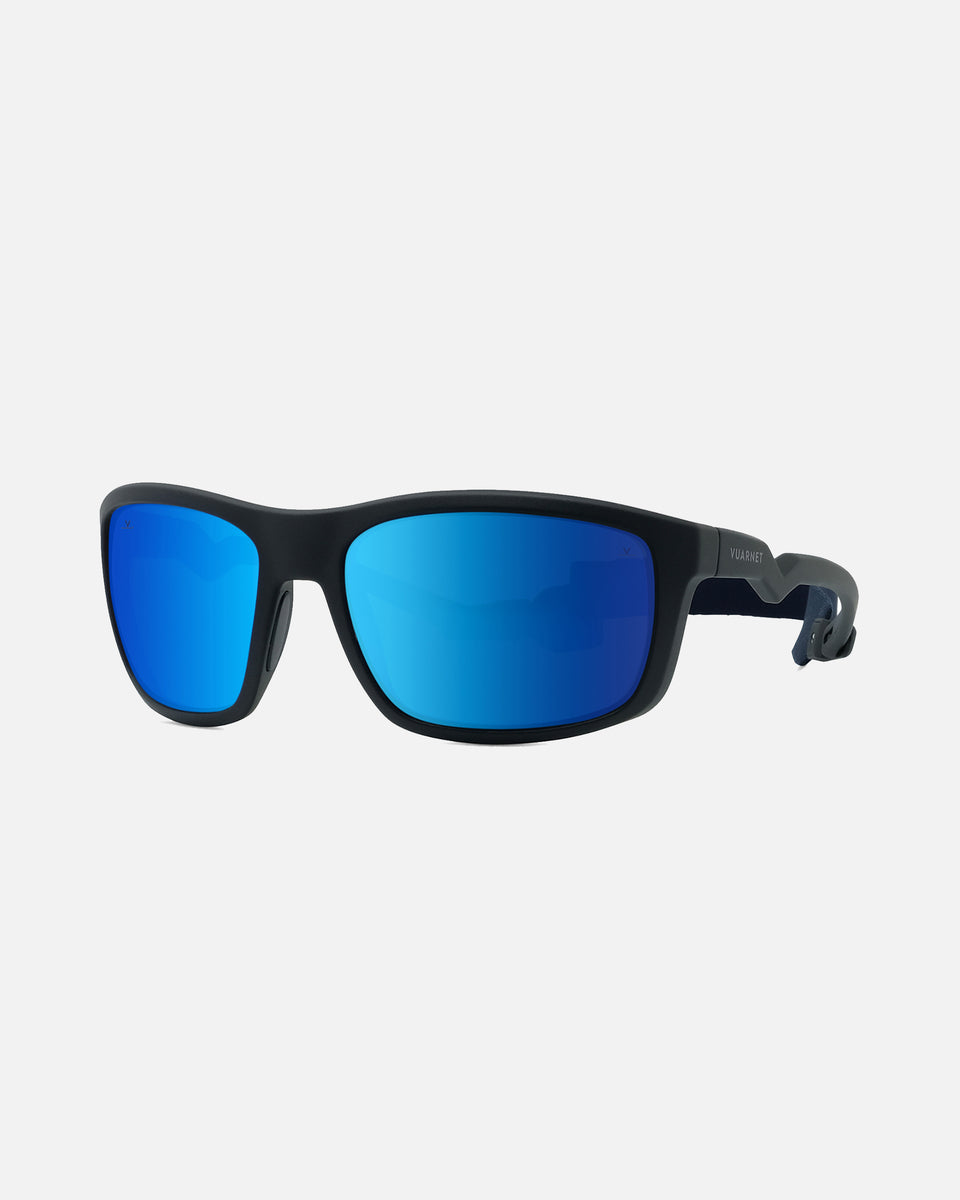
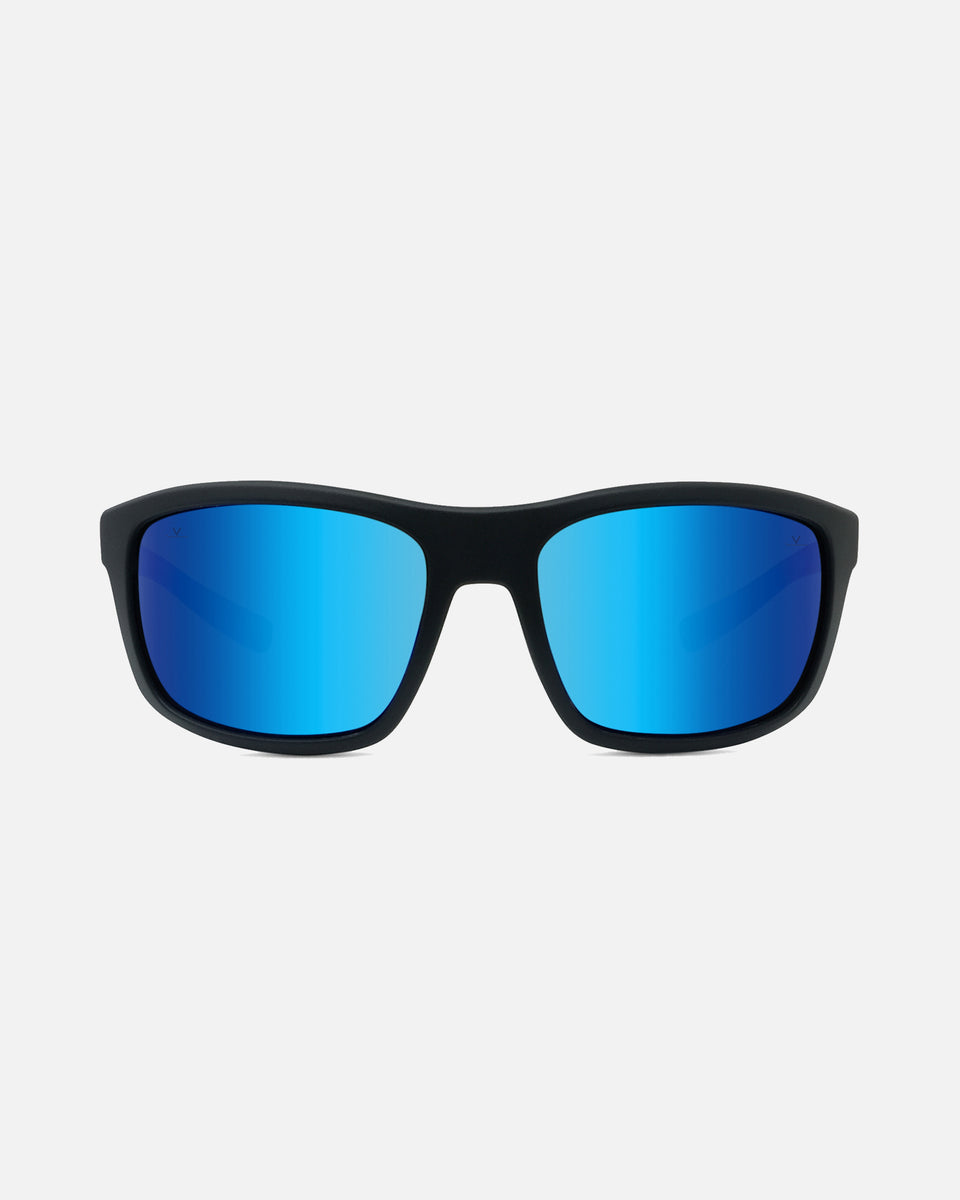
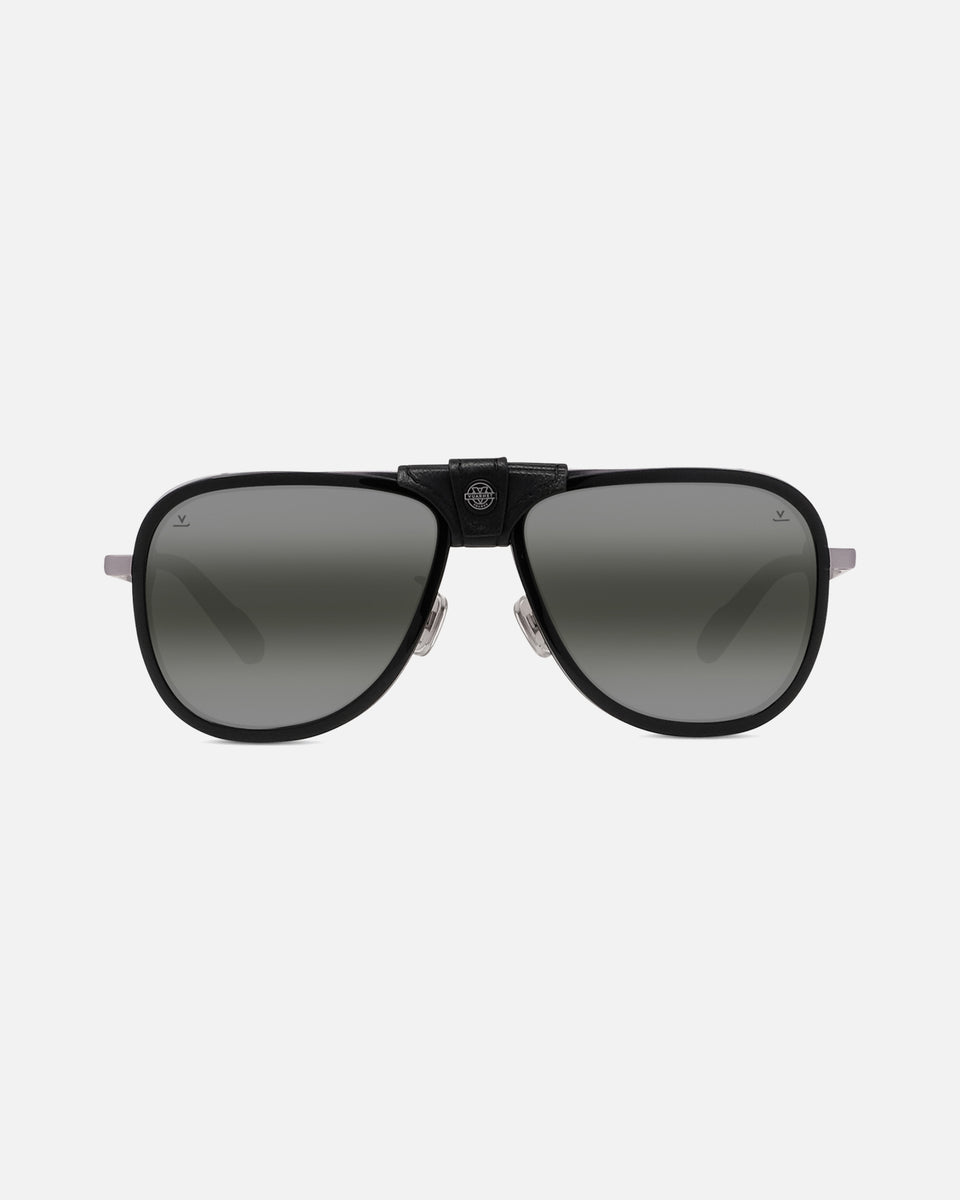
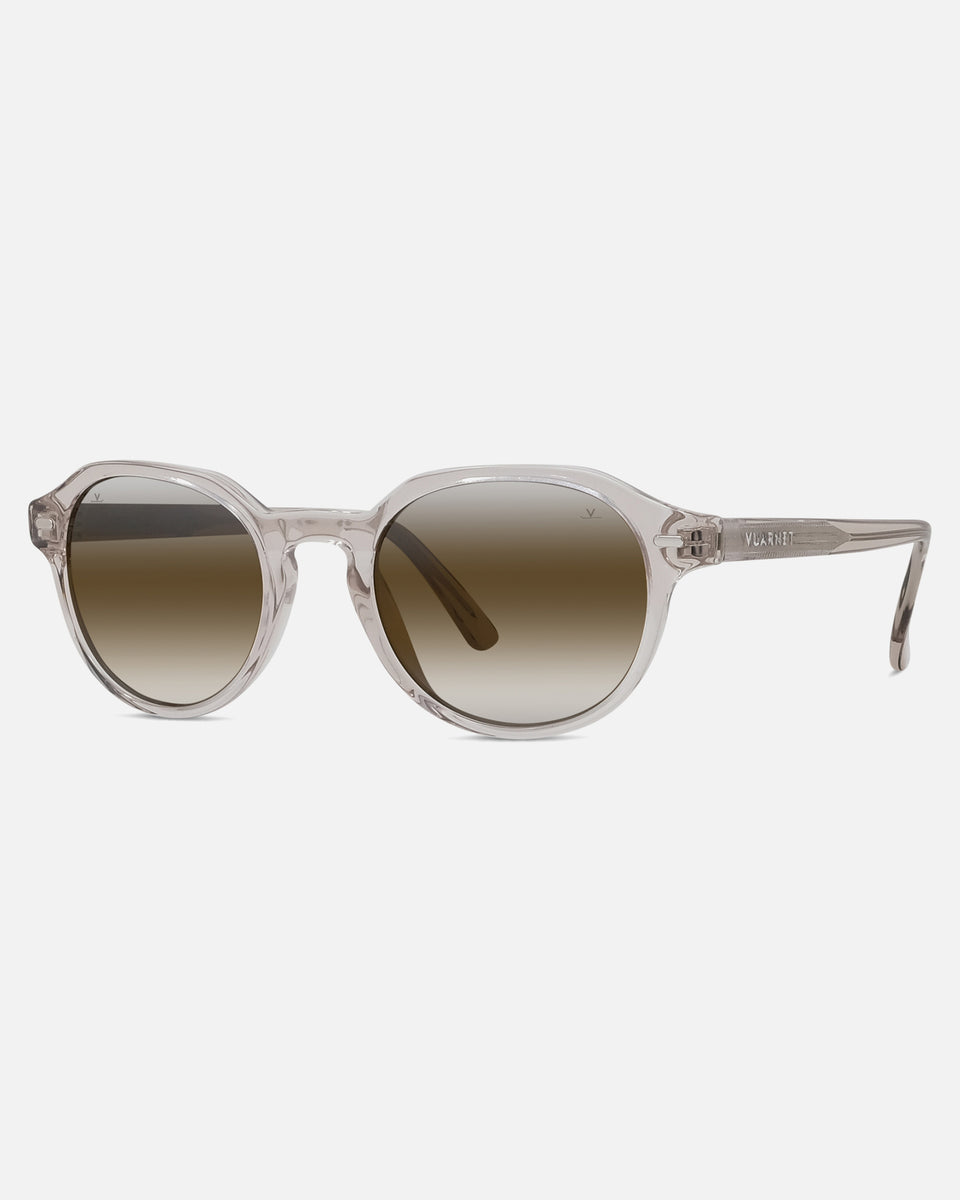
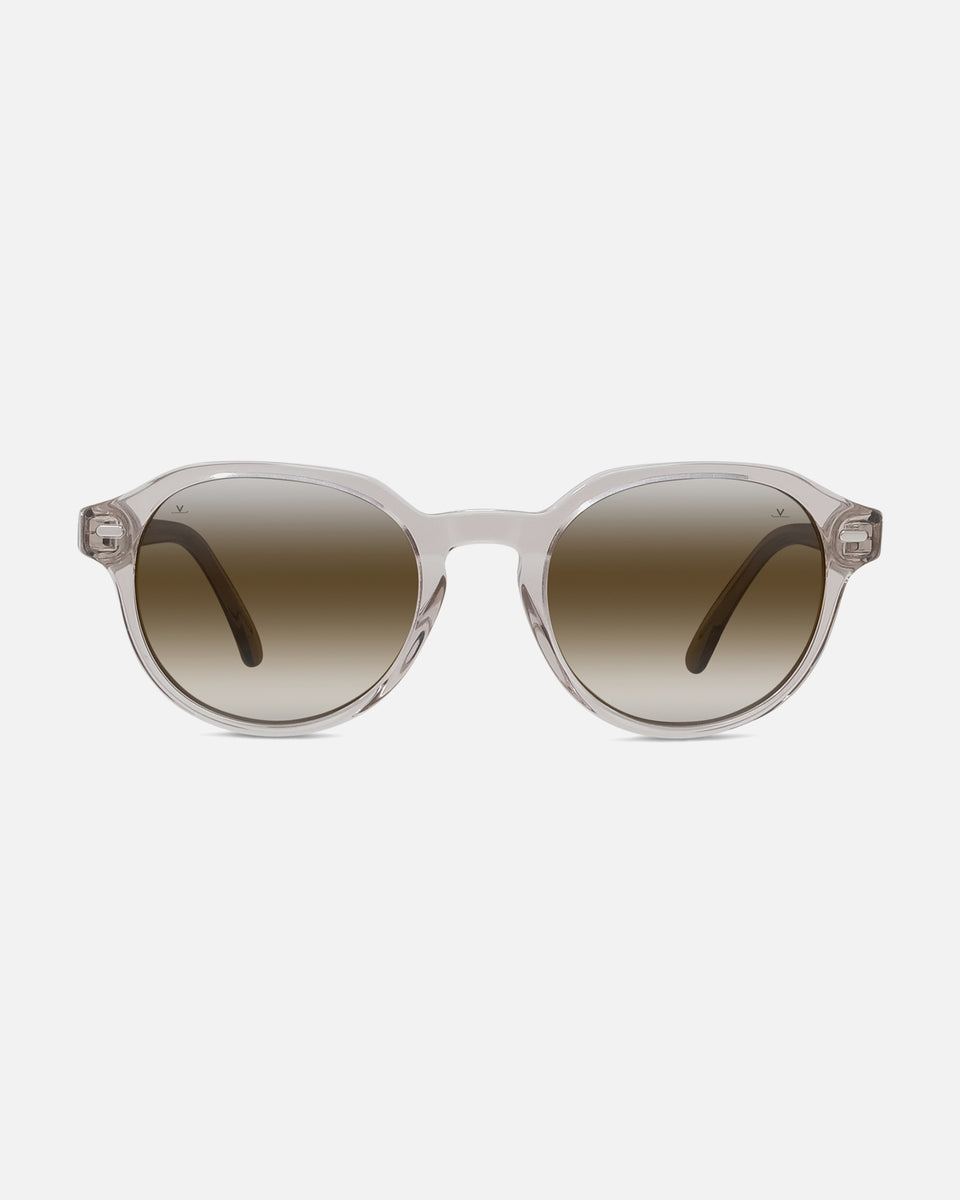
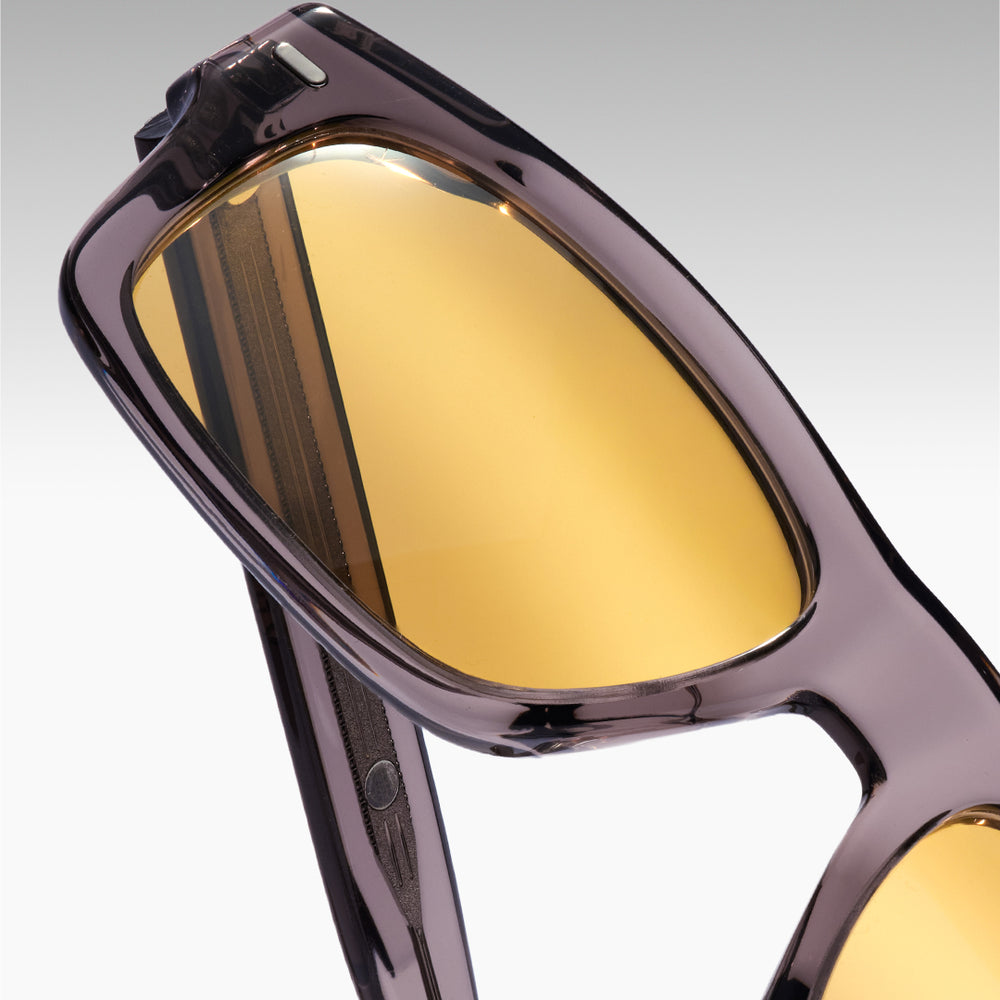
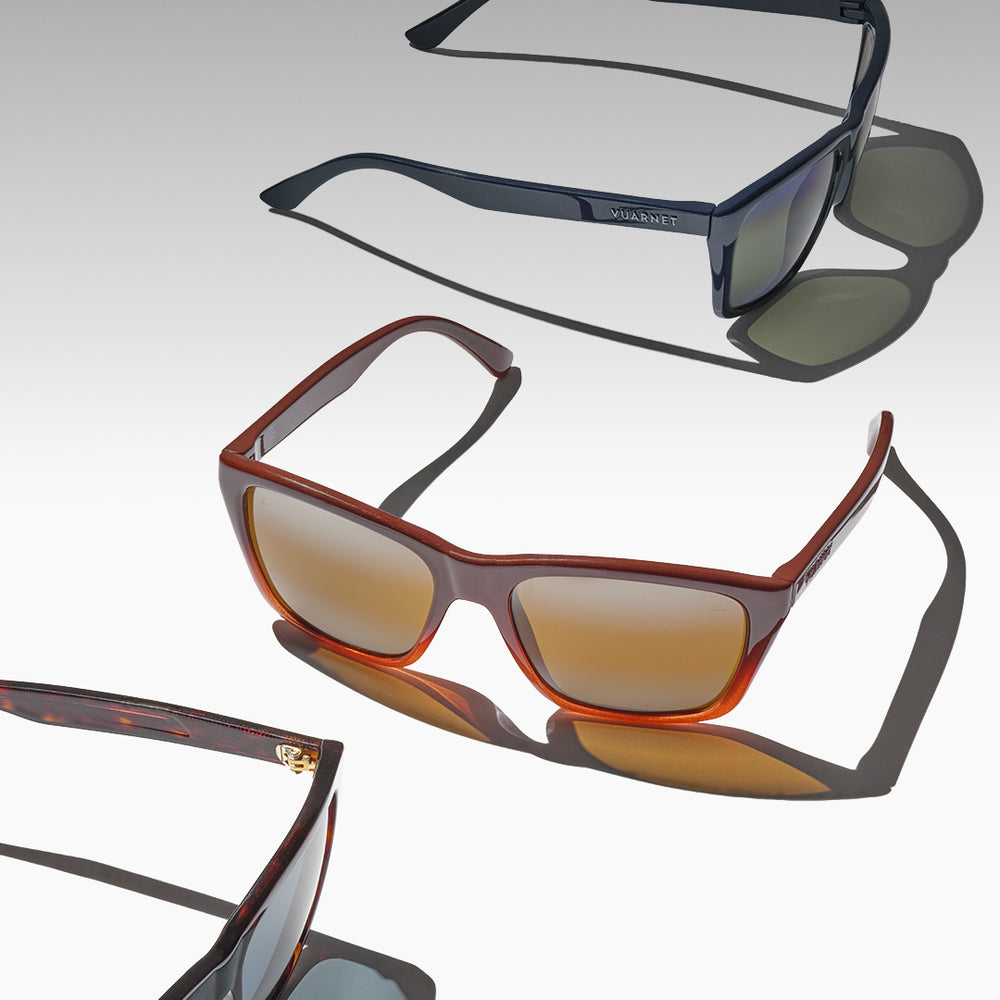
Why Vuarnet polarized lenses are different
Unlike simply tinted lenses, Vuarnet polarized lenses filter horizontal light waves, which are responsible for blinding glare.
- Mineral glass excellence — optical clarity and natural scratch resistance that outperform plastic lenses.
- 100% UV protection — blocks UVA, UVB and UVC rays.
- Back-side anti-reflective coating — prevents secondary reflections for optimal visual comfort.
- A heritage since 1957 — trusted by mountaineers, skiers and explorers around the world.
“Polarized lenses reduce glare by filtering horizontal light waves, improving contrast and comfort, especially outdoors.”
— American Academy of Ophthalmology
Polarized lens options at a glance
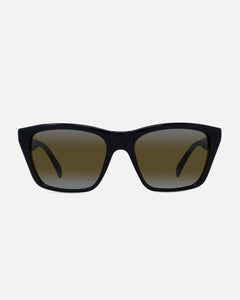
Lens family: Grey Polar
Tint & look: Neutral grey
Best for: Everyday wear, driving
Key benefits: Reduces brightness while preserving true colours
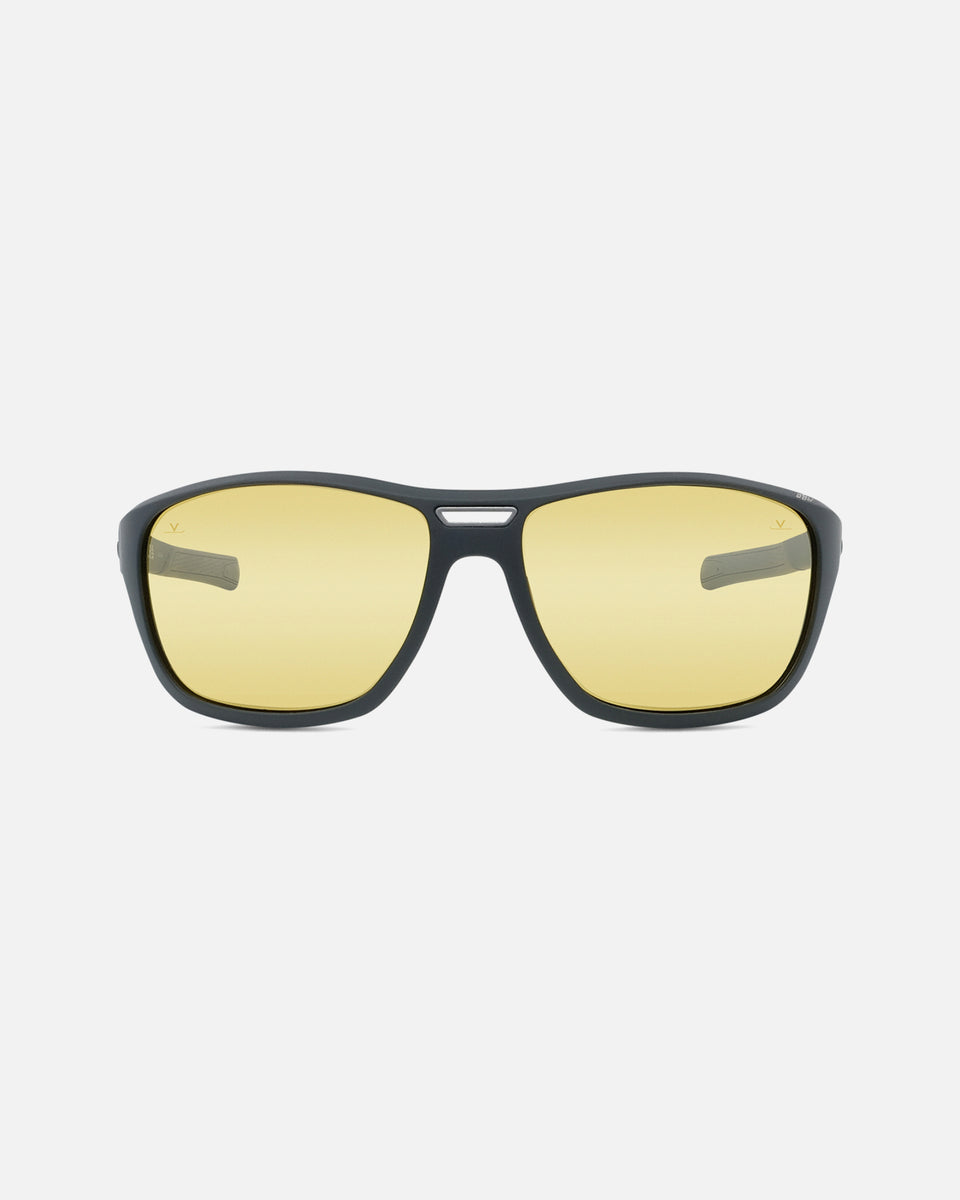
Lens family: Brown Polar
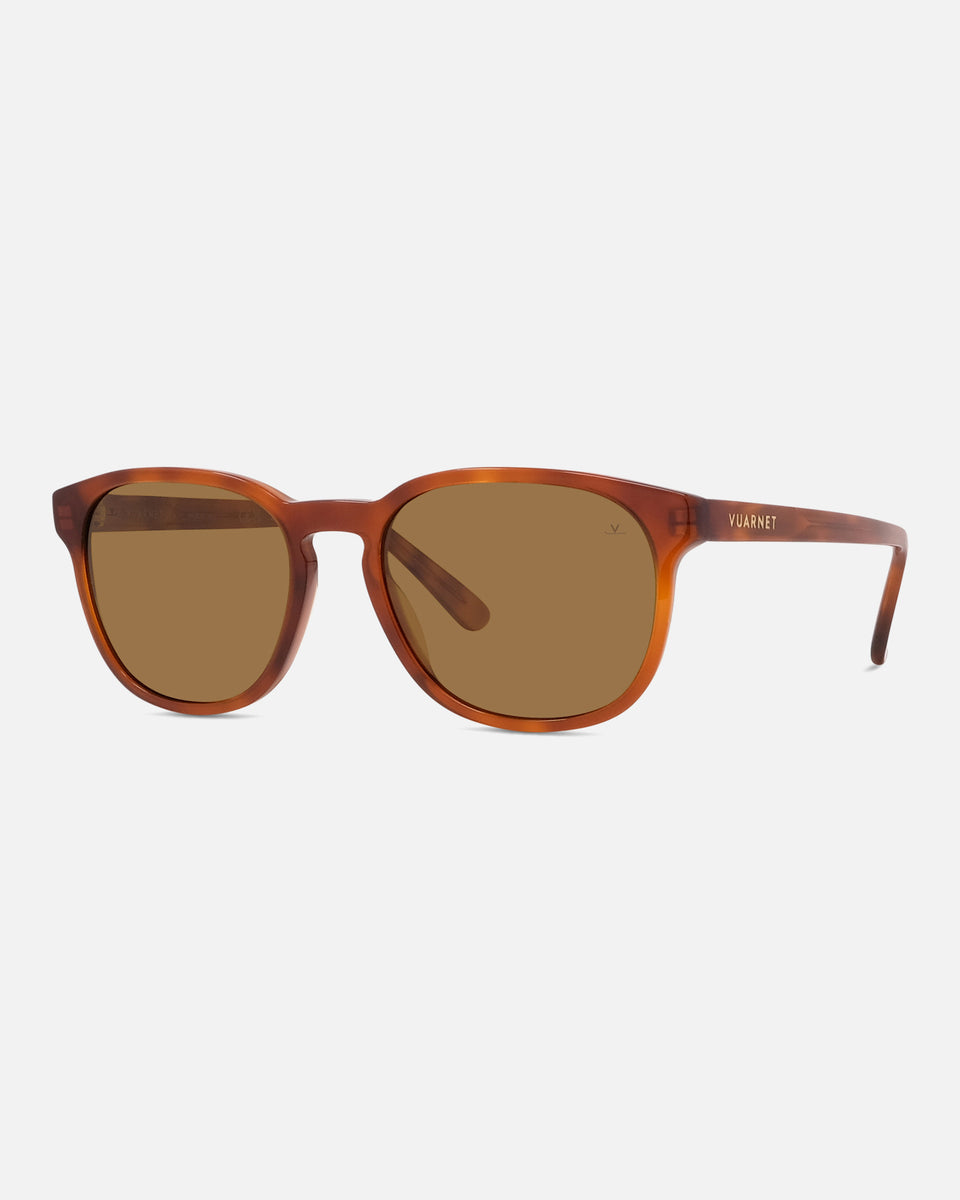
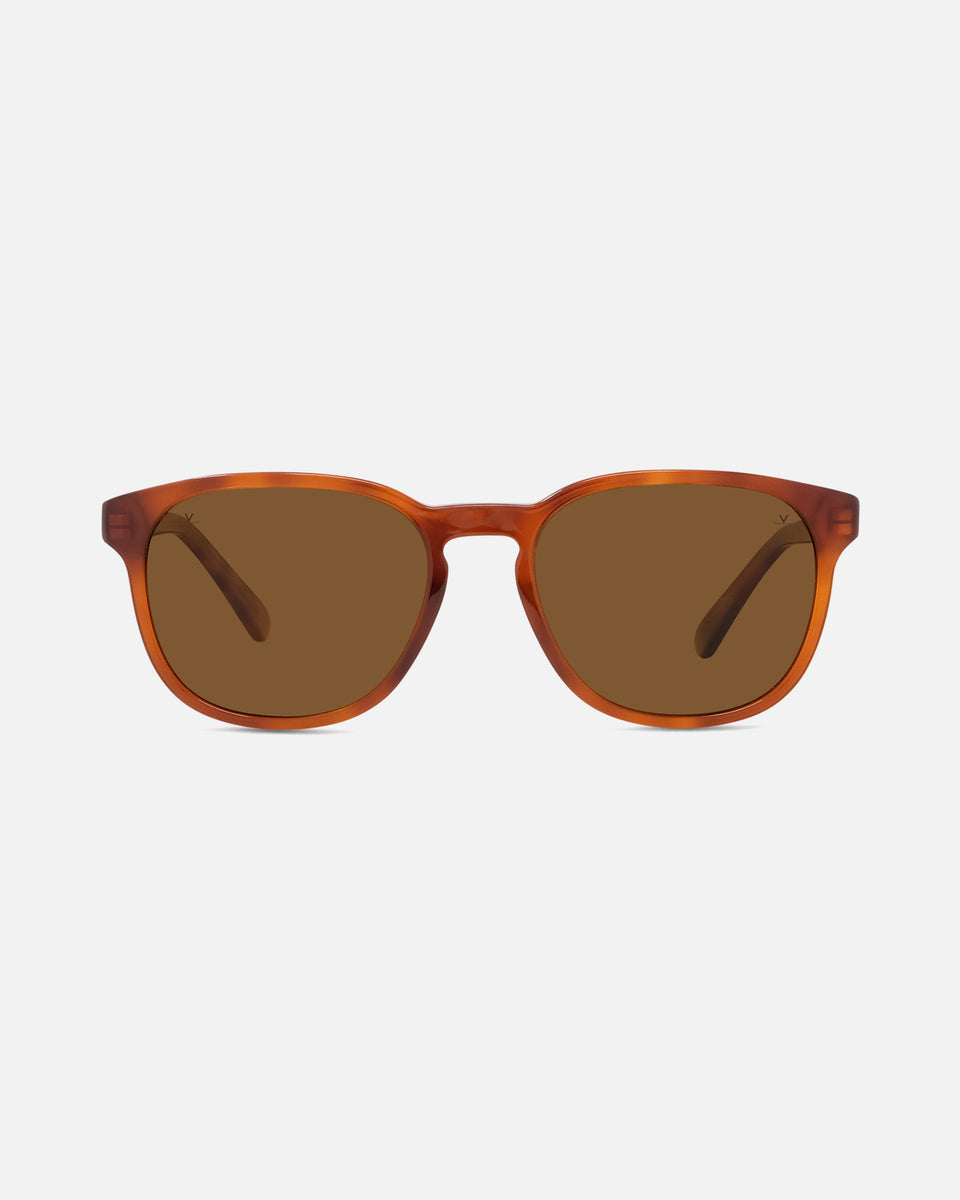
Tint & look: Amber
Best for: Hiking, fishing, sport
Key benefits: Enhances contrast and depth perception
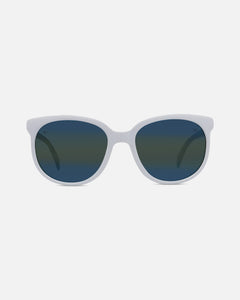
Lens family: Blue Polar
Tint & look: Cool blue
Best for: Water and snow
Key benefits: Excellent glare control with a crisp, clear rendering
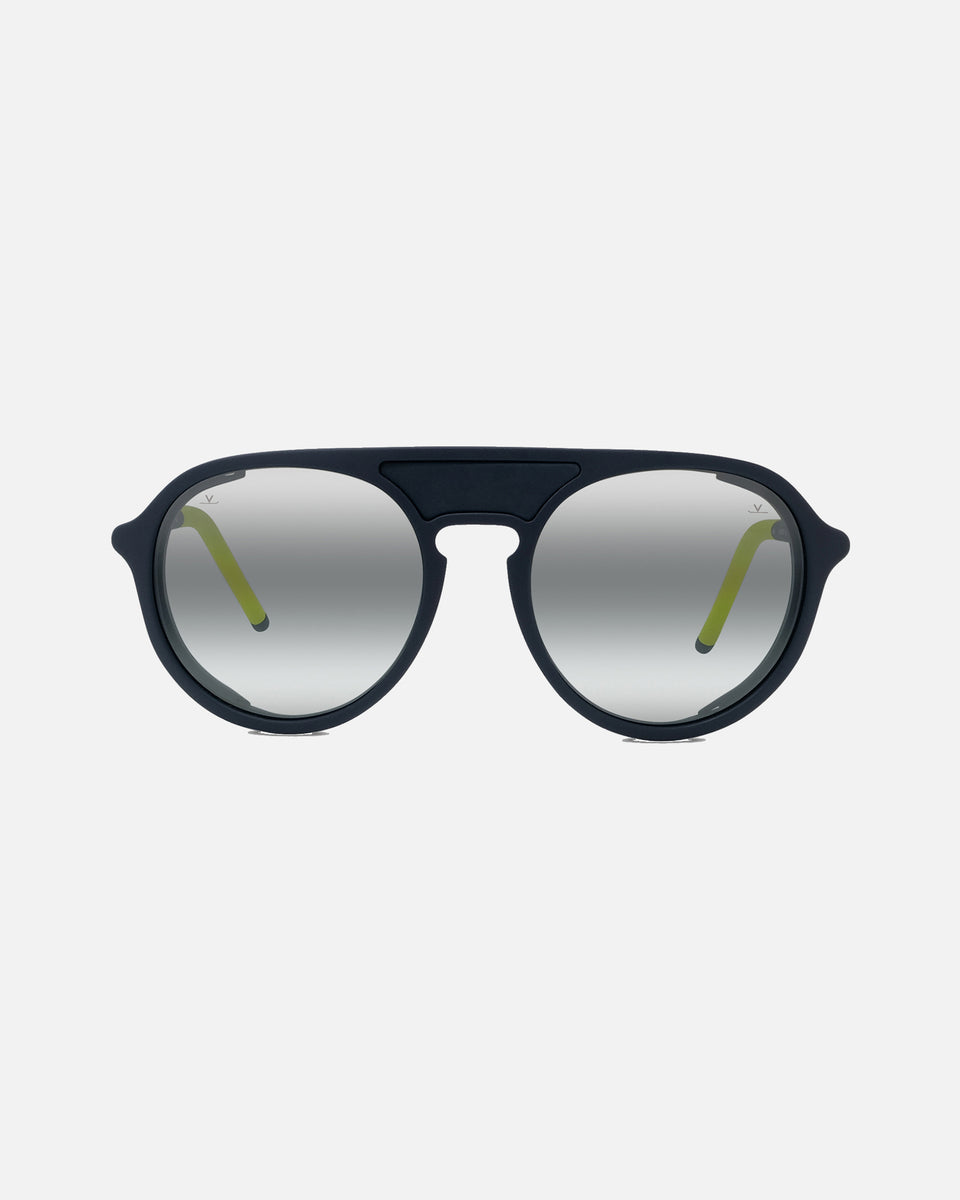
Lens family: PolarLynx™
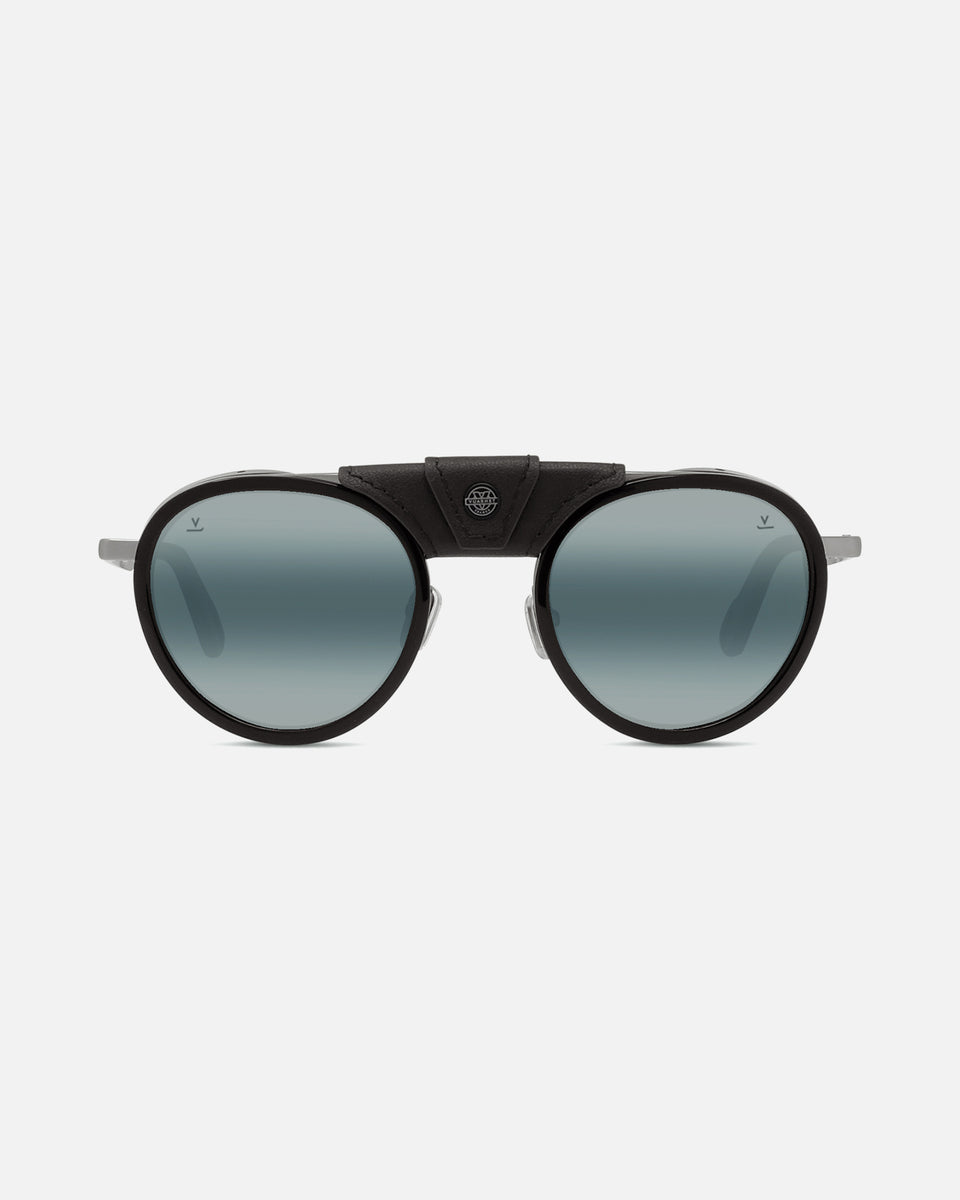
Tint & look: Grey with a bi-shaded silver mirror
Best for: Extreme glare in alpine and marine settings
Key benefits: Maximum glare reduction with a bold mirrored finish
When polarized sunglasses make all the difference
- Driving: Reduces windscreen glare and eye fatigue.
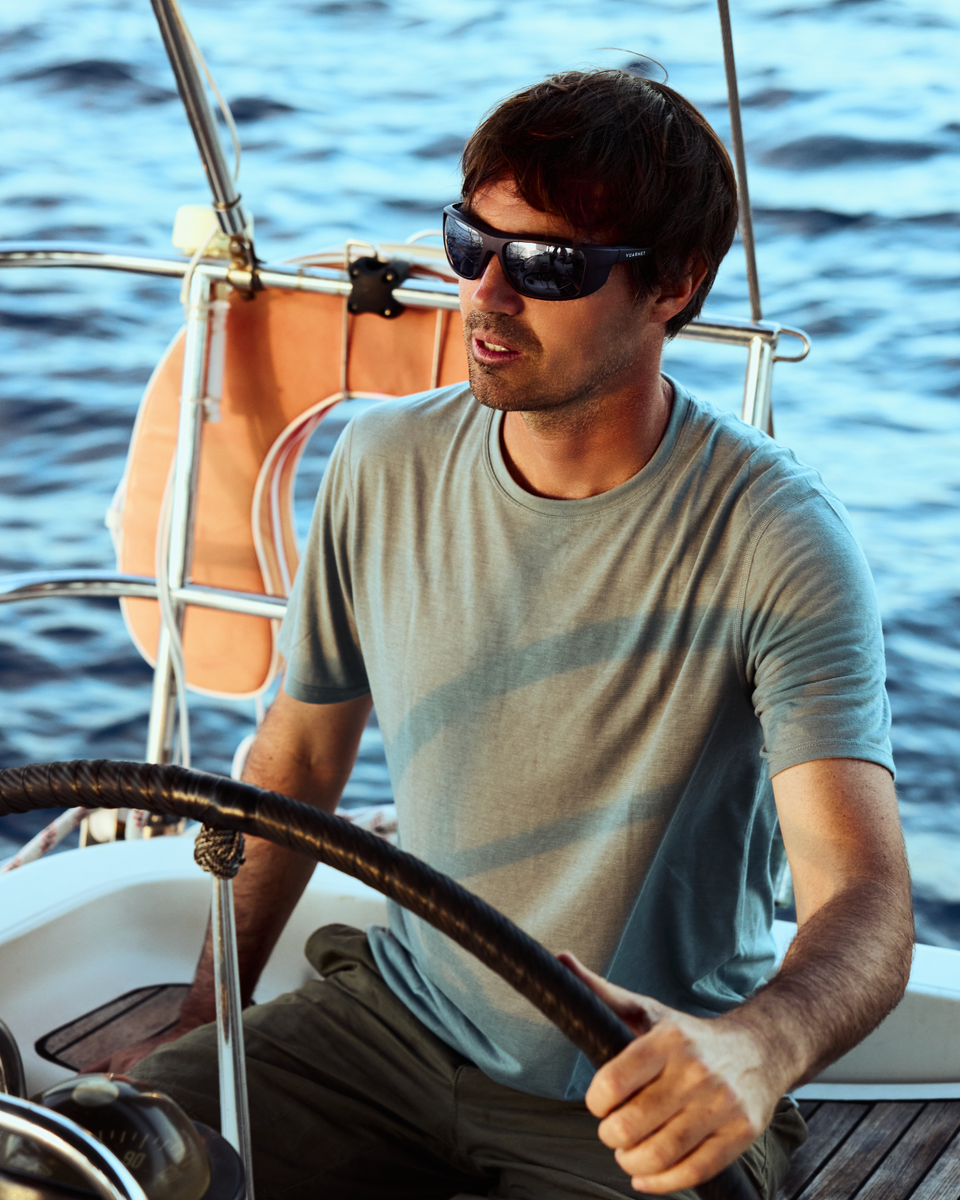
- Water activities: Helps you see below the water’s surface without reflected glare.
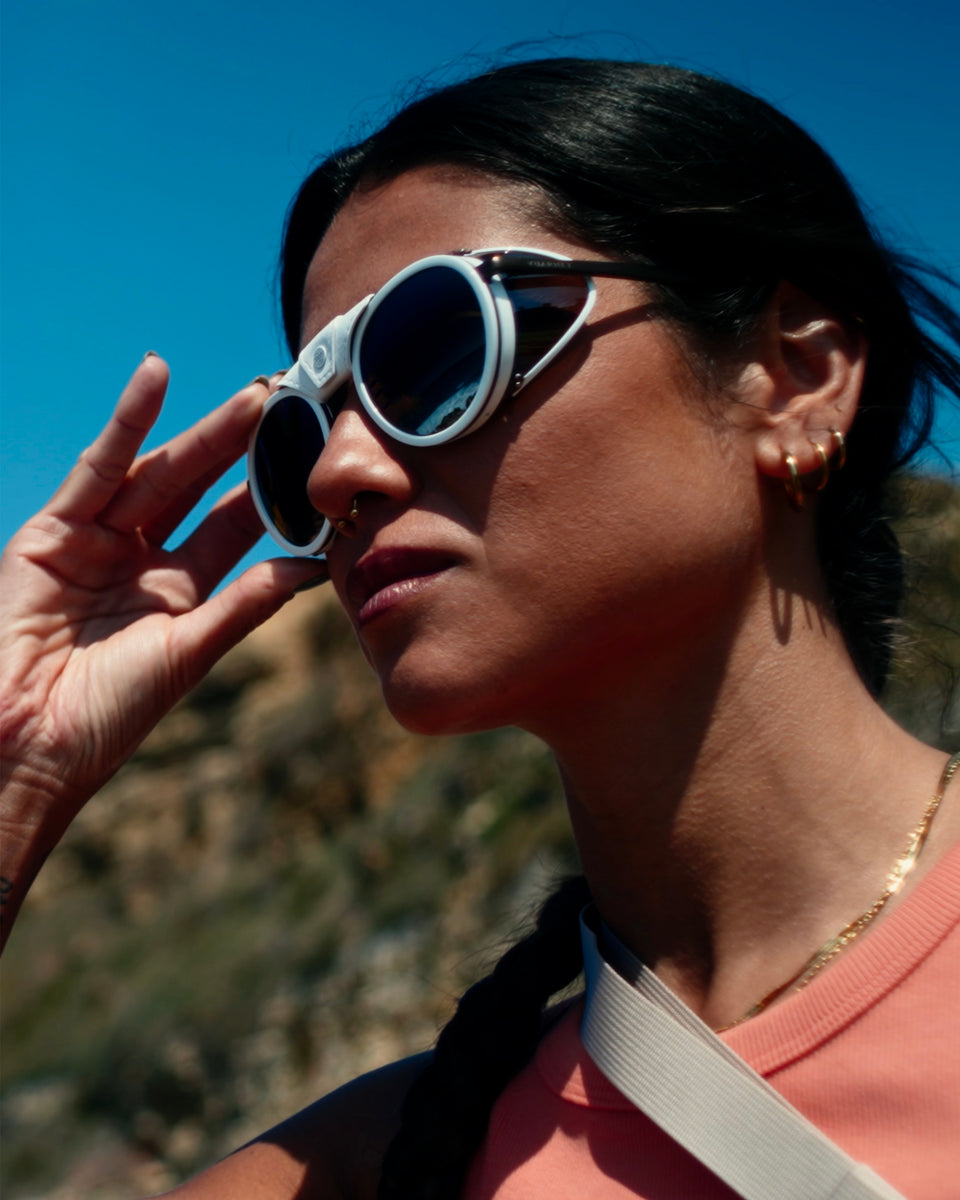
- Winter sports: Reduces intense glare and protects vision at altitude.
- Urban life: Comfortable and stylish for everyday wear.
- Adventure travel: Clear, reliable vision from mountains to deserts.
Are polarized sunglasses always the best choice?
Polarization is highly effective, but:
- Some LCD screens, such as dashboards and aircraft displays, may appear darker.
- In icy conditions, polarization can mask reflections that reveal hazardous patches.
Vuarnet also offers non-polarized mineral lenses for these situations, giving you the freedom to choose the solution best suited to your lifestyle.
Handcrafted in France, built to last
- 17 steps go into the production of every lens.
- Eco-responsible materials are used for frames.
- Considered design prioritises comfort, balance and longevity.
By choosing Vuarnet, you are investing in sunglasses made to last.
Frequently asked questions
Do polarized lenses protect against UV rays?
Yes. High-quality polarized lenses combine polarization with complete UV protection against UVA and UVB rays. You benefit from both glare reduction and protection from harmful sunlight.
What is the difference between polarized and non-polarized lenses?
Polarized lenses filter horizontal light waves — those reflected by water, snow or roads — substantially reducing glare. Non-polarized lenses simply reduce brightness without removing reflected glare.
How can I tell whether my sunglasses are polarized?
- LCD screen test: Hold the sunglasses in front of a phone or computer screen and rotate them. If the screen darkens at certain angles, the lenses are polarized.
- Reflection test: Look at a shiny surface, such as a car bonnet, water or glass. If the reflection disappears when you tilt your head, the lenses are polarized.
Do polarized lenses affect screen visibility?
Yes. They can make certain LCD or LED screens appear darker or distorted depending on the angle. Keep this in mind if you frequently use digital displays such as GPS devices, dashboards or aircraft screens.
Do polarized lenses reduce eye fatigue and improve safety?
Absolutely. By removing intense reflected glare, they reduce squinting and eye fatigue. This improves comfort and safety in bright environments — whether driving, at sea or on snow — while helping protect your eyes over time.