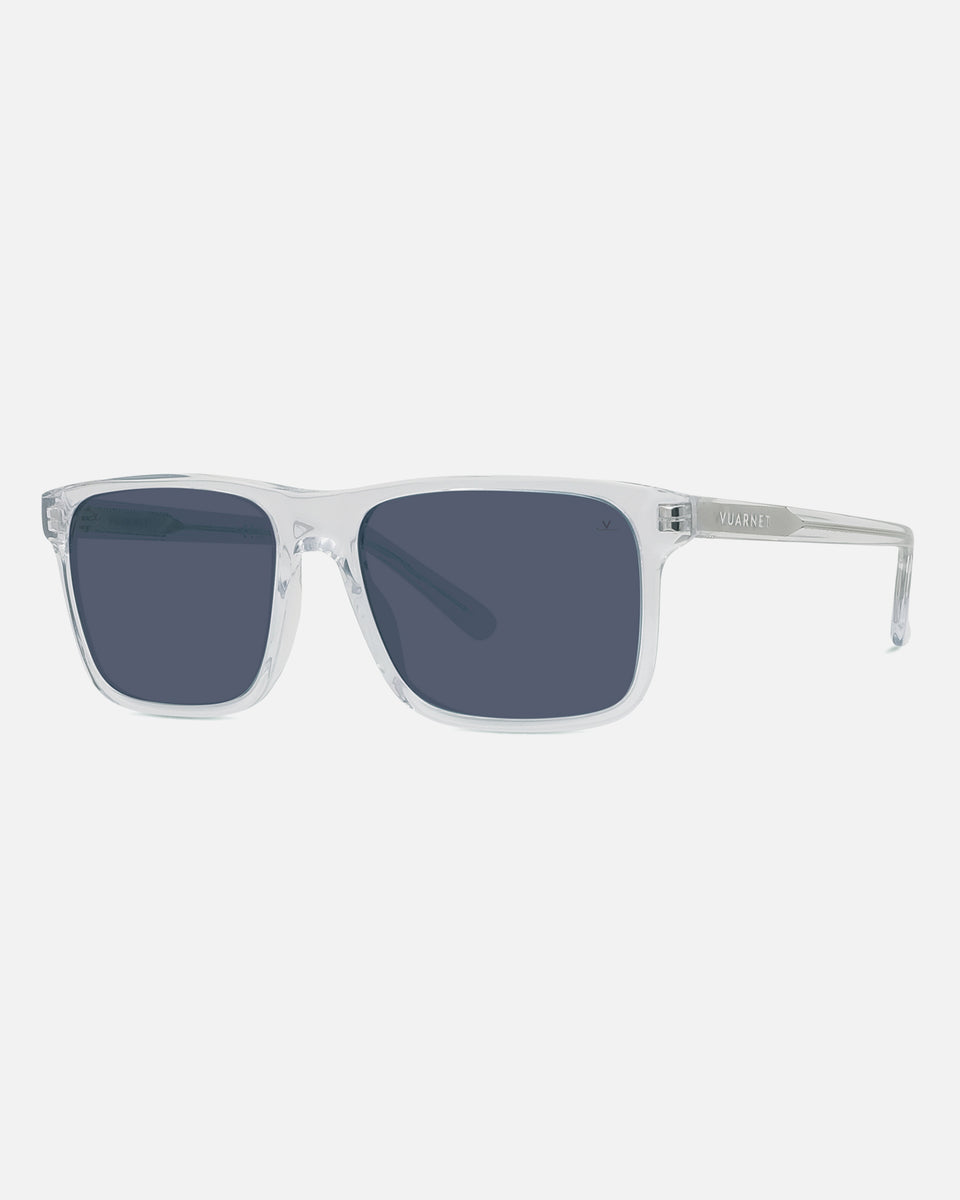
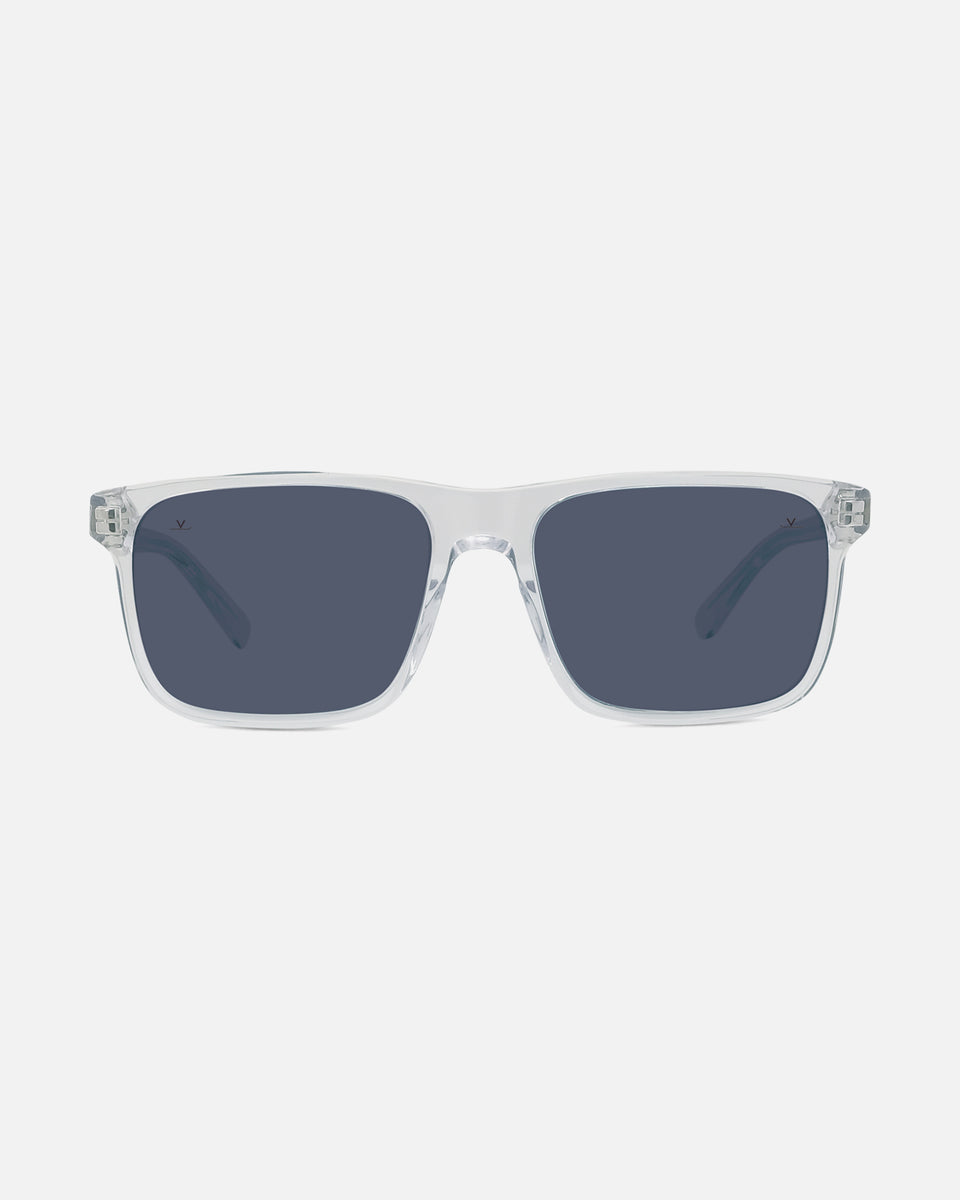
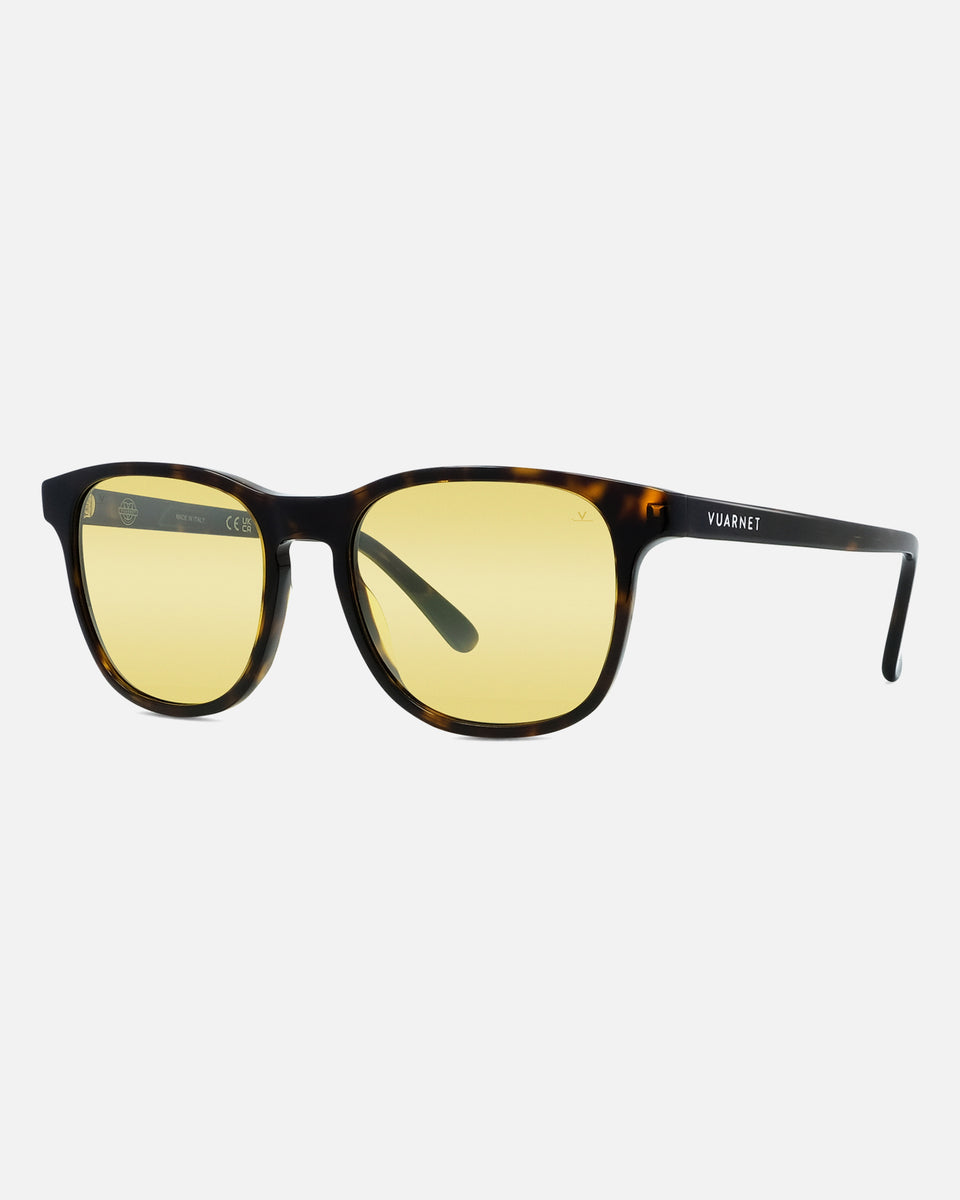
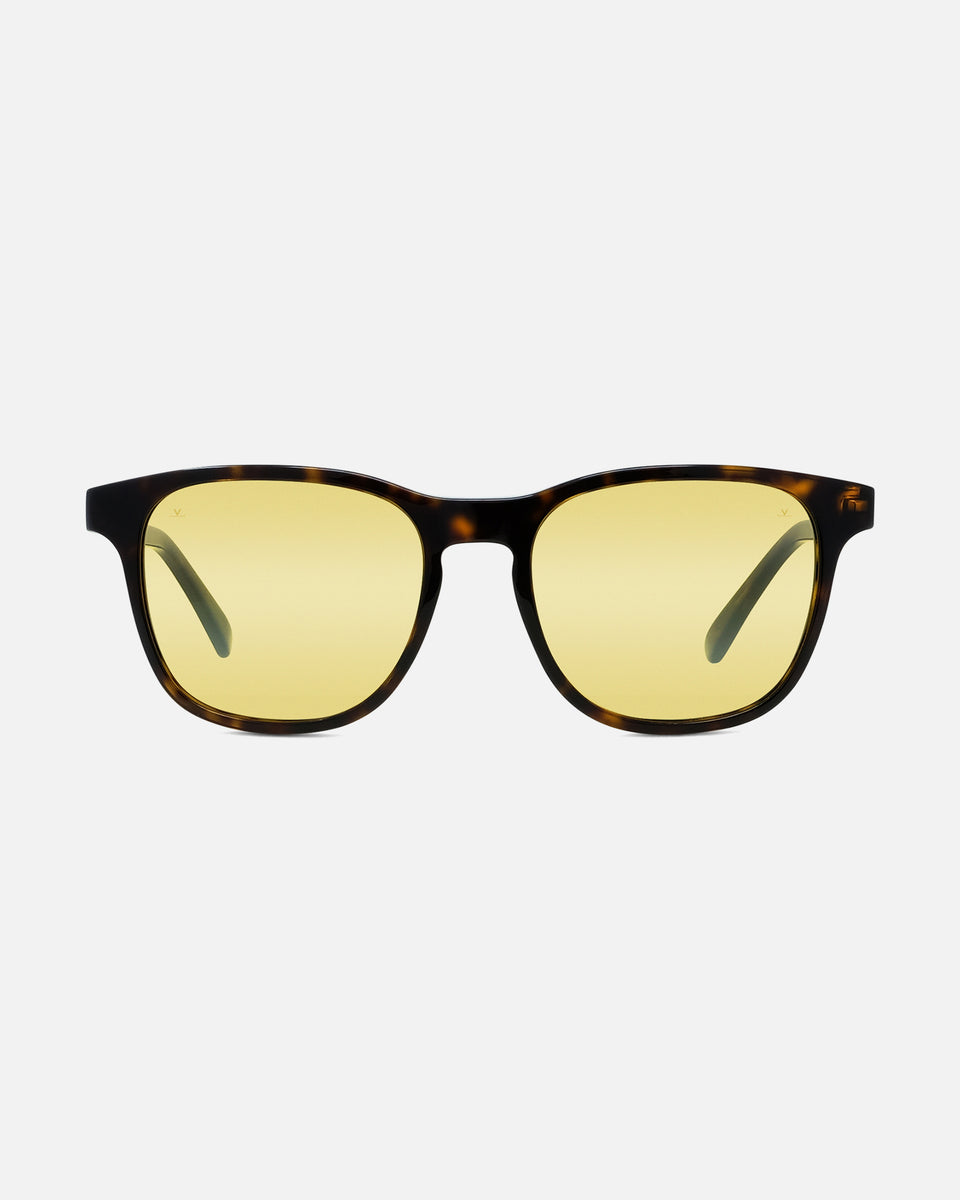
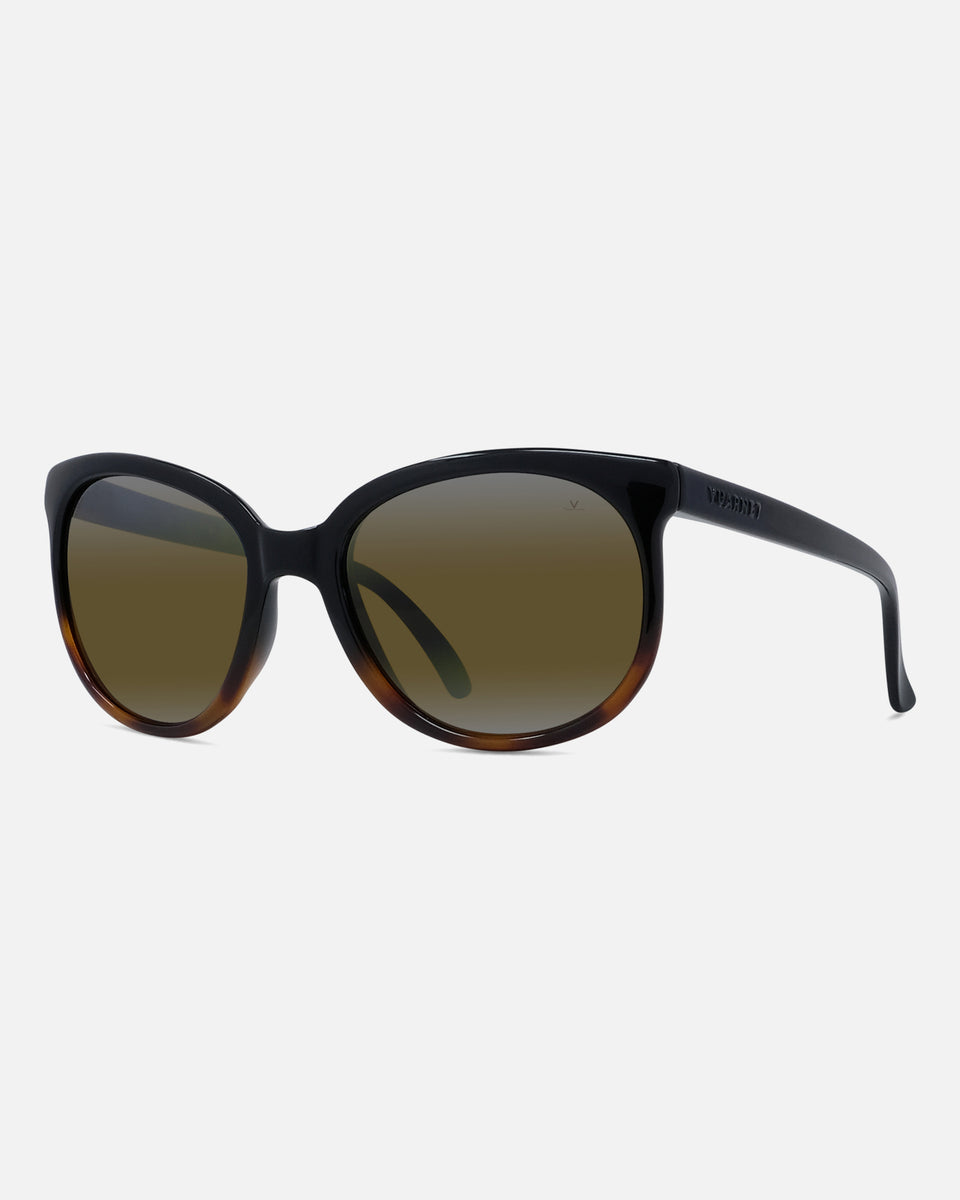
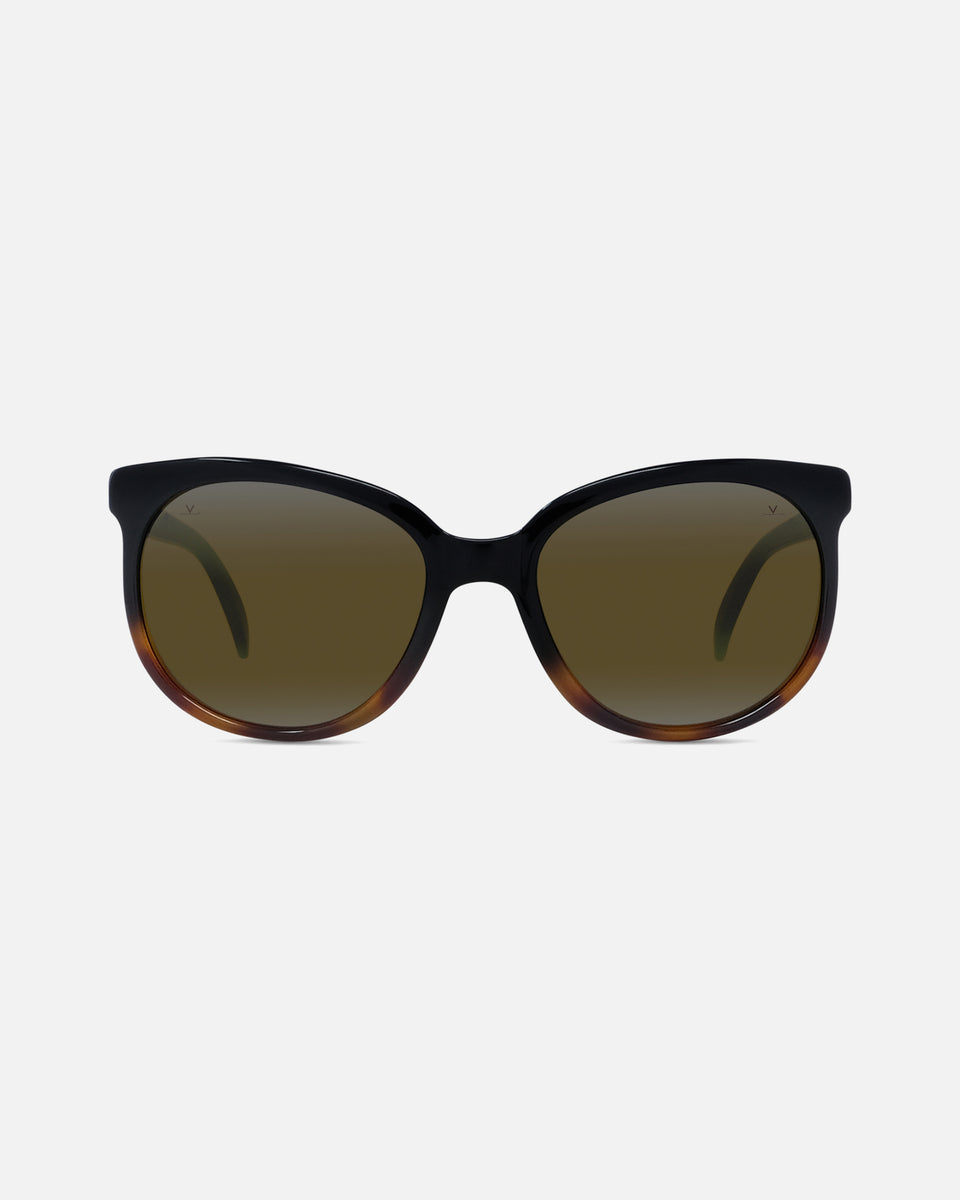
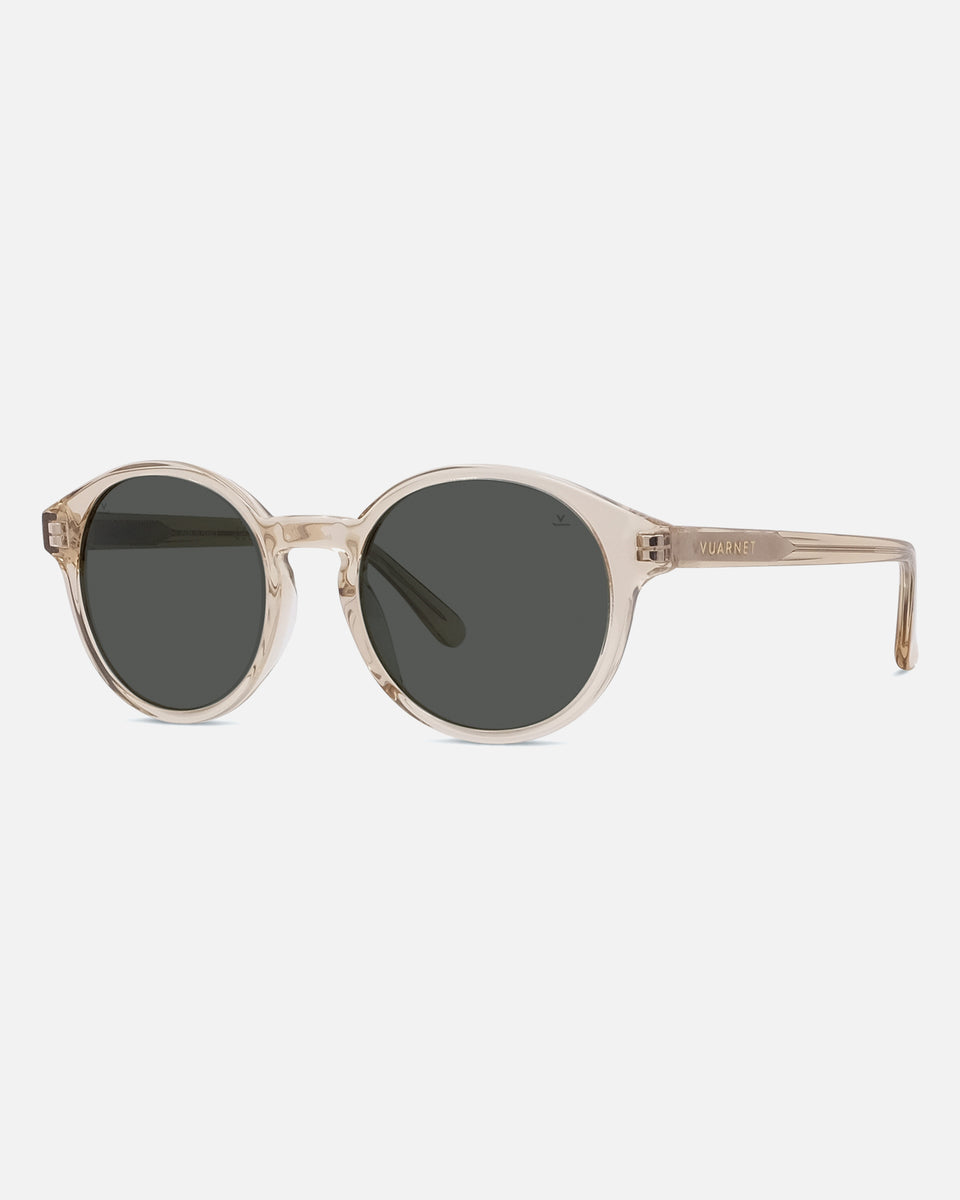
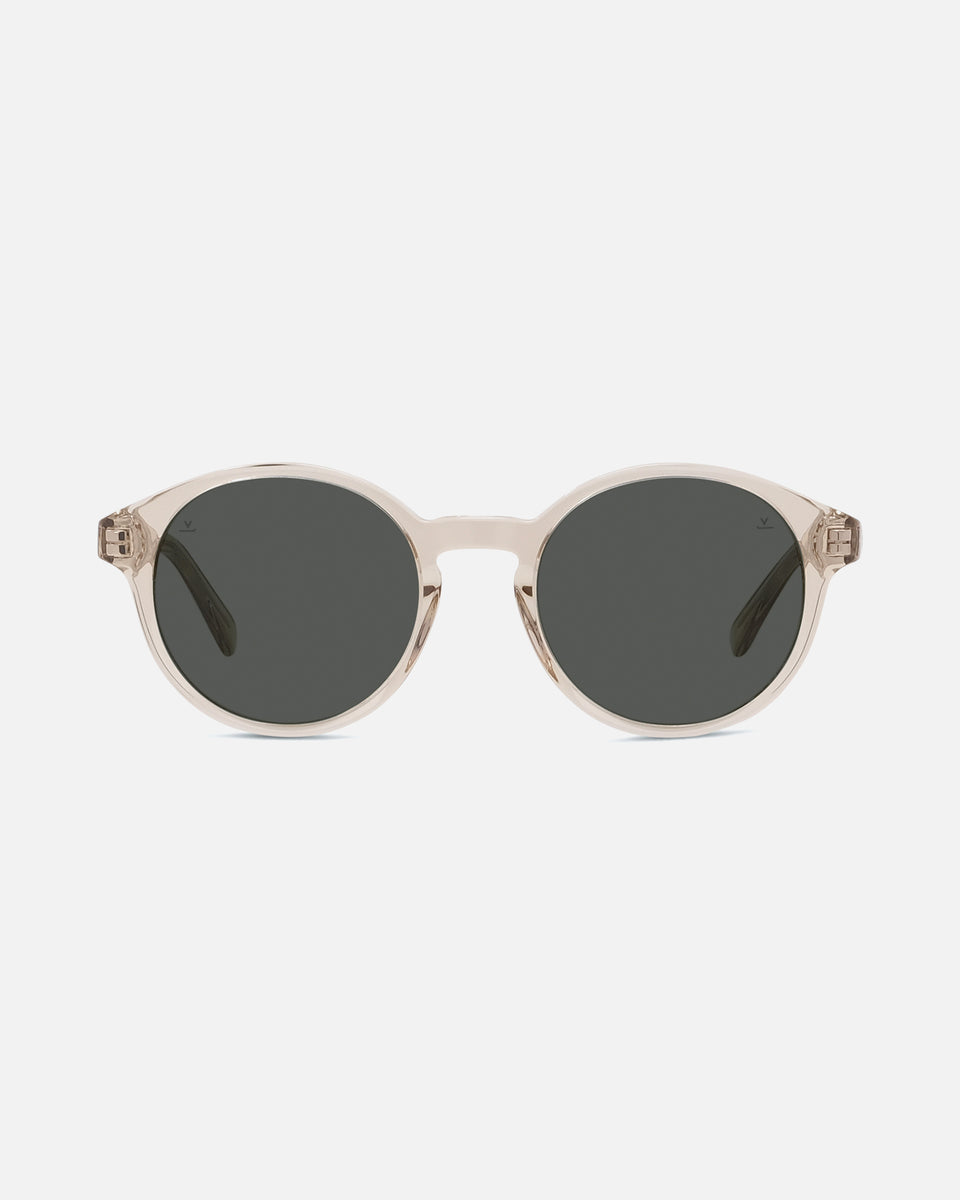
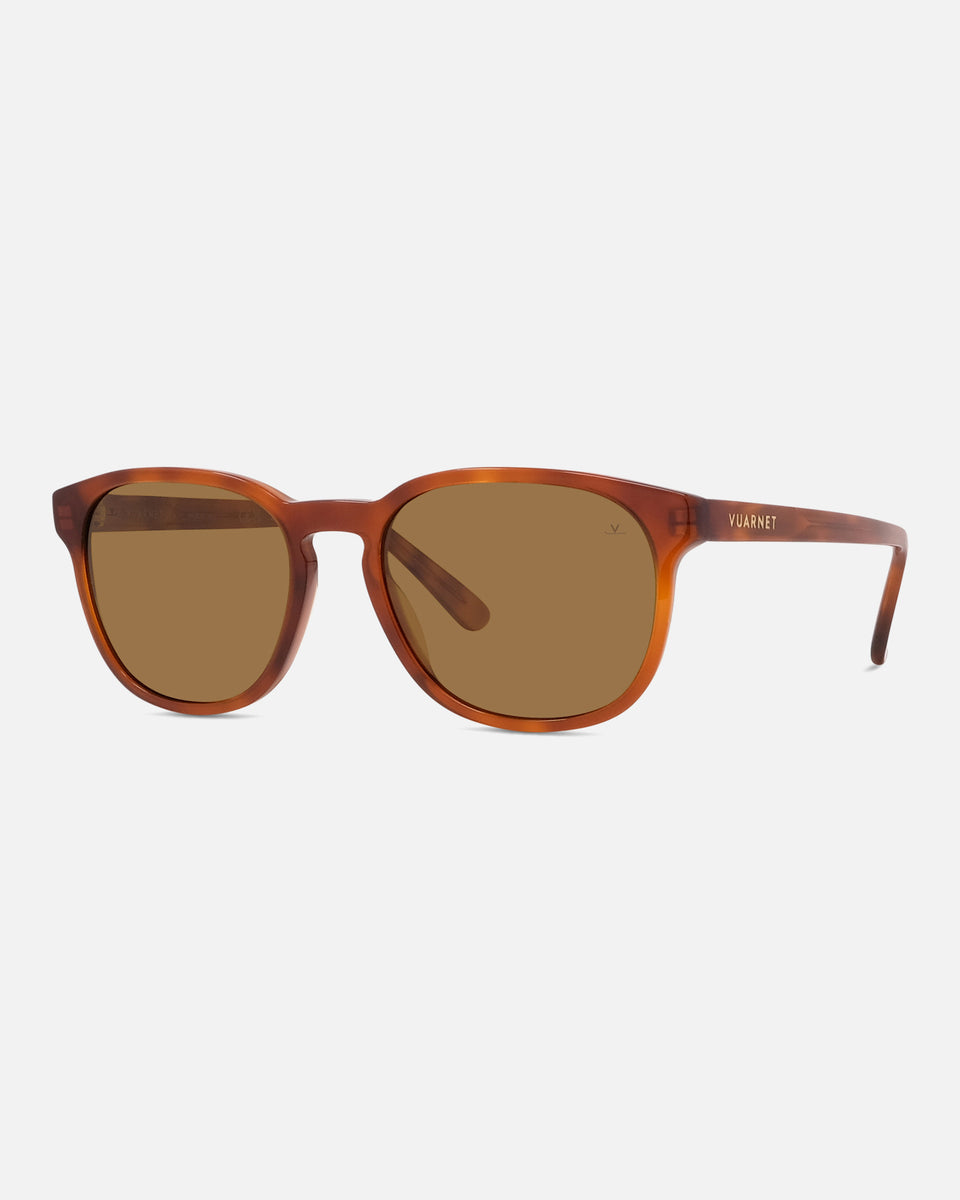
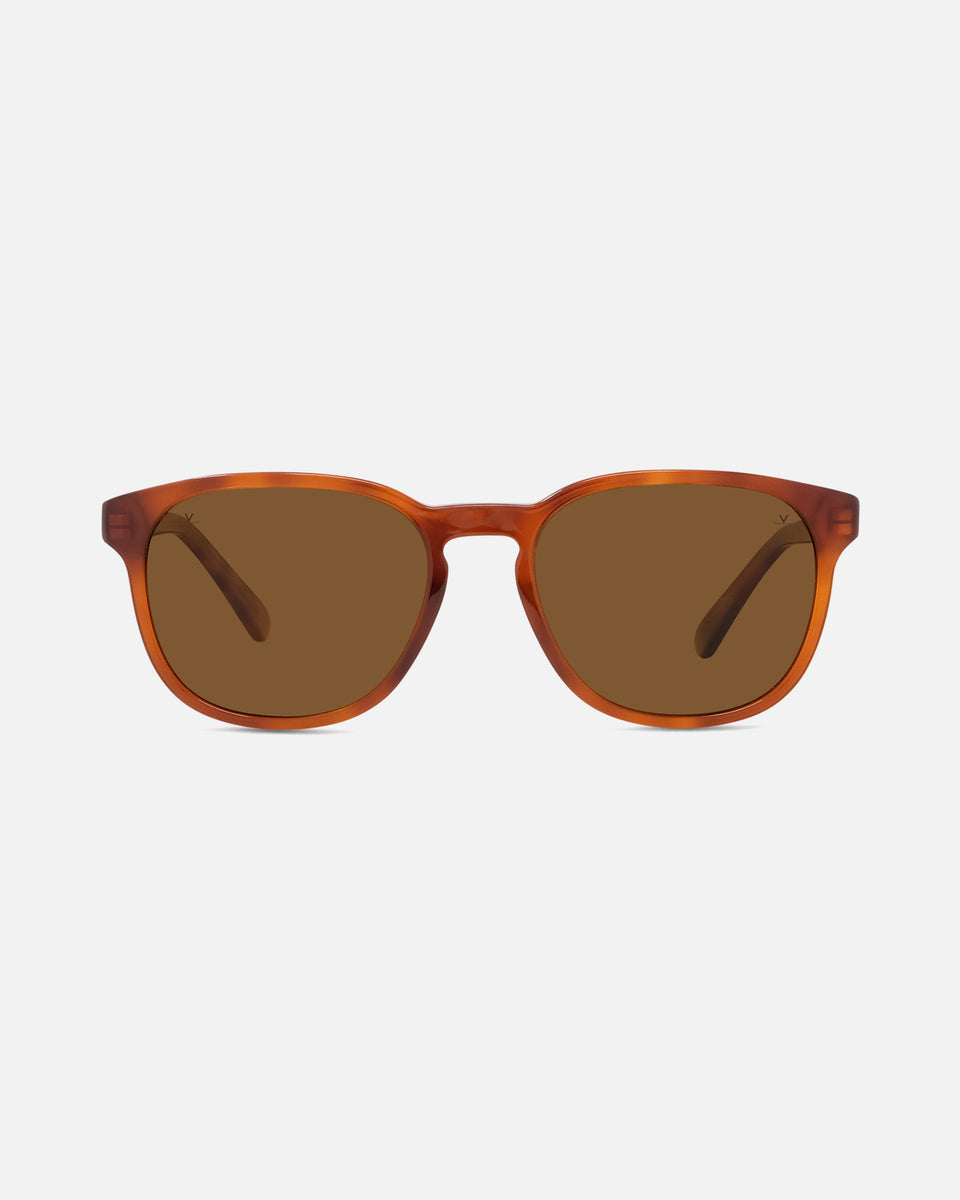
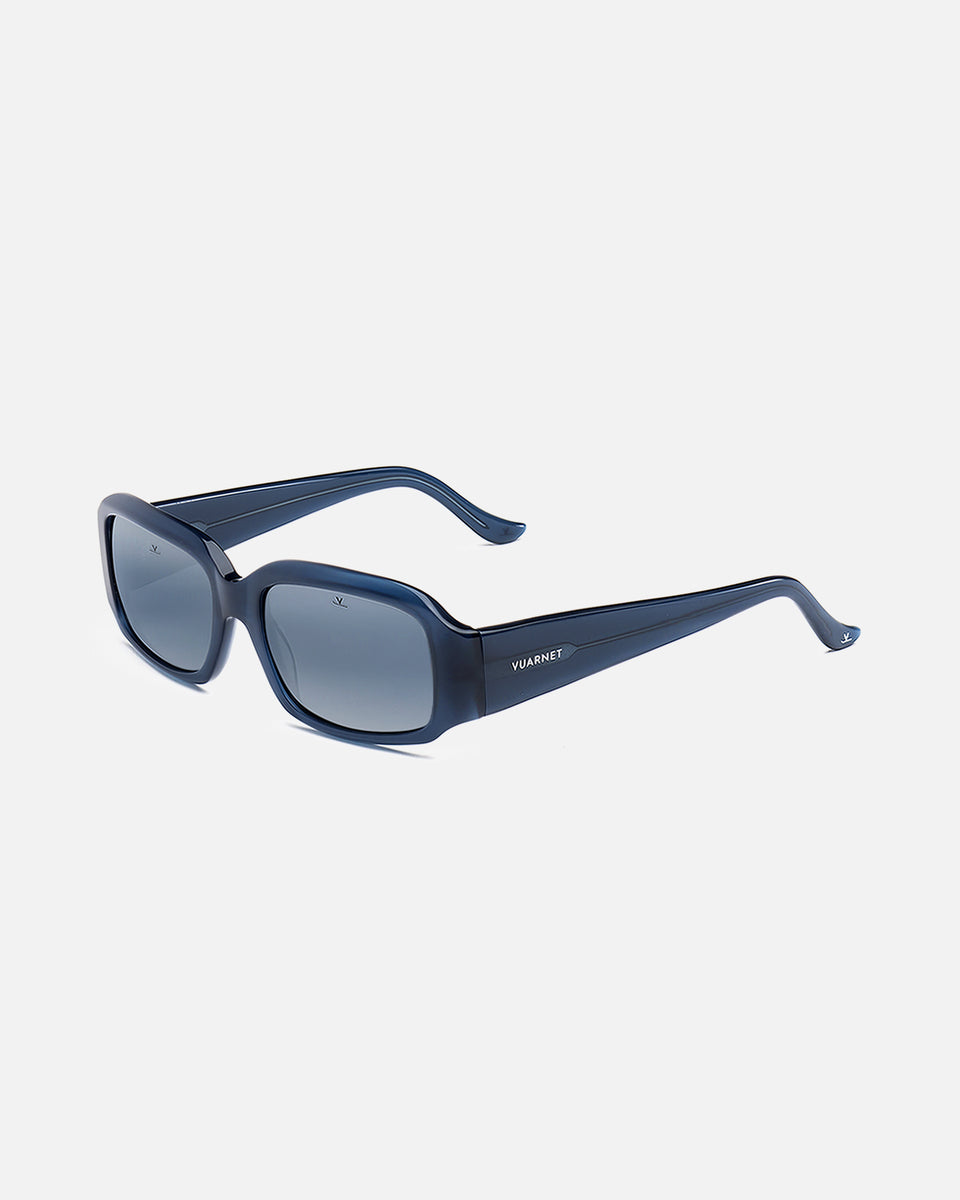
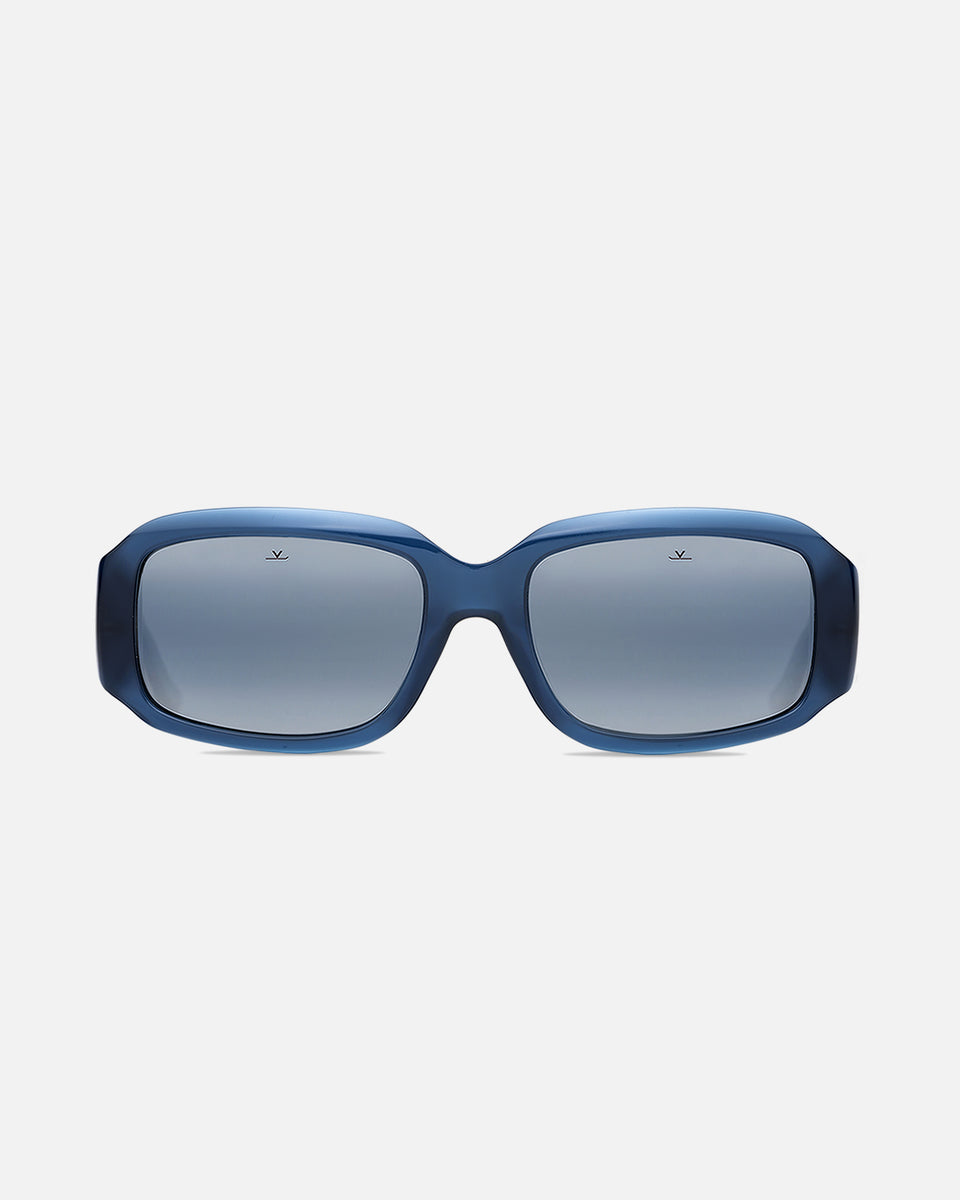
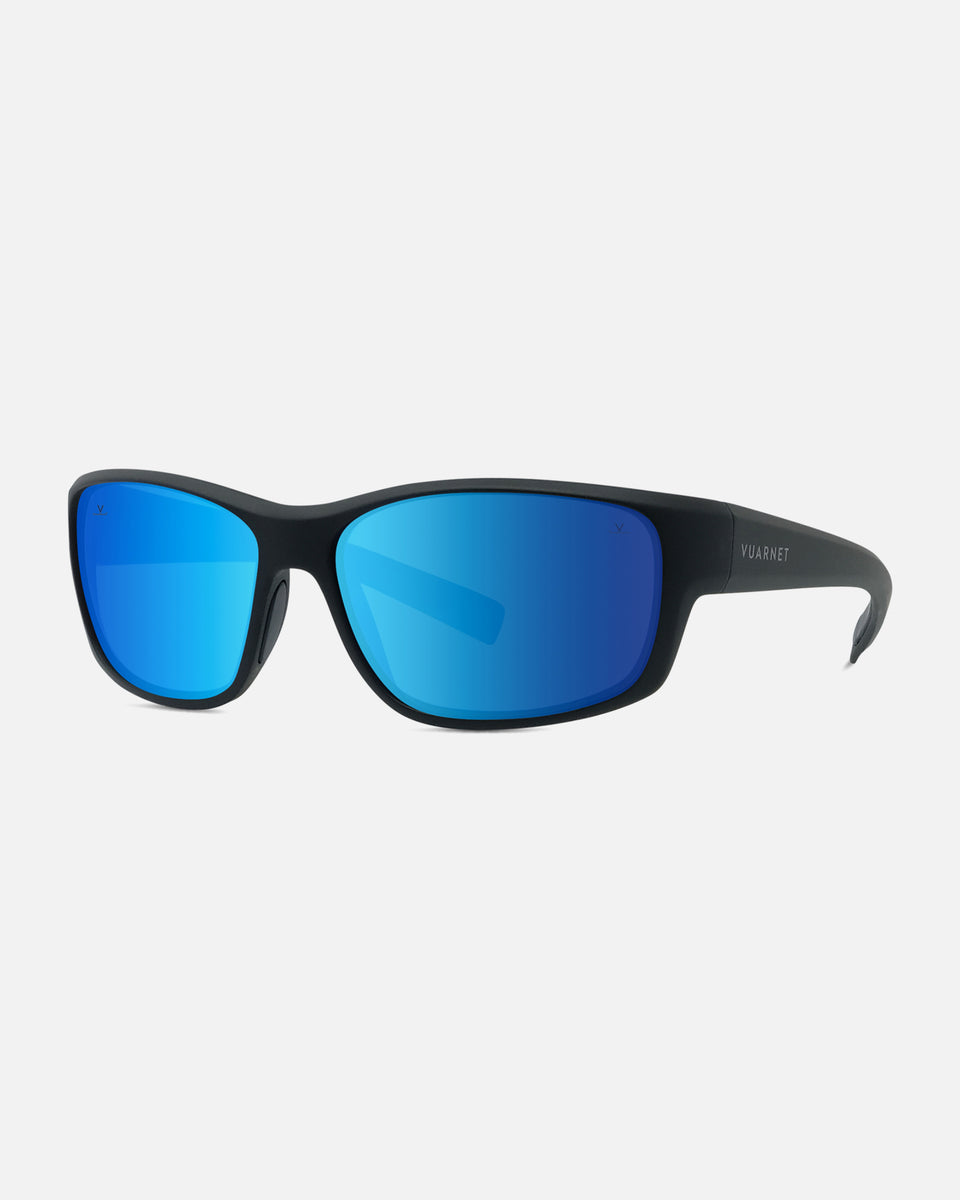
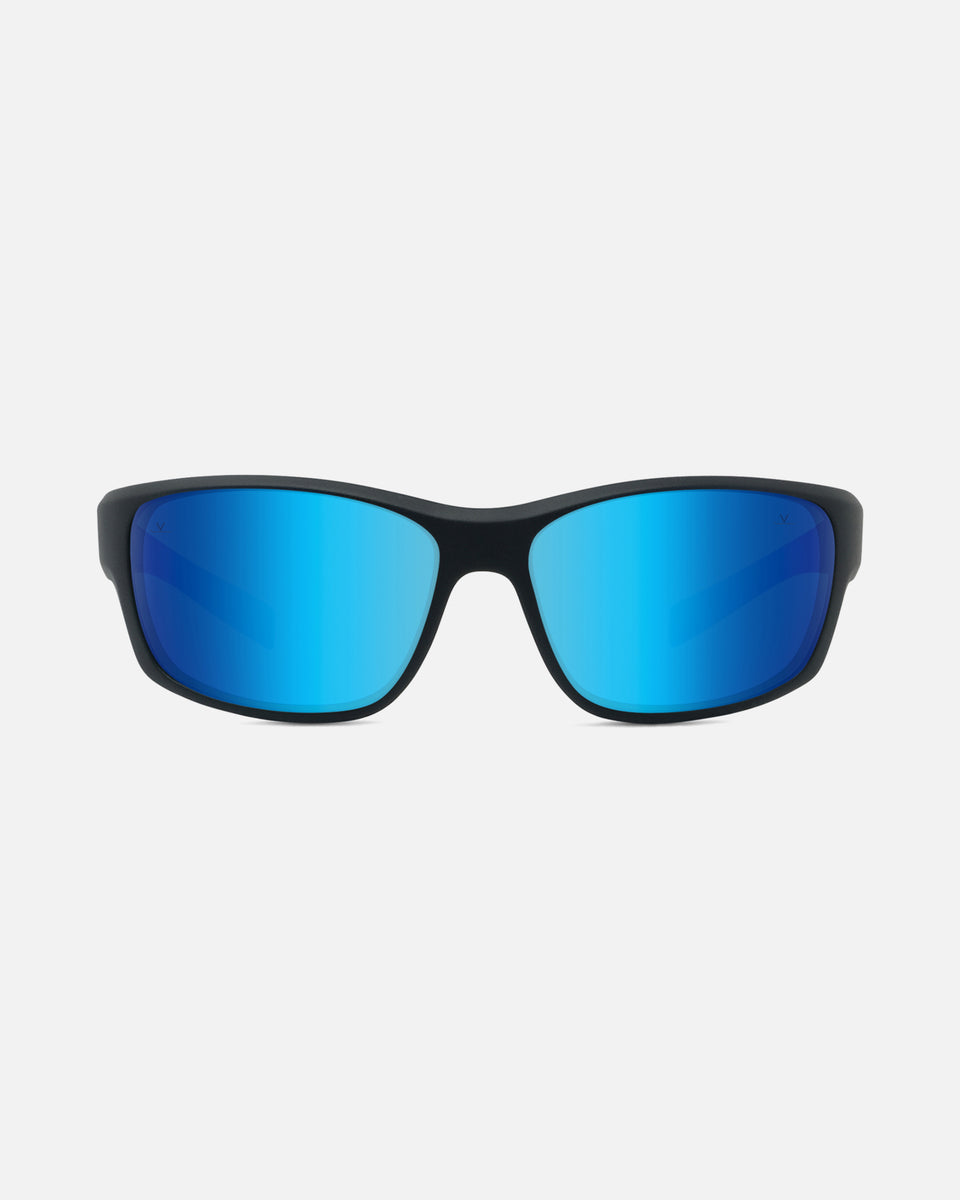
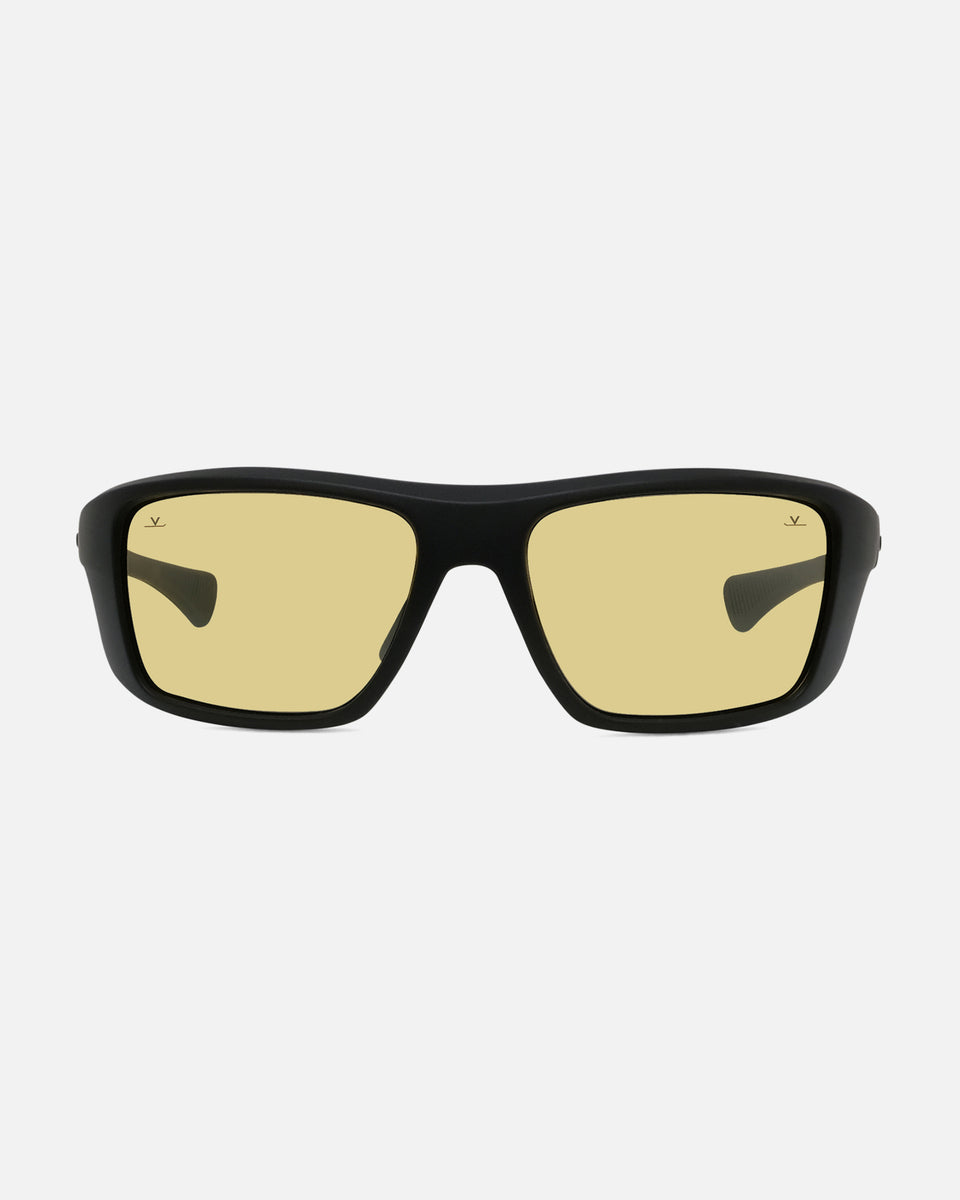
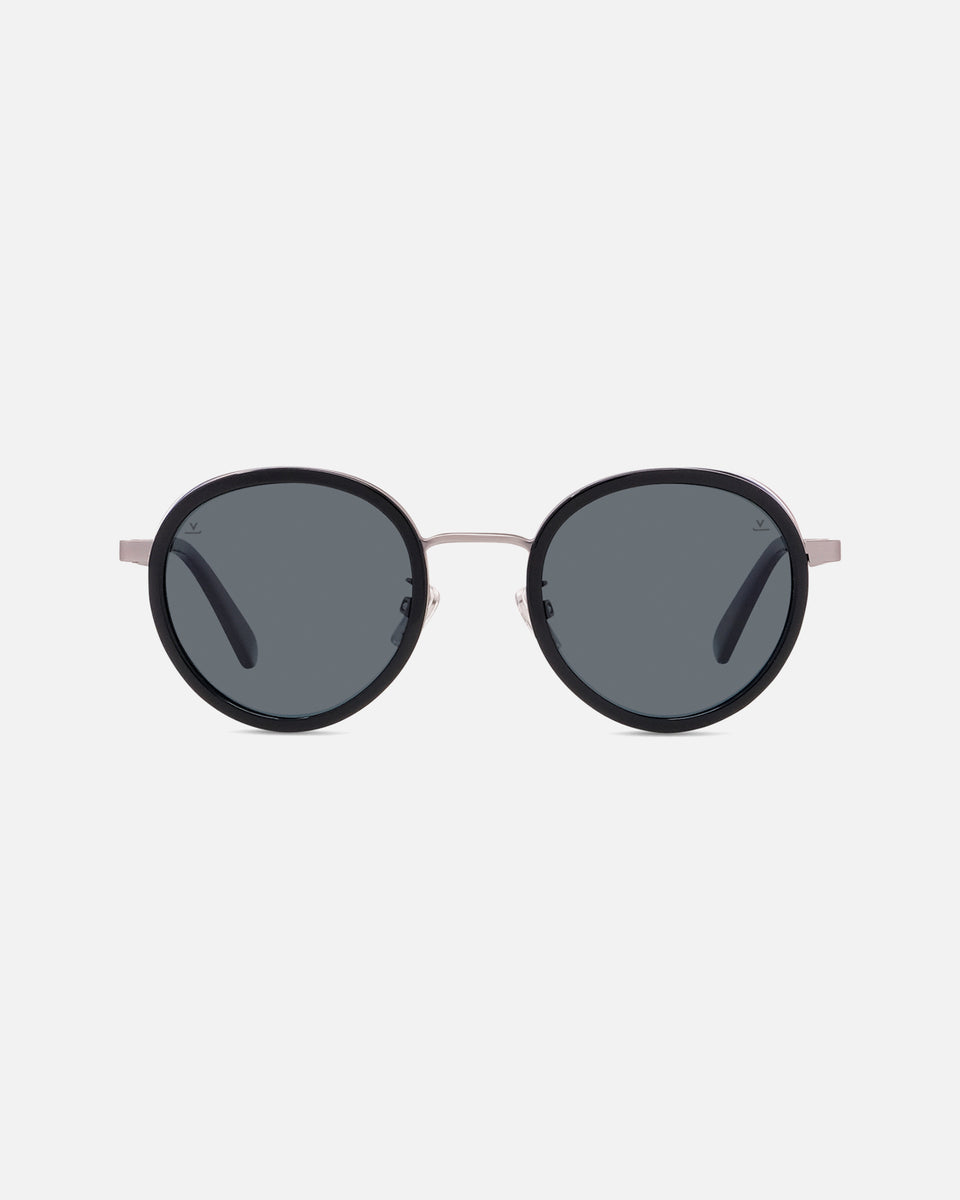
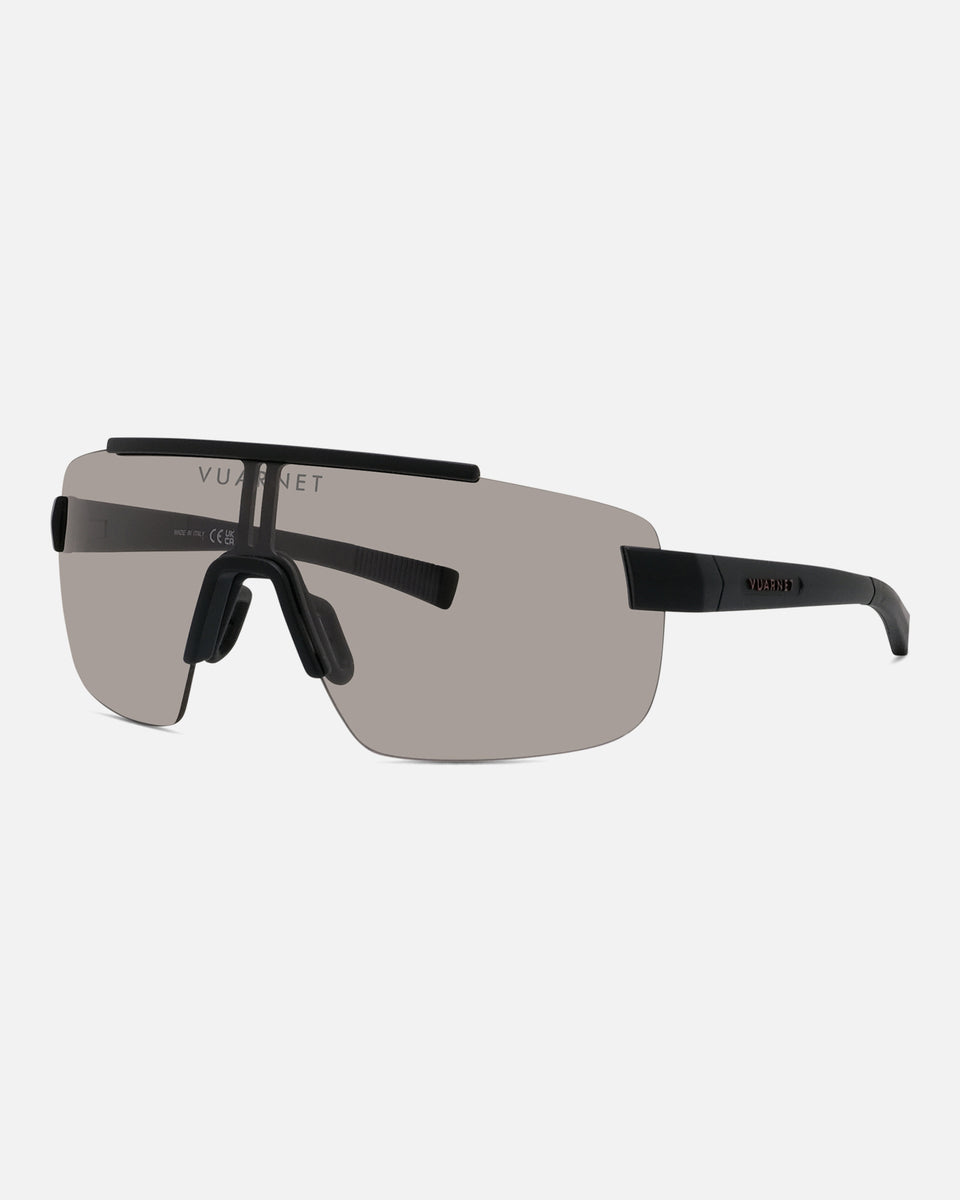
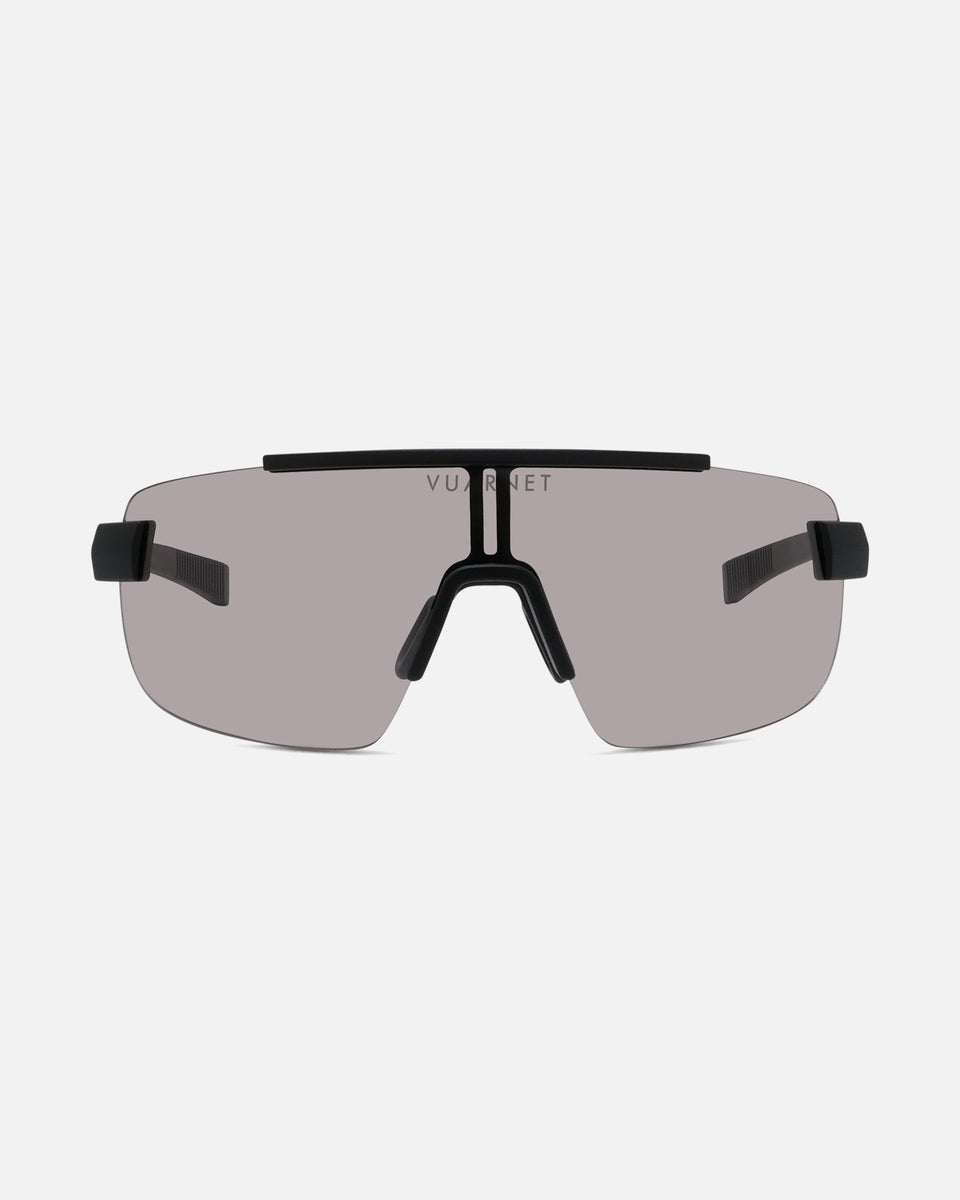
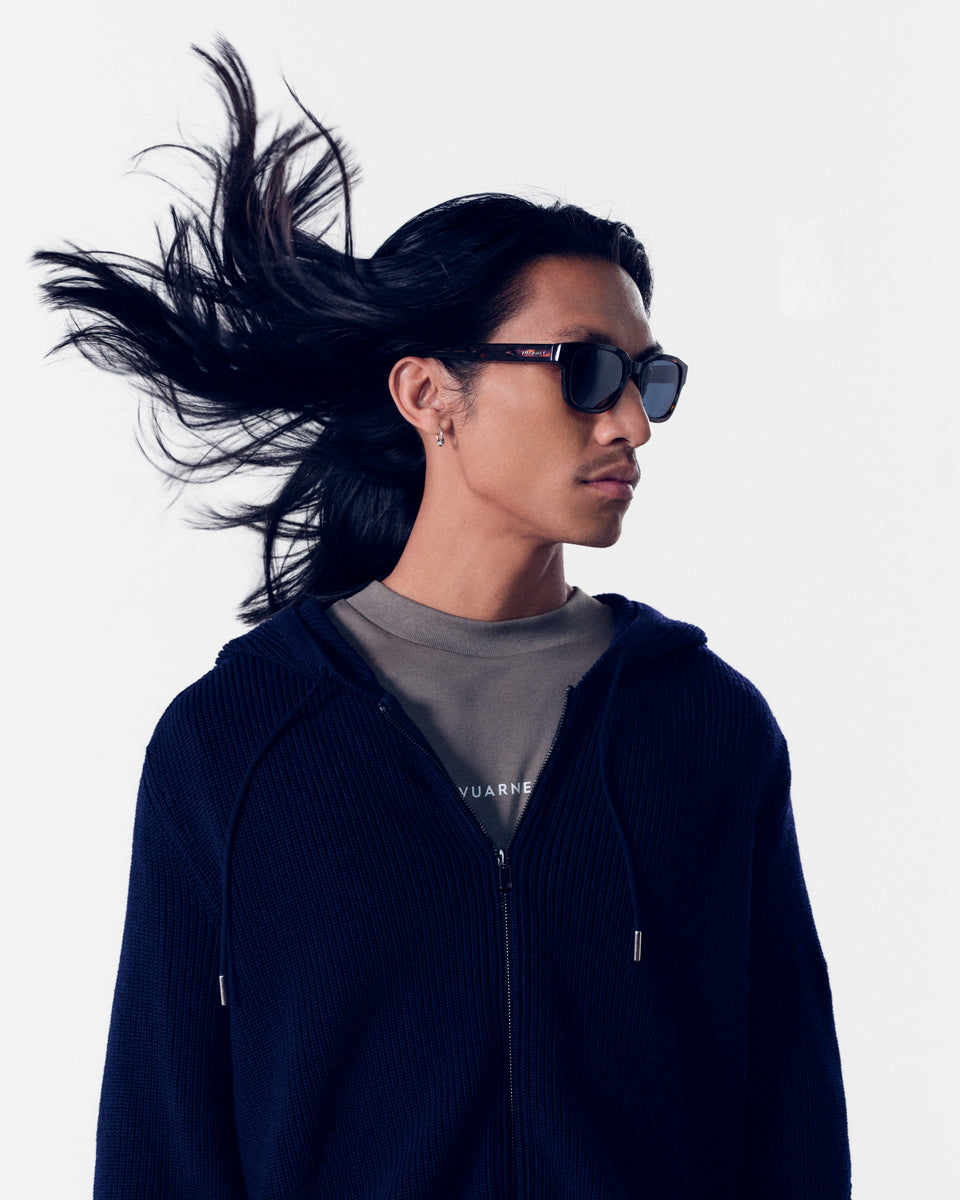
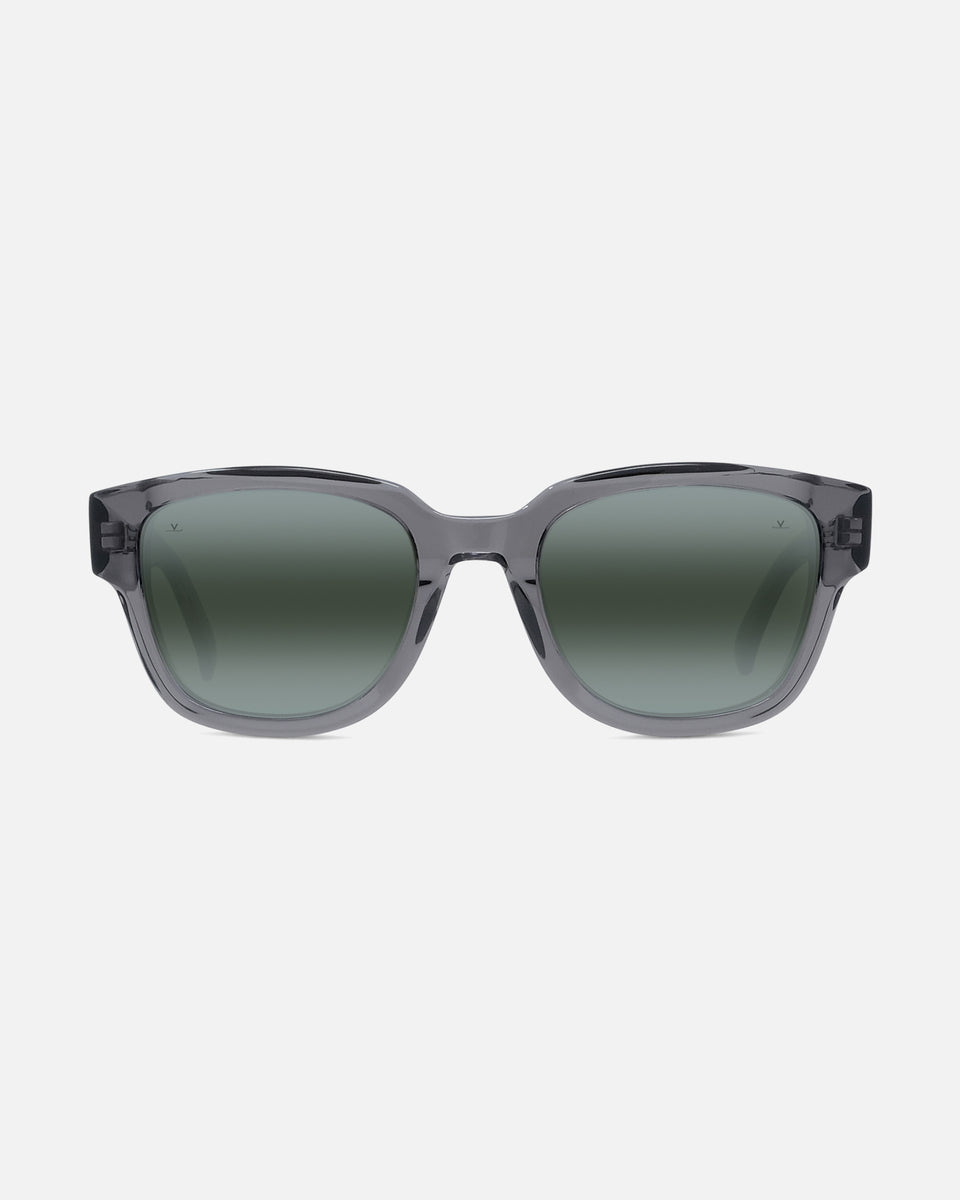
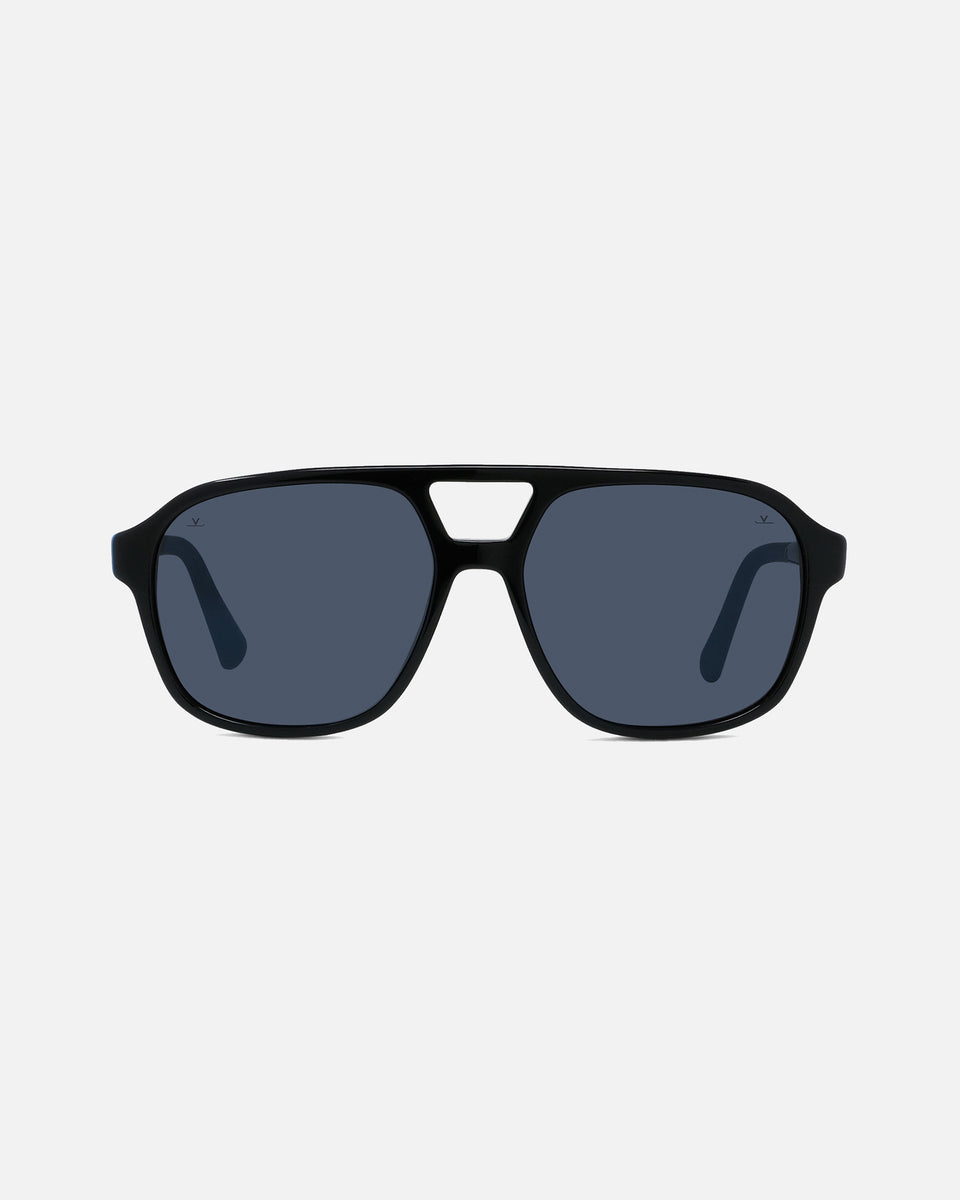
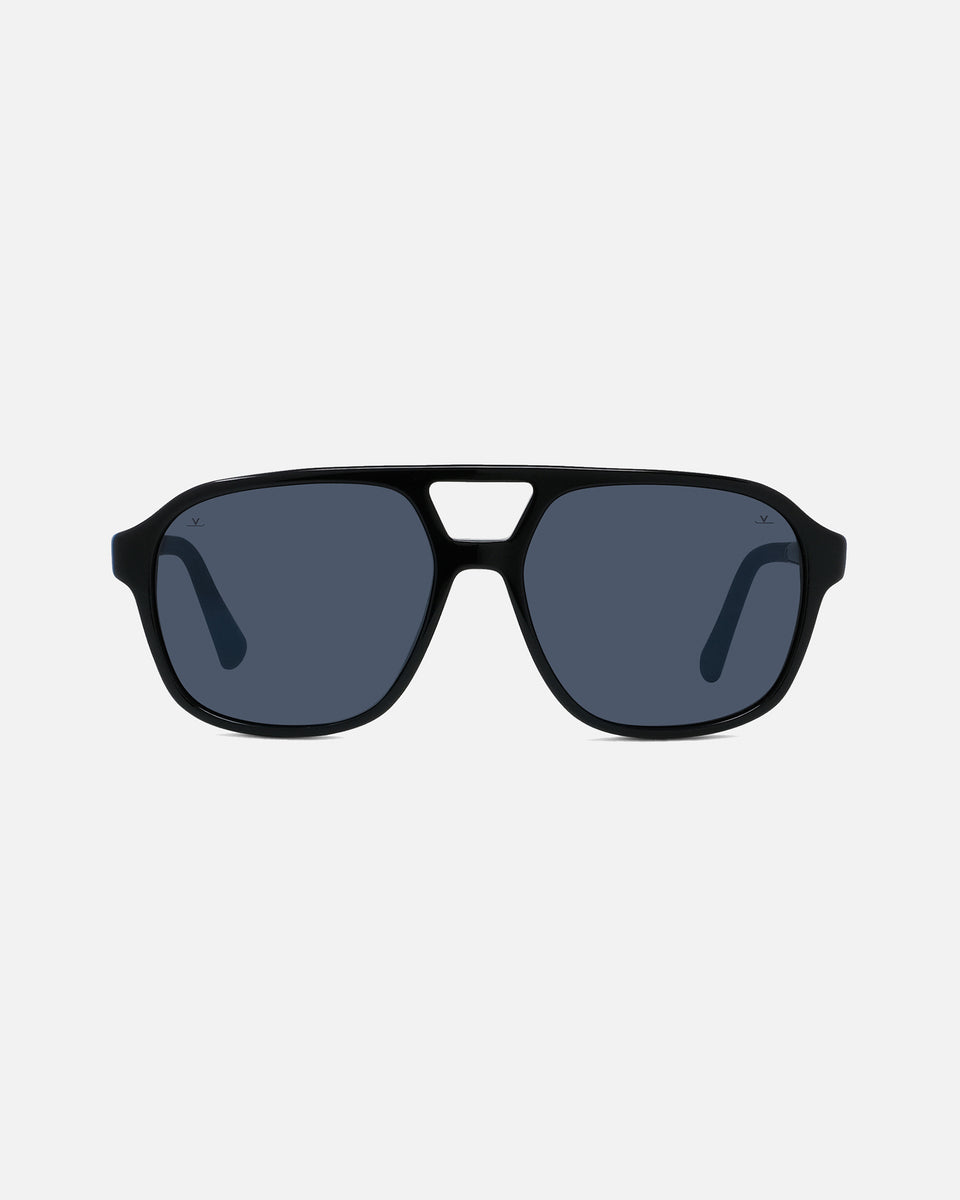
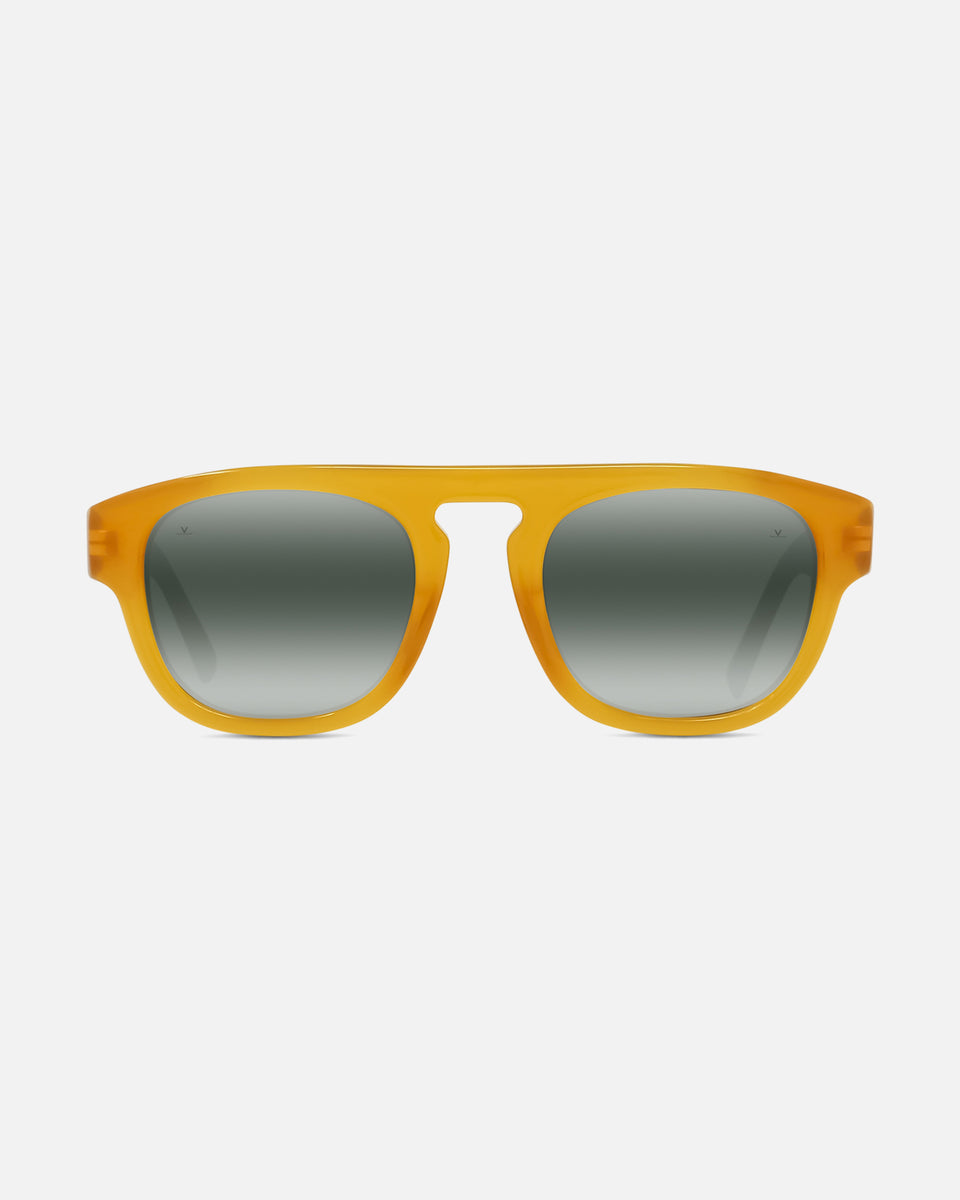
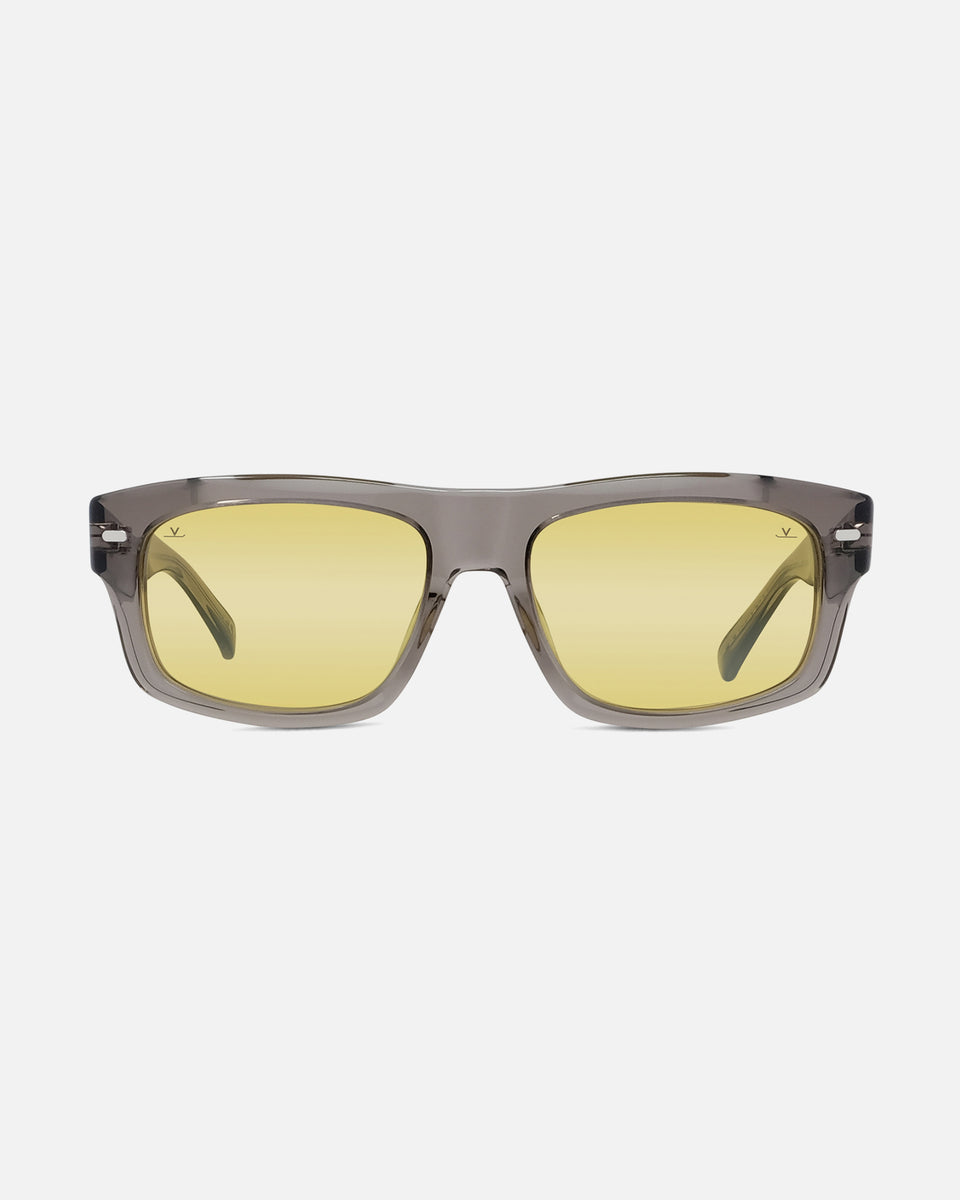
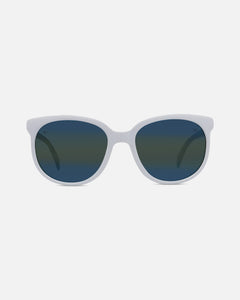
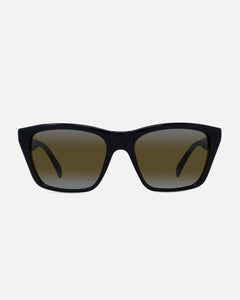
Pure lenses: the world exactly as it is
Most lens technologies improve vision by altering it. Contrast enhancement separates tones that were close together. Mirrors reduce intensity. Polarization filters out a whole component of the light reaching you. Each is useful, and each changes what you see.
Pure lenses take the opposite approach. They manage light without editing it. Colours arrive as they left the object, tonal relationships stay intact, and nothing is enhanced, shifted or filtered beyond what protection requires. For some people, and for some work, that faithfulness is worth more than any enhancement.
What faithful rendering actually means
A tinted lens shifts the balance of the visible spectrum. A brown lens warms the scene and increases contrast between warm and cool tones. A grey lens is more neutral but still reduces intensity across the board.
Pure lenses are engineered to transmit the visible spectrum evenly, so relationships between colours are preserved. A red remains the same red relative to the green beside it. The scene is managed for comfort, not reinterpreted.
This requires exceptional material consistency. Any variation in the glass itself introduces a tonal shift, which is why faithful rendering is fundamentally a mineral glass capability rather than a coating.
Pure lenses compared
Technology: Pure
Main action: Natural mineral lens, available in a range of tints
Best for: Everyday wear, city life, driving and versatile use depending on the tint
Technology: Lynx™
Main action: Bi-shaded mirror treatment that protects against direct light and reflected glare
Best for: Everyday wear, sport and bright environments
Technology: Polarized
Main action: Reduces distracting reflections on horizontal surfaces
Best for: Water, snow and wet roads
Technology: Photochromic
Main action: Adjusts its tint according to changing light conditions
Best for: Conditions that shift throughout the day
Technology: Mirror
Main action: Reduces the amount of light transmitted
Best for: Bright-light conditions
For active contrast enhancement, see Lynx™ lenses. For adaptive tint, see photochromic lenses.
Who chooses Pure lenses?
Colour-critical work and interests
Anyone whose judgement depends on seeing colour accurately - including design, photography, painting, horticulture and textiles - has a practical reason to avoid tonal alteration. A lens that helps a skier read a slope can actively interfere here.
Low light and overcast conditions
Pure lenses manage light without heavy darkening, which suits overcast days, dusk and early morning, when a dark tint costs you more than it gives. For genuine low light and night driving, Low Light is engineered specifically for that use.
Everyday and urban wear
For daily wear in urban environments, faithful colour rendering keeps traffic signals, signage and screens easy to read. Explore the Lifestyle collection.
Anyone who dislikes tinted vision
Some people simply find enhanced or heavily tinted lenses unnatural and, as a result, stop wearing sunglasses. Pure lenses offer protection without that trade-off - often the difference between eyewear worn and eyewear left at home.
Protection without alteration
Faithful rendering does not mean reduced protection. The two are independent properties.
- 100% UV protection across UVA and UVB.
- Up to 94% infrared absorption, depending on the lens, integrated into the mineral glass itself.
- Natural scratch resistance from the glass material rather than a surface coating.
- Optical precision designed to reduce the distortion that can contribute to eye fatigue over long wear.
Learn more about Vuarnet mineral lenses.
Pure sunglasses for men and women
Men’s Pure lens sunglasses
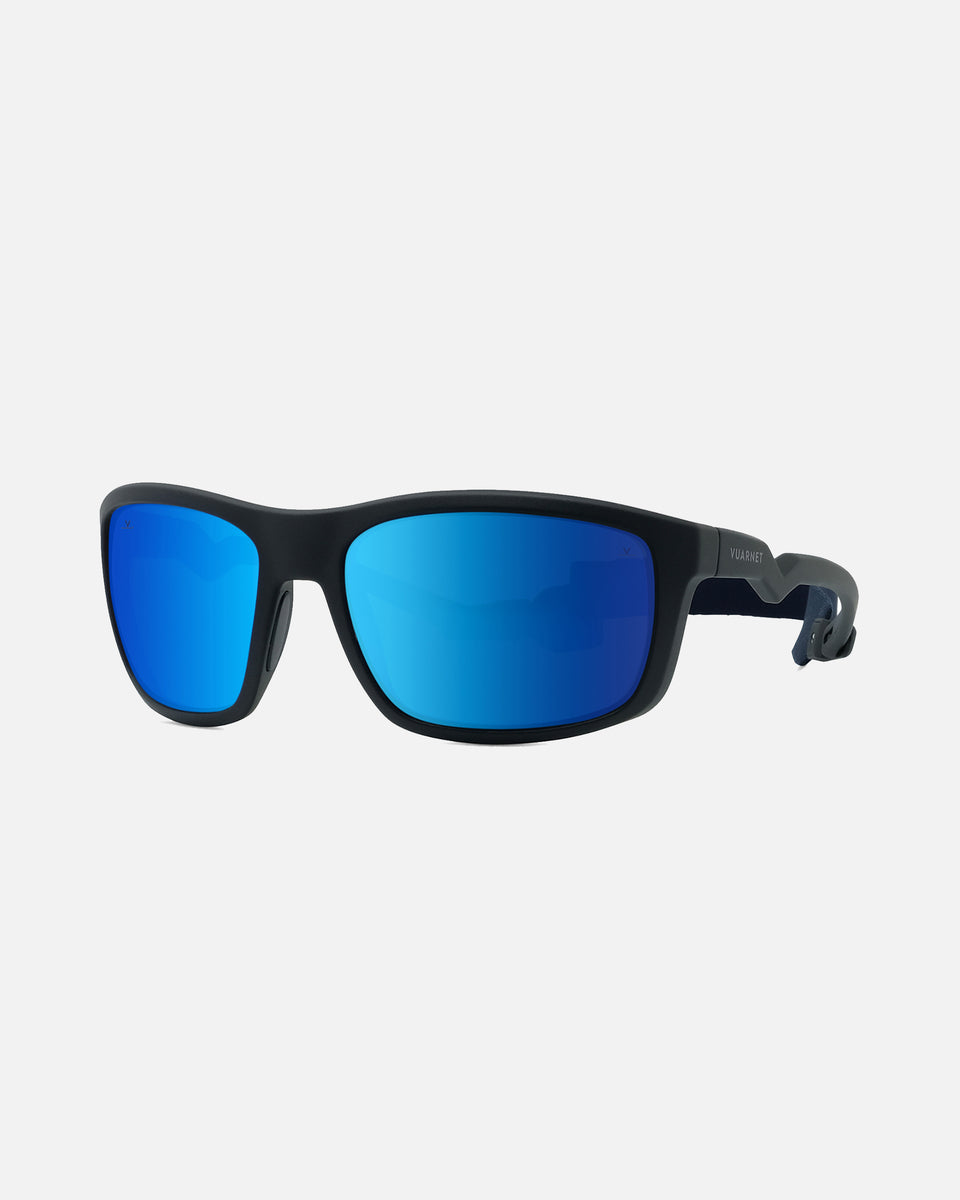
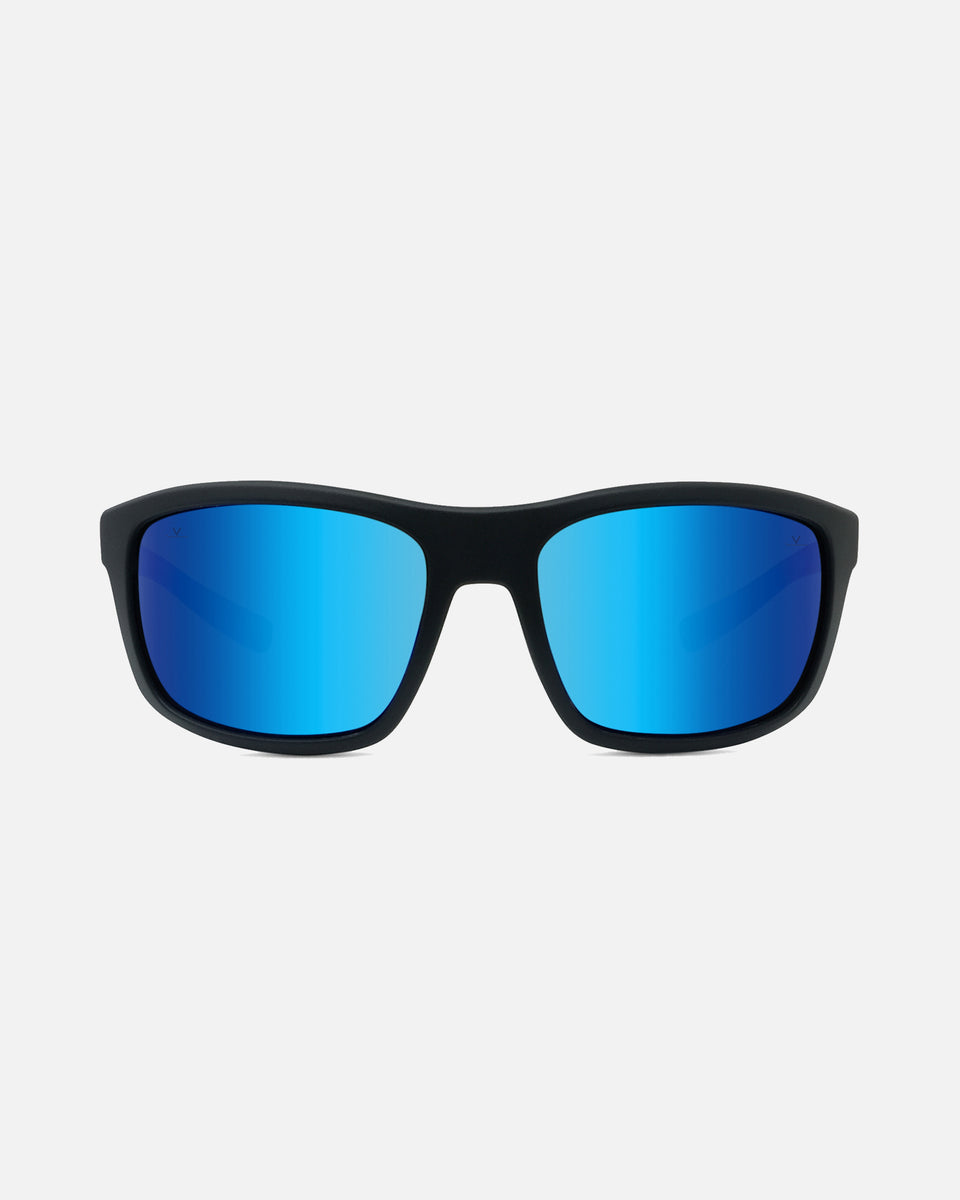
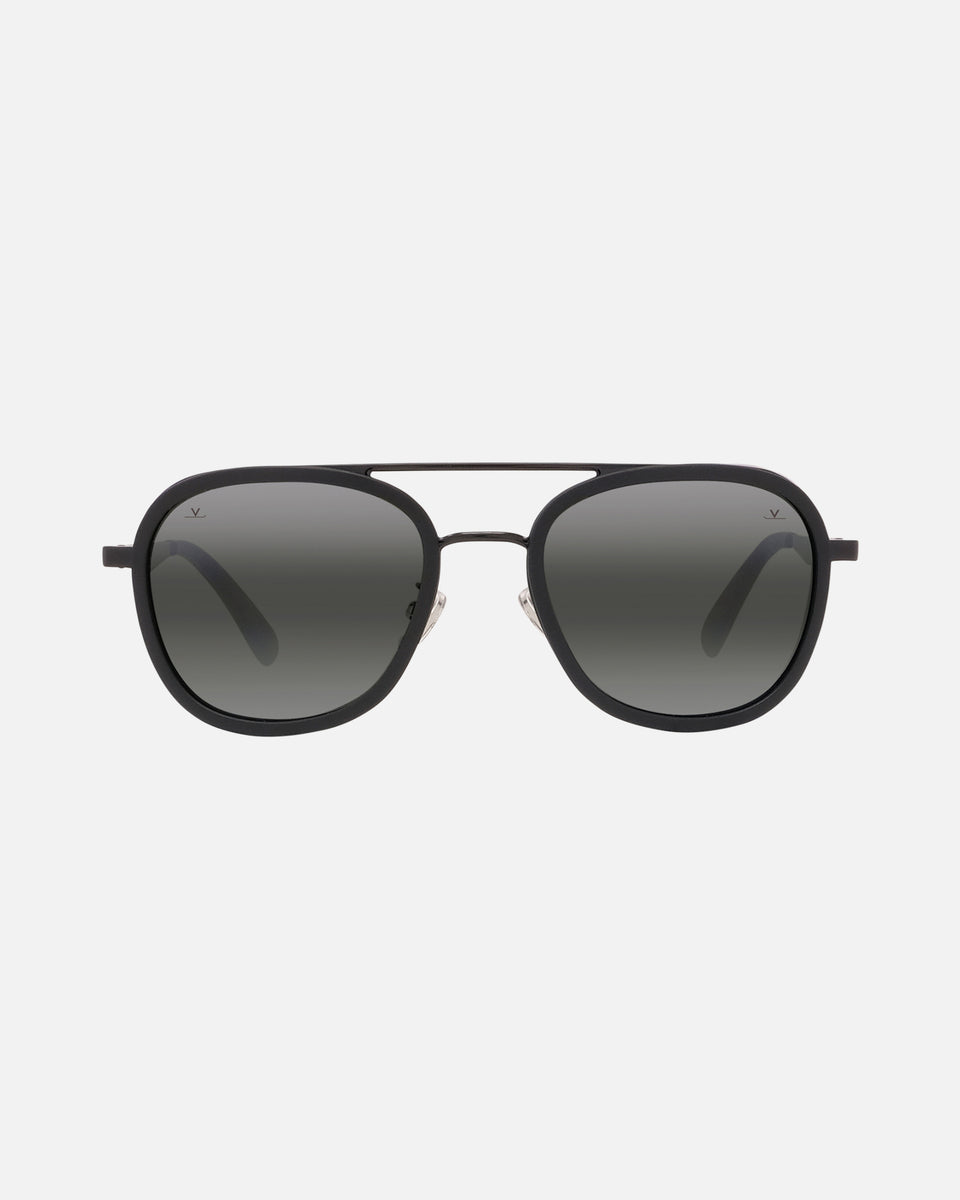
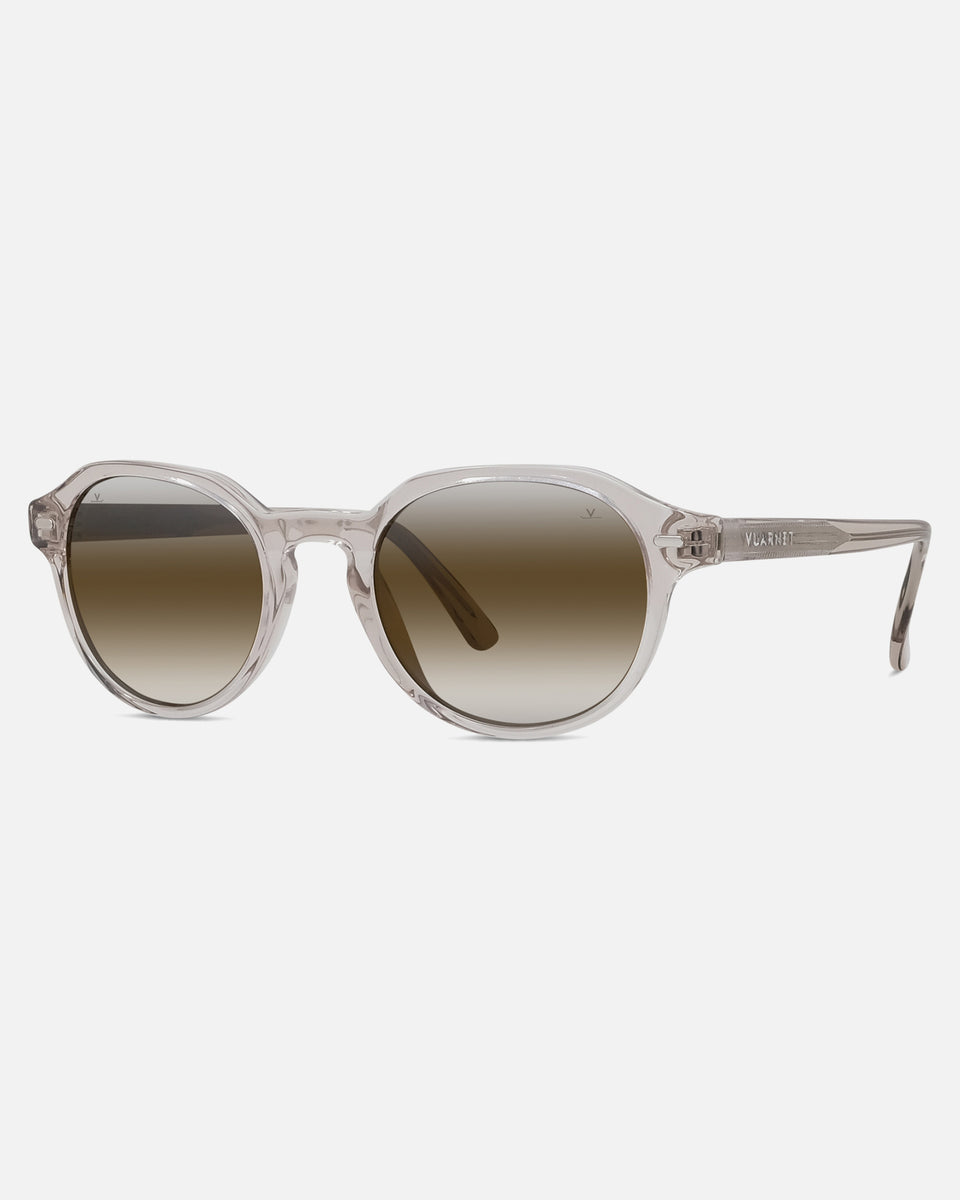
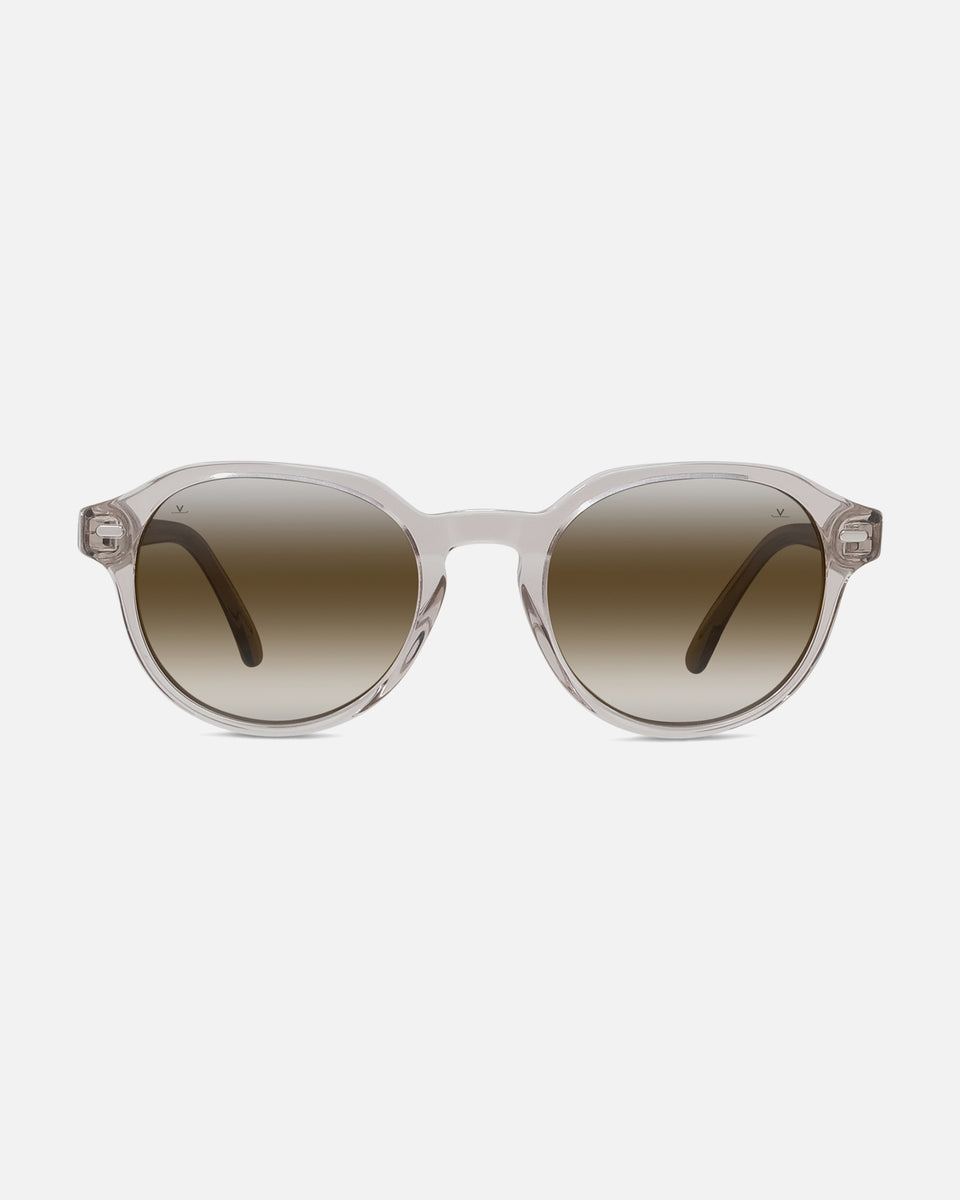
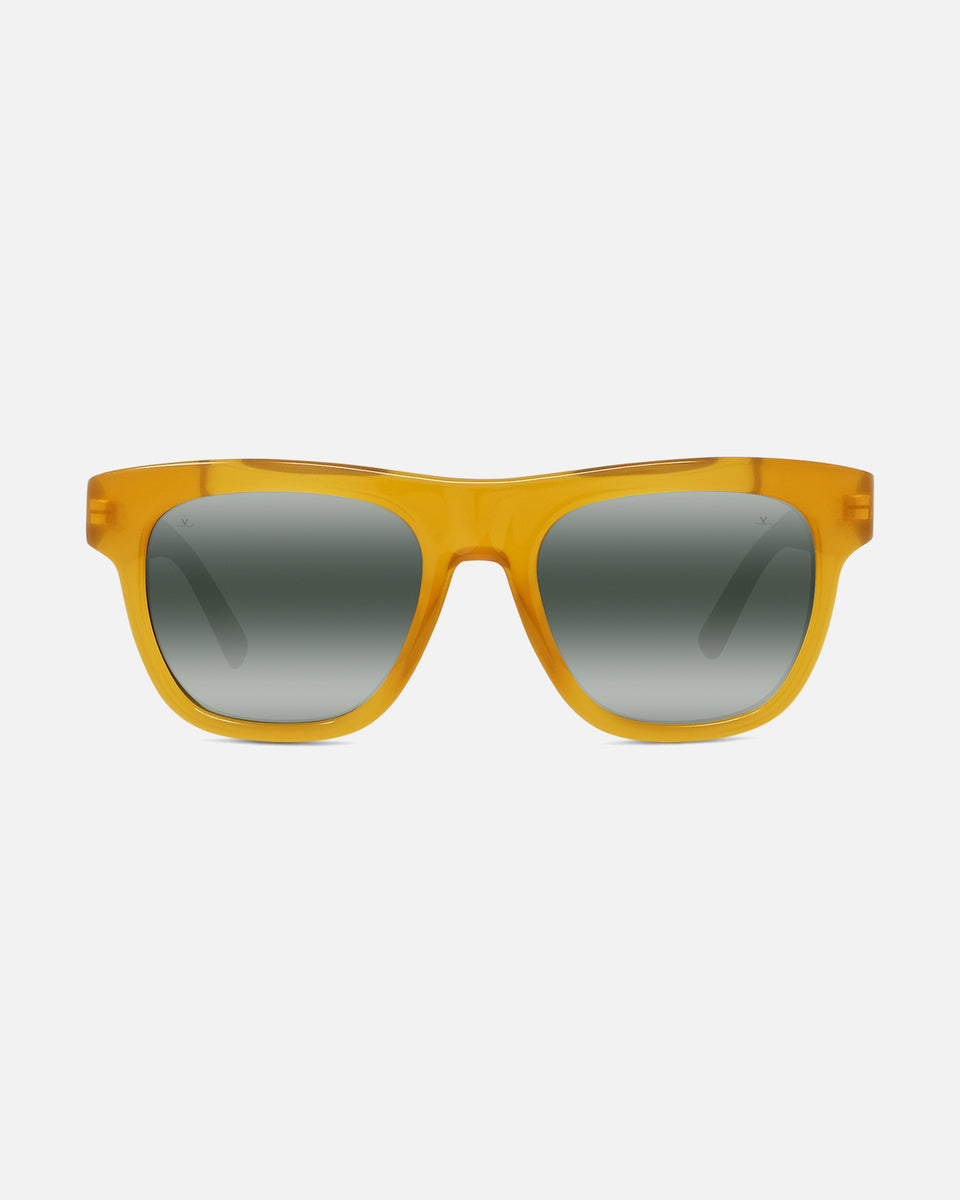
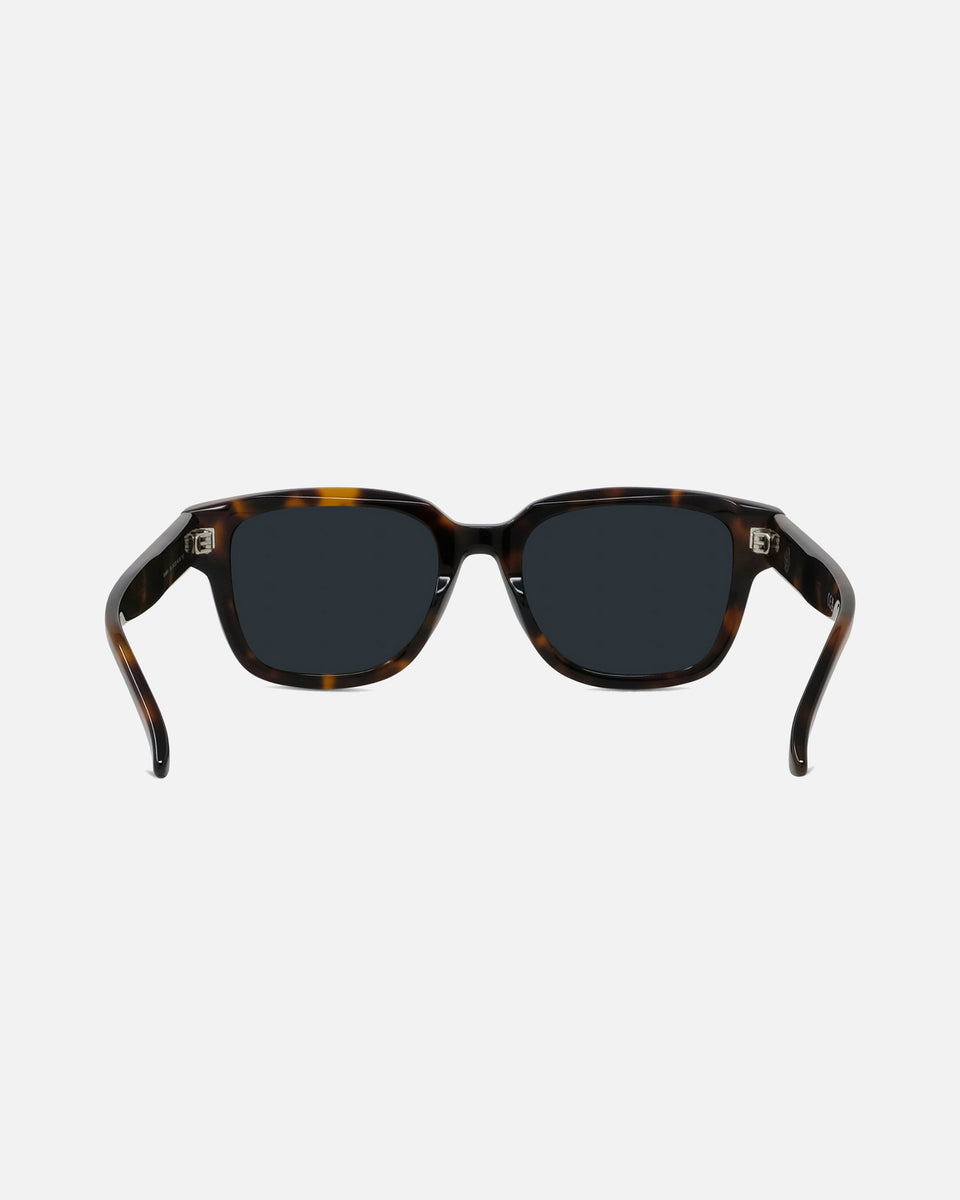
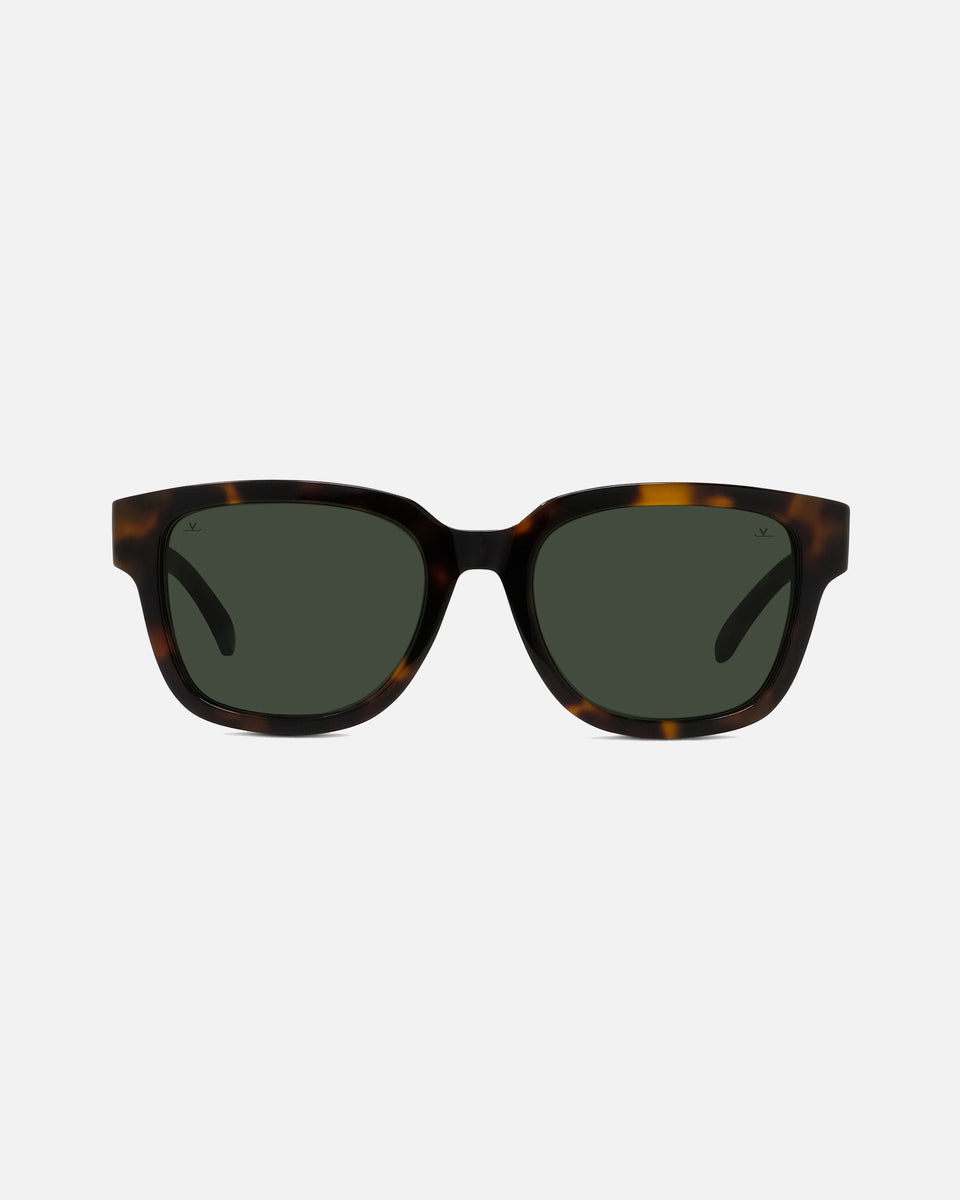
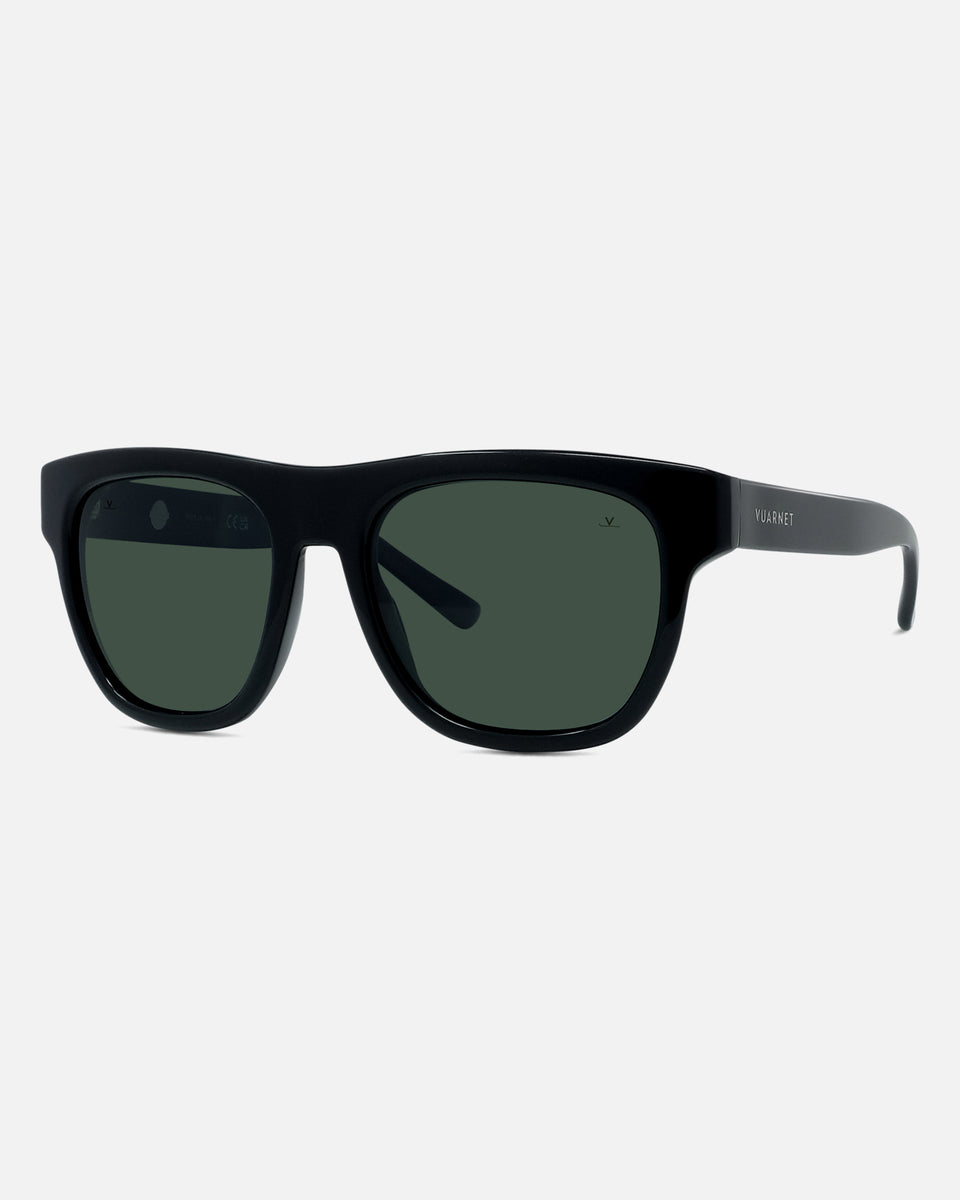
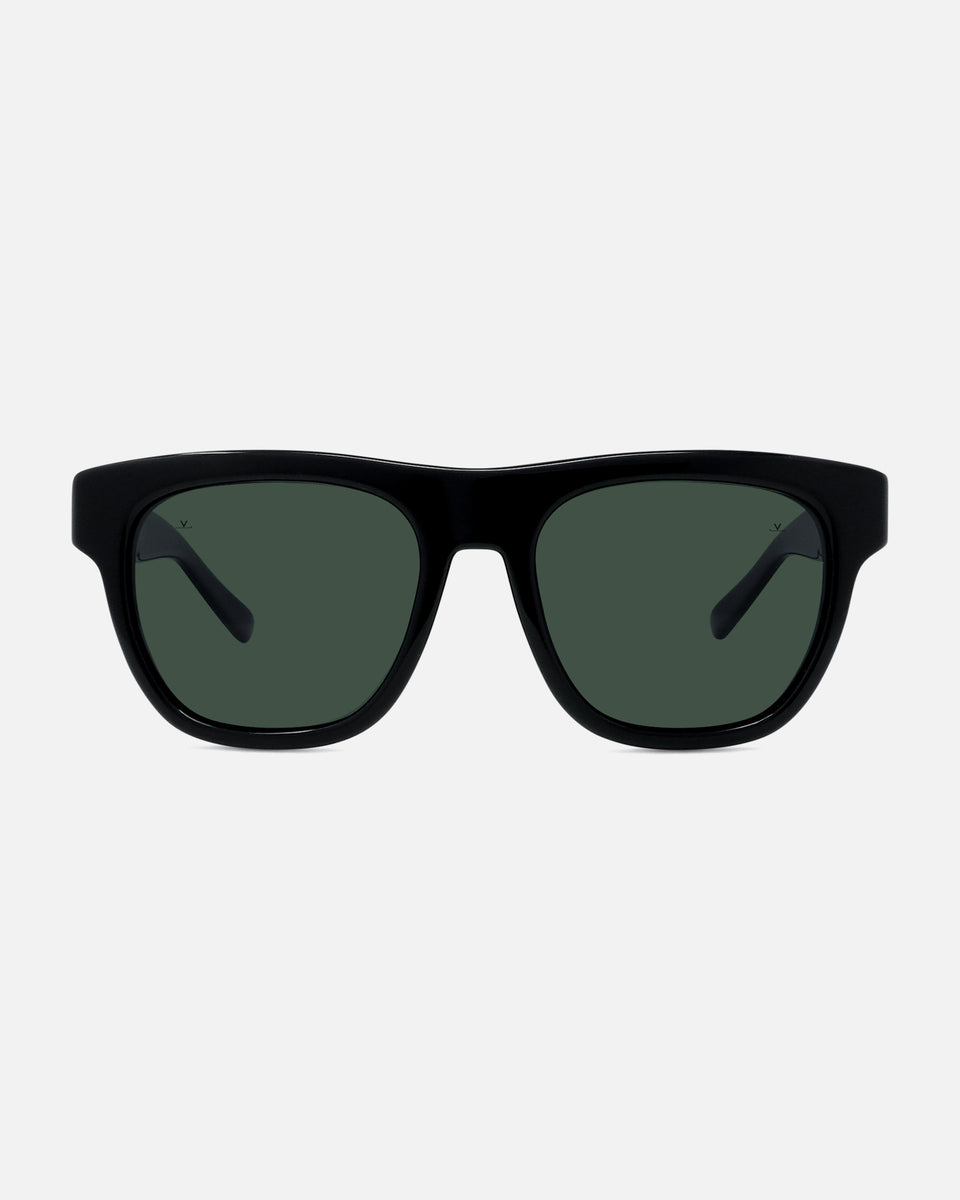
Men’s models span classic Lifestyle silhouettes and broader frames, including Pantos and other heritage-inspired shapes.
Women’s Pure lens sunglasses
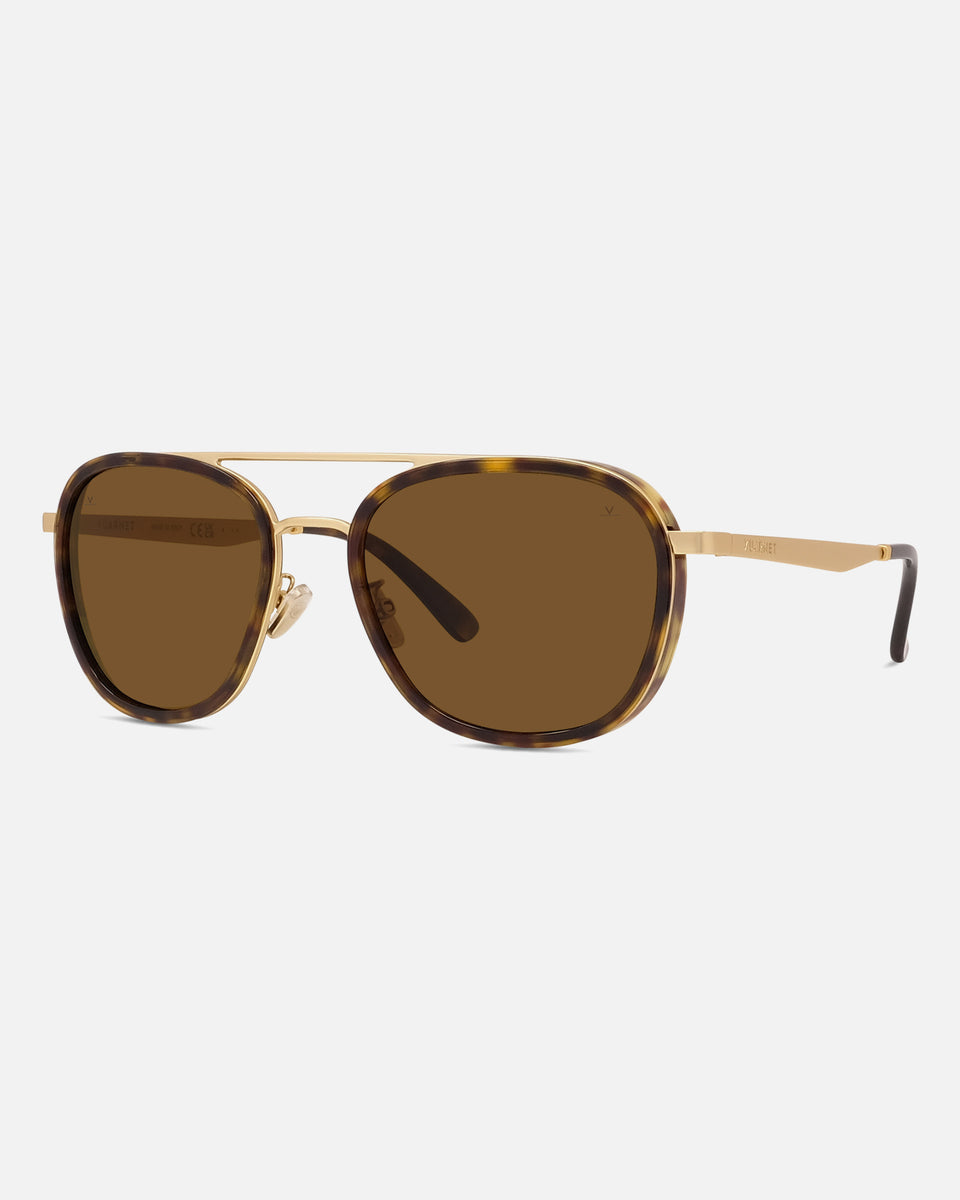
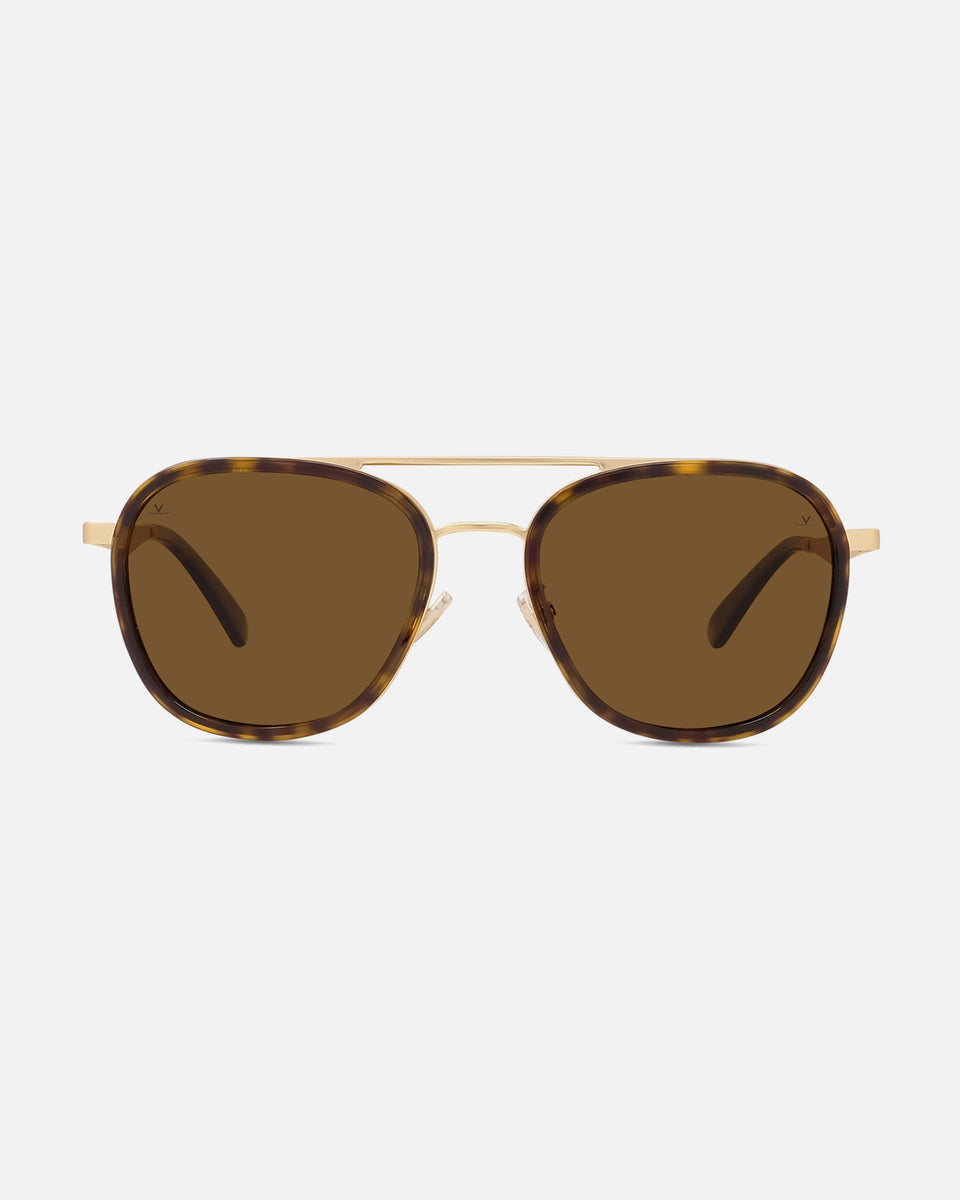
Women’s Pure lens sunglasses combine refined frame geometry with the same faithful rendering for all-day comfort.
To identify your ideal frame shape, see our fit guide or use find your perfect pair.
When you want more than faithful rendering
Pure lenses are deliberately restrained, and some conditions call for a more specialised solution.
- Sustained glare on water or snow calls for polarized lenses or PolarLynx™.
- Flat light on snow needs active contrast enhancement: see Skilynx™.
- Rapidly changing light is better served by photochromic lenses.
- Very high altitude and glacier conditions require category 4 protection.
For extreme environments, explore Extreme Conditions and Altitude.
Made in France, built to last
Every Vuarnet lens is made in our EPV-certified manufacture in Meaux, France, through a 17-step process. Each carries the engraved V on Ski hallmark that guarantees its origin and optical quality. Discover our French craftsmanship and heritage.
For eyewear worn every day, durability matters. Follow our advice on how to care for your glasses and discover Vuarnet’s commitments.
Explore more lens technologies
Vuarnet FAQ: Pure lenses
What are Pure lenses?
Pure lenses are Vuarnet mineral glass lenses engineered to manage light while preserving faithful colour rendering. They protect without enhancing contrast or shifting tonal relationships.
Are Pure lenses polarized?
No. Polarization removes a component of incoming light, which is a deliberate optical alteration. For glare control on water and snow, see polarized lenses.
Do Pure lenses protect against UV?
Yes. All Vuarnet lenses provide 100% UV protection. Mineral glass additionally absorbs up to 94% of infrared radiation, depending on the lens.
What is the difference between Pure and Lynx™ lenses?
Pure lenses preserve colour relationships as they are. Lynx™ actively enhances contrast between adjacent tones to improve terrain and detail reading. They represent two different optical approaches.
Are Pure lenses good for driving?
They render traffic signals and signage faithfully, which is an advantage. For bright daylight driving with significant road glare, a polarized lens generally offers stronger glare control. Explore our Everyday & Driving collection.