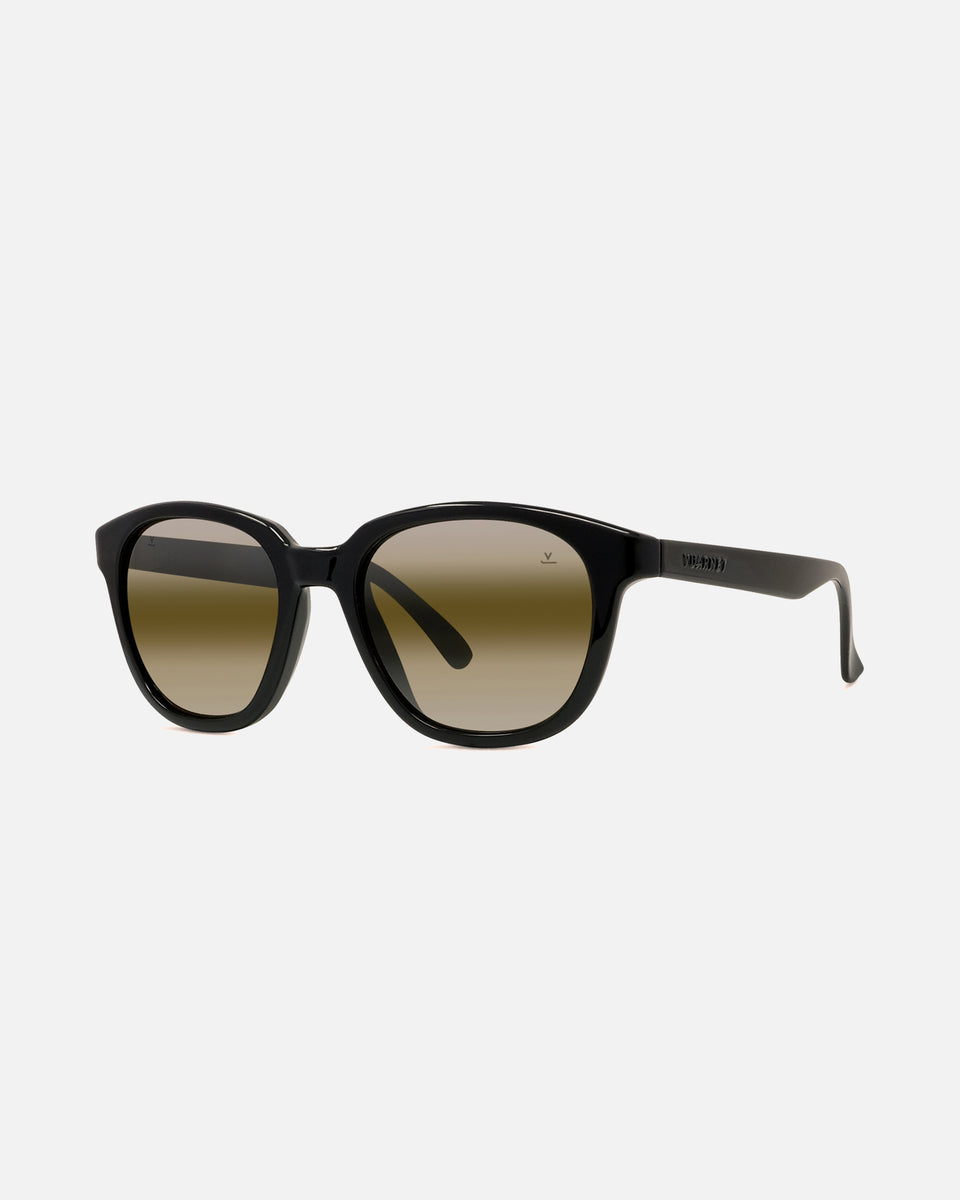
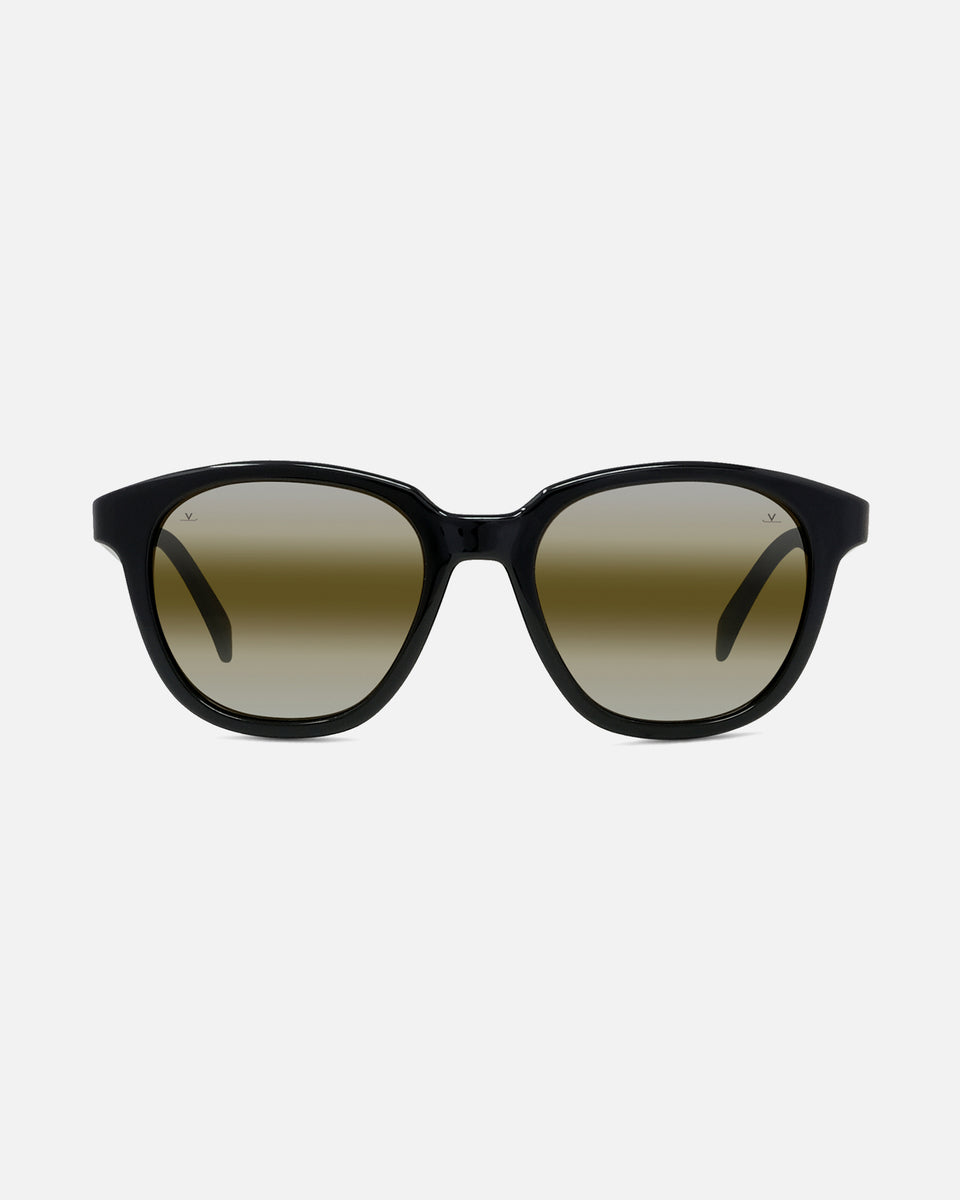
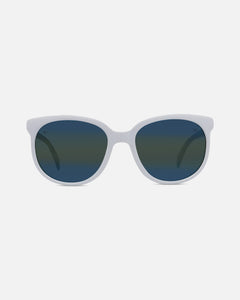
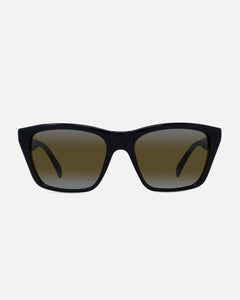
Skilynx™ lenses: seeing the mountain when the light goes flat
The hardest light on a mountain is not bright light. It is the grey, diffused light of an overcast day, when sky and snow become the same shade of white and the surface ahead loses all definition. Moguls disappear. The edge of a roll becomes invisible. You ski by feel because your eyes have stopped providing useful information.
This is flat light, and no simple tint can solve it. Darkening a scene that already lacks contrast only makes the problem worse. Skilynx™ was engineered specifically for these conditions.
Why snow destroys contrast
Snow is a near-uniform reflective surface. On a clear day, shadows create the definition that allows you to read the terrain. Under cloud cover, light becomes diffused and arrives from every direction at once, causing shadows to disappear.
What remains is a surface with very little tonal variation, while our visual system relies on those variations to judge depth, slope and distance. This is a genuine loss of spatial information, not simply a comfort issue.
Snow also reflects up to 80% of incoming UV radiation, while UV intensity increases by around 10% for every 1,000 metres of elevation. Flat-light conditions therefore combine poor visibility with high radiation exposure, making suitable mountain eyewear essential. Explore our Alpine and Altitude collections.
How Skilynx™ restores definition
Skilynx™ builds on the contrast engineering of Lynx™ lenses, at the heart of the Vuarnet range, and adapts it specifically to the spectral conditions found on snow.
Rather than reducing light uniformly, the lens manages selected parts of the visible spectrum to increase the perceived difference between adjacent tones. In practice, snow texture becomes easier to read again: the transition from packed to soft snow, the shadow line of a roll or the edge of a track.
This technology is integrated into mineral glass, delivering the optical precision needed for accurate depth perception and resisting the scratches associated with mountain use.
Skilynx™ in different conditions
Conditions: Overcast snow
Visual challenge: No shadows, uniform surface
Skilynx™ response: Restores tonal separation and surface texture
Conditions: Light snowfall
Visual challenge: Diffused light, reduced definition
Skilynx™ response: Brings terrain contours into sharper focus
Conditions: Whiteout
Visual challenge: Sky and ground merge
Skilynx™ response: Improves horizon and slope definition
Conditions: Late-afternoon light
Visual challenge: Falling contrast, long shadows
Skilynx™ response: Maintains definition as light fades
Conditions: Bright sun on snow
Visual challenge: Intense reflected glare
Skilynx™ response: Choose Polarlynx™ lenses for maximum glare control.
For sustained bright glare rather than flat light, Polarlynx™ lenses are the better choice. For conditions that change rapidly throughout the day, photochromic lenses adapt continuously.
Who are Skilynx™ lenses for?
Skiers and snowboarders
Terrain reading is precisely what flat light compromises. Skilynx™ helps restore that clarity, which is essential for both confidence and safety. Explore our ski sunglasses and ski goggles.
Ski touring and mountaineering
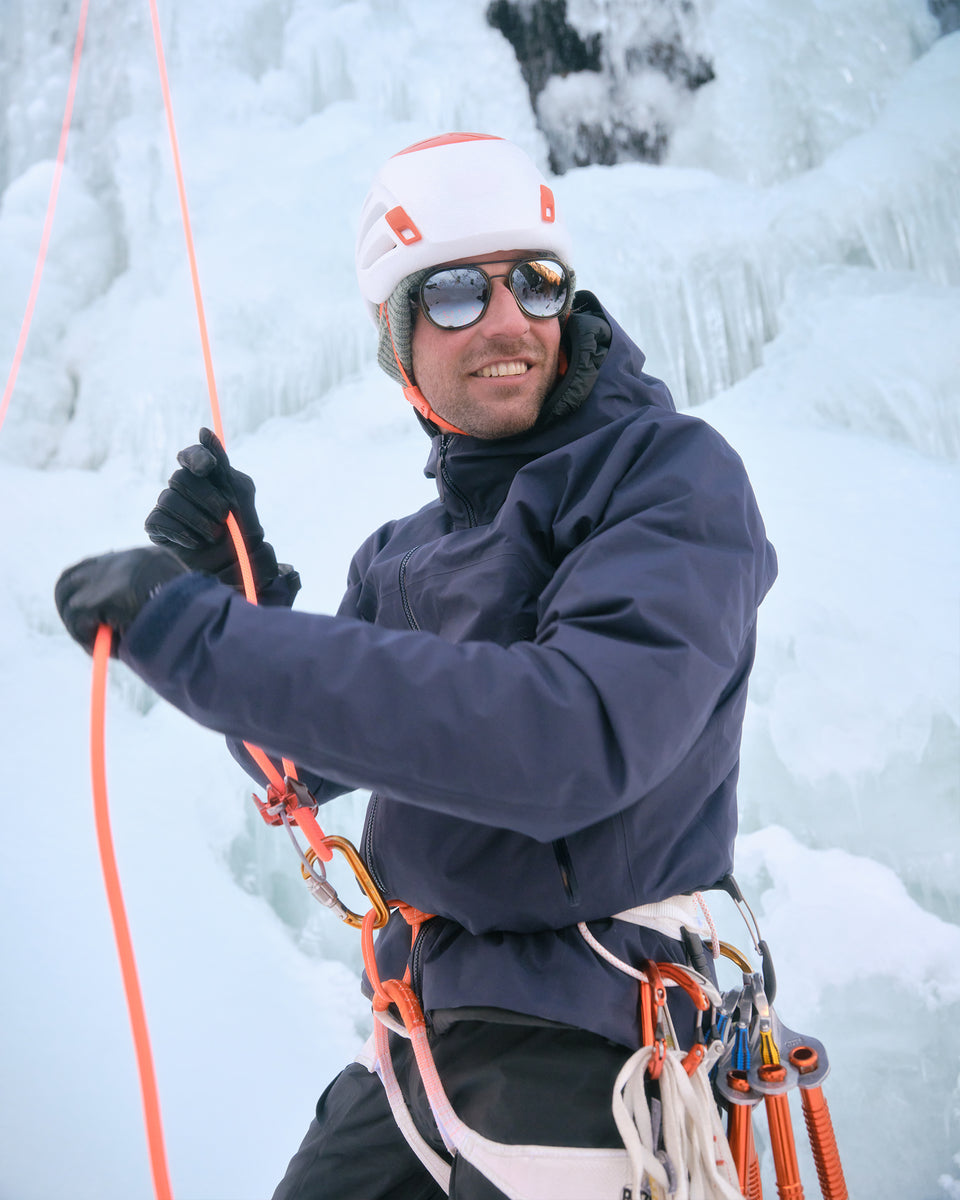
On ascents and traverses, reading surface conditions influences route choice and secure footing. Skilynx™ is well suited to the long, variable days these activities involve. Explore our mountain selection.
Winter outdoor activities
Flat light is not exclusive to the mountains. Overcast winter days, particularly at northern latitudes, can create similar conditions on any open ground, including during winter running and cycling.
Skilynx™ sunglasses for men and women
Men’s Skilynx™ sunglasses
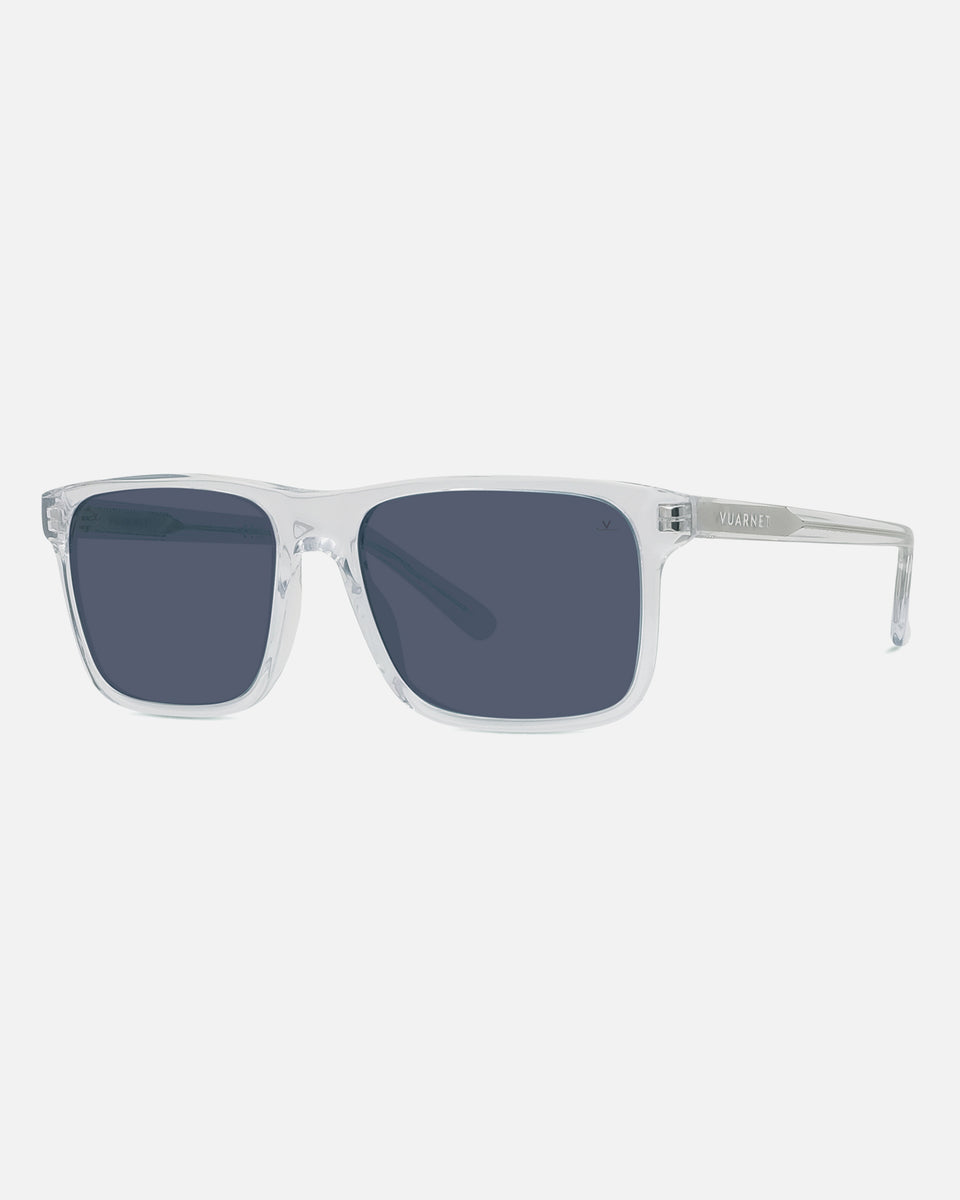
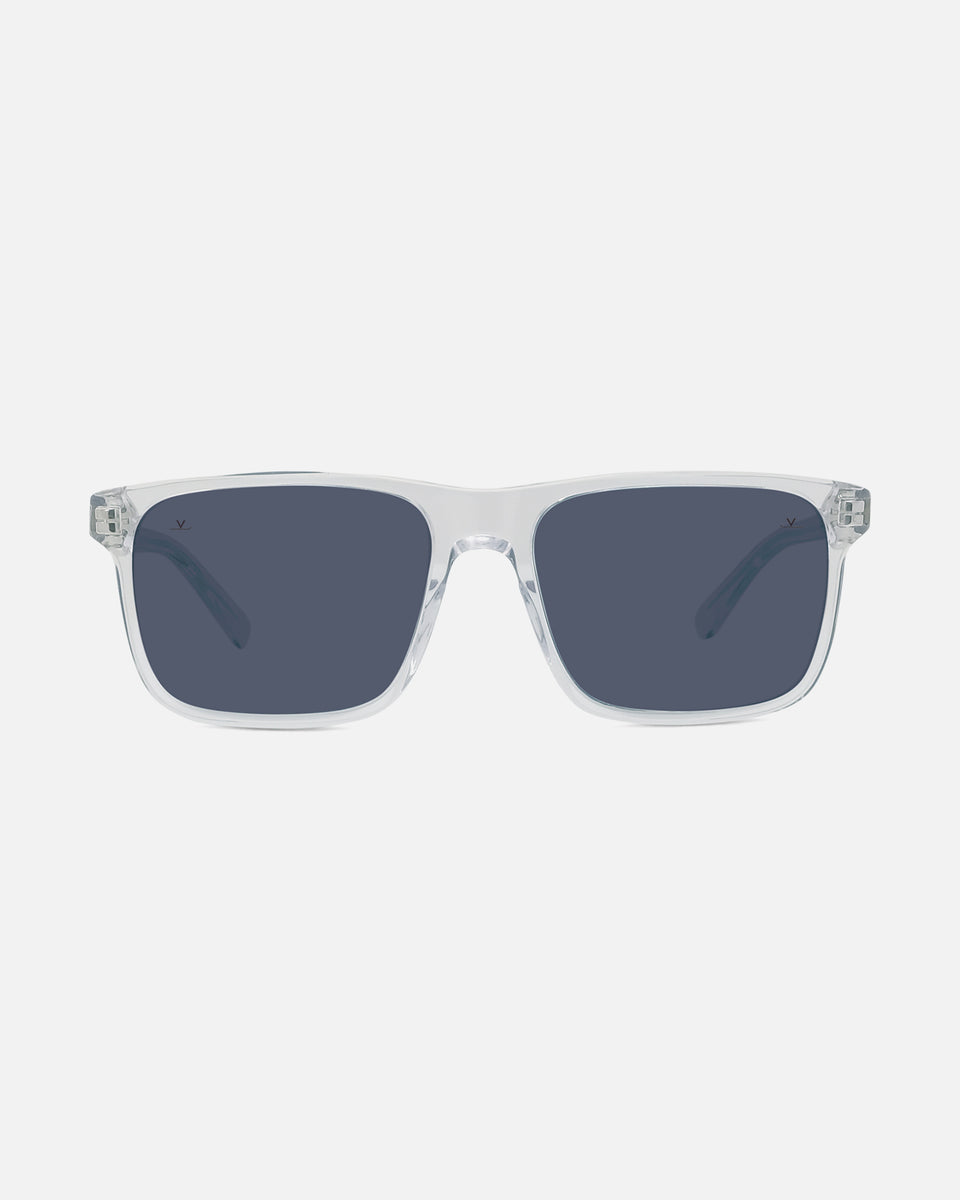
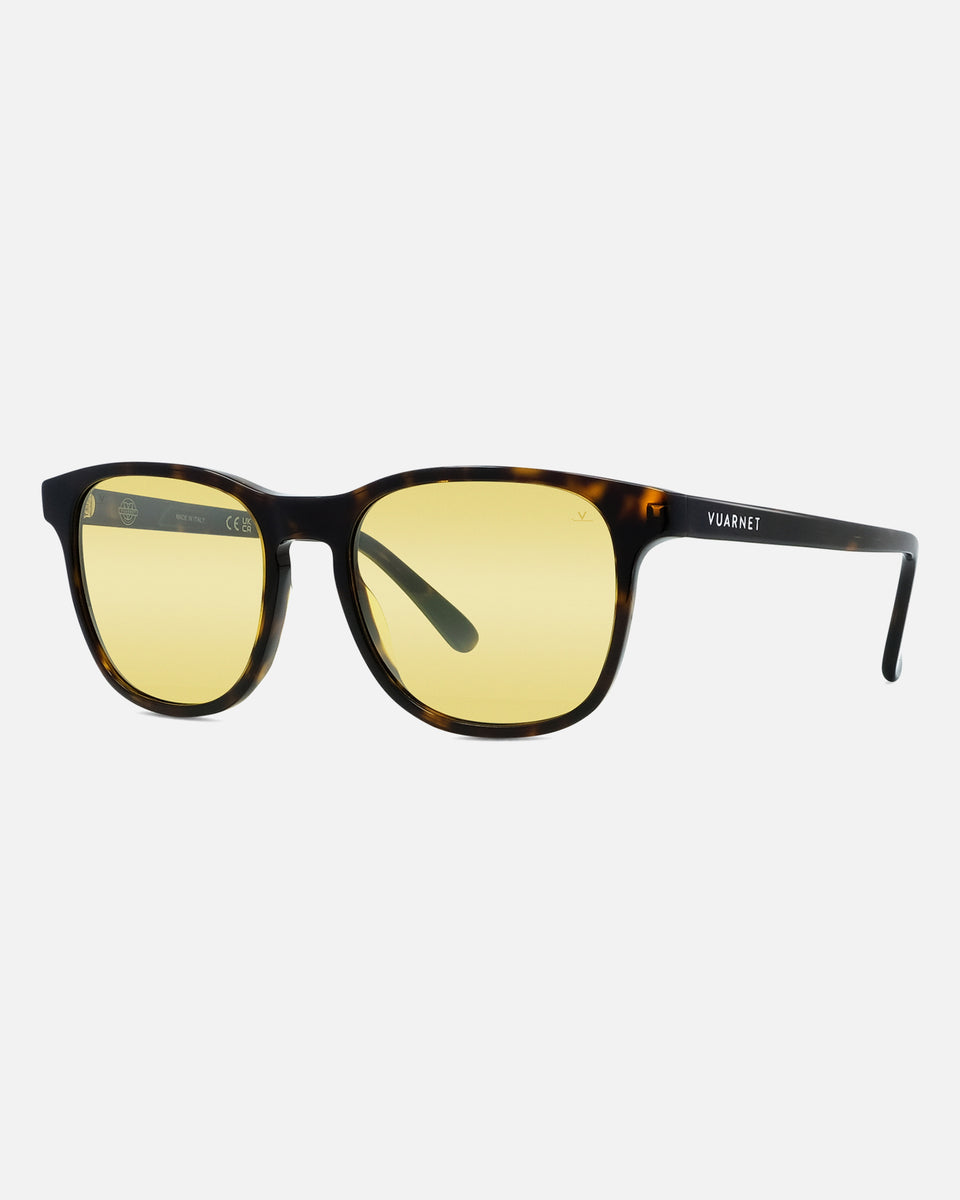
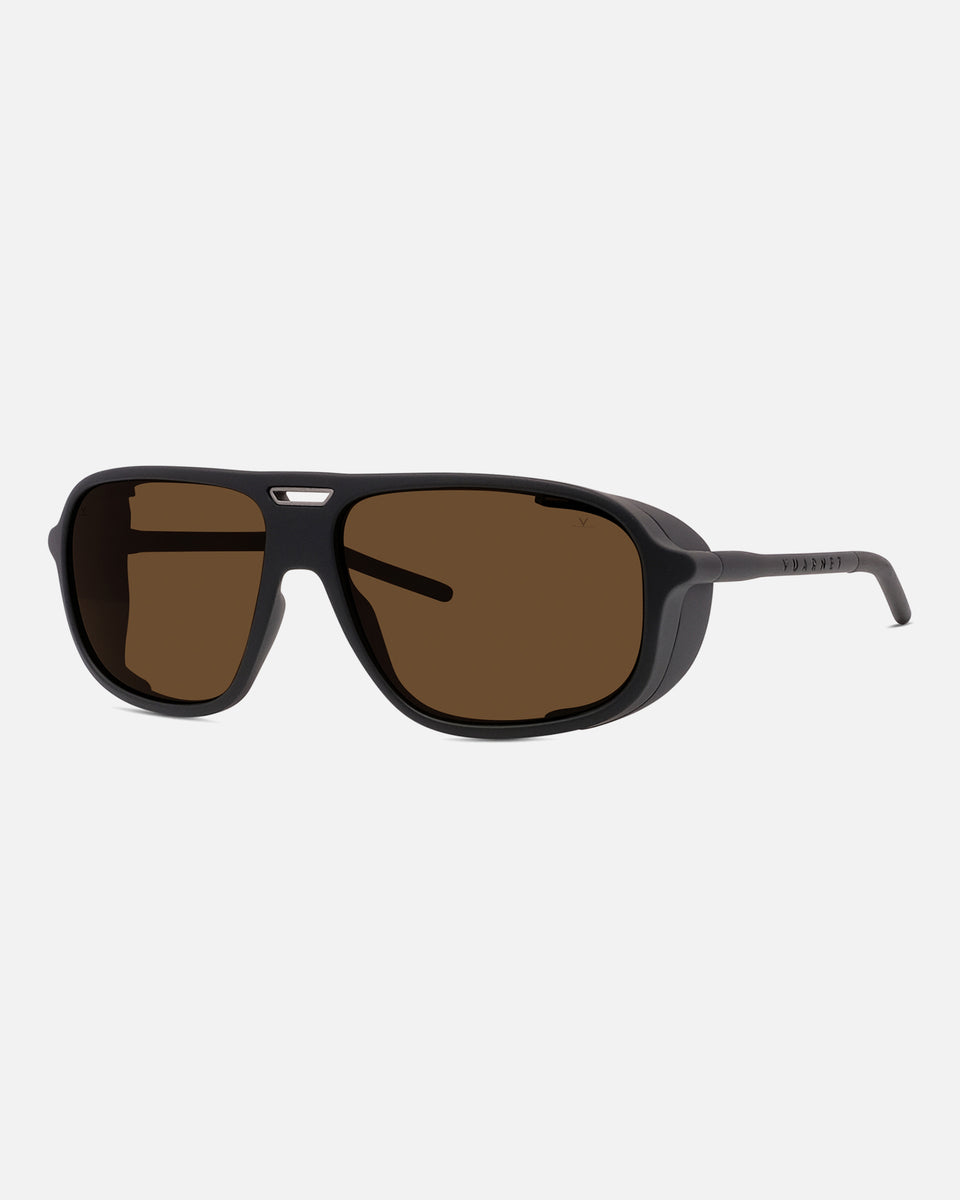
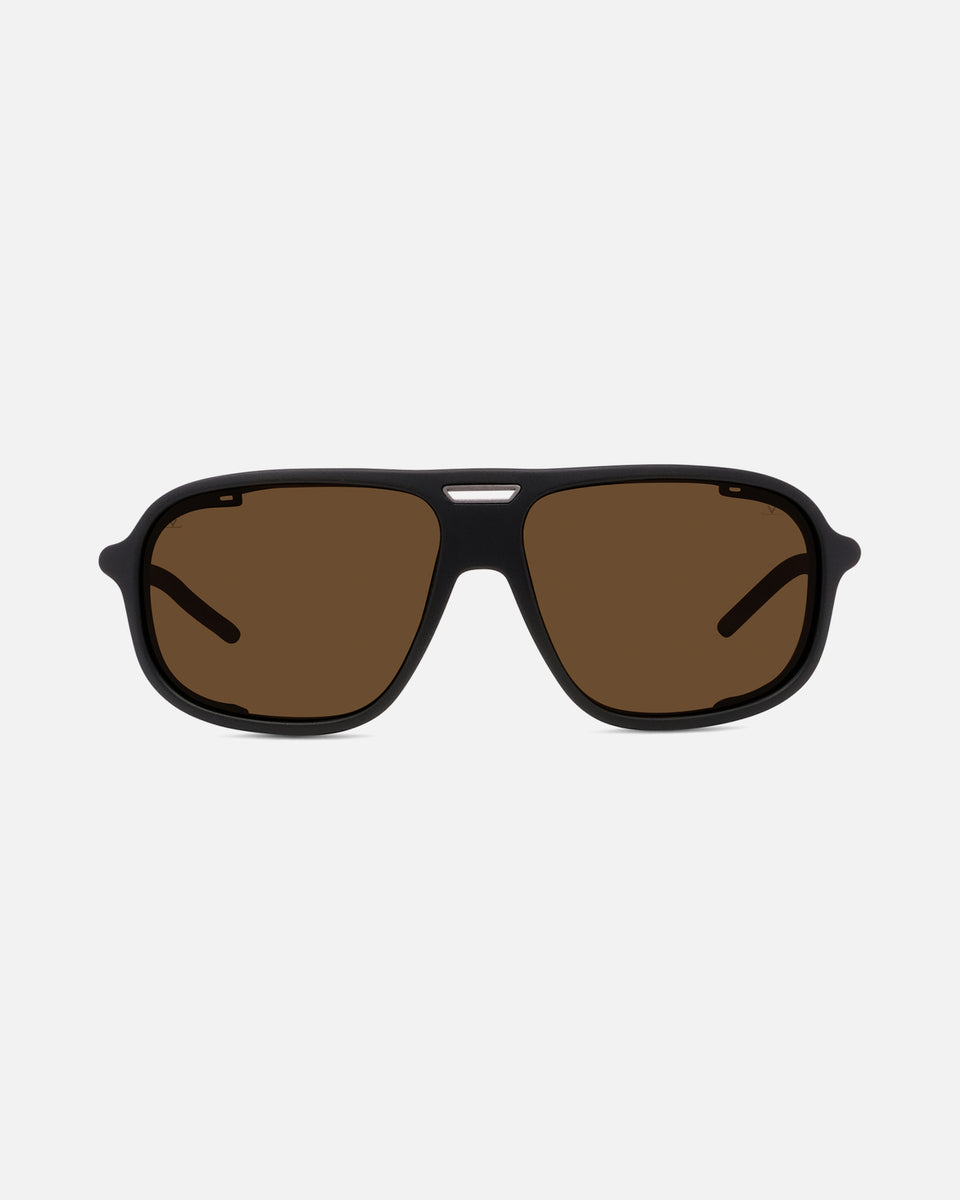
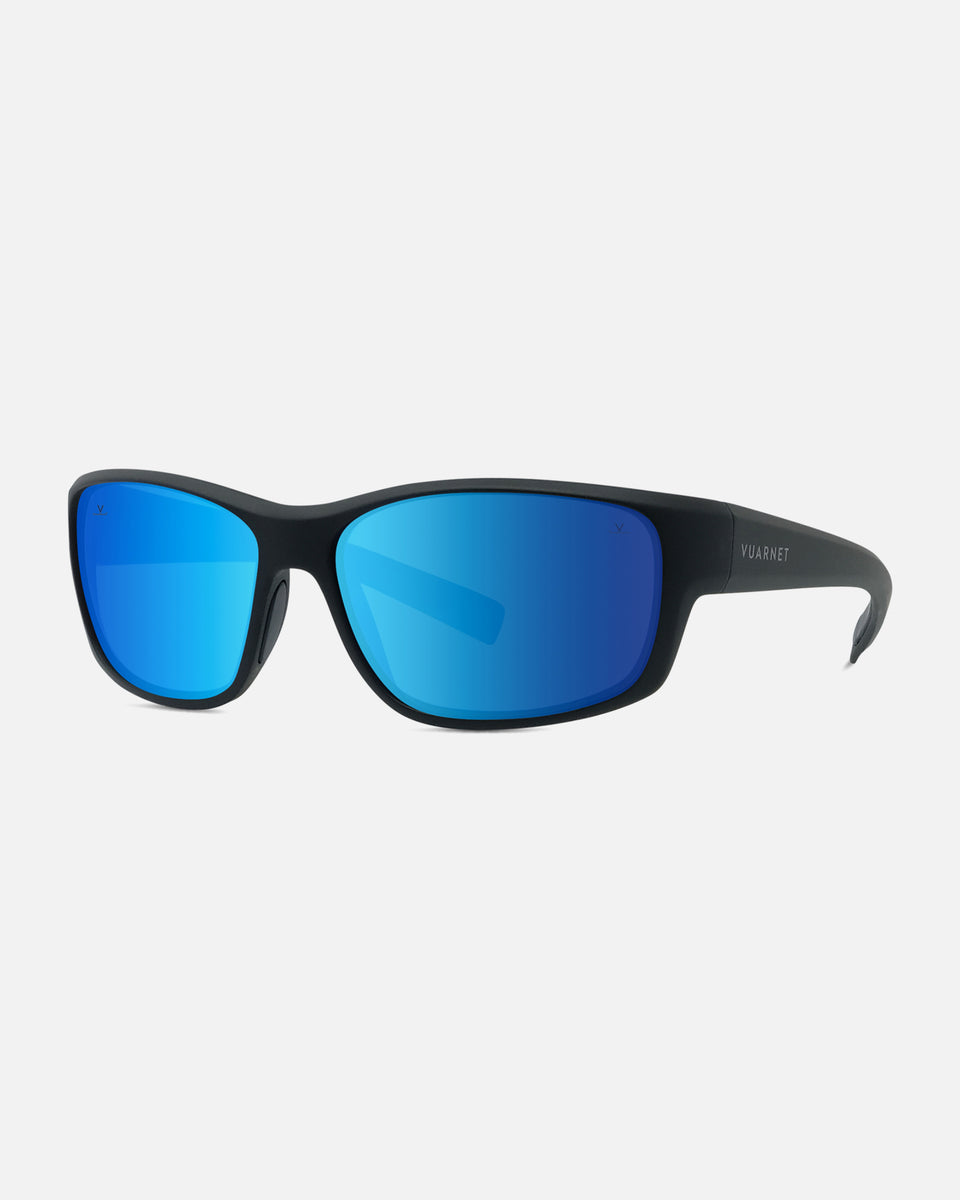
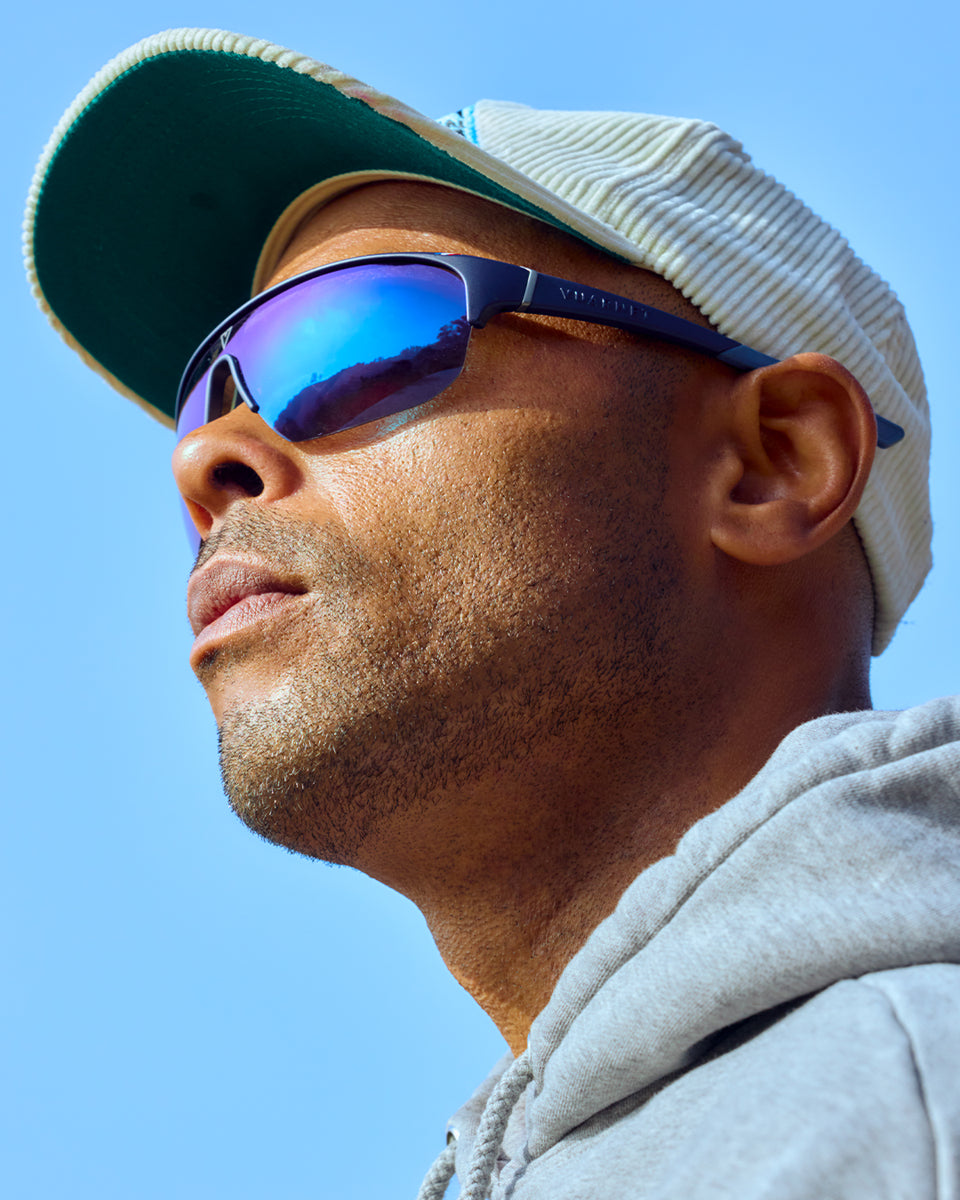
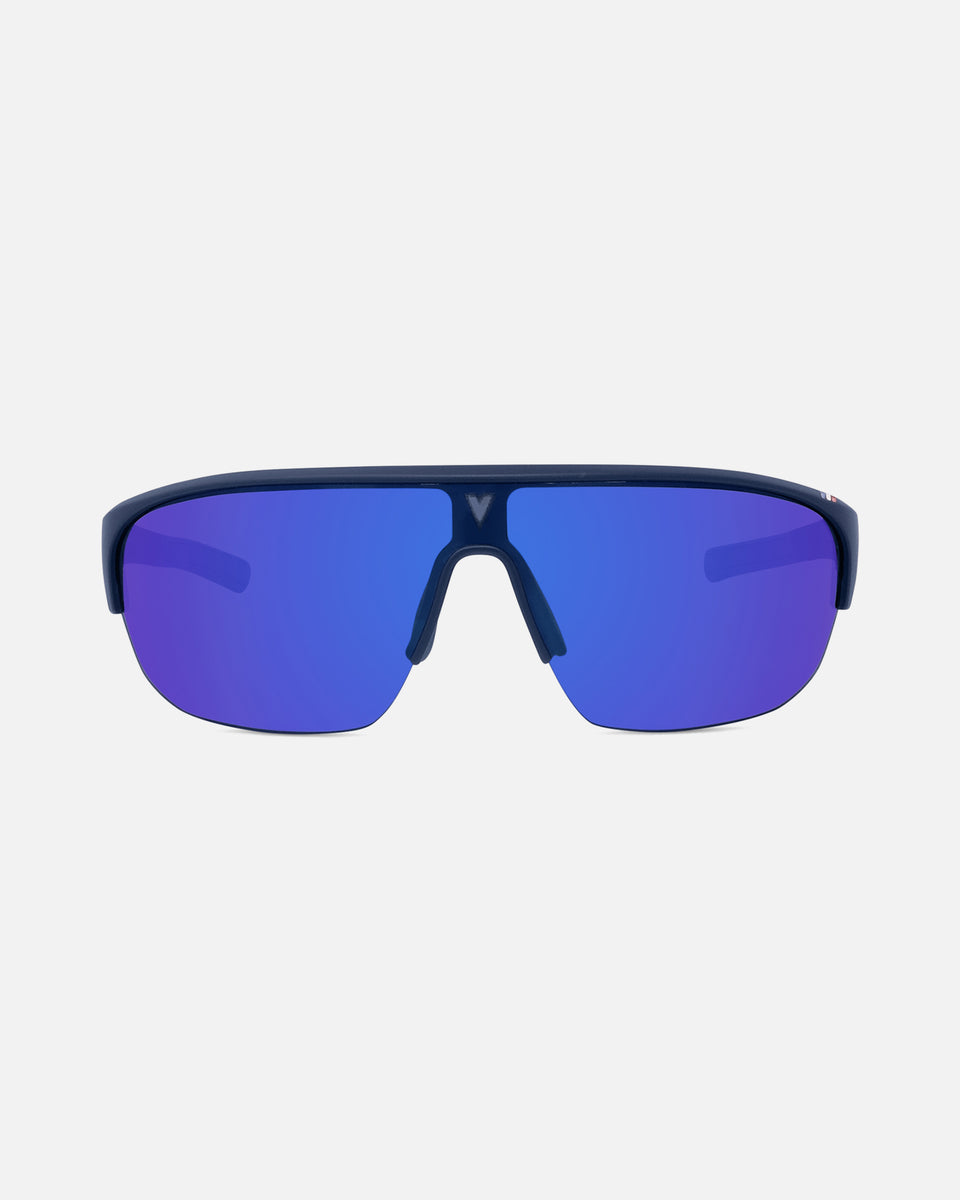
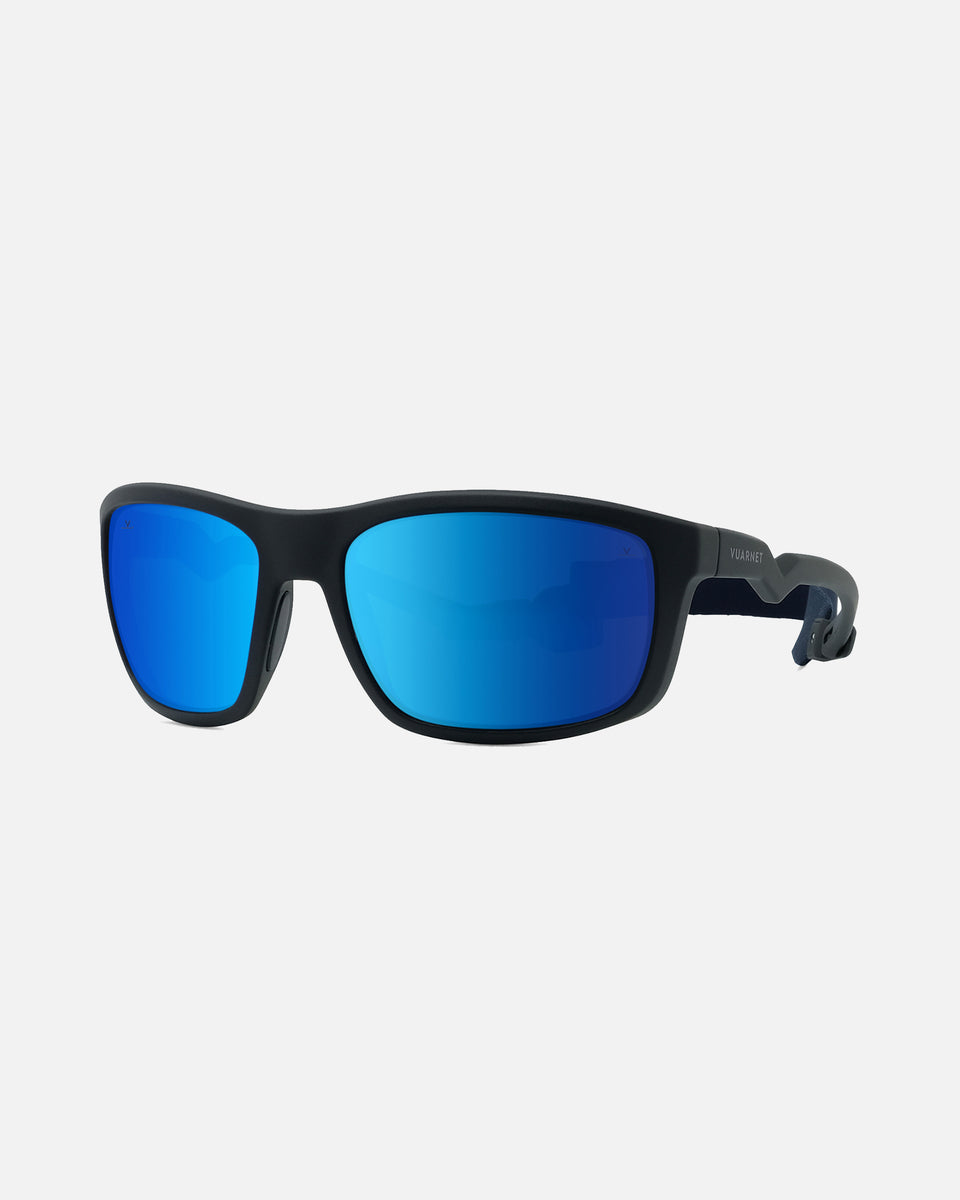
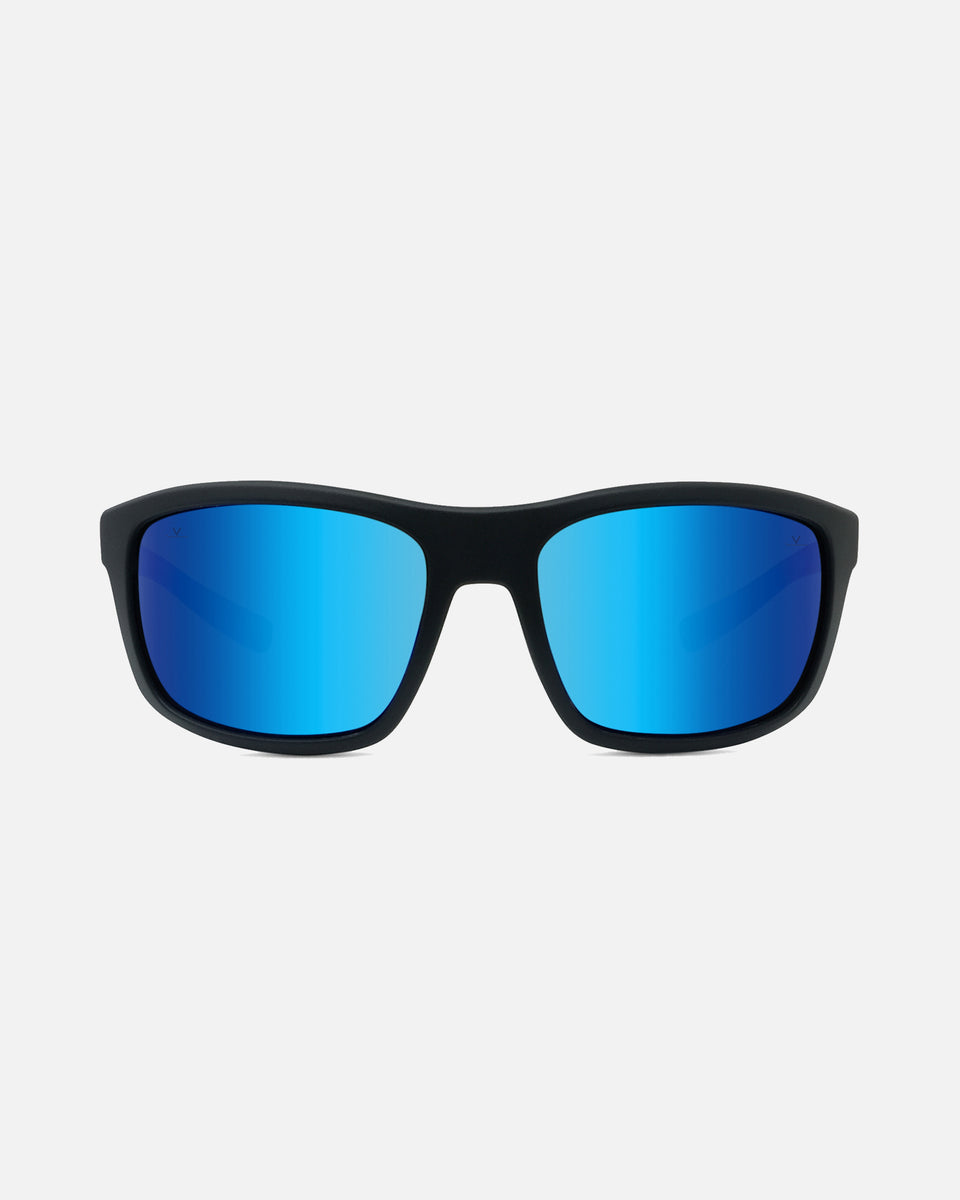
Men’s styles include wrap and sport profiles that offer greater coverage at speed, alongside more classic alpine silhouettes.
Women’s Skilynx™ sunglasses
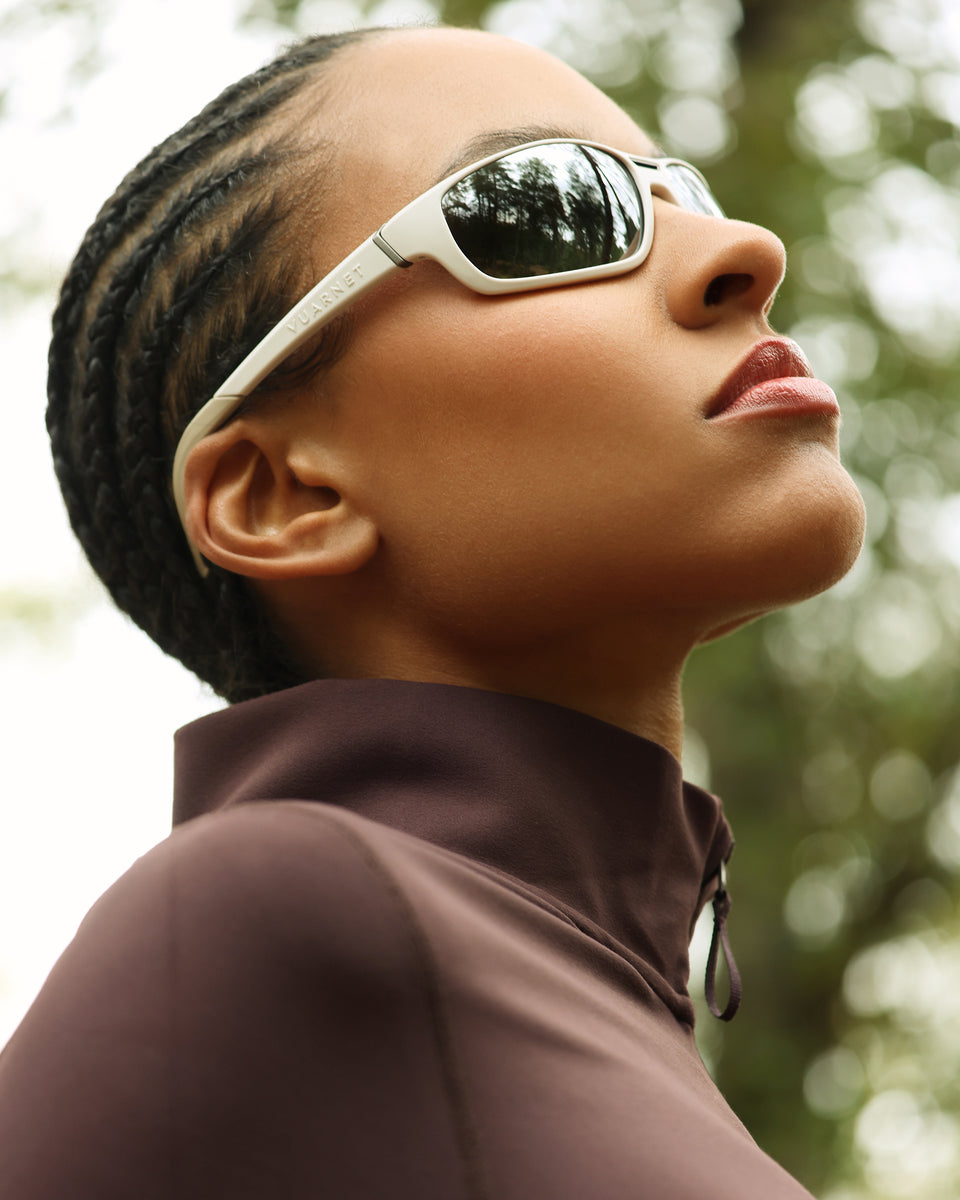
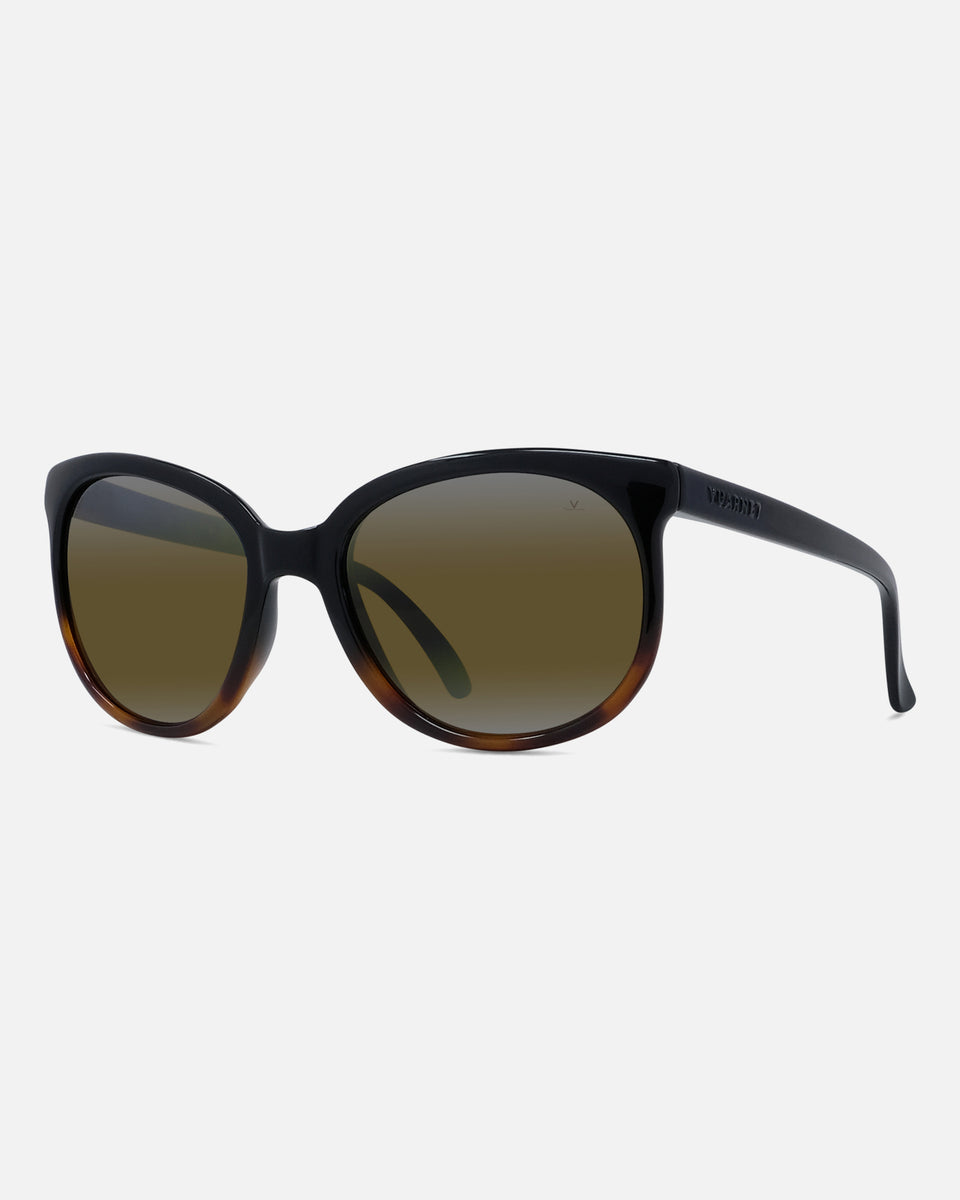
Women’s sunglasses equipped with Skilynx™ lenses deliver the same optical performance, with frame geometries designed for a secure fit under a helmet or headband.
For maximum protection from wind and snow spray, explore our selection of wrap-around frames.
The limits of a flat-light lens
Skilynx™ is a contrast lens, and it is important to be clear about what that means.
- It improves definition in flat light, but cannot create visibility in a complete whiteout when there is nothing left to distinguish;
- In sustained bright sun on snow, a polarized or mirrored lens controls glare more effectively;
- No lens replaces the need to slow down when visibility genuinely deteriorates.
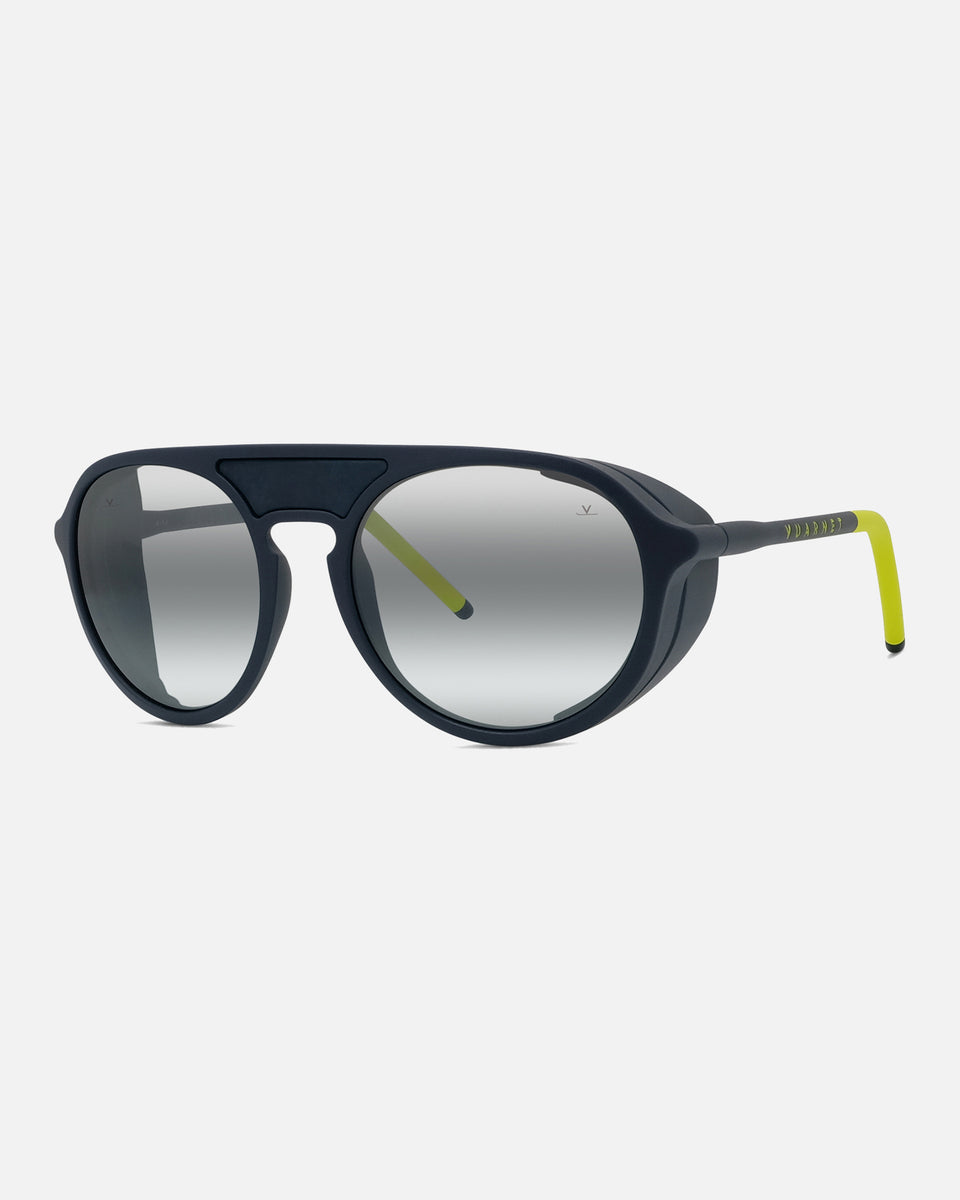
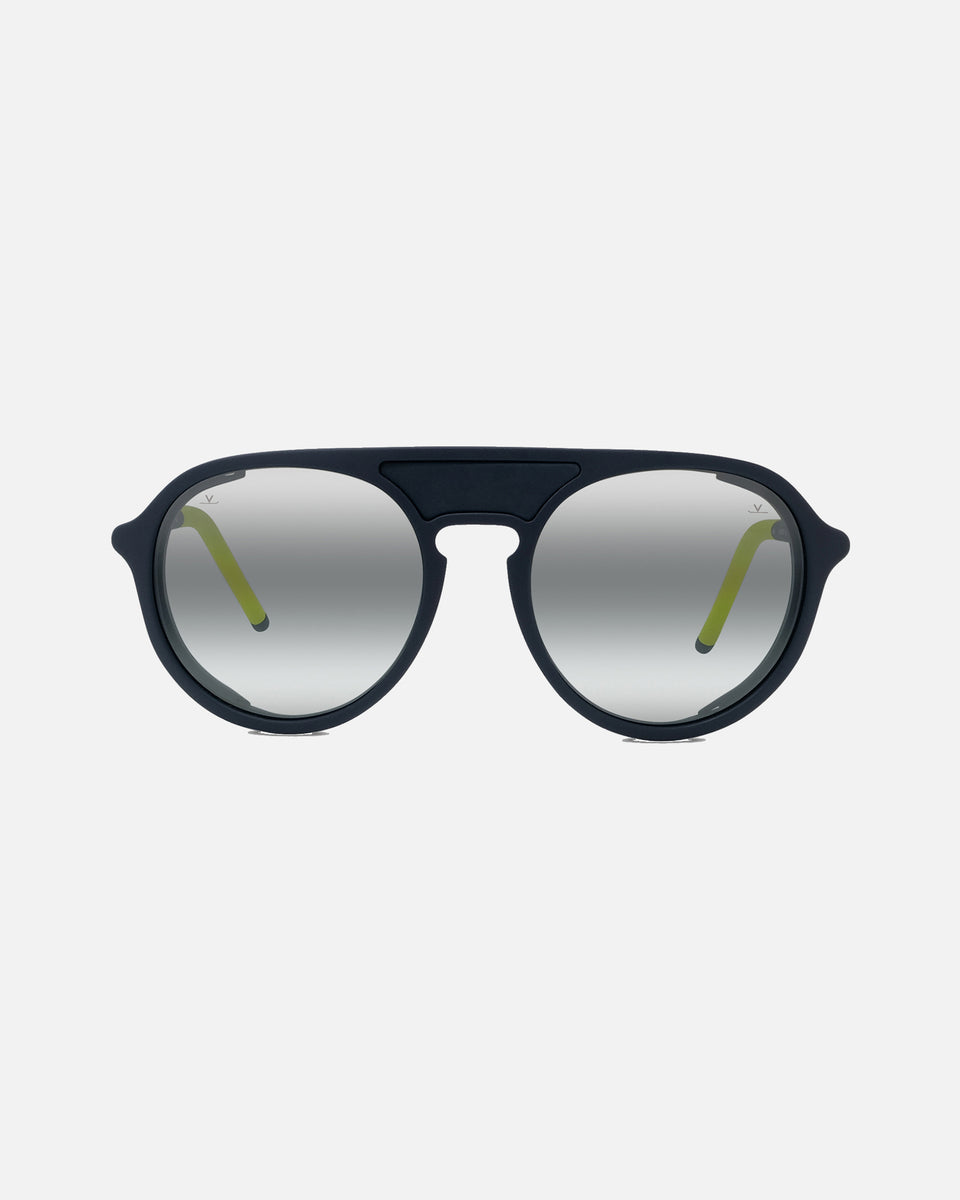
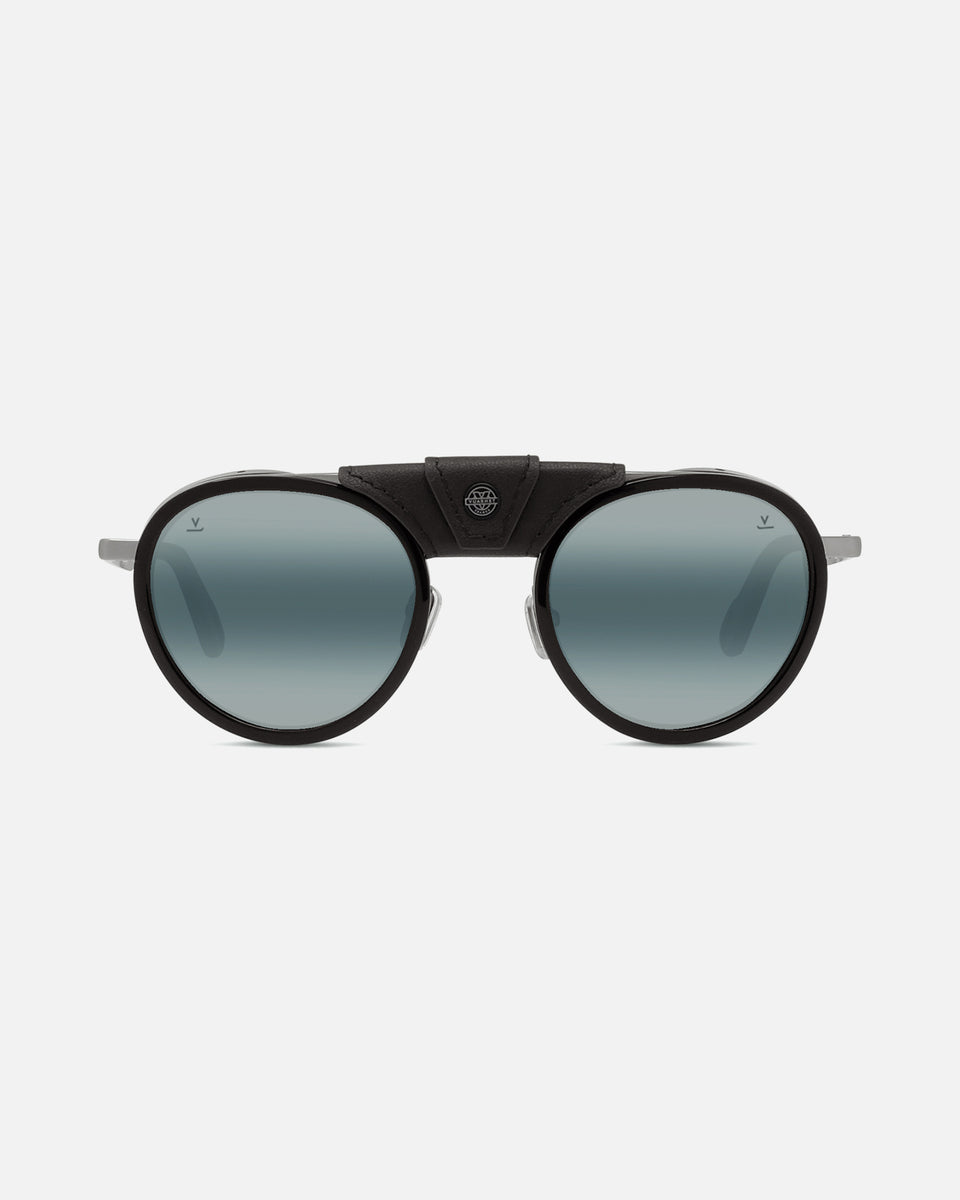
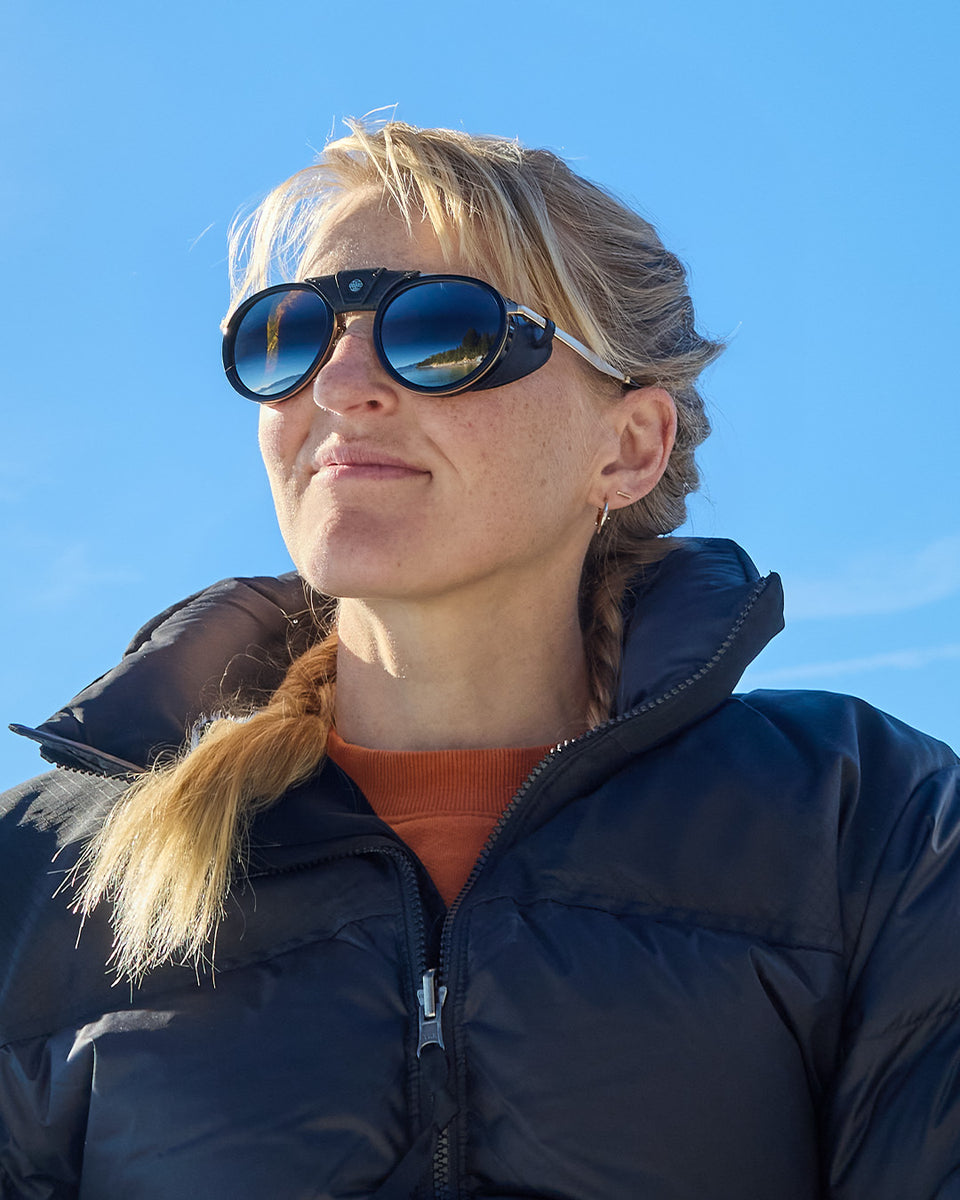
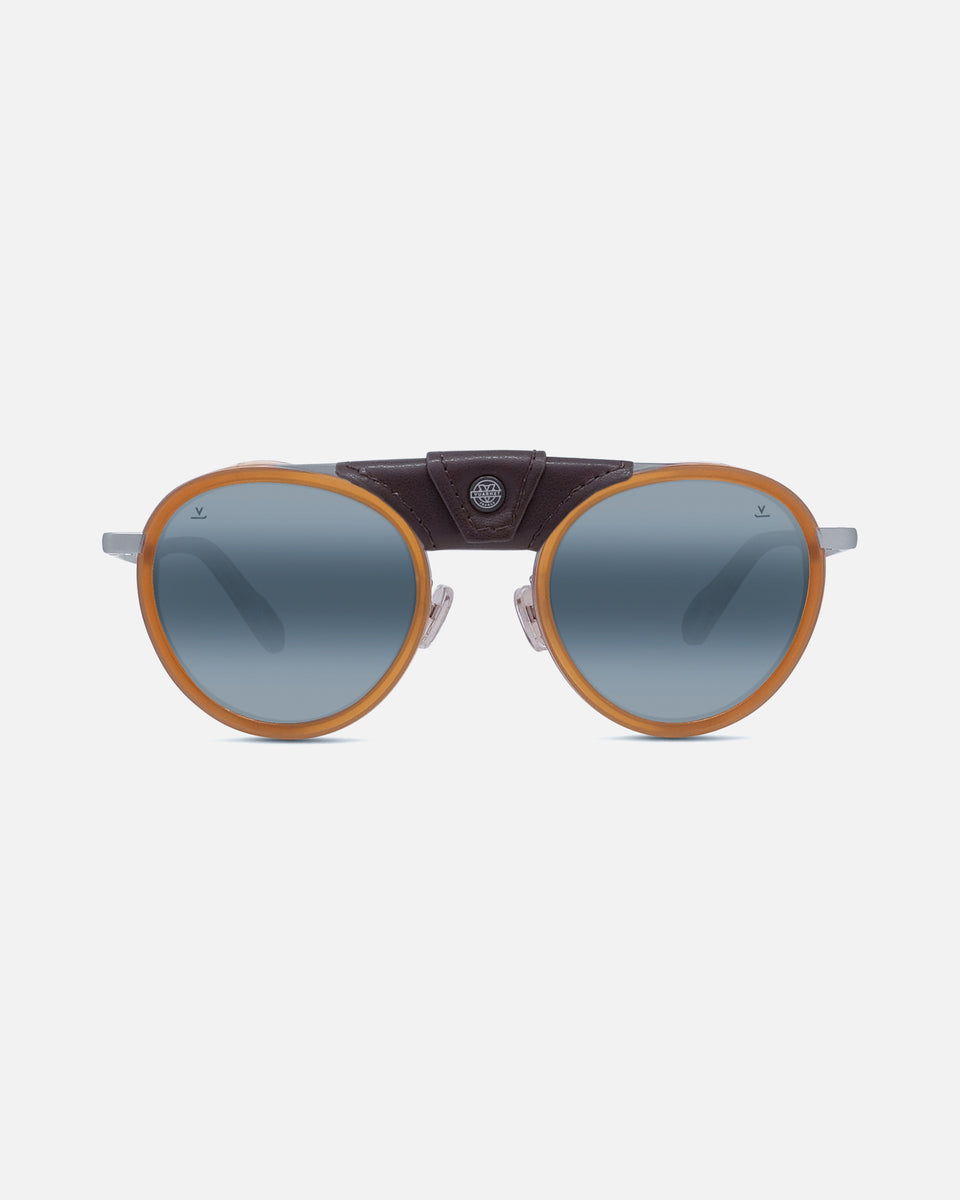
For high altitude, glaciers and extreme-light conditions requiring category 4 protection, explore our Extreme Conditions selection and the Glacier collection, featuring side shields.
Made in France, built to last
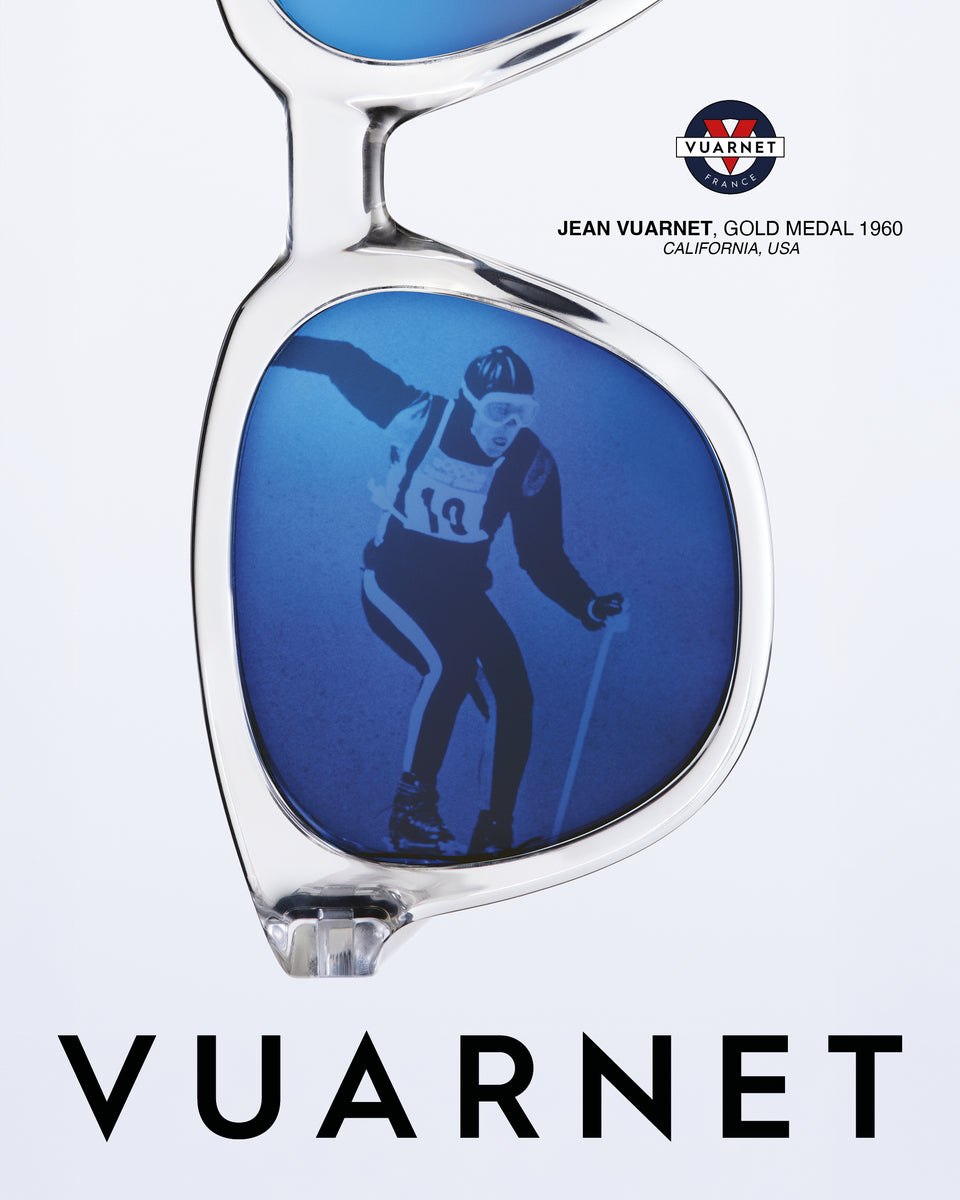
Vuarnet’s alpine credibility was built in competition: Jean Vuarnet won Olympic downhill gold at Squaw Valley in 1960 wearing the Maison’s mineral lenses. Discover our heritage and Made in France craftsmanship.
Every lens is produced in our EPV-certified manufacture in Meaux through a 17-step process and absorbs up to 94% of infrared radiation. Find our advice on caring for your sunglasses.
Simplified delivery and returns
Enjoy complimentary delivery and returns, subject to conditions, as well as a 30-day return period for eligible products. See our delivery and returns policy for the terms applicable to your country.
Explore more lens technologies
Lynx™ lenses — Vuarnet’s signature contrast lens family
Polarlynx™ lenses — for extreme glare on snow and water
Photochromic lenses — adaptive tint for changing mountain light
Low-light lenses — for low-light conditions and fog
Altitude — protection designed for high elevations
Vuarnet FAQ: Skilynx™ lenses
What are Skilynx™ lenses for?
Skilynx™ lenses are engineered for flat light on snow: overcast, diffused conditions where shadows disappear and terrain becomes difficult to read. They enhance contrast and depth perception rather than simply reducing brightness.
What is flat light?
Flat light occurs when cloud cover diffuses sunlight evenly. Light then arrives from every direction, eliminating shadows. On snow, this removes the tonal variations your eyes use to judge slope, depth and surface texture.
Are Skilynx™ lenses suitable for bright sun?
They perform well in a range of conditions. However, for intense and sustained glare on snow, Polarlynx™ lenses provide enhanced control through polarization and their bi-shaded mirror treatment.
Can Skilynx™ lenses be used beyond skiing?
Yes. Any flat or overcast environment can benefit from them, including winter outdoor activities at northern latitudes and open, low-contrast environments.
What lens category are Skilynx™ lenses?
Skilynx™ lenses generally fall within categories 2 to 3. For glaciers and very high altitudes requiring category 4 protection, see our Extreme Conditions collection.