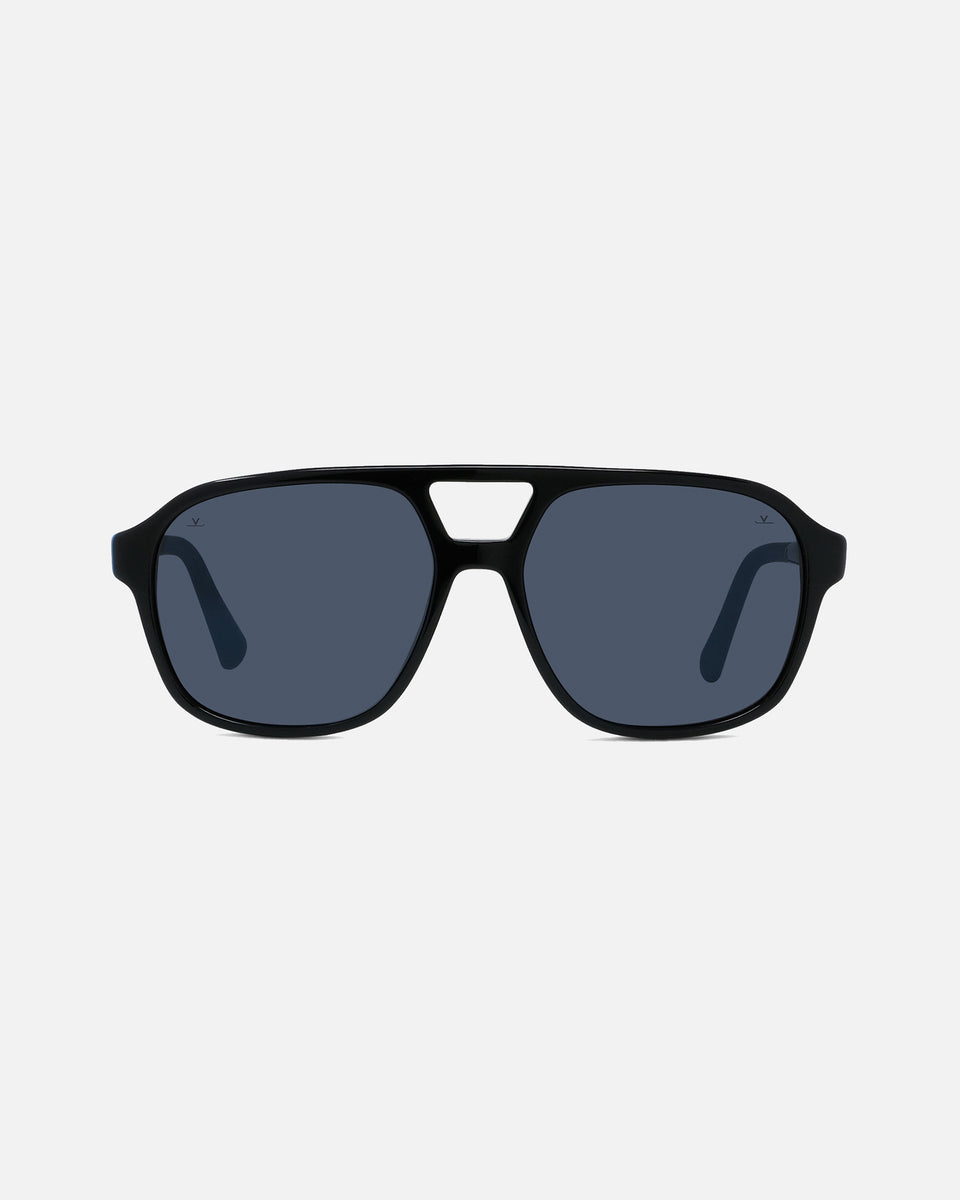
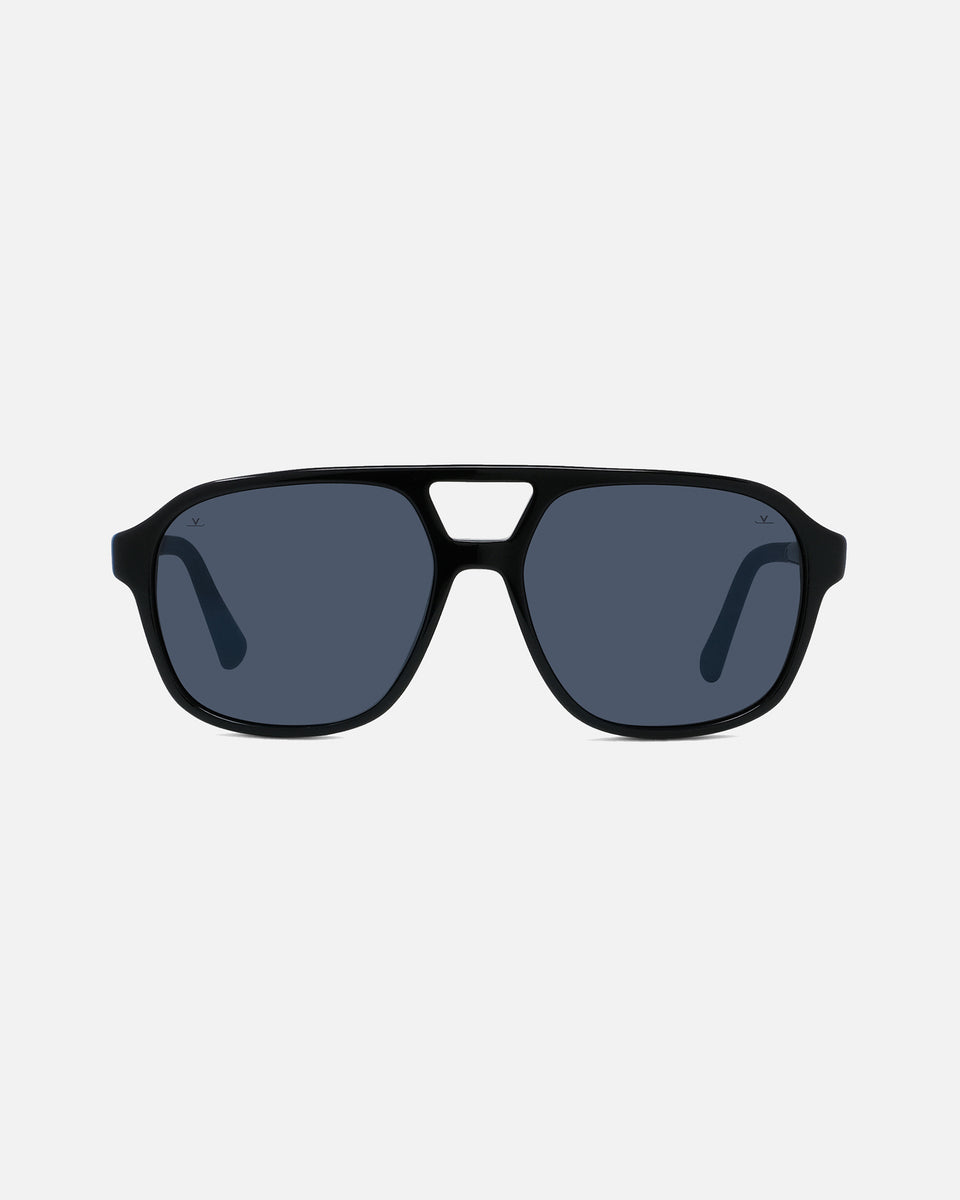
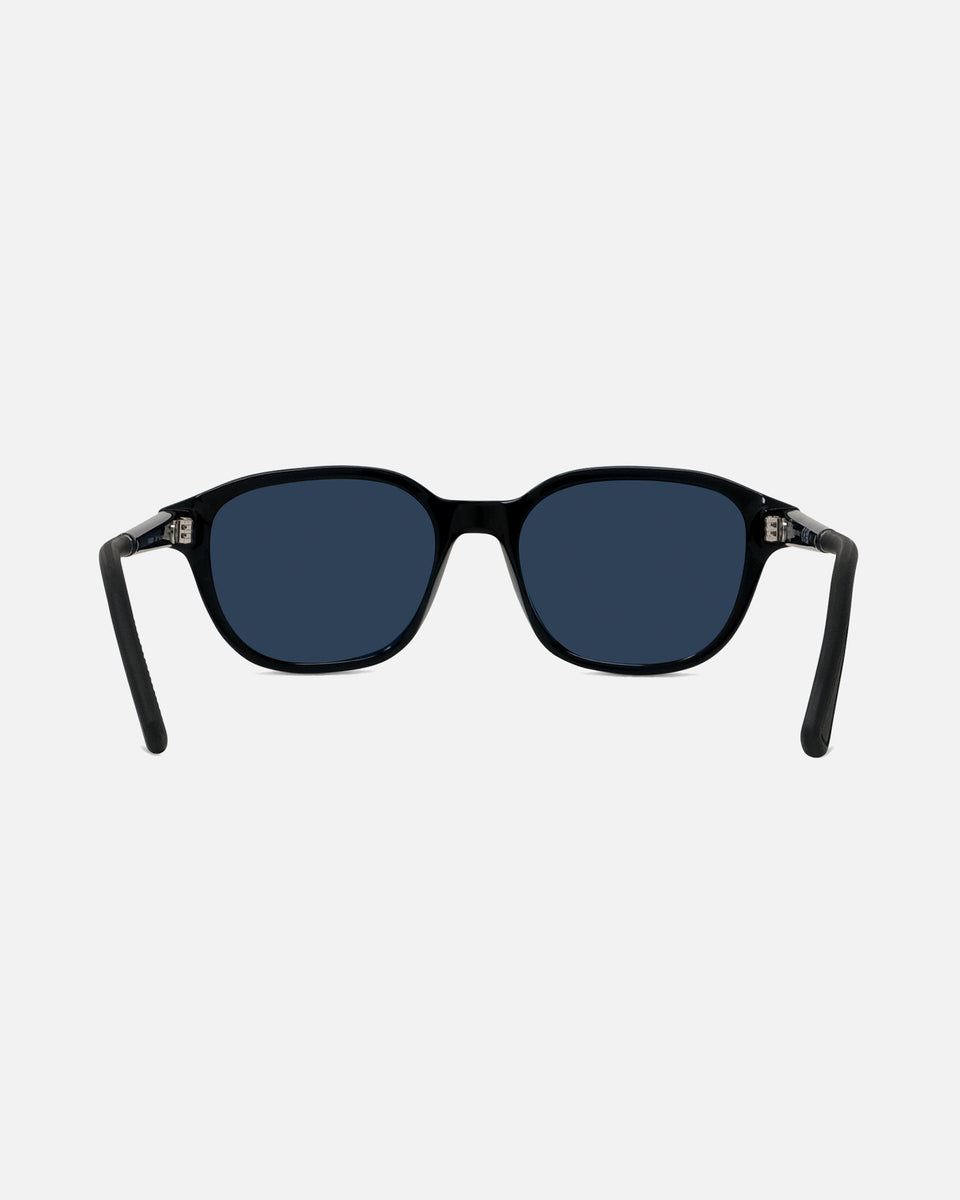
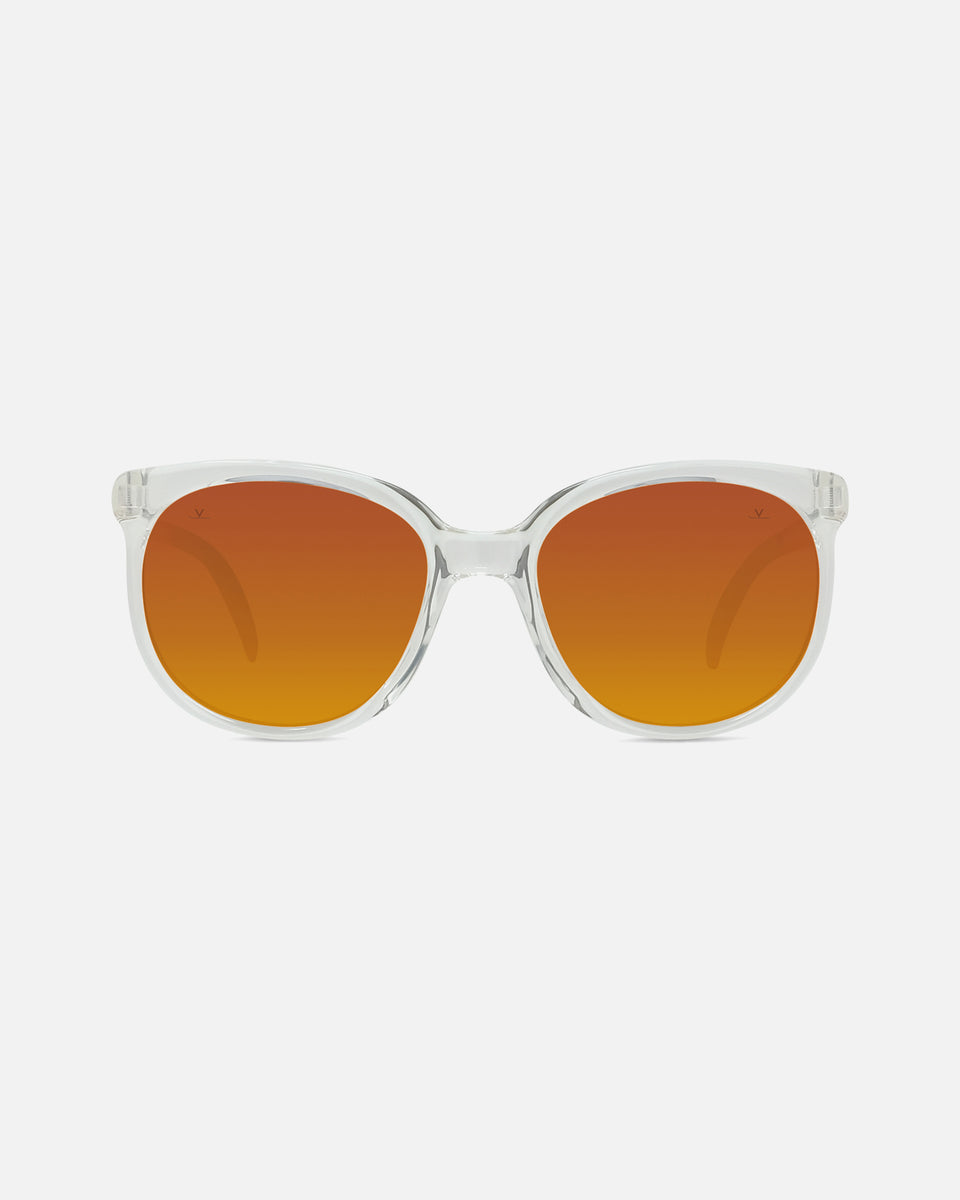
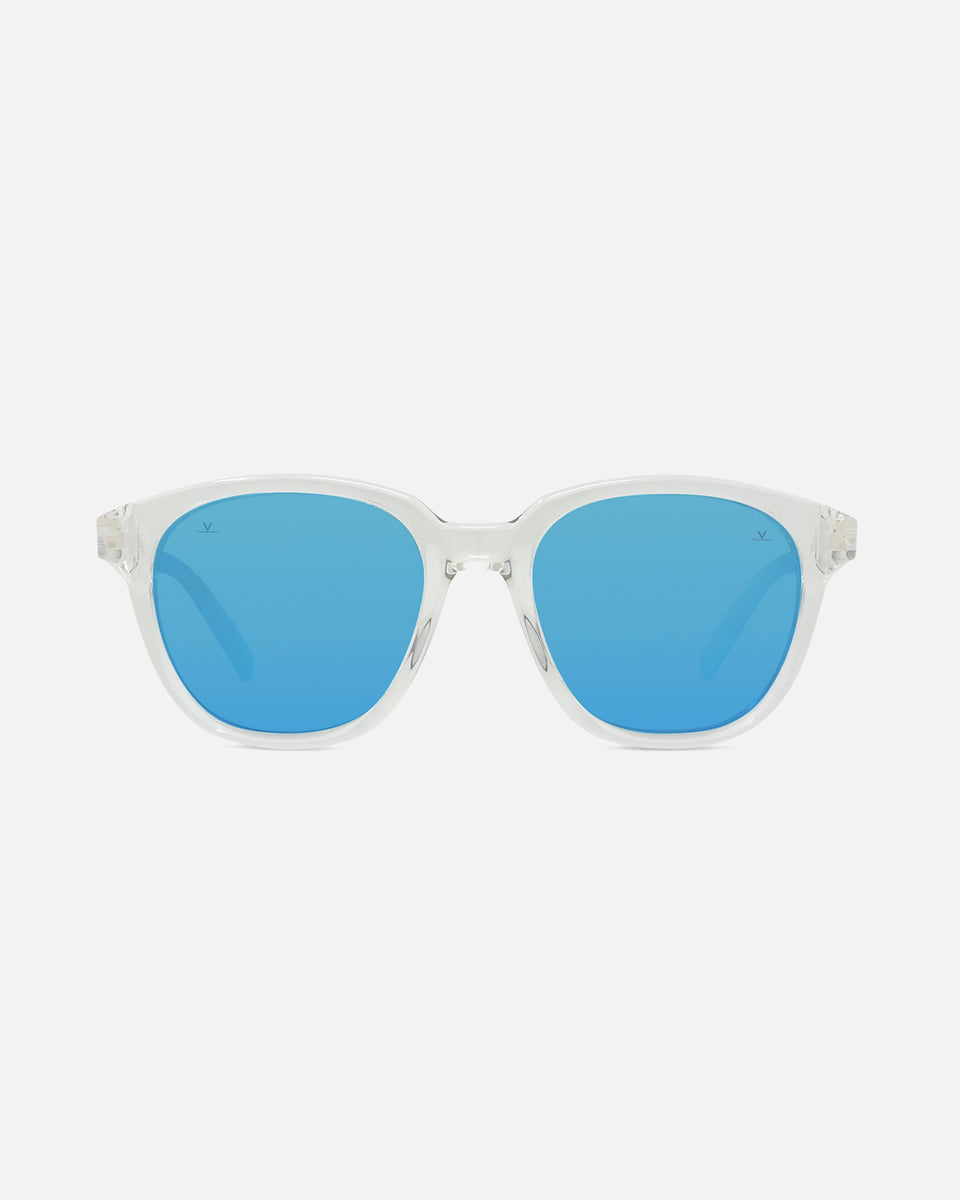
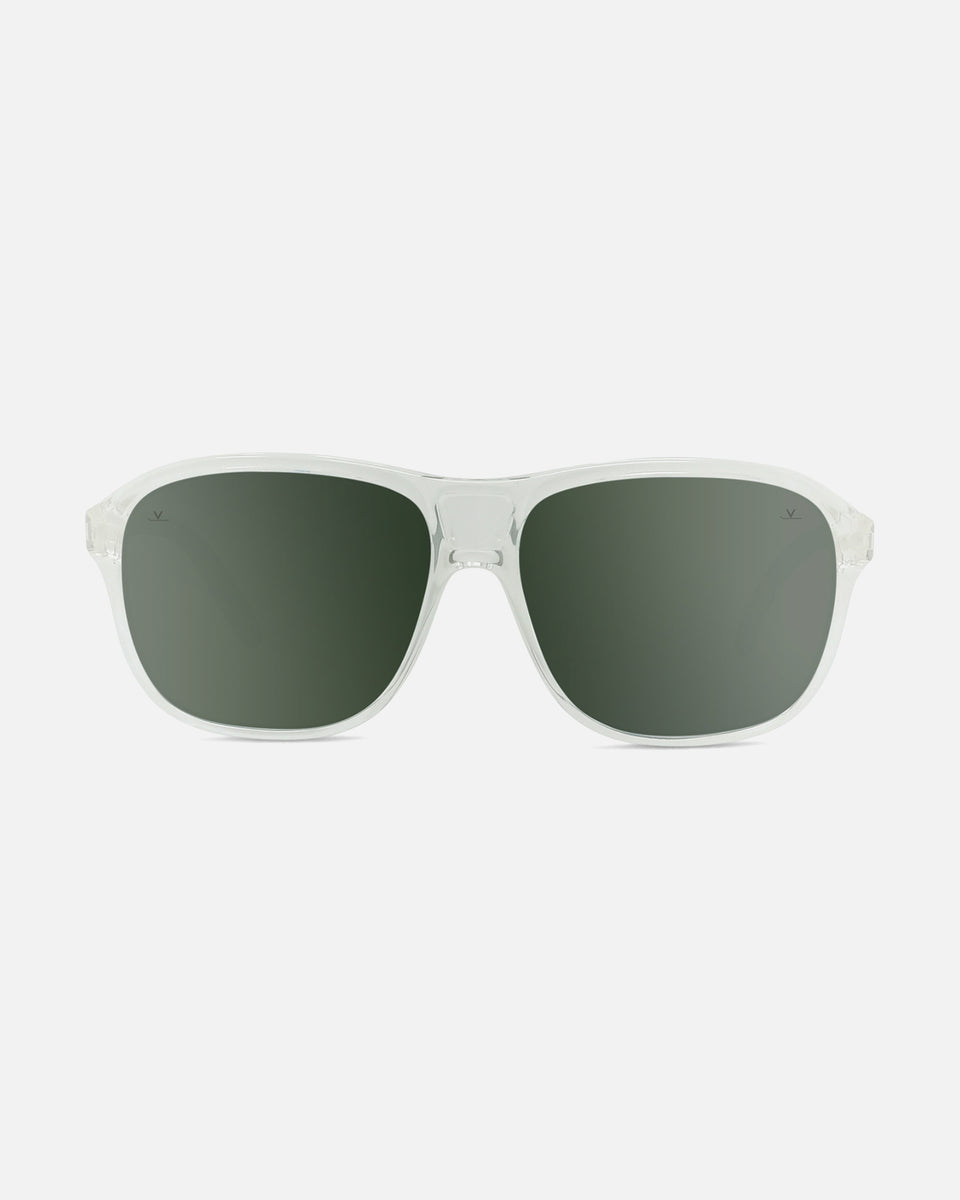
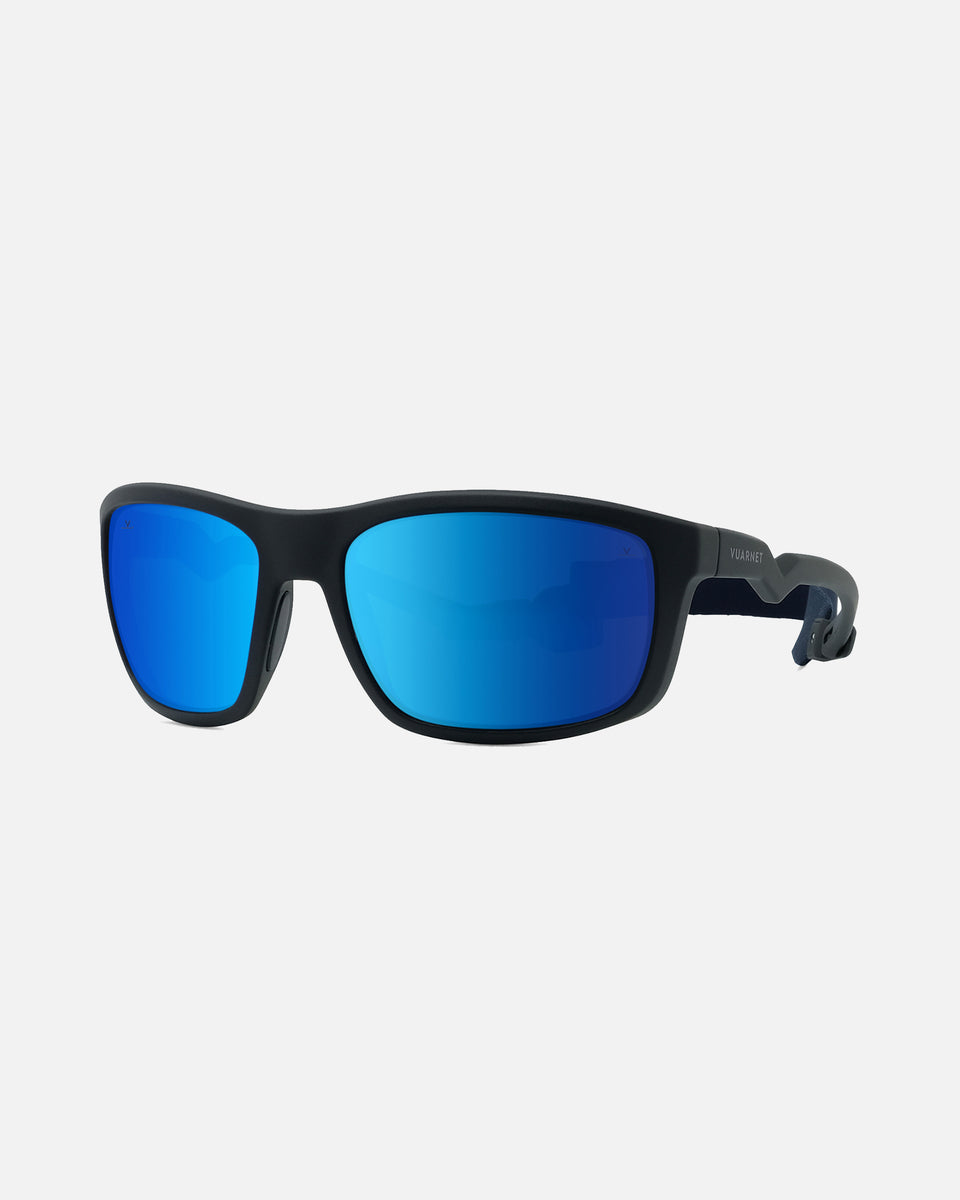
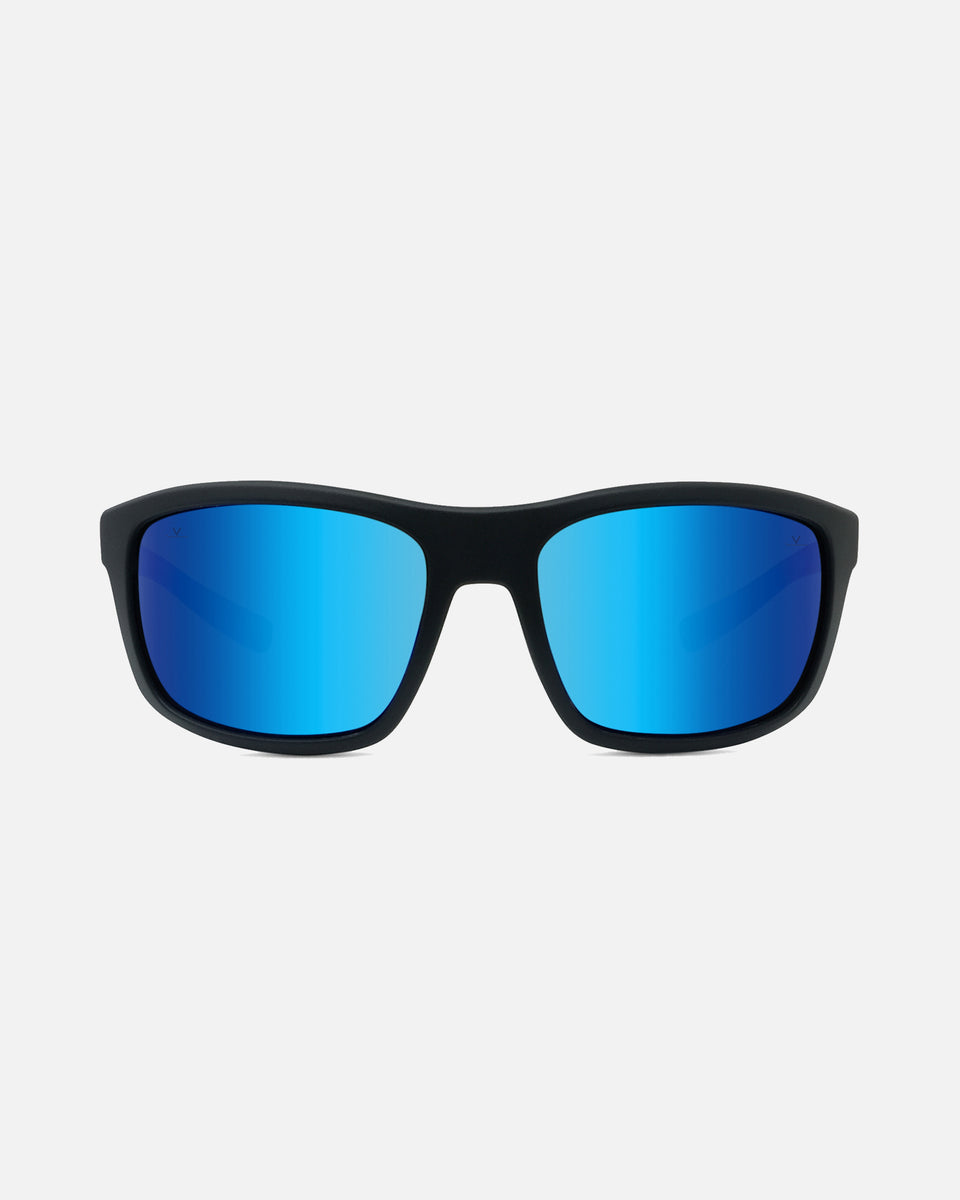
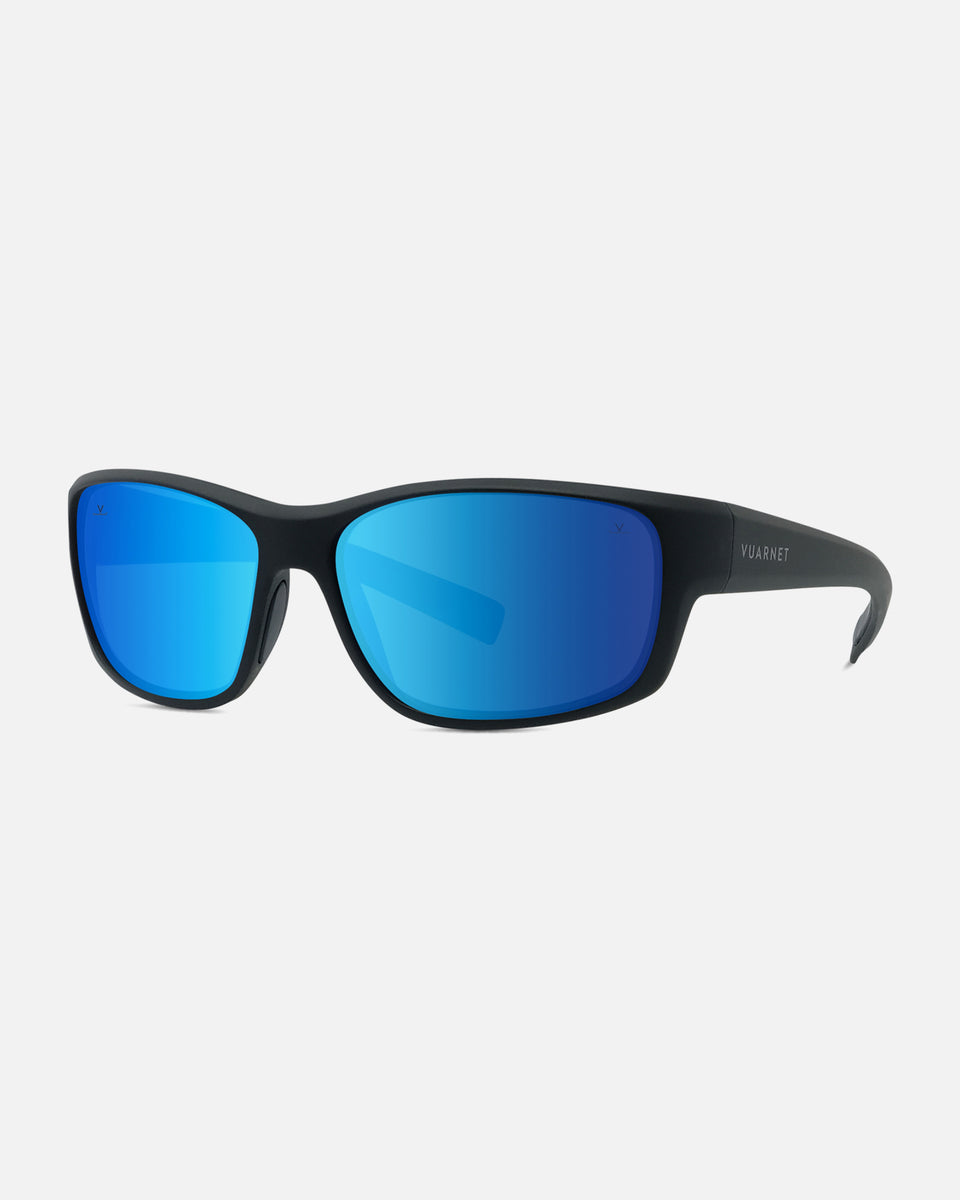
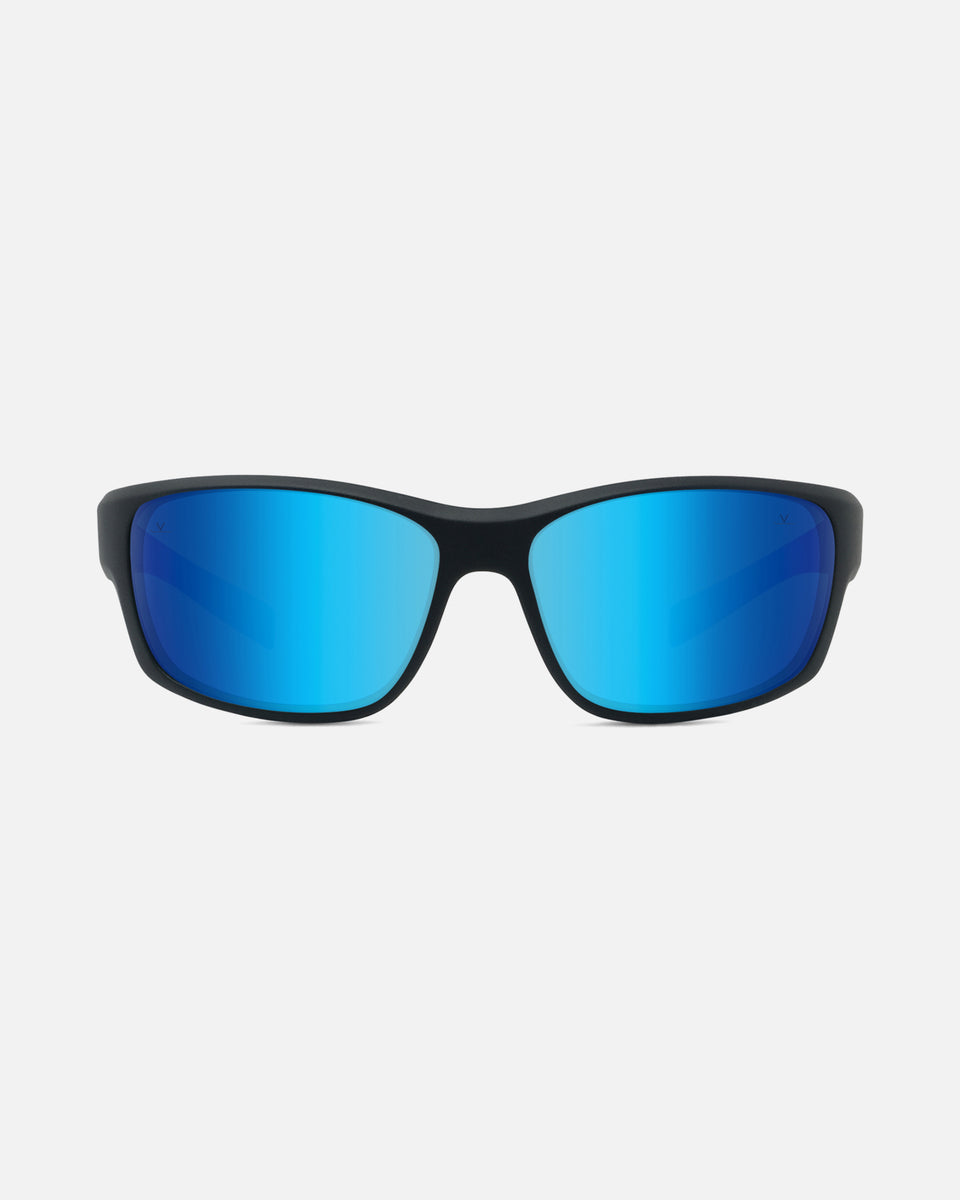
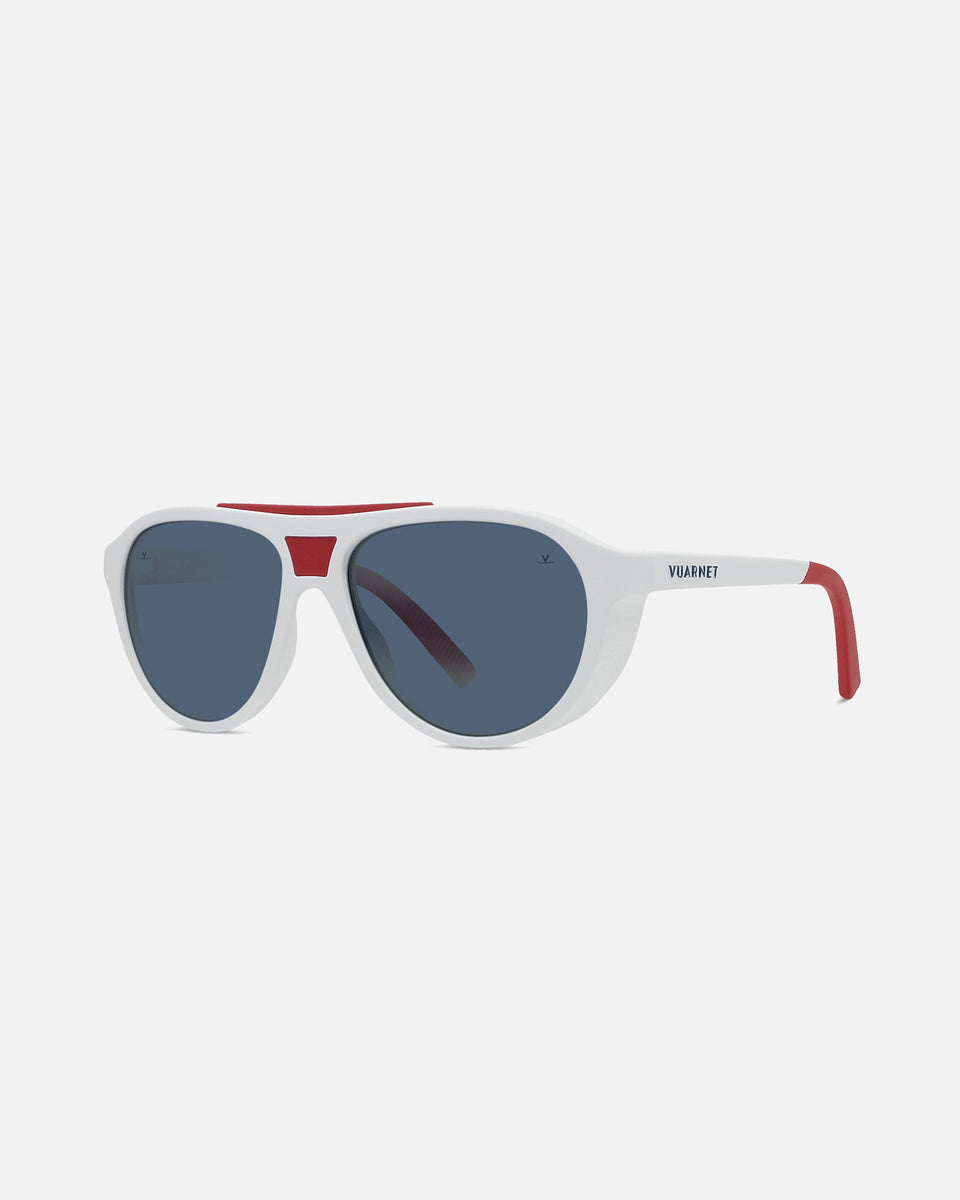
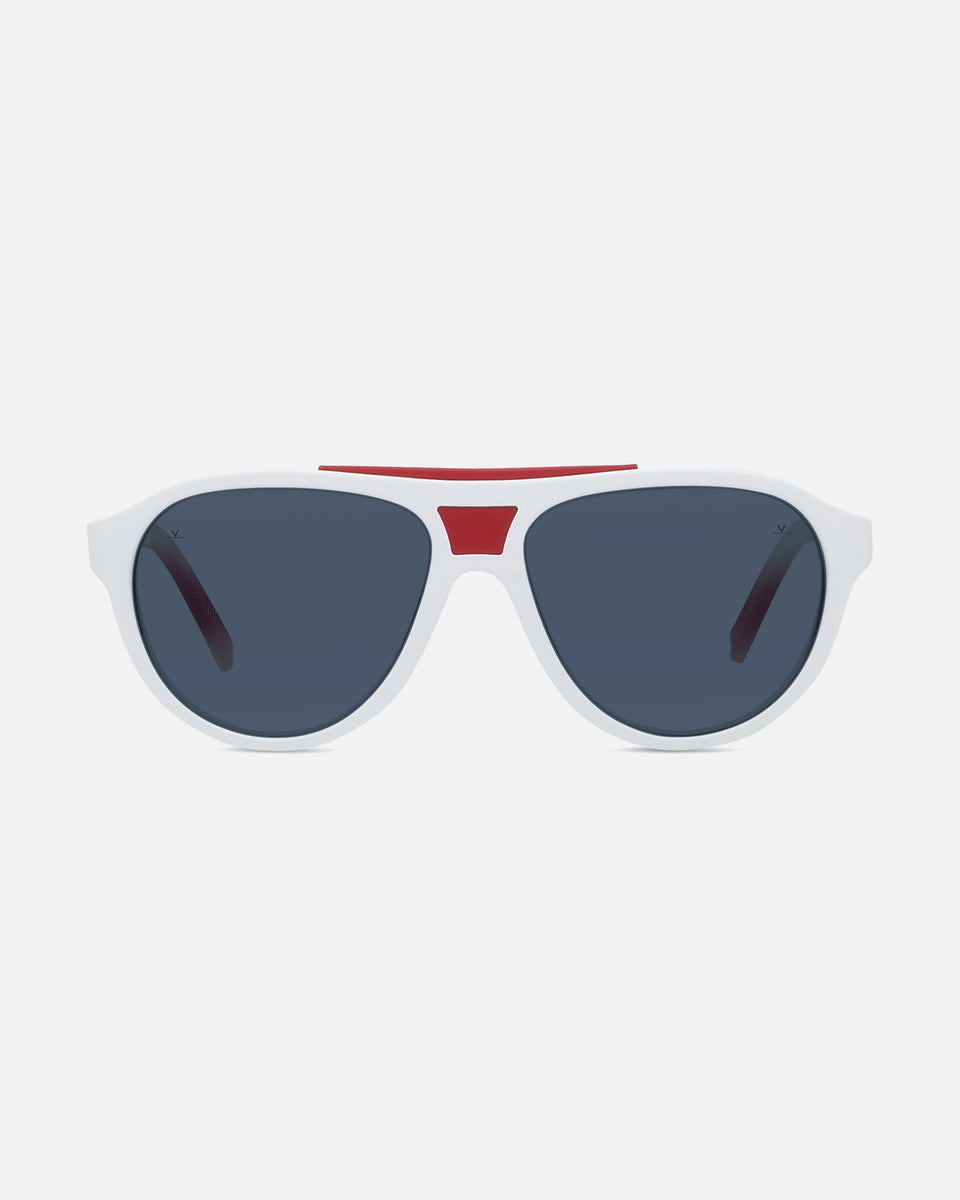
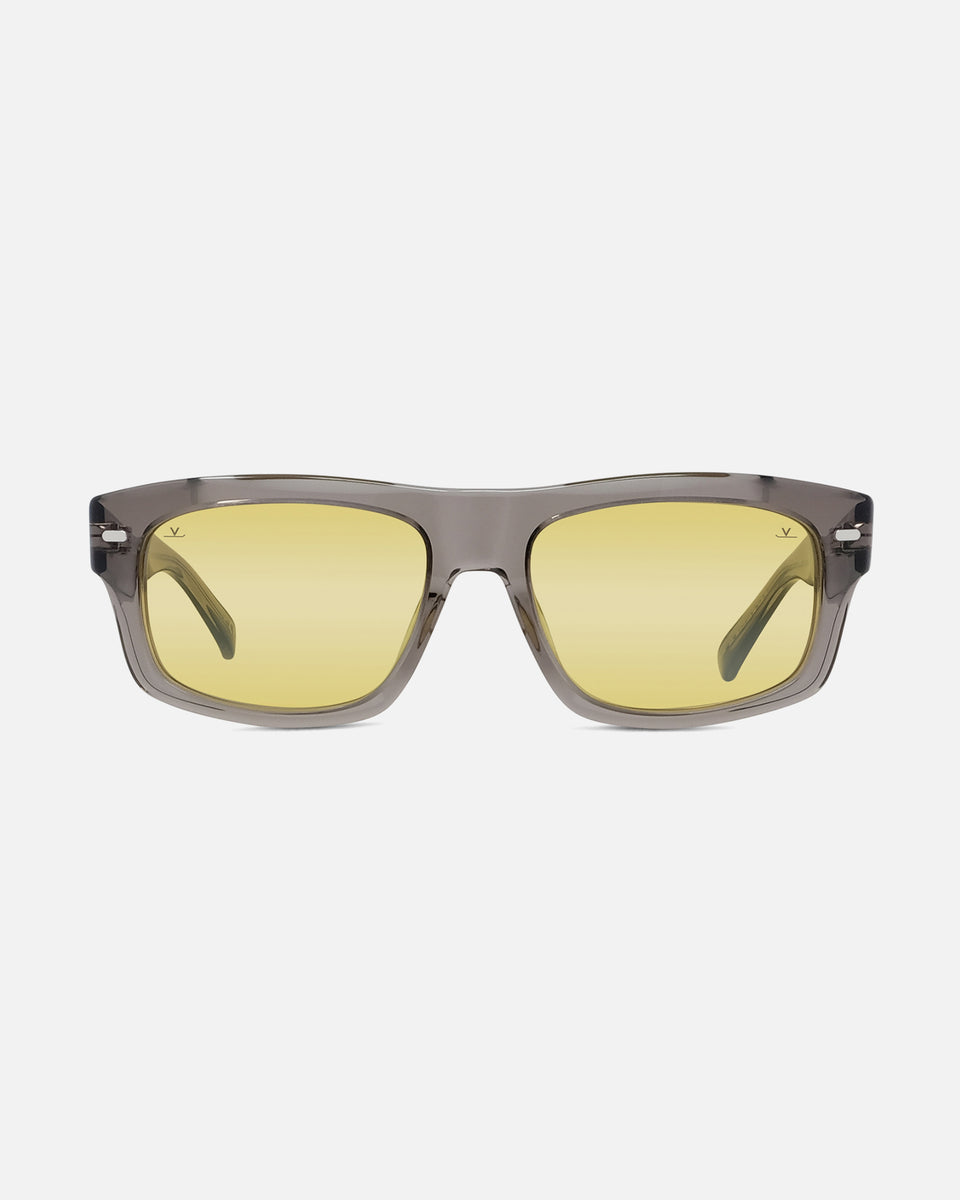
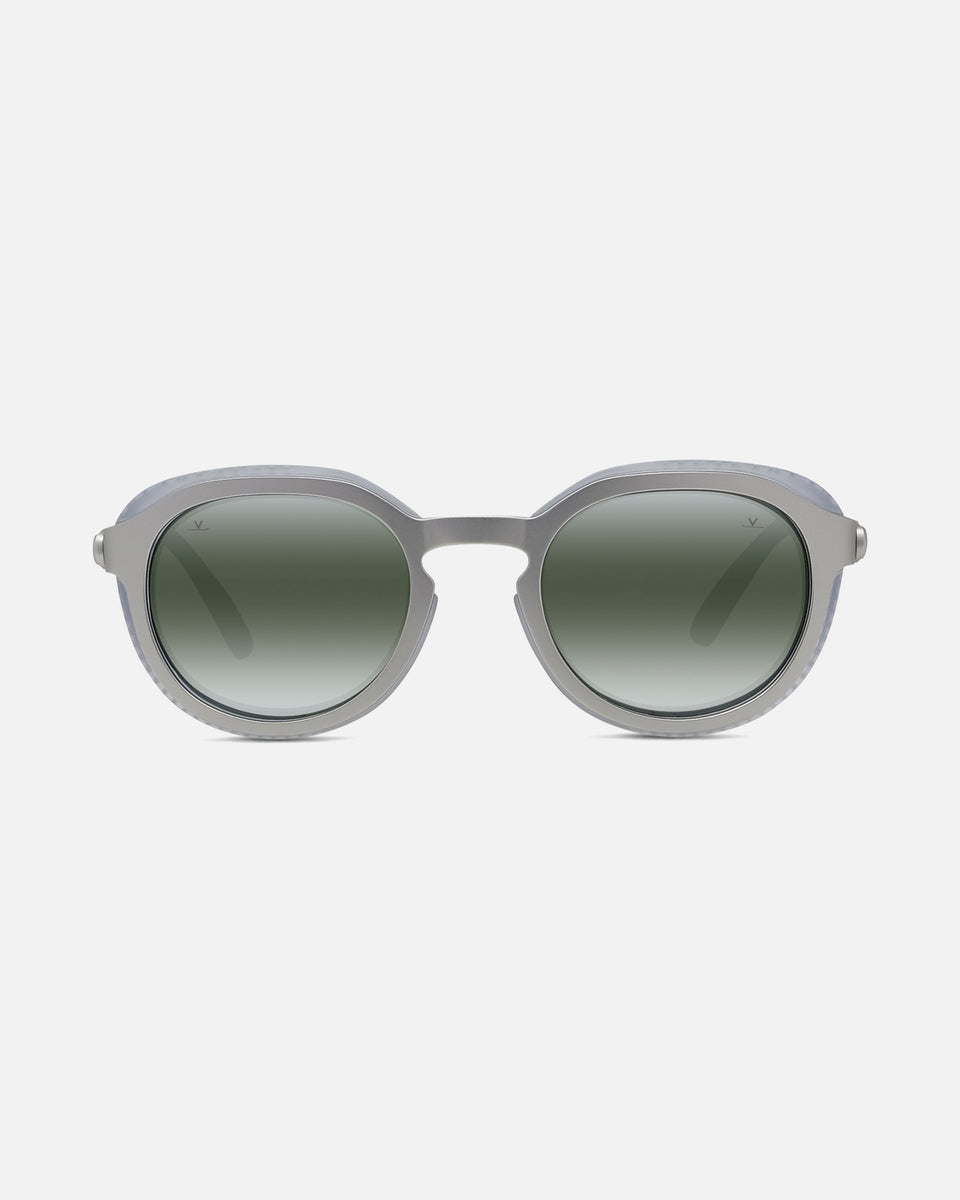
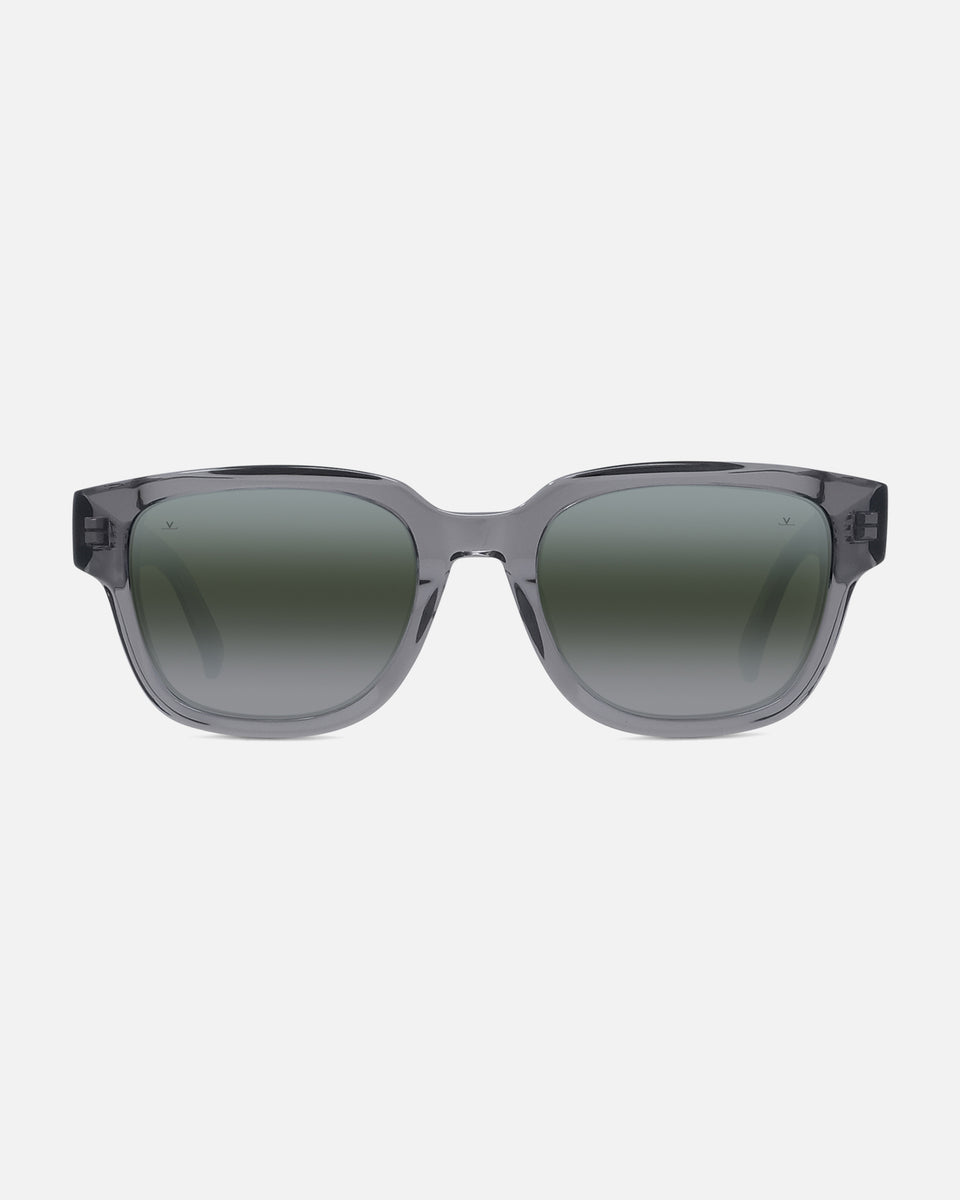
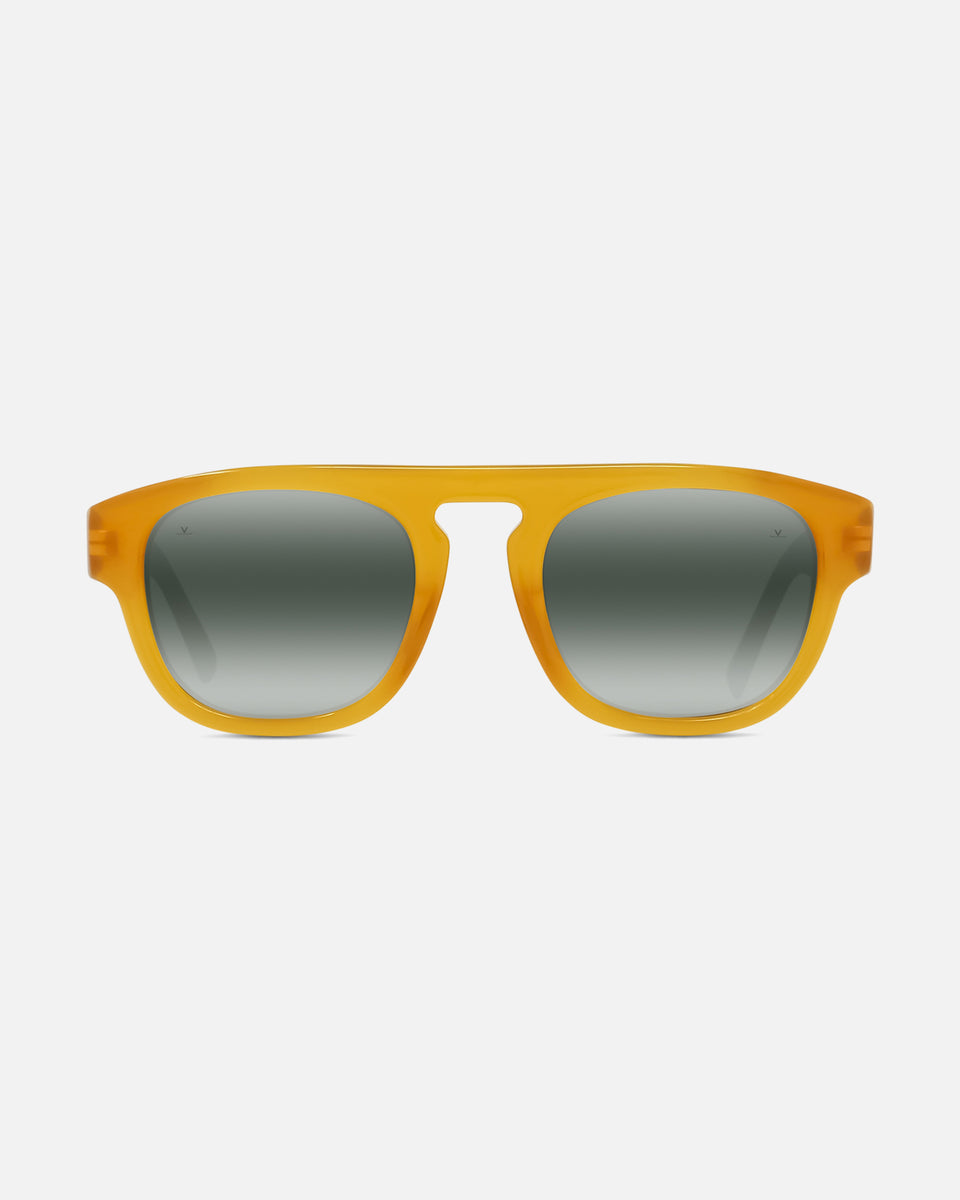
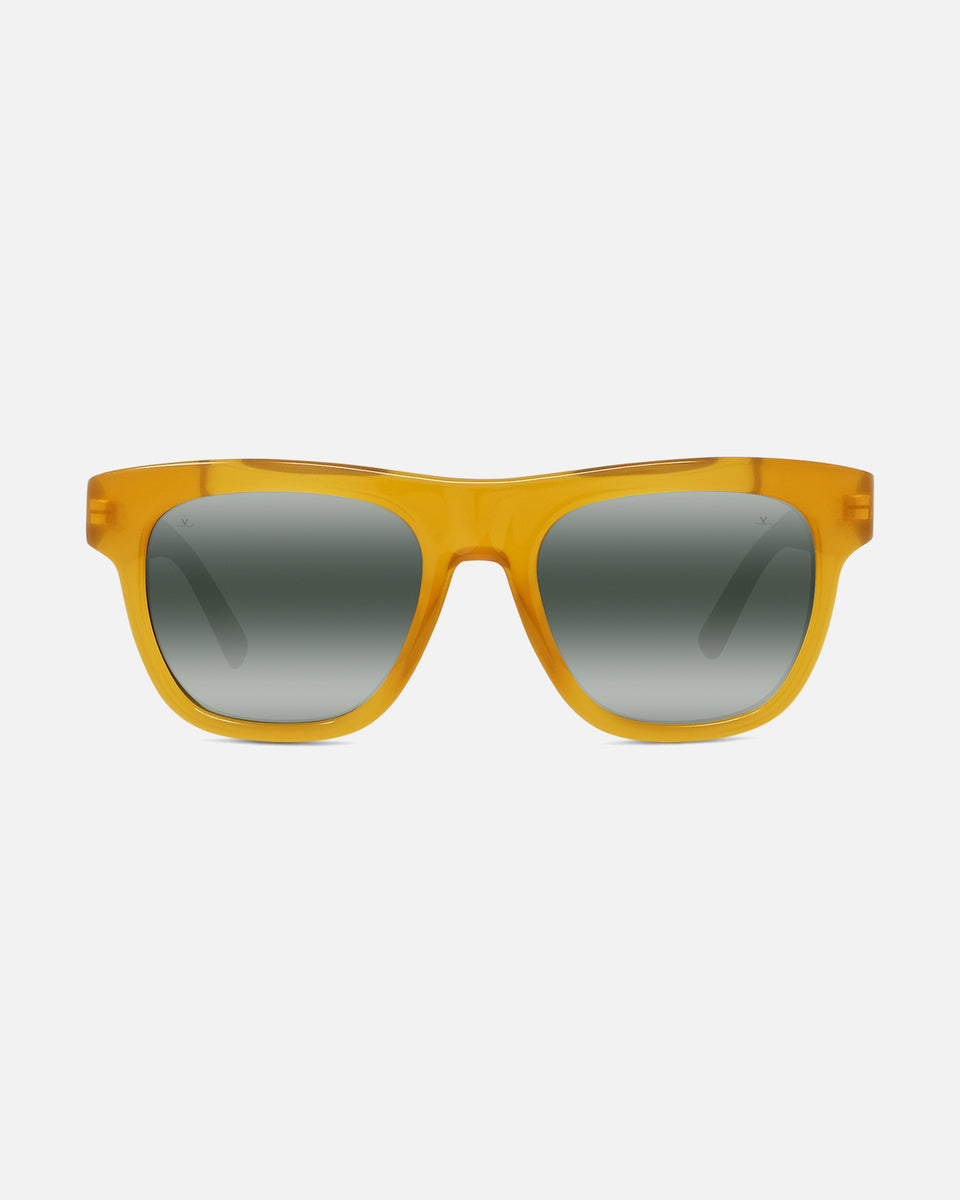
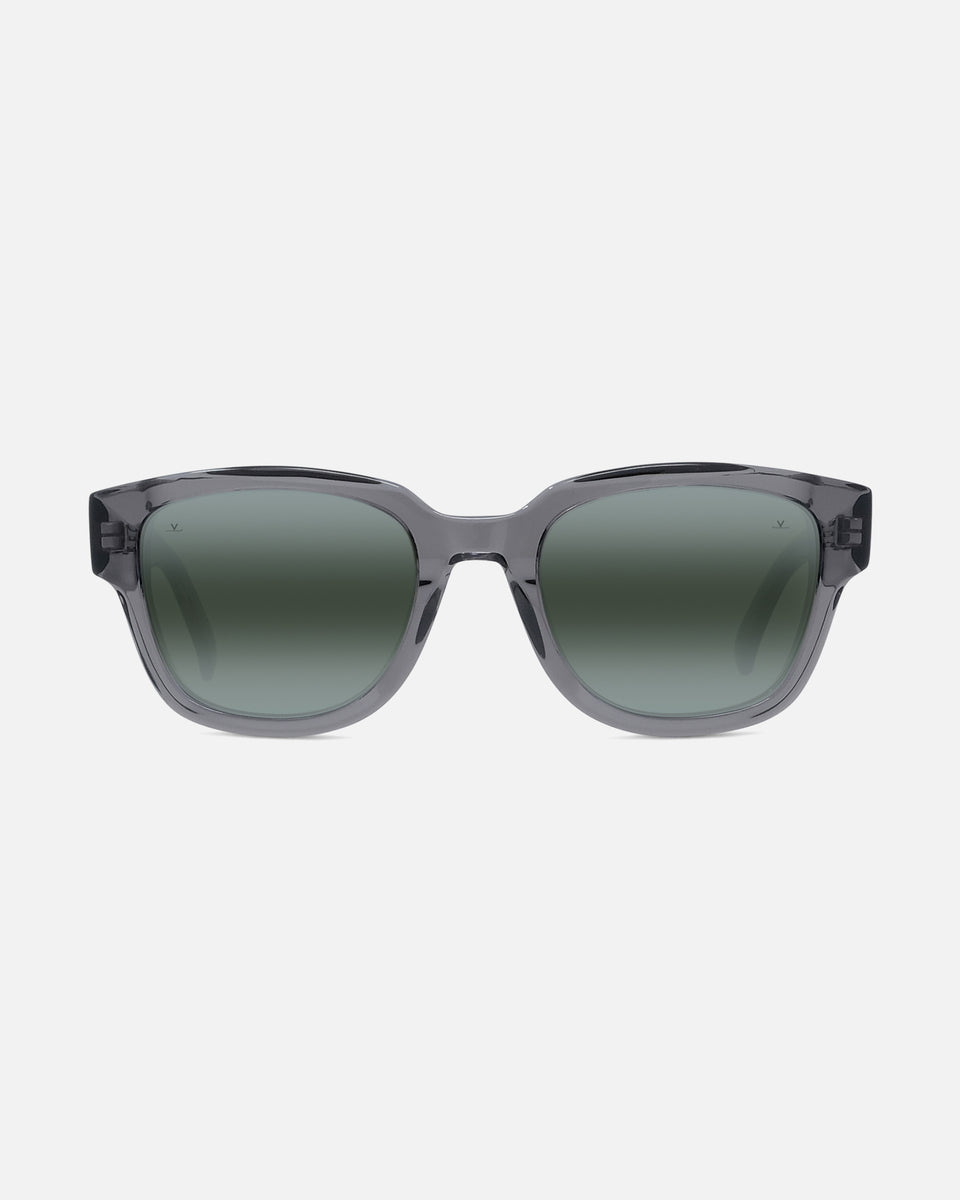
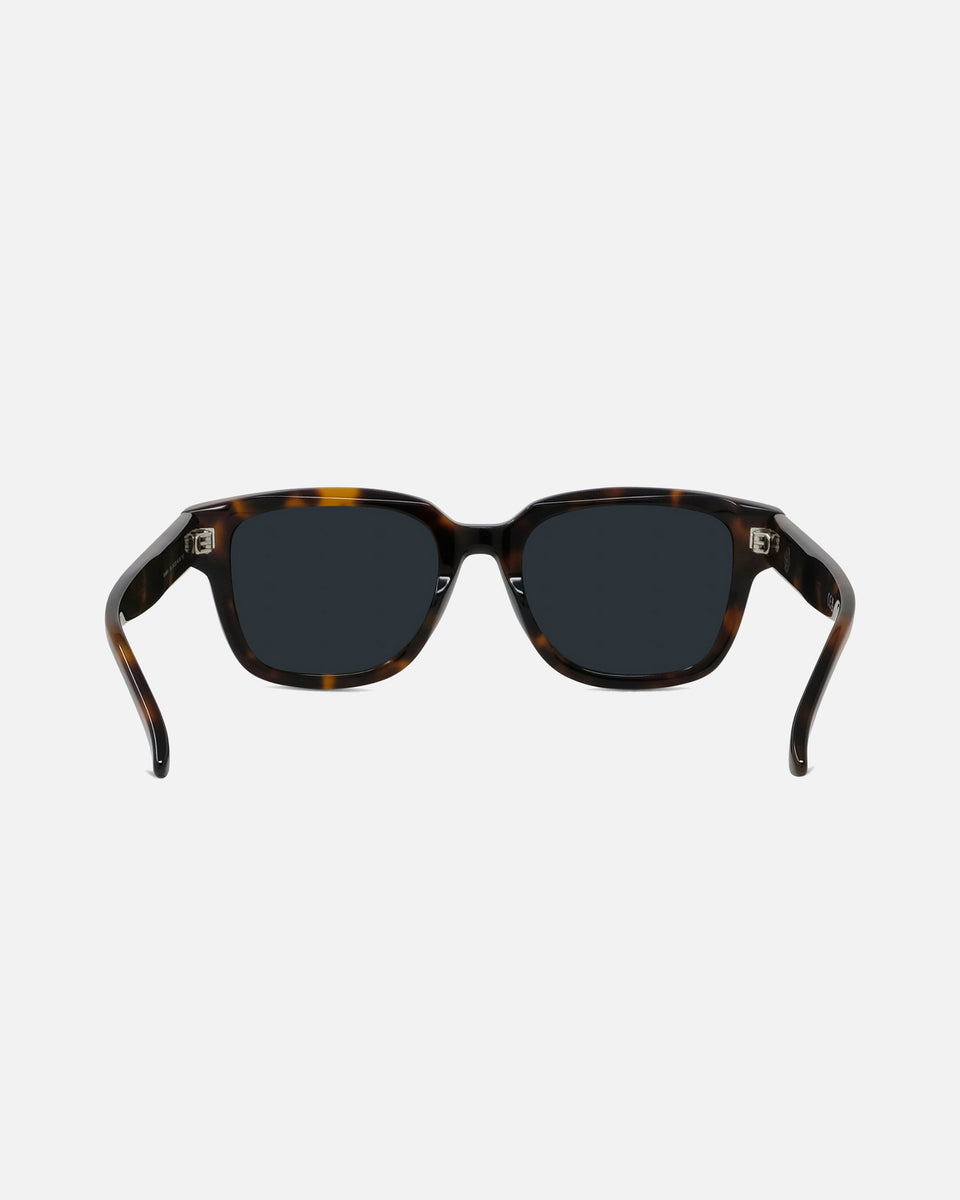
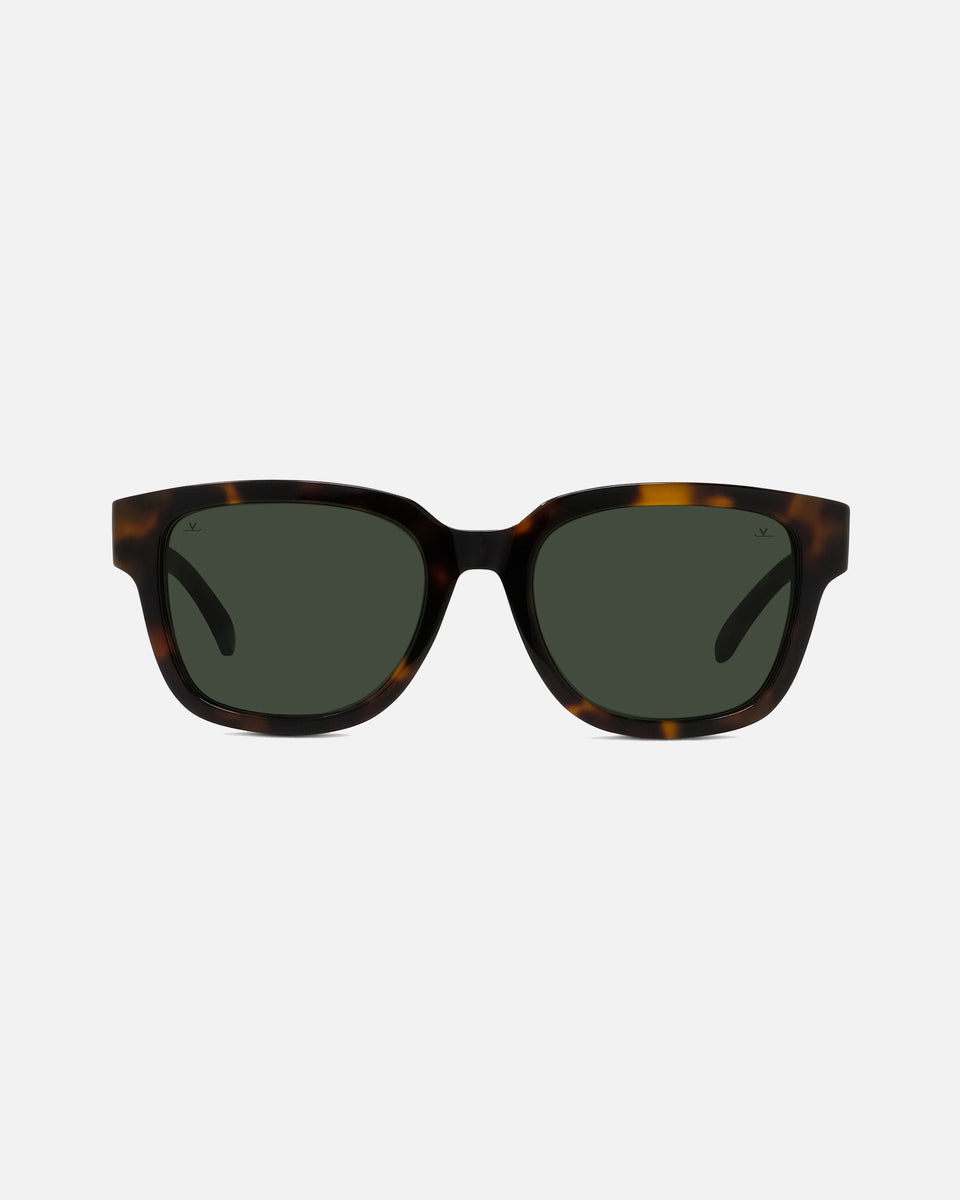
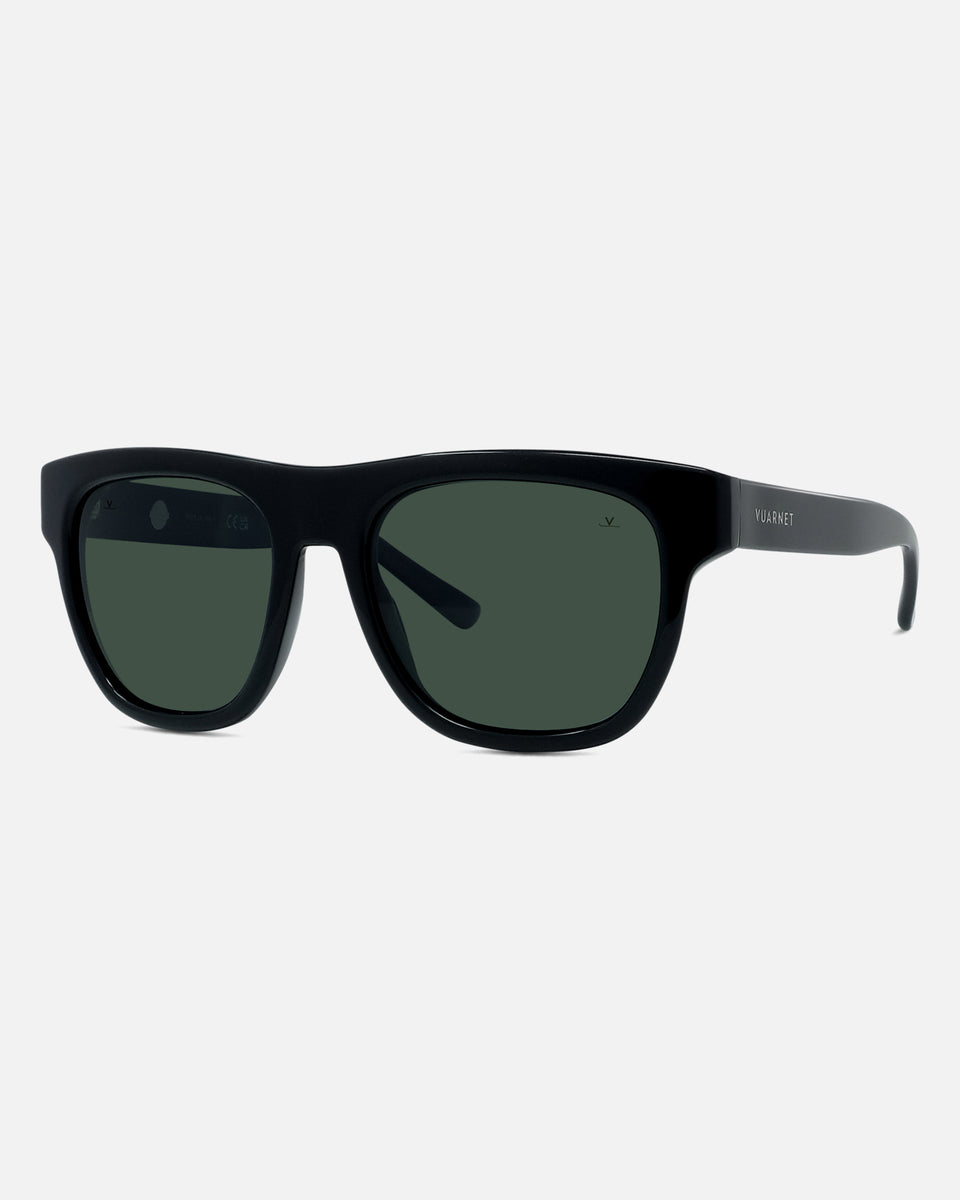
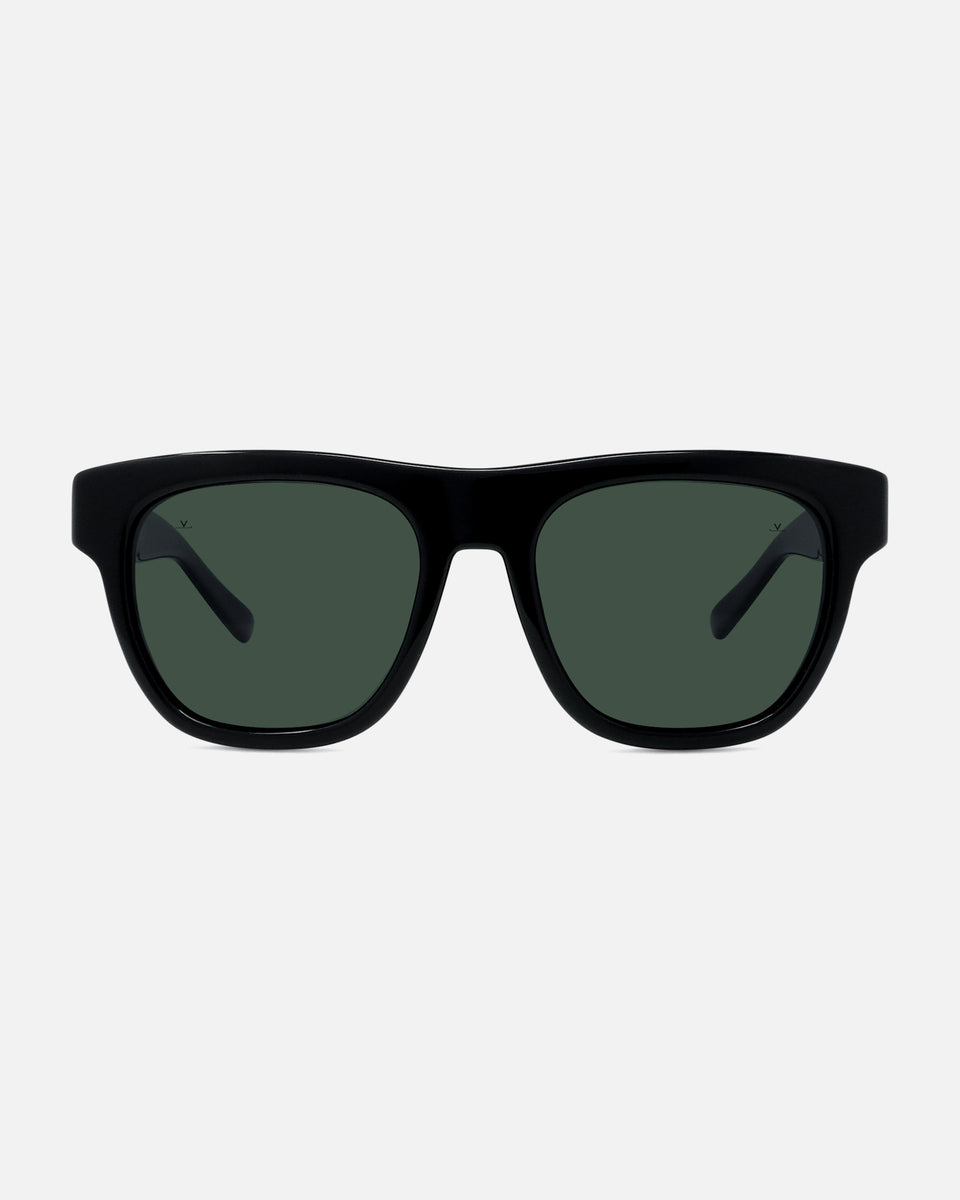
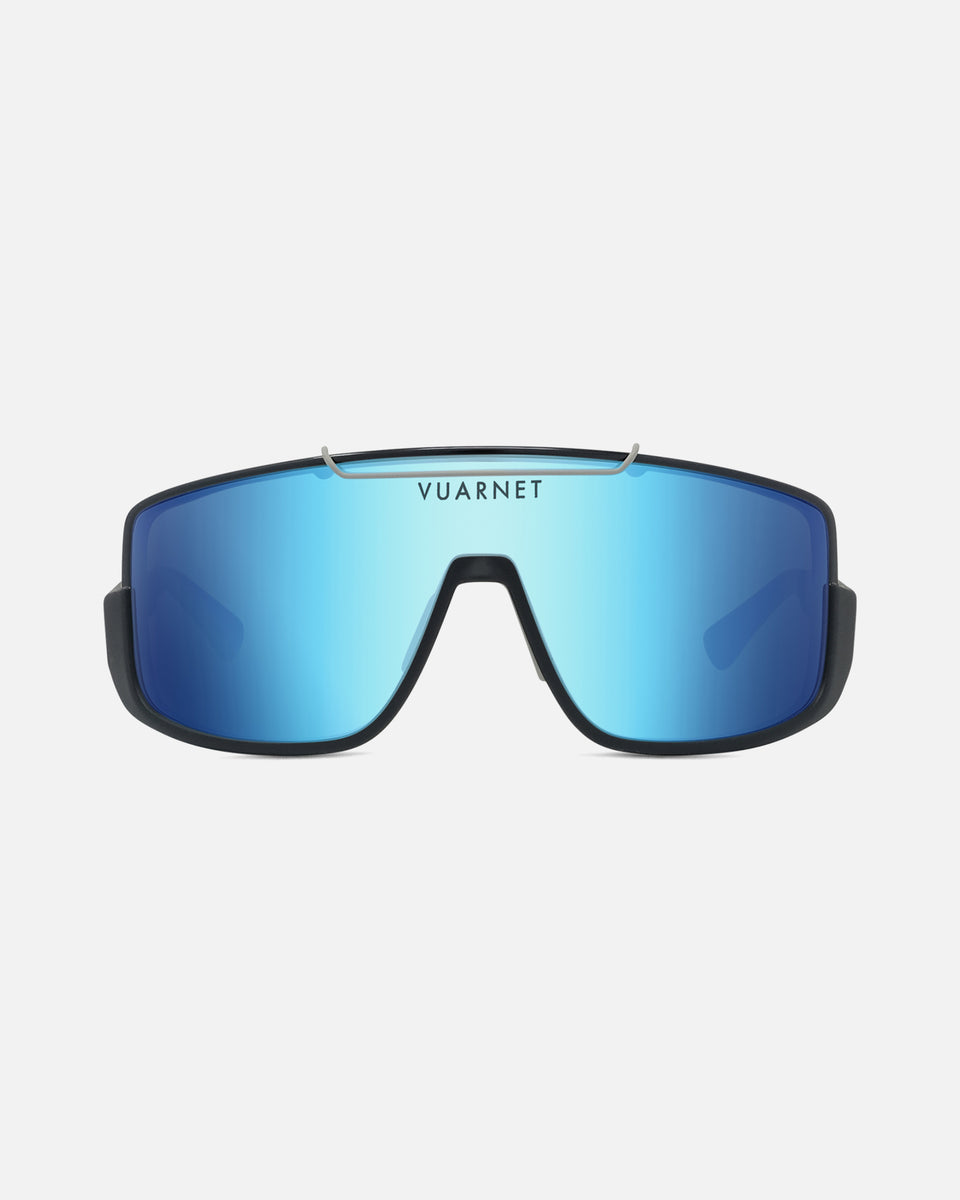
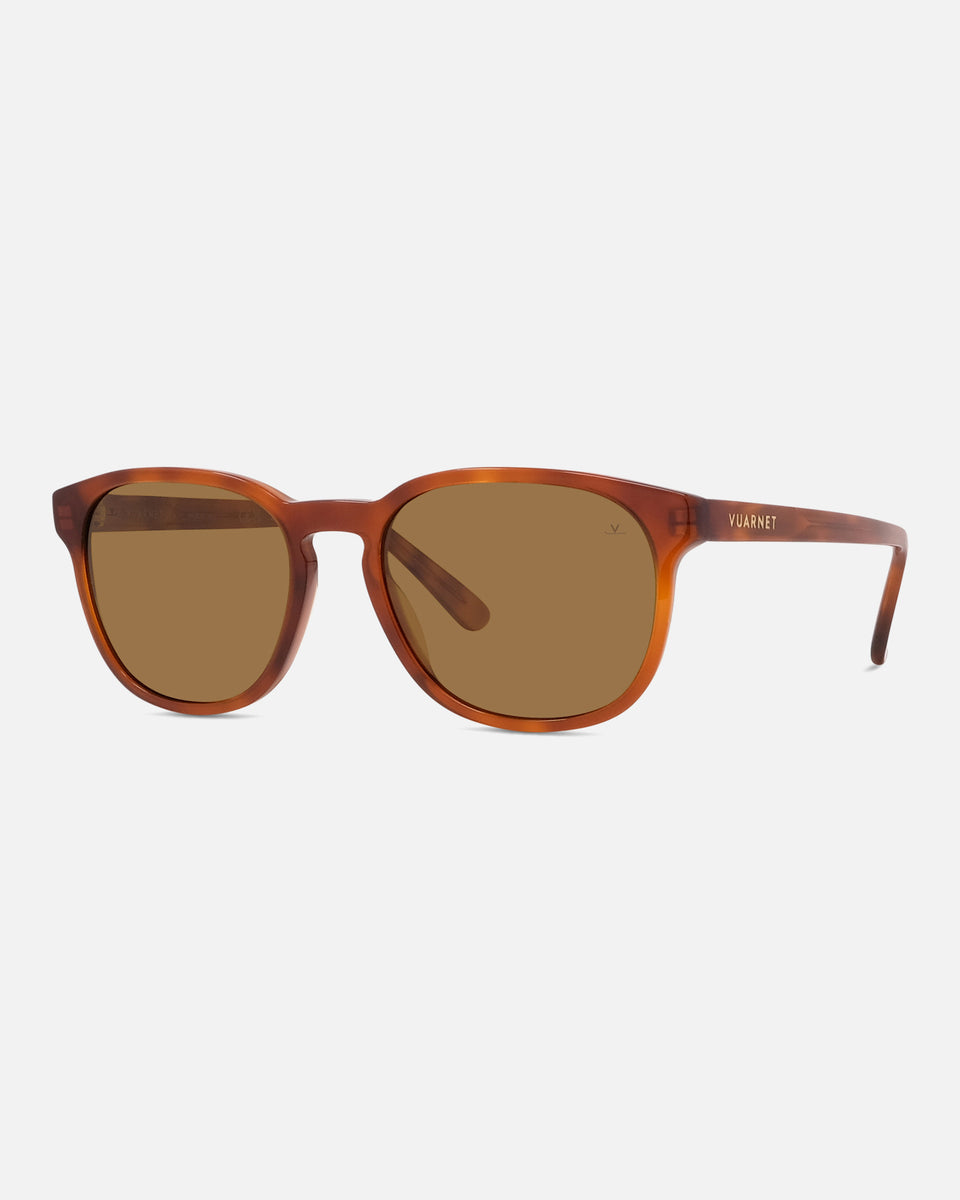
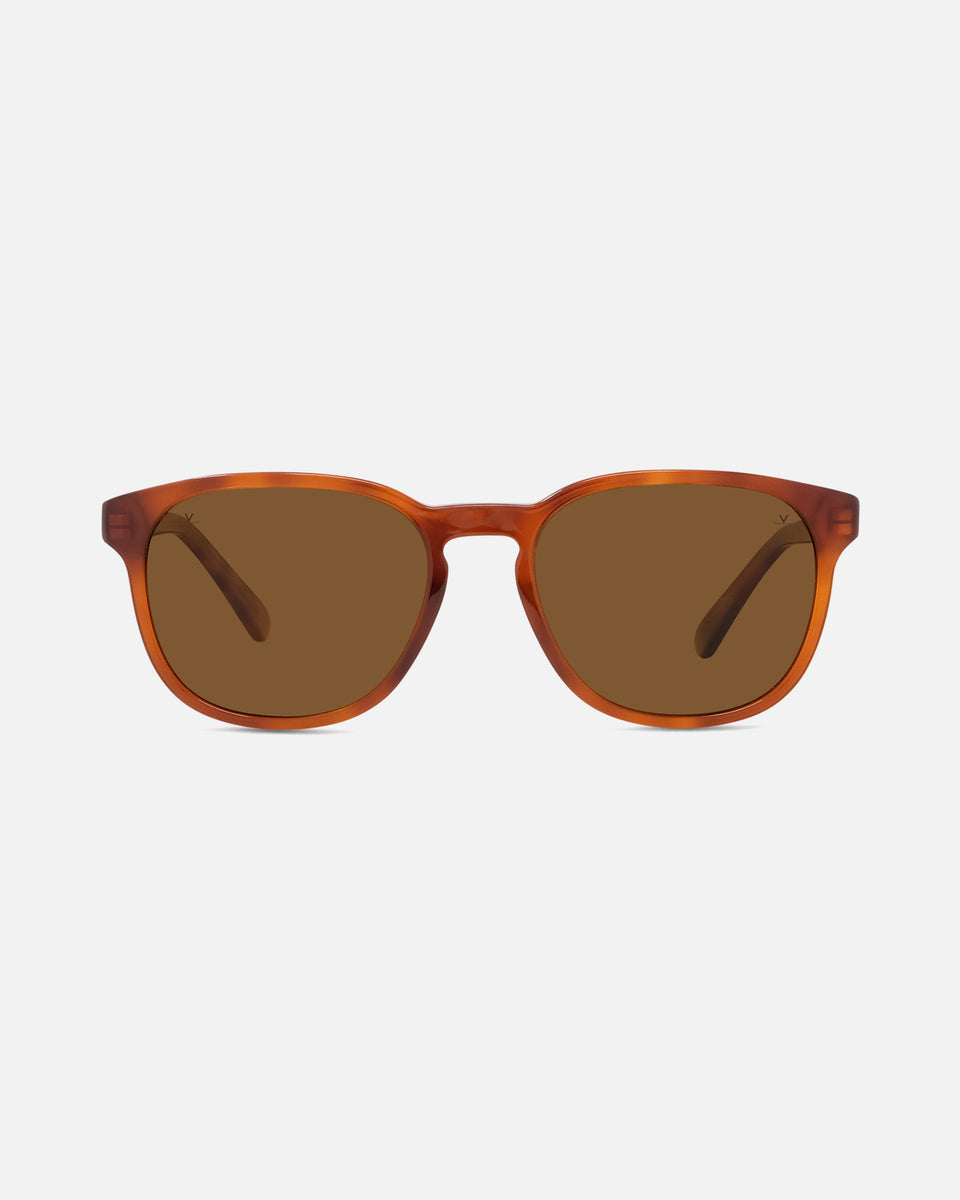
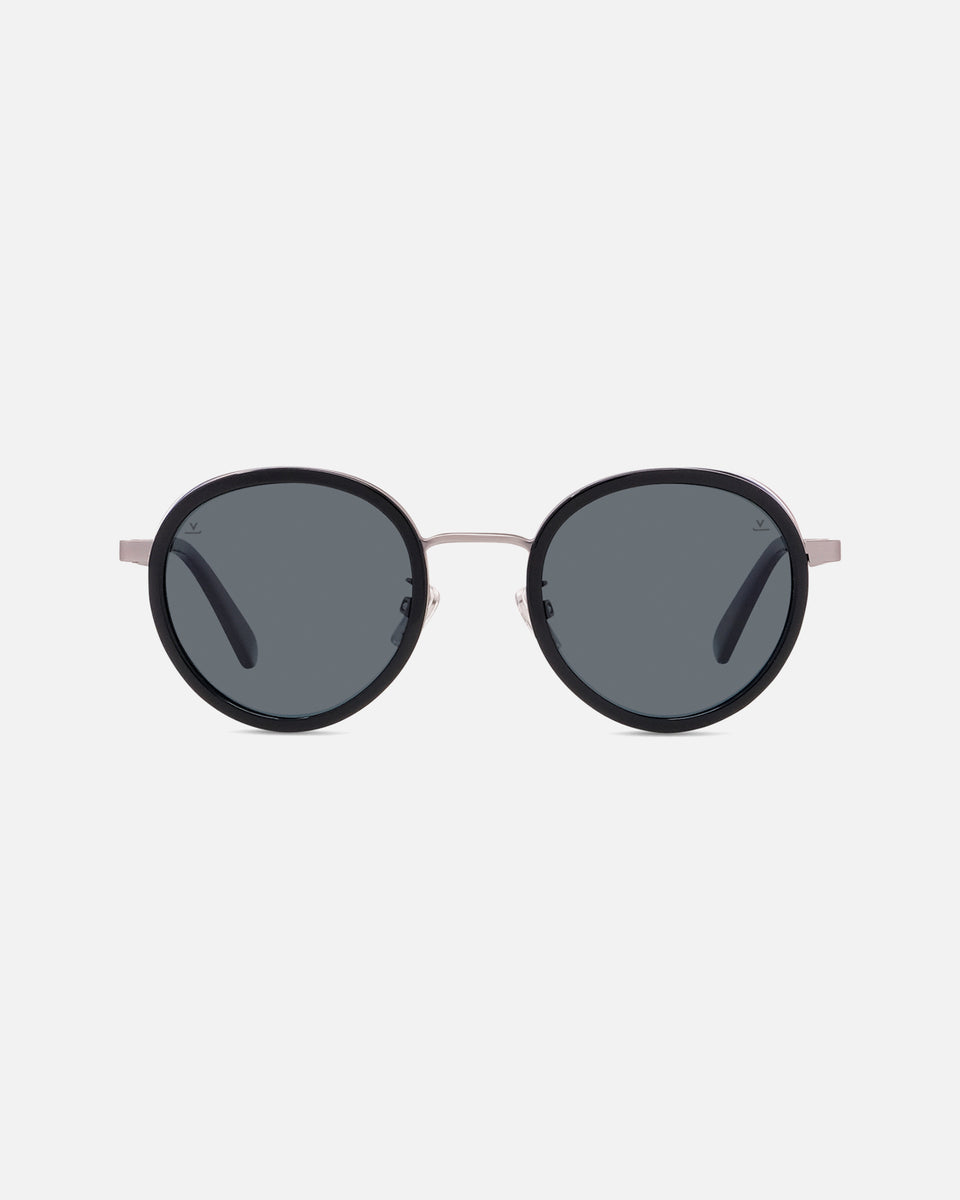
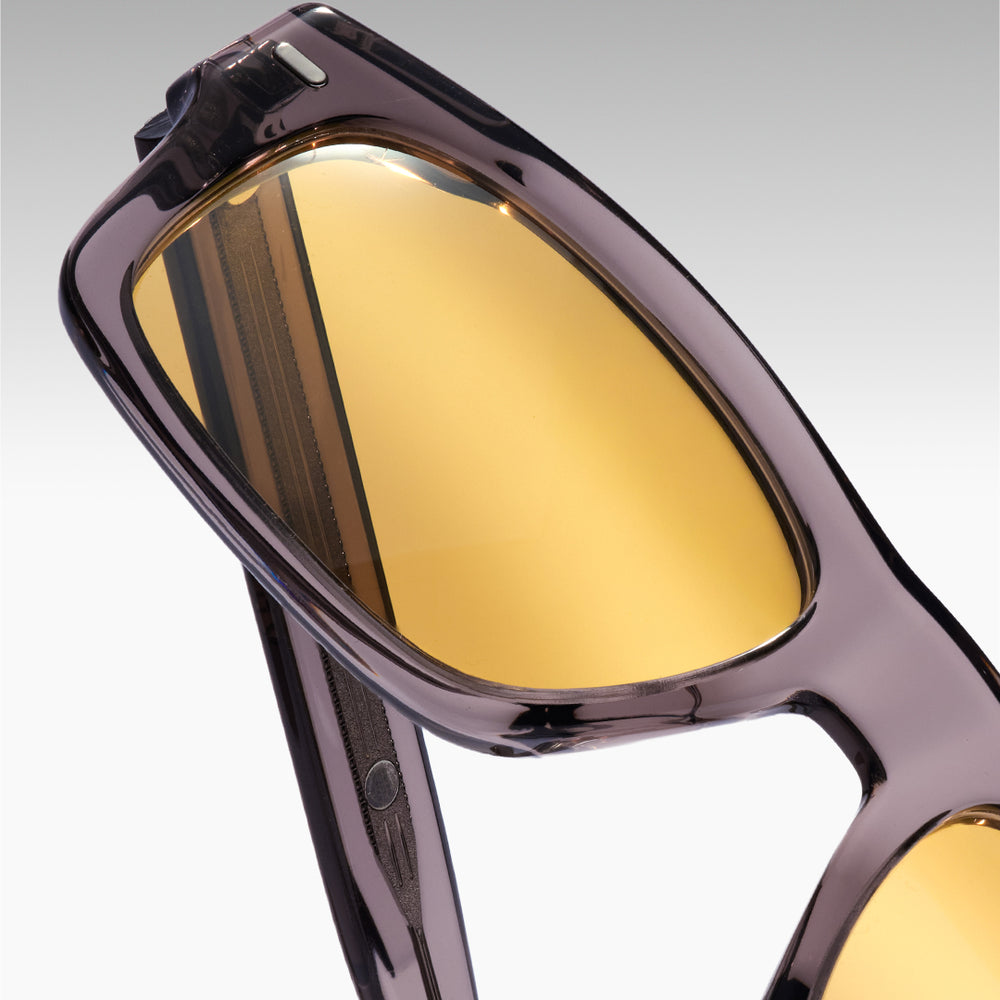
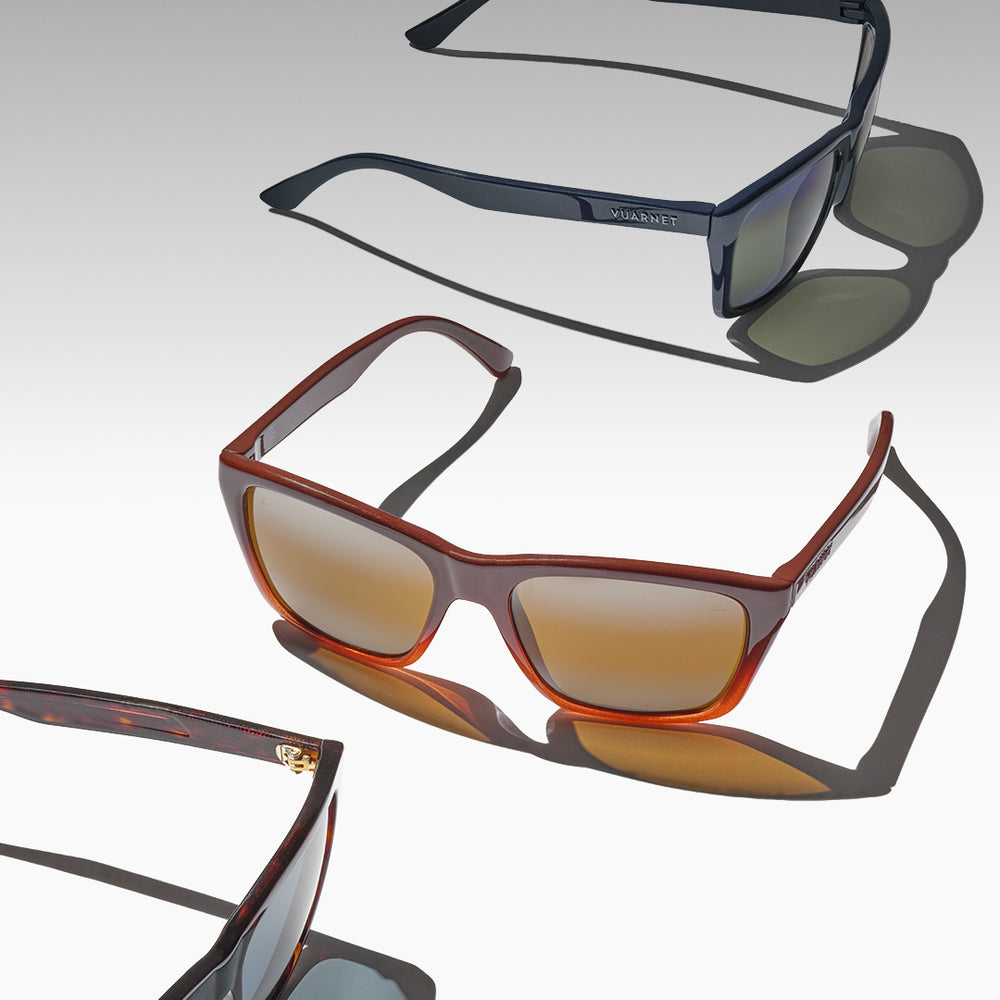
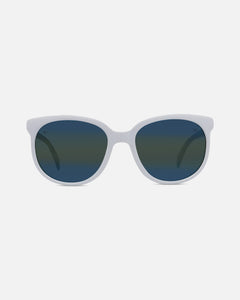
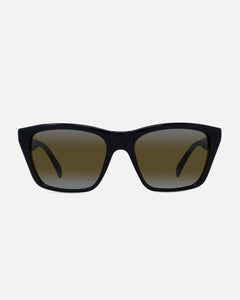
Everyday and driving sunglasses
The city is a highly reflective environment. Glass façades, wet asphalt, vehicle bodywork and windscreens can send light back into your field of view from unpredictable angles. Behind the wheel, low sun, road glare and sudden changes in brightness can quickly become uncomfortable.
Vuarnet’s Everyday and Driving collection is designed for daily journeys. It combines comfort, protection and optical quality to provide clear vision in urban environments and on the road.
The visual challenges of driving
Driving combines several lighting conditions that rarely occur together elsewhere:
- Low-angle sun at dawn and dusk, directly in the line of sight.
- Horizontal reflections from wet roads and vehicle bodywork.
- Rapid transitions in brightness when entering or leaving tunnels.
- Dashboard reflections in the windscreen.
- Prolonged periods of visual concentration.
Polarised lenses can help reduce horizontal reflections from roads and bright surfaces. Non-polarised lenses can nevertheless remain relevant when screen visibility or the perception of road reflections is a priority.
For daytime driving, it is essential to choose a lens category that is authorised and appropriate for the light conditions. Category 4 lenses must never be used while driving.
Choosing lenses for the city and the road
Lens familyLookRecommended useMain benefitGrey polarisedNeutral greyDaytime driving and urban wearGlare reduction with natural colour perceptionBrown polarisedWarm brownVariable light and overcast daysEnhanced contrast and reduced reflectionsLynx™Varies by tintEveryday use and detail readingEnhanced perception of contrastPhotochromicAdaptiveMoving between open and shaded outdoor areasTint adapts to UV exposureNightlynx™Light yellowLow light, subject to lens category and permitted useEnhanced contrast without heavy darkening
Explore polarised lenses, photochromic lenses and Lynx™ lenses. For low-light conditions, explore the Low-Light collection.
Are photochromic lenses suitable for driving?
Photochromic lenses are particularly practical for city journeys involving repeated transitions between shaded areas and open outdoor spaces. Their reaction can be reduced behind a windscreen because it filters some of the UV light needed for activation. For long drives in bright daylight, an appropriate fixed tint or polarised lens can therefore provide a more consistent response.
Colour perception in traffic
Traffic lights, brake lights and road signs rely on rapid colour recognition. The lens selected should preserve clear colour perception so that essential information remains easy to read.
Grey lenses reduce brightness with a neutral colour rendering. Brown tints create a warmer view and can enhance contrast in overcast conditions. The Lynx™ family offers further options designed to improve detail perception.
Optical quality also contributes to comfort on longer journeys. Vuarnet mineral glass lenses combine visual precision with natural resistance to scratches.
City light beyond the car
Urban light is not only a driving concern. Reflections from buildings, sunlight moving between city streets and rapid transitions between shade and open spaces create changing contrast throughout the day.
Photochromic lenses are particularly suited to journeys that alternate between shade and outdoor light. For everyday adaptive eyewear, explore Photochromic Lifestyle and the wider Lifestyle collection.
Everyday and driving sunglasses for men and women
Men’s everyday and driving sunglasses
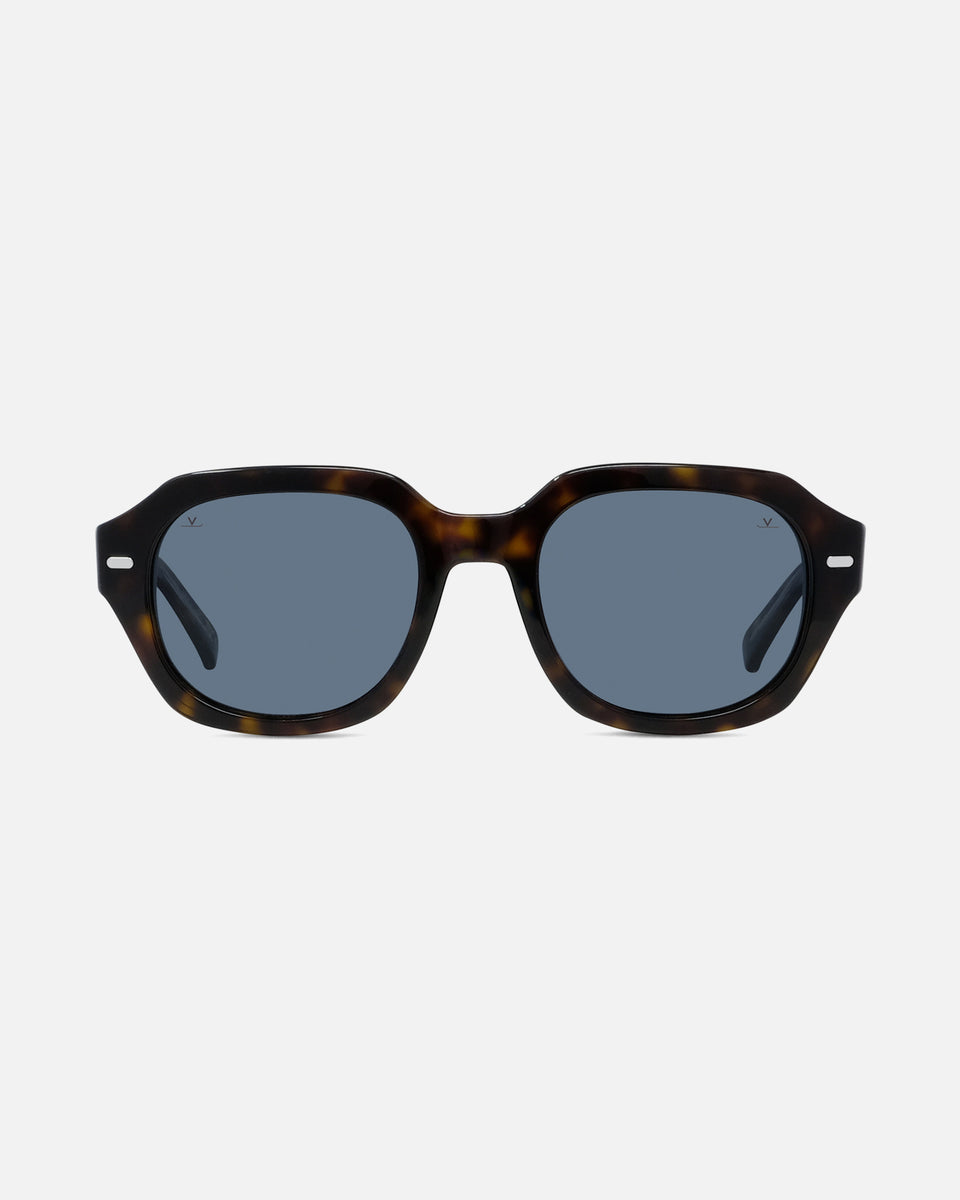
Men’s sunglasses include classic lifestyle silhouettes and frames with broader coverage. They are available with different lens technologies suited to daily travel and daytime driving.
Women’s everyday and driving sunglasses
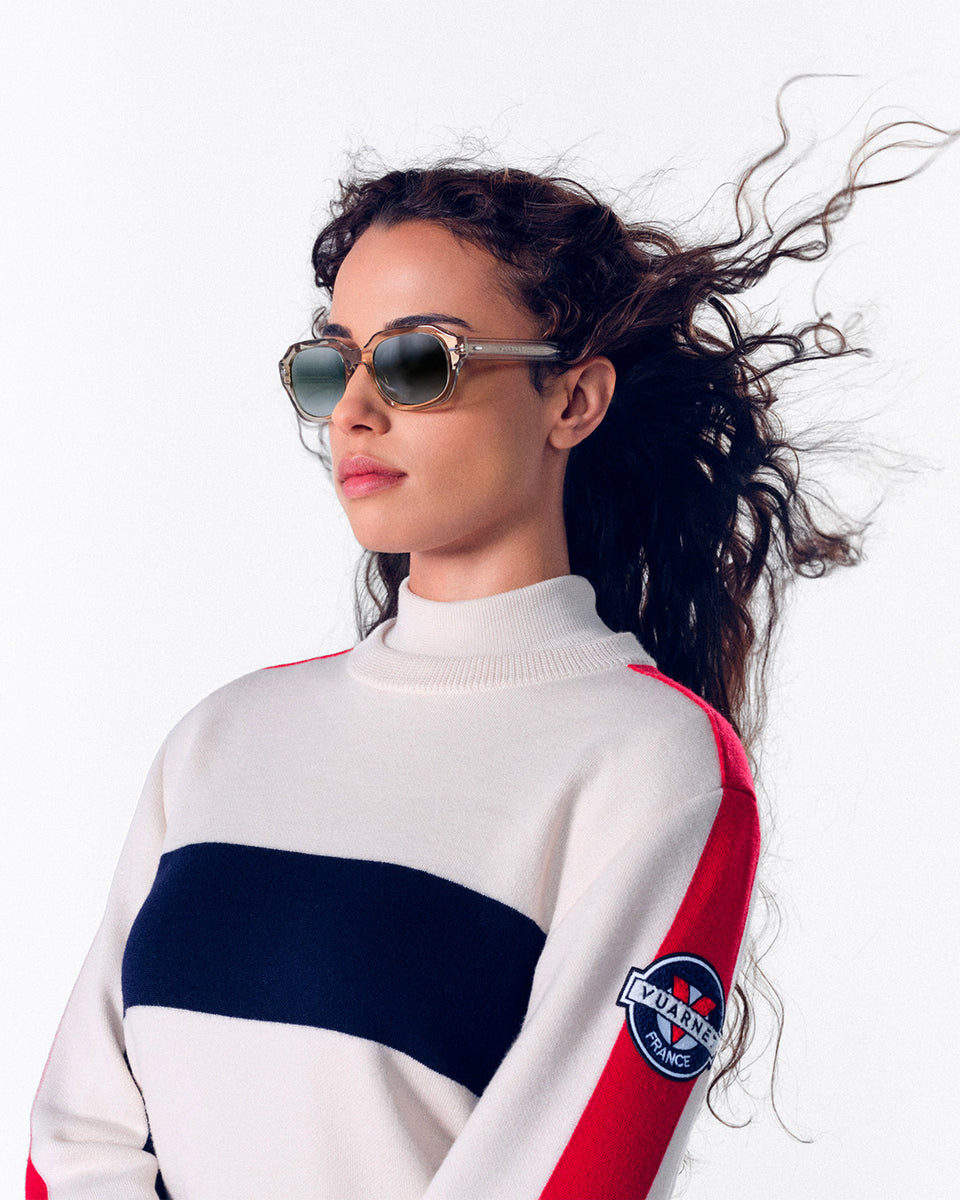
Women’s sunglasses combine refined frame geometries, comfort and optical quality for commuting, city days and extended wear.
The collection also includes many unisex models. To choose the right shape and size, consult the Vuarnet face-shape guide or use Find Your Perfect Pair.
Are polarised lenses right for every driver?
Polarised lenses offer real comfort when road surfaces, bodywork or wet surfaces create strong reflections. They are not automatically the best choice for every vehicle or every situation.
- Some LCD dashboard and navigation screens can appear darker at certain angles.
- Polarisation can reduce some reflections that help reveal patches of ice.
- Its effectiveness depends on the nature and direction of the reflected light.
- Lens tint and category should always match actual light conditions.
Vuarnet also offers non-polarised mineral glass lenses. For a full comparison, see our guide to polarised and non-polarised sunglasses.
UV protection for everyday exposure
Urban and driving journeys expose the eyes to light and UV radiation even when that exposure seems moderate. All Vuarnet sun lenses provide 100% UV protection, regardless of their apparent tint.
Visible-light filtration depends on the lens category. It is important to choose a tint suited to the intended use: a lens that is too dark can reduce visibility as light falls, while one that is too light may not provide sufficient comfort in bright sun.
Mineral glass lenses handcrafted in France
Vuarnet mineral glass lenses are handcrafted at the Maison’s manufacture in Meaux, France, through a demanding 17-step process. Each lens carries the engraved V that certifies its origin and Vuarnet expertise.
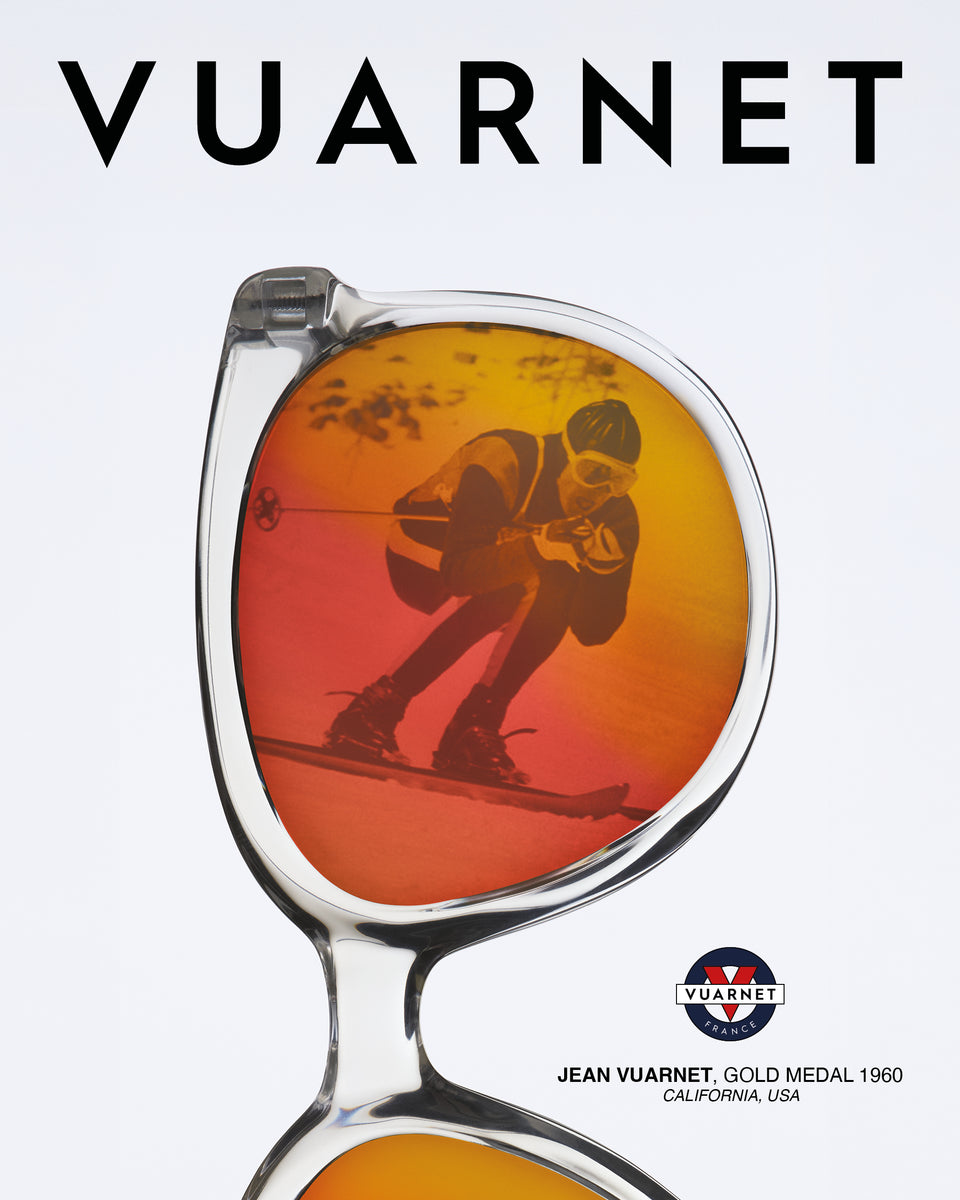
Discover Vuarnet’s French craftsmanship and the heritage of the Maison since 1957.
For daily travel and frequent handling, follow our advice on how to care for your sunglasses.
Shipping and easy returns
Shipping and free returns are available subject to conditions. Eligible products purchased from Vuarnet.com can be returned within 30 days of receipt. Consult the European Return & Shipping Policy for the terms applicable to your country.
Explore more collections
Vuarnet FAQ: everyday and driving sunglasses
What are the best sunglasses for driving?
The right driving sunglasses should reduce glare, preserve colour perception and avoid obstructing peripheral vision. Grey polarised lenses are a versatile choice for daytime driving, but the best option depends on the vehicle, screen use and lighting conditions.
What lens colour is best for driving?
Grey reduces brightness with a neutral colour rendering. Brown enhances contrast and can suit more diffuse light. In all cases, lens category should be appropriate for driving and the expected brightness.
Do polarised lenses affect dashboard displays?
They can make some LCD screens appear darker at particular viewing angles. It is best to check the readability of dashboard and navigation screens before relying on a pair during a long journey.
Will photochromic lenses darken behind a windscreen?
They can react less strongly inside a vehicle because the windscreen filters some of the UV light that activates them. Their performance while driving therefore depends on the lens, vehicle and light conditions.
Can I use the same sunglasses in the city and for driving?
Yes, provided the tint and category are appropriate for driving. Grey, brown, polarised and non-polarised lenses can all suit both uses. Photochromic lenses remain versatile in the city, although their darkening may be reduced behind a windscreen.