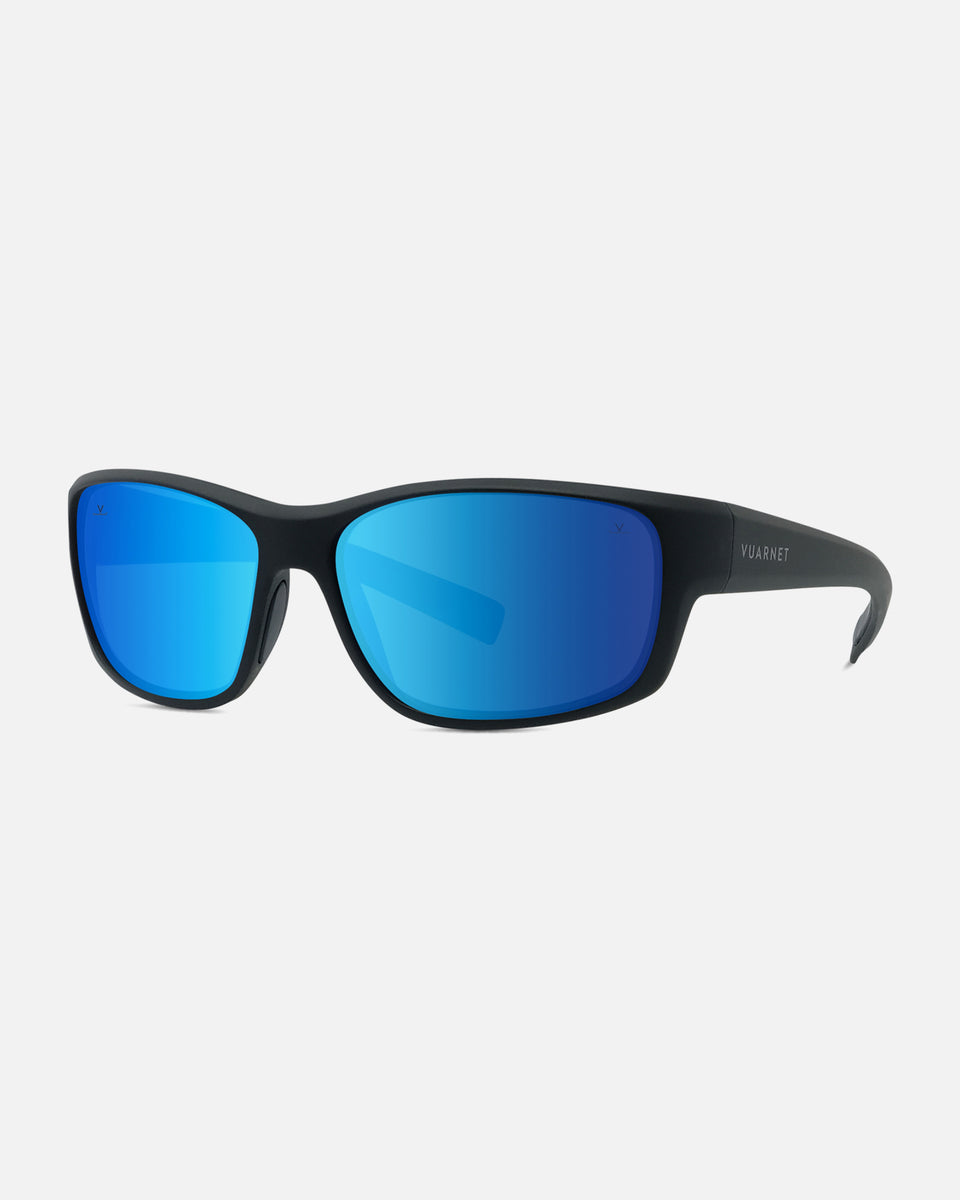
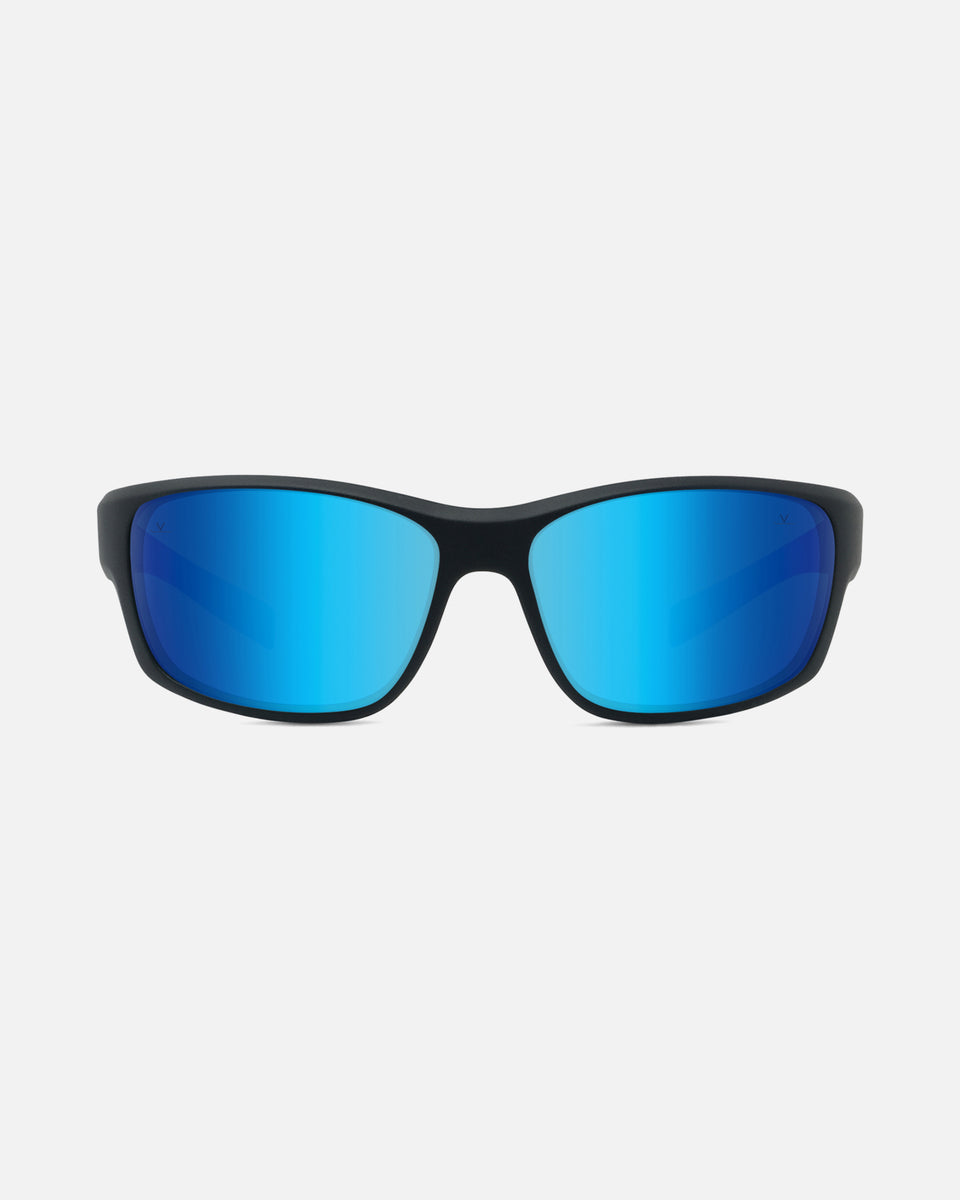
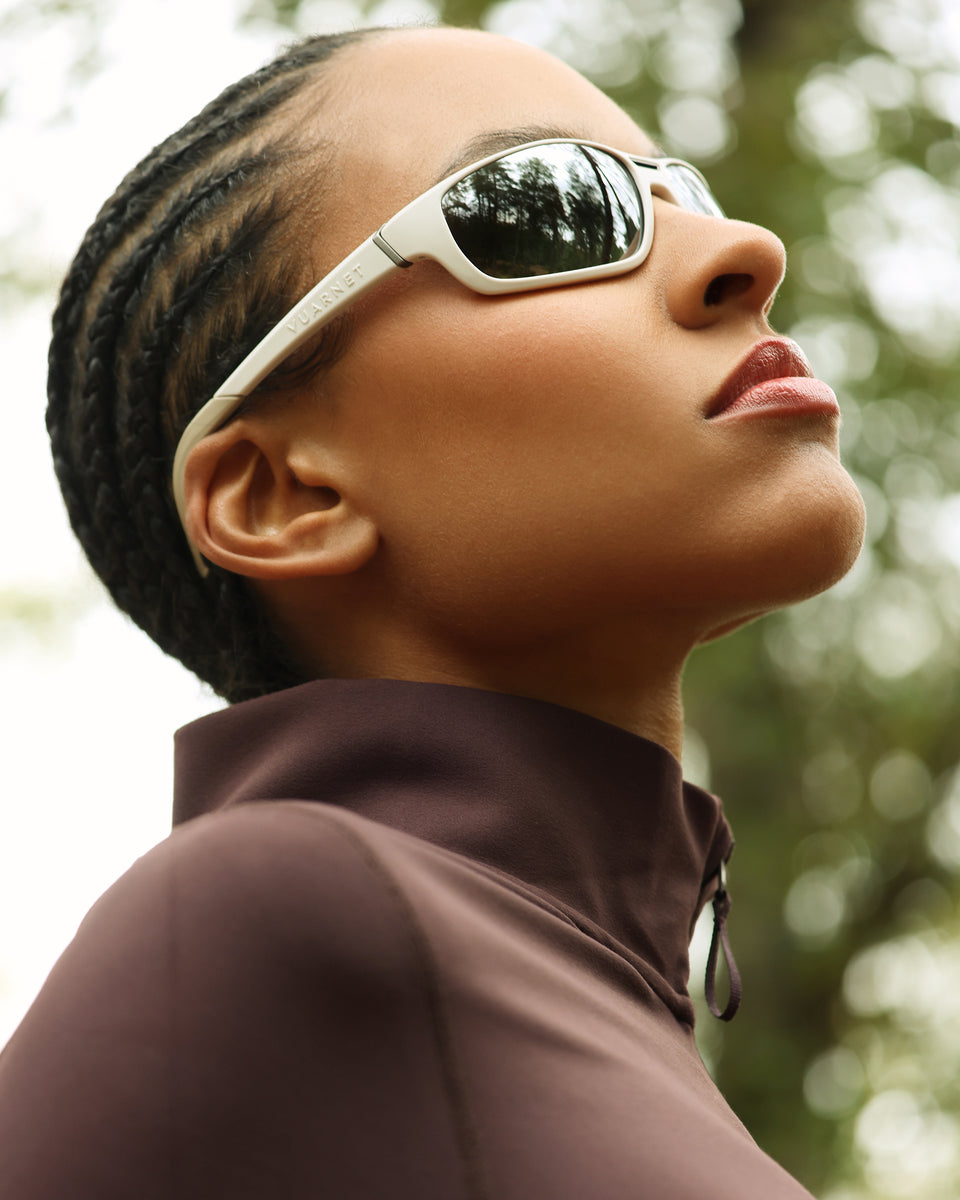
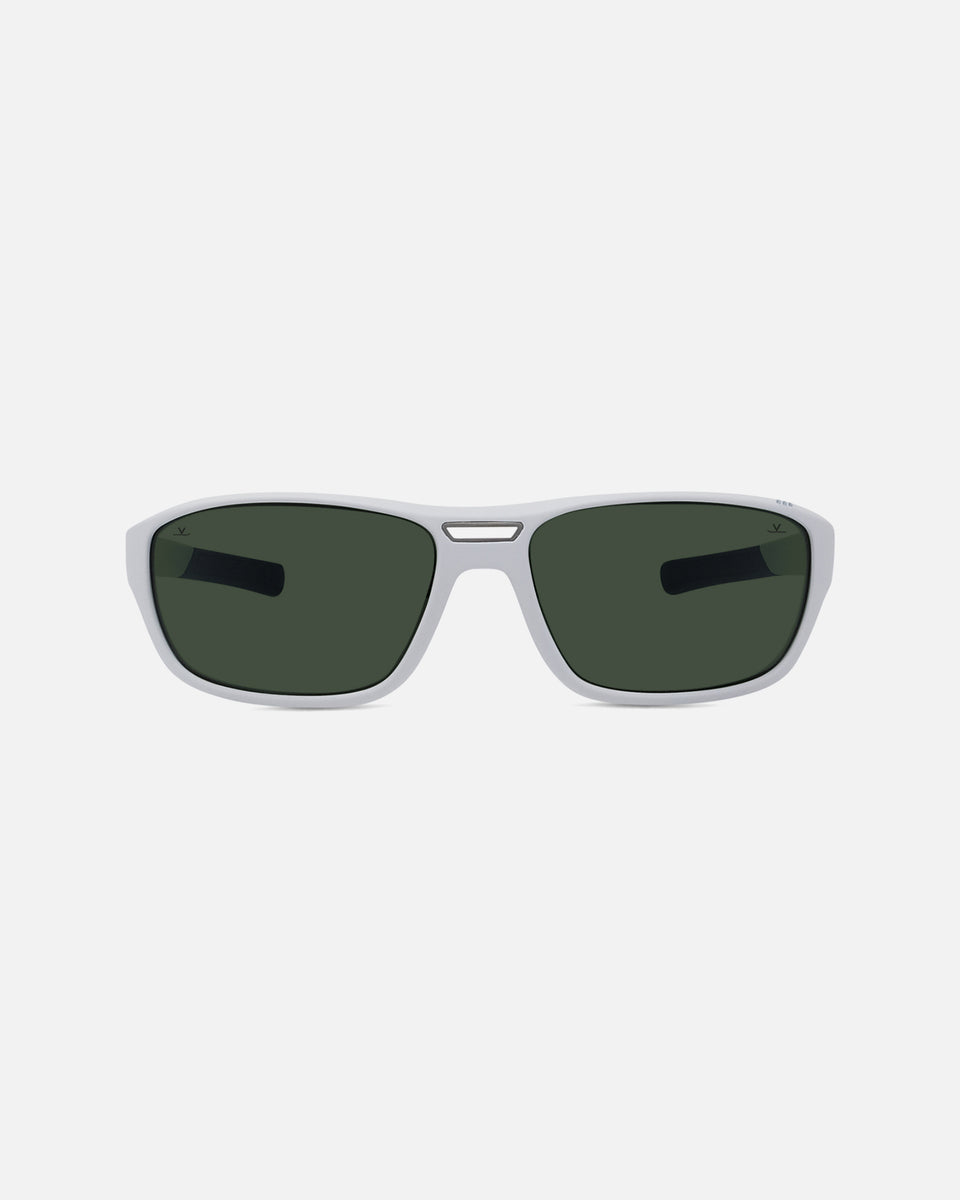
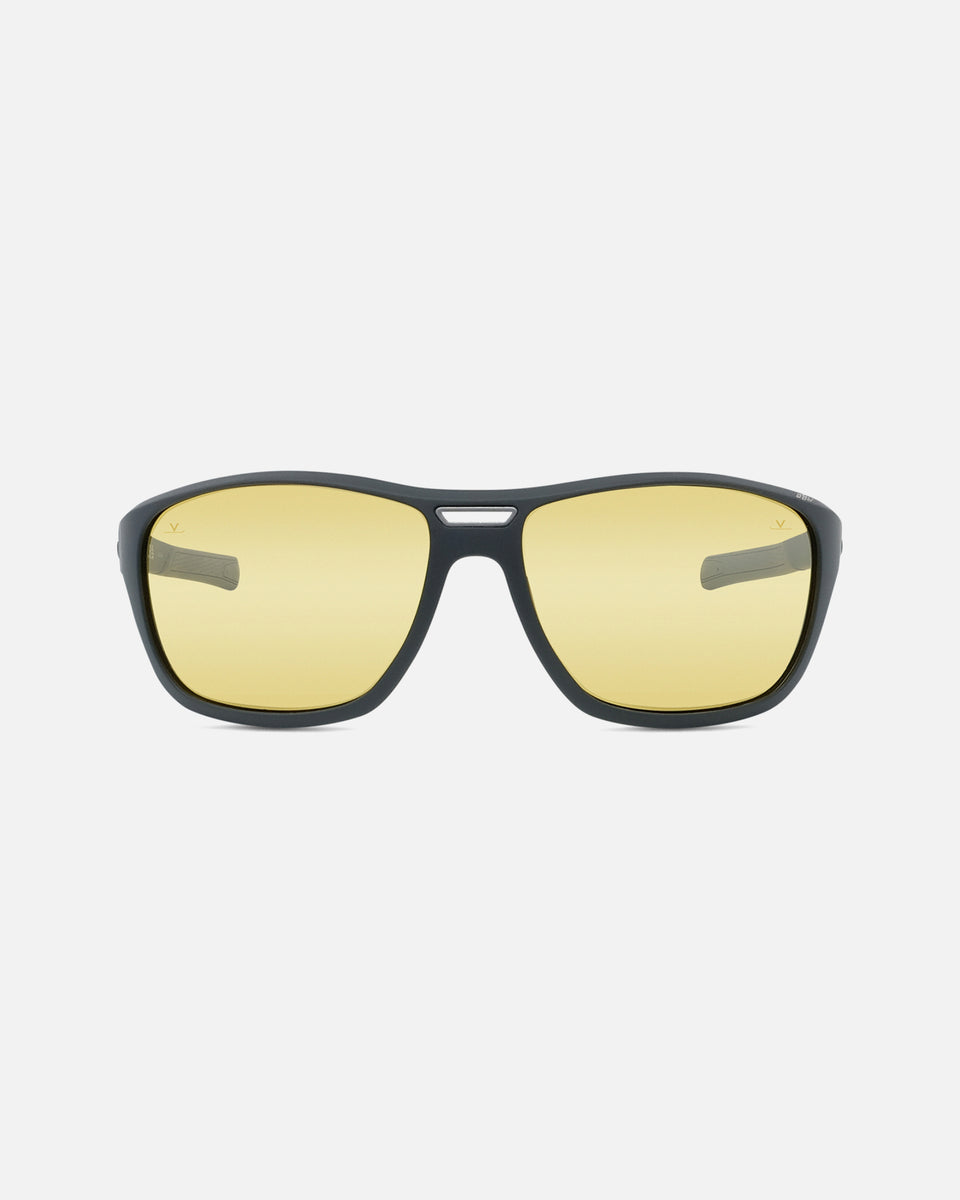
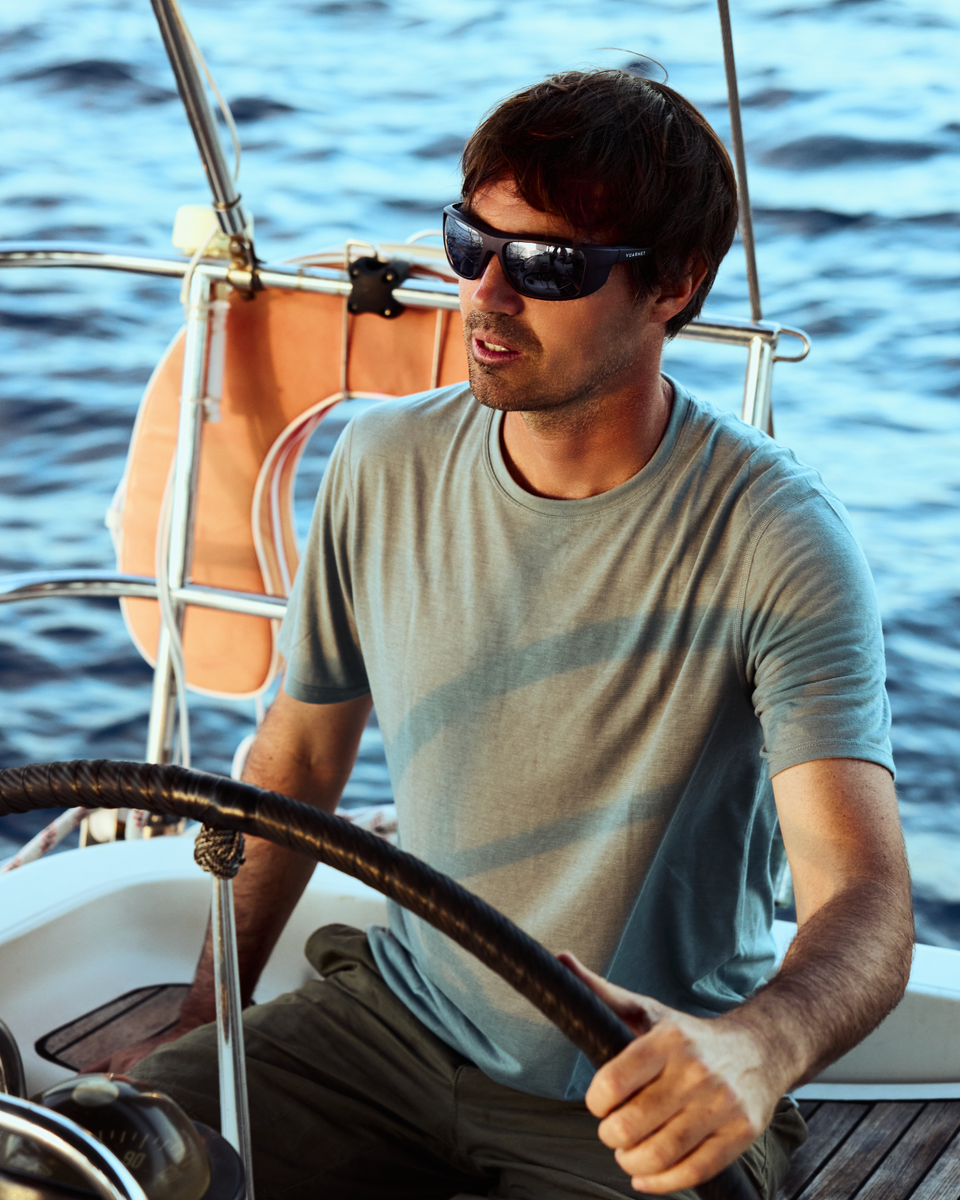
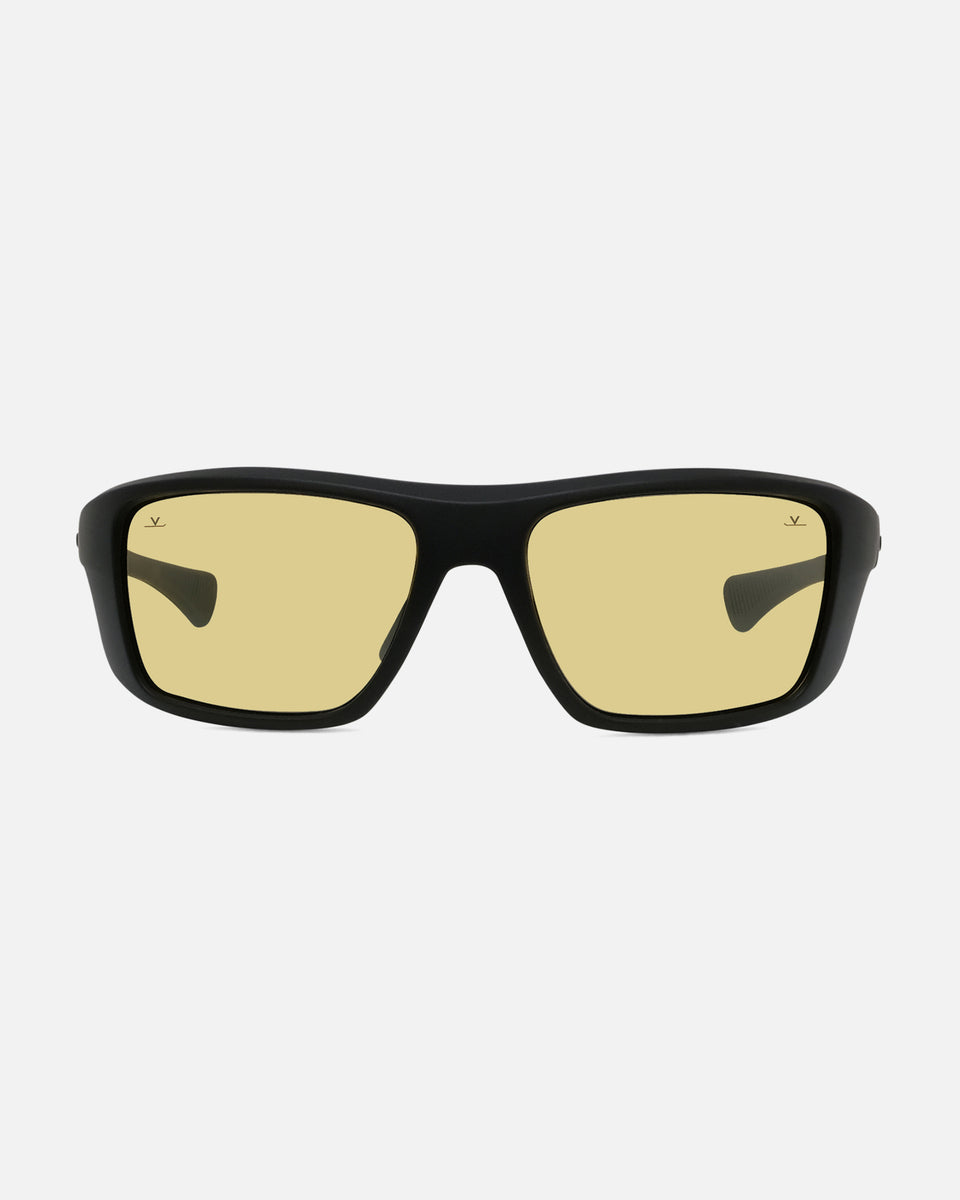
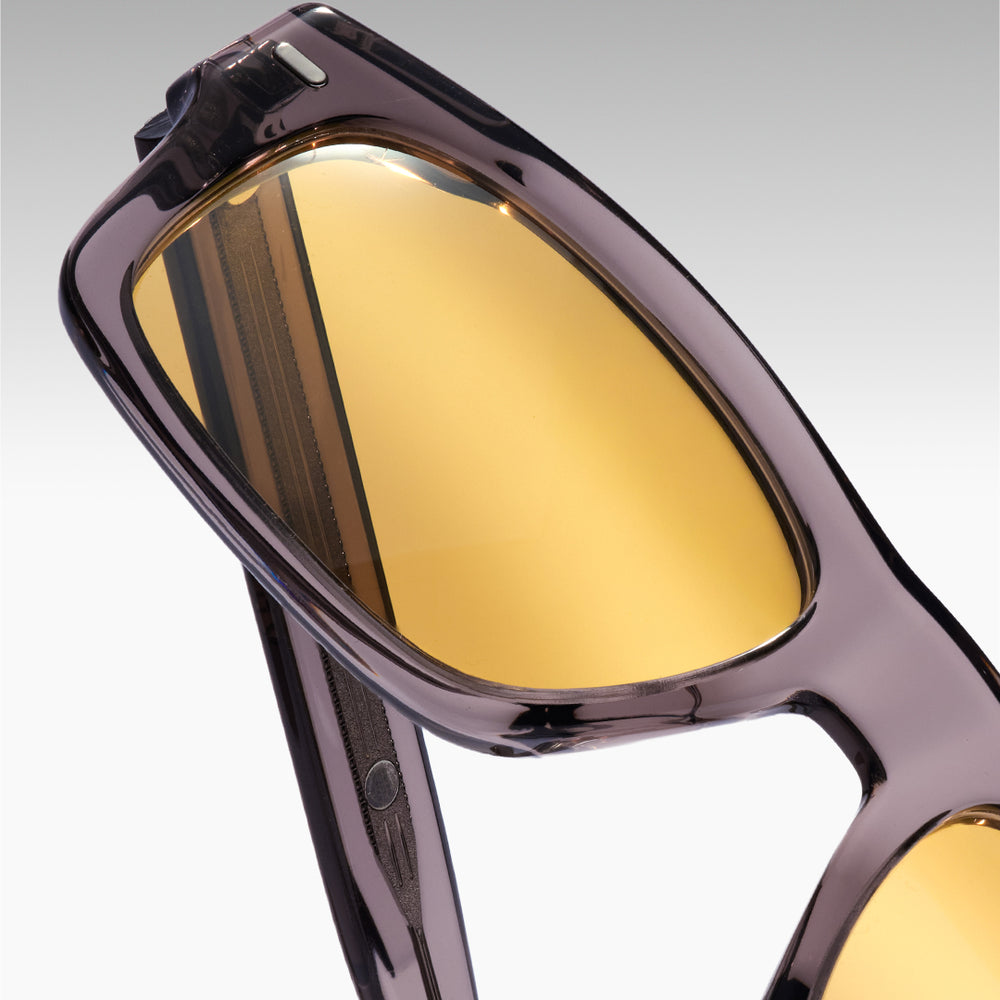
Running and cycling sunglasses engineered for movement
Endurance sport puts eyewear under a specific kind of stress. You are moving fast, breathing hard and passing through light that changes every few seconds: open road to tree cover, tunnel to bright exit, low winter sun directly in your line of sight. Add wind, dust, insects and sweat, and eyewear that merely looks sporty becomes a liability.
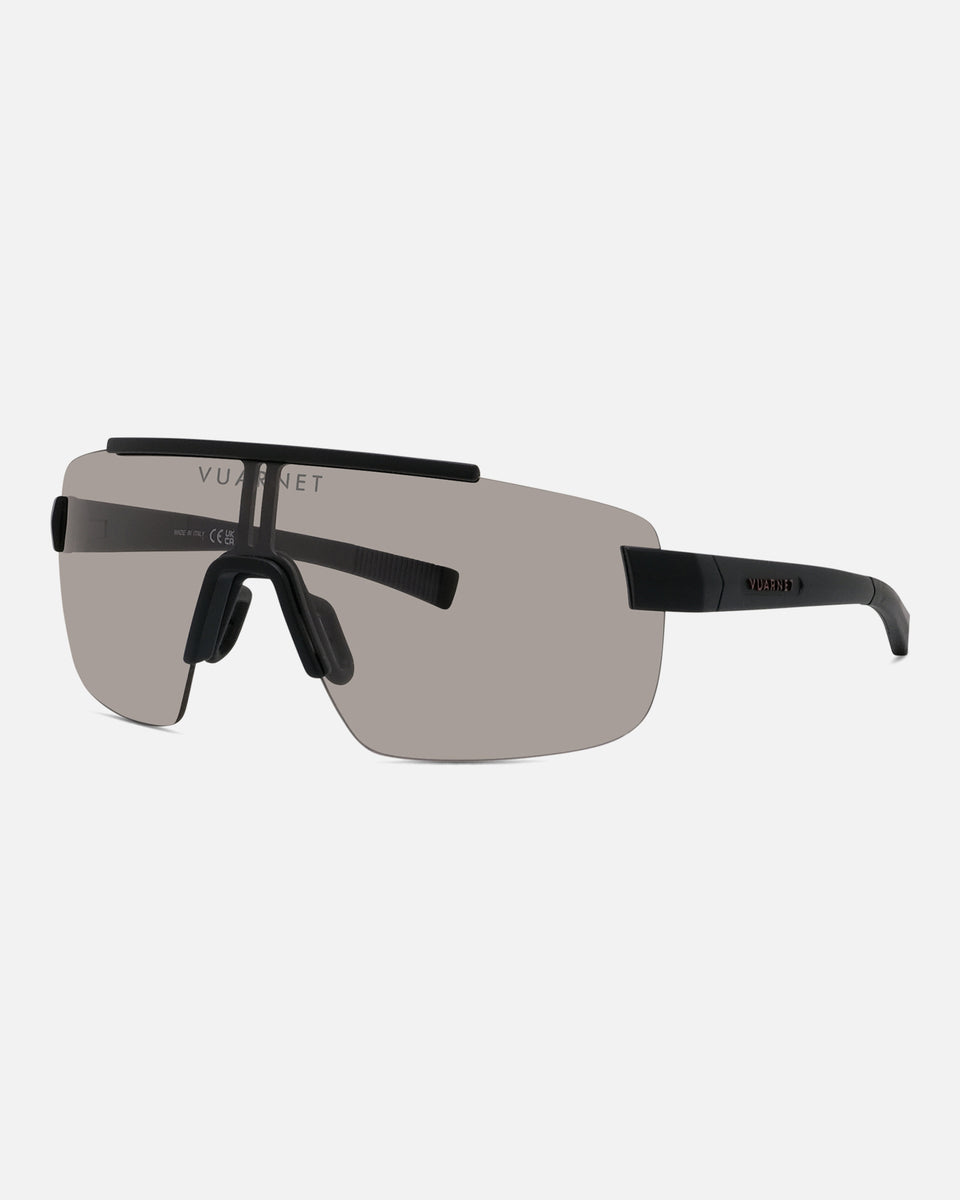
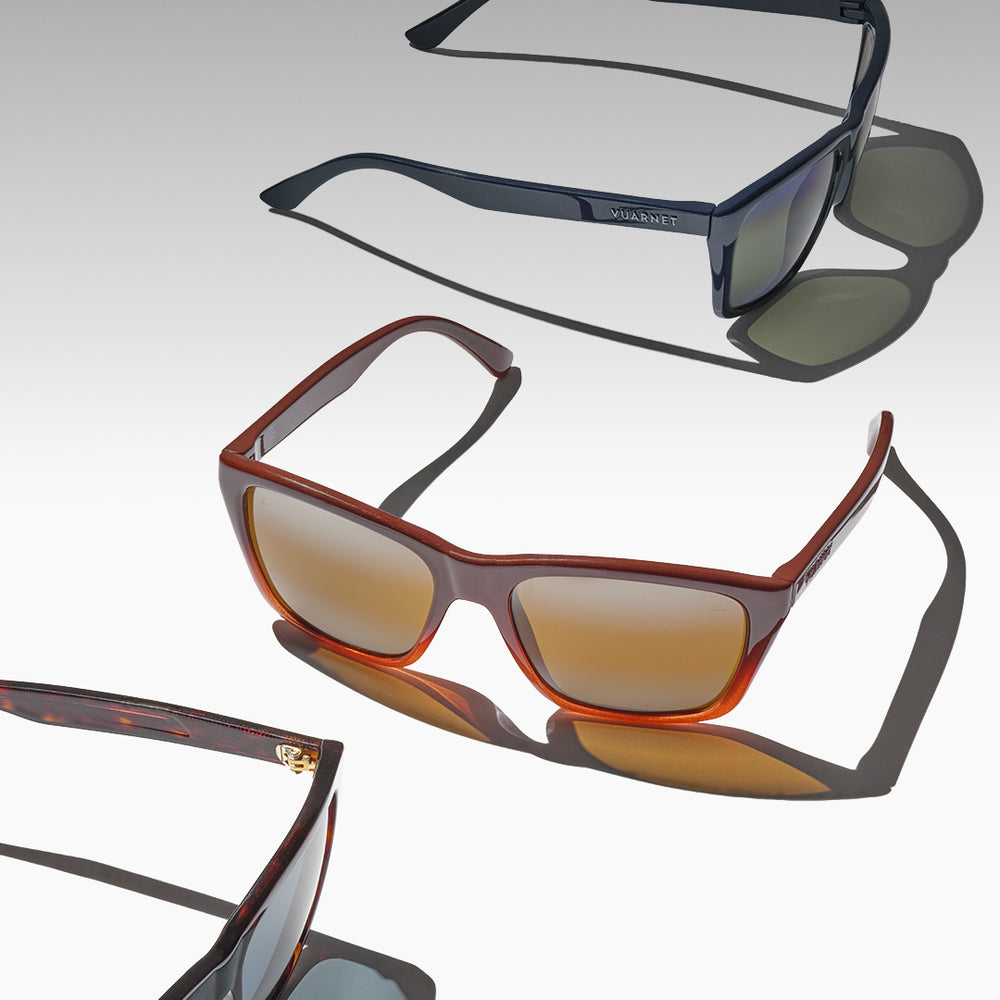
Vuarnet builds running and cycling sunglasses the same way it builds alpine eyewear: optics first, frame second. The lens has to resolve terrain accurately at speed. The frame has to disappear once it is on your face.
The challenge of variable light
A cyclist on a wooded descent can move through four or five distinct light conditions in a single minute. A trail runner experiences the same on technical sections under tree cover.
Fixed-tint lenses force a compromise. Choose a dark lens and you lose detail in the shade, exactly where roots, rocks and potholes matter most. Choose a lighter lens and you are squinting on open sections.
Photochromic lenses solve this by adapting continuously. The lens darkens as UV intensity rises and clears as it falls, without any action from you. For road cycling, trail running and mountain biking, this is one of the most useful lens technologies available.
Choosing your lens by discipline
Discipline: Road cycling
Recommended lens: Photochromic or polarized
Why it works: Manages road glare and rapid shifts into shade; polarization reduces reflections from wet pavement
Discipline: Mountain biking
Recommended lens: Photochromic
Why it works: Adapts to constant transitions between wooded trails and clearings while preserving detail in the shade
Discipline: Trail running
Recommended lens: Photochromic or lightly polarized
Why it works: Helps you read technical terrain while keeping weight to a minimum
Discipline: Road running
Recommended lens: Polarized or fixed tint
Why it works: Delivers comfort in more consistent light conditions over long distances
Discipline: Winter training
Recommended lens: Photochromic
Why it works: A responsive tint is ideal for low sun angles and shorter days
To match a lens to your discipline in more detail, consult the Vuarnet mineral lens guide, or compare polarized and Lynx™ lenses.
Why fit determines performance
In endurance sport, a frame that shifts is a frame you stop trusting. Every adjustment is a hand off the bars, a break in cadence and a loss of focus.
Vuarnet sport frames are engineered around four principles:
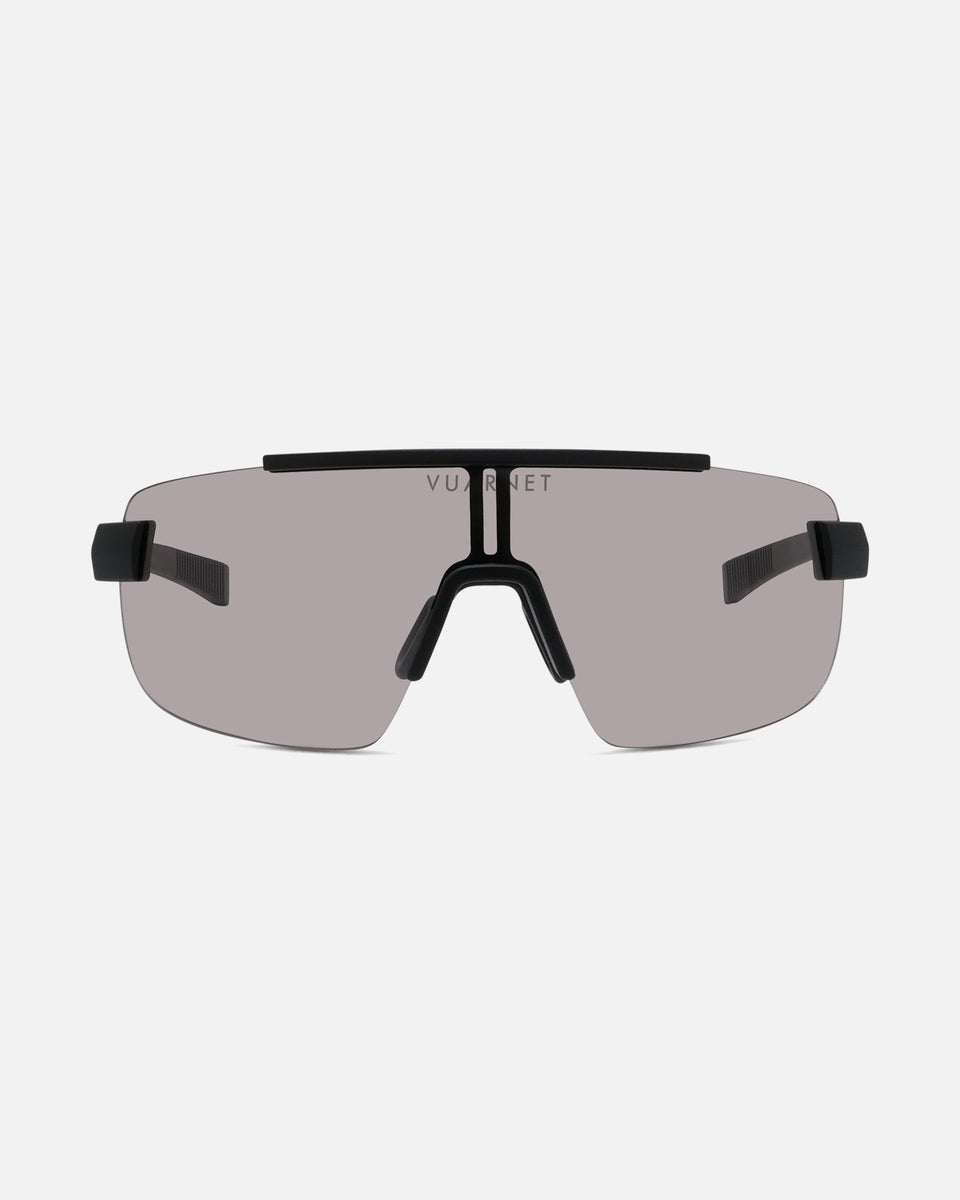
- Wrap geometry for peripheral coverage and wind deflection at speed.
- Grip temples that hold their position as perspiration increases.
- Ergonomic nose bridges that distribute pressure rather than concentrating it.
- Lightweight construction for extended wear without pressure points.
Explore wrap-around frames for the most stable profiles in the range, or the full Sport sunglasses collection.
Wind, debris and ventilation
Wrap coverage protects against wind-induced tearing, airborne grit and insects - all of which cost seconds and concentration. But full coverage without airflow can create fogging as soon as the pace drops on a climb.
Vuarnet sport designs balance coverage with ventilation. The frame stays close enough to block wind at the lens edge while allowing airflow that helps keep vision clear during changing effort.
Scratch resistance also matters. Road spray, trail debris and frequent handling with gloves all make contact with the lens surface. Mineral glass naturally resists this contact without relying on a surface coating that can wear down.
Running and cycling sunglasses for men and women
Men’s running and cycling sunglasses
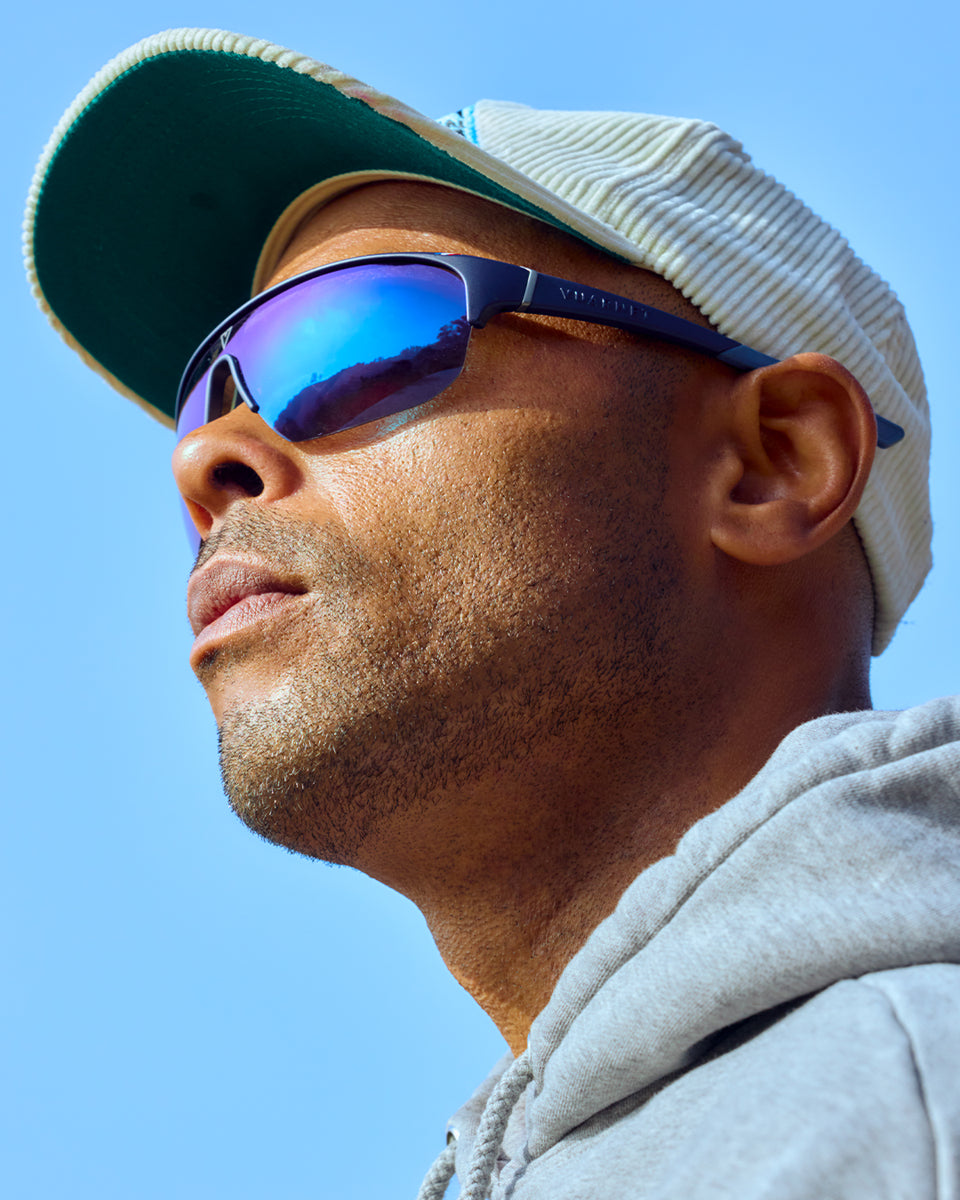
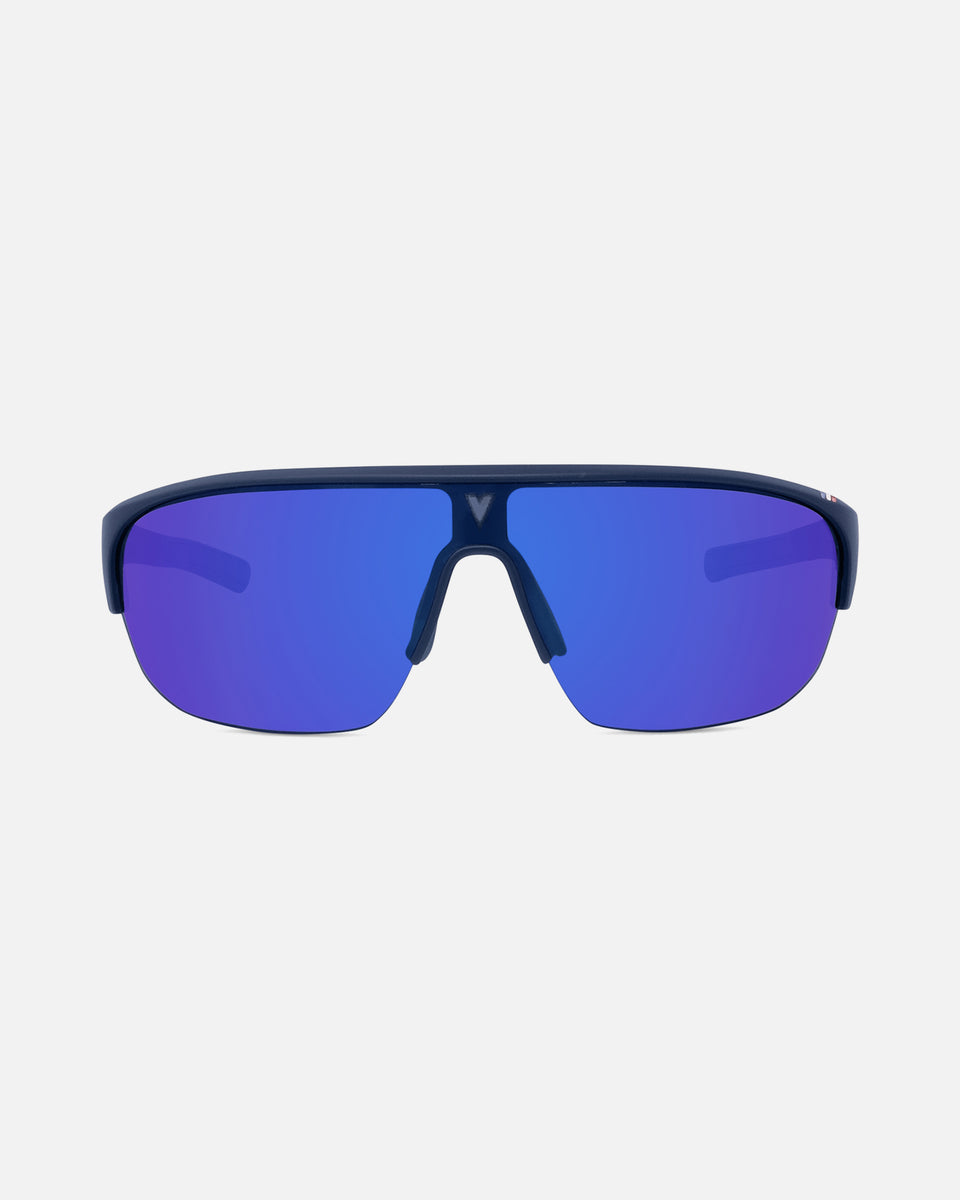
Men’s models emphasise coverage and aerodynamic profile, with larger lens surfaces and wrap geometry suited to speed and broader face widths.
Women’s running and cycling sunglasses
Women’s running and cycling sunglasses combine lighter constructions and adjusted frame geometry for a secure fit without pressure at the temples or bridge during long sessions.
For help choosing a frame, see our fit guide.
UV exposure in endurance sport
Endurance athletes accumulate more UV exposure than almost any other group: long hours outdoors, little overhead cover and repeated sessions throughout the year. UV intensity rises roughly 10% per 1,000 metres of elevation, making mountain training particularly demanding.
All Vuarnet lenses provide 100% UV protection. Depending on the lens, mineral glass also absorbs up to 94% of infrared radiation, helping reduce the heat load that can contribute to dryness and fatigue during long efforts.
For high-elevation training, explore Altitude. For more demanding environments, see the Outdoor Protection collection.
Prescription options for endurance sport
Vision correction should not force you out of proper sport eyewear. Vuarnet offers prescription solutions through authorised opticians, including options suited to sport and wrap frames.
Learn more about Vuarnet prescription lenses.
Performance heritage you can trust
Vuarnet’s optical expertise began in competition. When Jean Vuarnet won Olympic downhill gold in 1960, he wore Vuarnet mineral lenses designed for demanding mountain light.
Every Vuarnet mineral lens is made in France in the EPV-certified manufacture in Meaux, through a 17-step process. Each lens carries the engraved V on Ski hallmark that guarantees its origin and optical quality. Discover the Vuarnet heritage.
Explore more collections
Vuarnet FAQ: running and cycling sunglasses
Are photochromic lenses good for cycling?
They are one of the strongest options for cycling. Photochromic lenses adapt continuously to changing light, so you retain usable vision when moving from open road into shade without changing eyewear.
Should running sunglasses be polarized?
For road running in steady bright conditions, polarized lenses reduce glare effectively. For technical trail running under tree cover, photochromic lenses generally perform better because light changes constantly.
Do I need wrap-around frames for cycling?
Wrap frames improve stability, wind protection and peripheral coverage, which matters most at speed. They are strongly recommended for road and mountain cycling and optional for steady-pace running.
How do I stop my sunglasses fogging on climbs?
Fogging occurs when airflow drops while body heat remains high. Choose a frame with adequate ventilation, avoid sealing the lens tightly against your face and lift the frame briefly onto your helmet during sustained low-speed efforts.
Can I get running or cycling sunglasses in my prescription?
Yes. Prescription options are available through authorised Vuarnet opticians, including solutions compatible with sport and wrap frames.